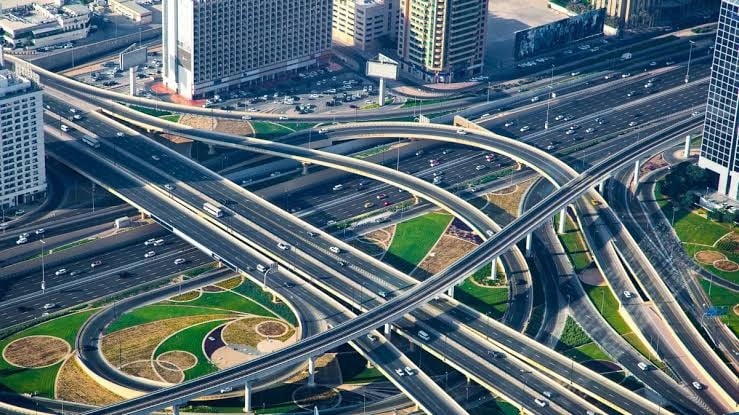
Better Connectivity Is Reshaping Dubai’s Real Estate Map


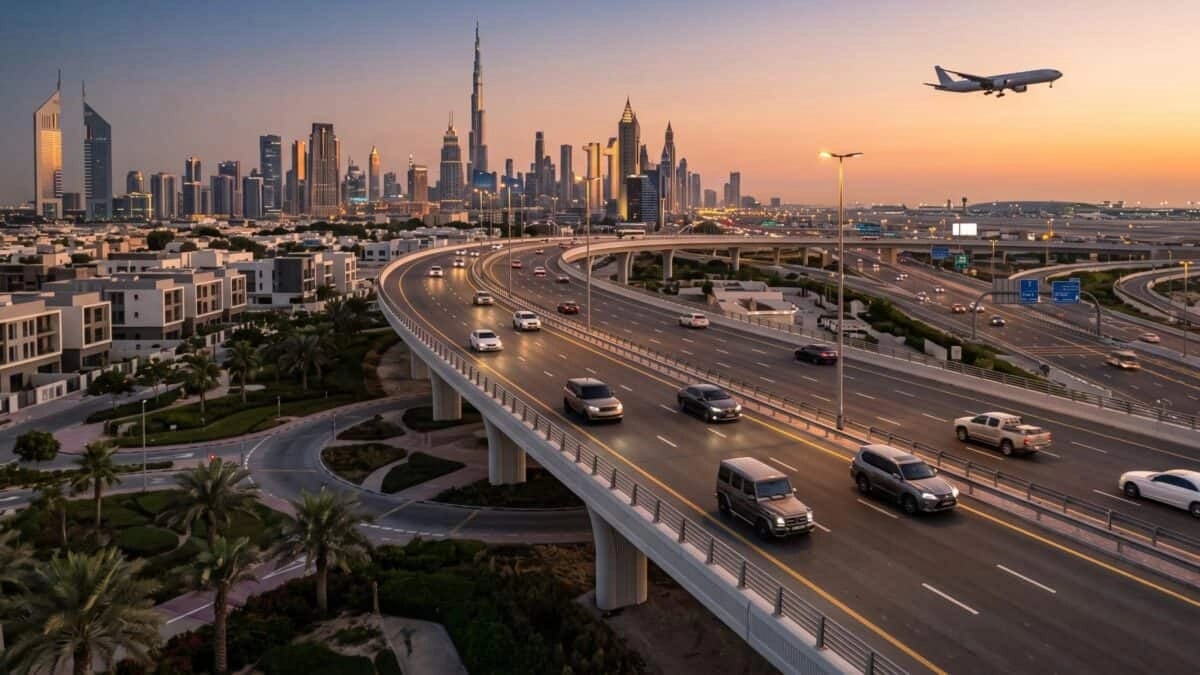
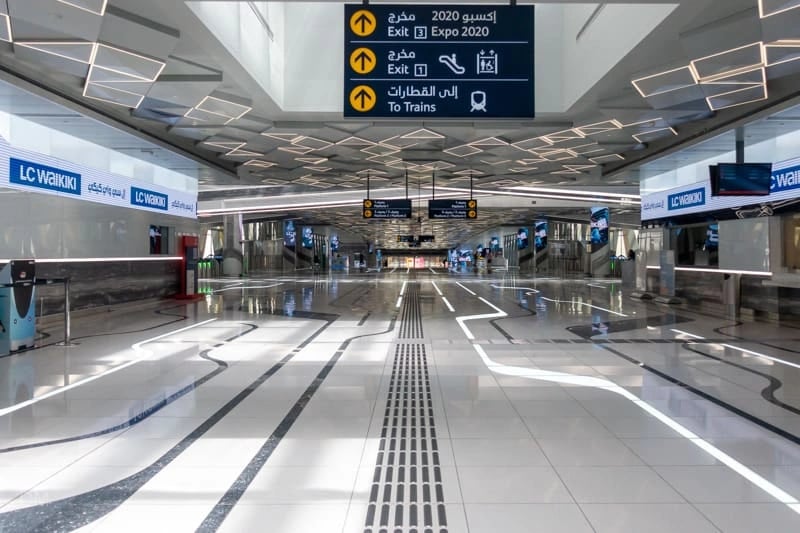
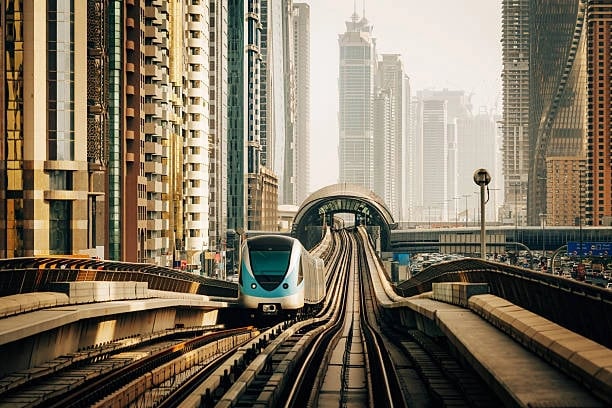
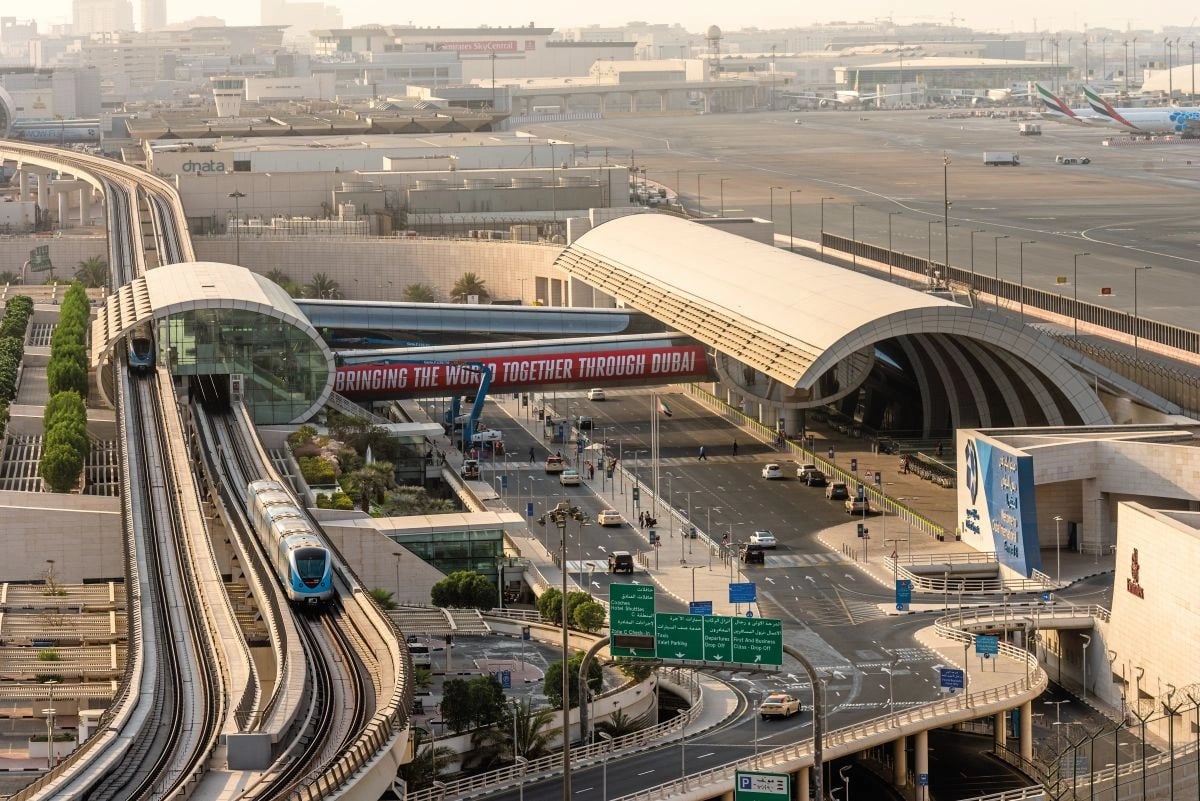
Dubai’s expanding transport infrastructure is set to change the way buyers and tenants assess property locations. With the expansion of the Metro network and the development of Etihad Rail, a number of areas beyond the traditional central districts could become even more attractive places to live and invest.
Among the areas expected to benefit from the new transport links are Jumeirah Village Circle (JVC), Meydan, Dubai Silicon Oasis, Dubai South, International City, Mirdif, Al Warqa and Jumeirah Golf Estates. What these communities have in common is a diverse range of residential options and, in many cases, more accessible price points, while historically being more dependent on private transport.
Distance Is No Longer the Only Factor
For years, proximity to Downtown Dubai, Business Bay and Dubai Marina has been one of the key advantages when choosing a home. Higher prices in these areas have largely been justified by the convenience of being close to major business hubs and avoiding lengthy peak-hour commutes.
The expansion of Dubai’s transport network could gradually change this logic. When a neighbourhood gains direct access to the Metro or rail network, distance from the city centre becomes less important. Instead, connectivity to the wider transport system comes to the forefront. This means areas previously considered primarily for their affordability could gain new investment appeal.
Dubai Metro Blue Line: New Opportunities for Eastern Districts
One of the key developments will be the introduction of the Metro Blue Line, scheduled to open in 2029. The route will improve access to International City, Warsan, Dubai Silicon Oasis, Academic City, Dubai Creek Harbour, Mirdif and Al Warqa. These communities already have established residential areas, schools, employment hubs and developing infrastructure, but currently do not have the same level of direct rail connectivity as more central parts of Dubai.
International City and Dubai Silicon Oasis are particularly interesting. International City offers a lower entry point for buyers, while Dubai Silicon Oasis combines residential communities with a significant technology and business ecosystem. Academic City, meanwhile, has a large student population, creating additional potential for rental demand.
JVC, Meydan, Jumeirah Golf Estates and Dubai South Gain a New Advantage
The planned Gold Line will also bring greater attention to JVC, Meydan, Mohammed Bin Rashid City, Nad Al Sheba, Al Barsha South and Jumeirah Golf Estates.
JVC has already become one of Dubai’s major residential communities, but the lack of direct Metro access remains an important consideration for residents who rely primarily on cars. A potential future station could change the way the location is assessed.
Meydan is another area with the potential to benefit from improved connectivity. Jumeirah Golf Estates is particularly notable, as it is expected to combine access to the Gold Line with a connection to Etihad Rail.
For Dubai South, the impact of the expanding rail network could be somewhat different. The area combines residential developments with logistics, industrial and business functions and is located close to Expo City and the future development of Al Maktoum International Airport. Etihad Rail could further strengthen Dubai South’s appeal for people who regularly travel between Dubai, Abu Dhabi and other emirates. Improved intercity connectivity could therefore expand the pool of potential residents and make more distant communities a practical option for people working across the UAE.
What Could This Mean for Property Prices?
Improved transport connectivity has the potential to first stimulate rental demand and subsequently influence sales prices. Depending on the location and quality of the infrastructure, properties close to transport stations could command a premium of between 5% and 25%.
Of course, the presence of a future station alone does not guarantee an increase in property values. Transport infrastructure delivers the greatest impact when combined with quality residential developments, amenities, green spaces, schools, retail destinations and well-planned urban environments.
More Choice for Buyers and Tenants
For Dubai residents, the most immediate impact could be a wider choice of where to live. Someone working in the central parts of the city may be able to consider a broader range of communities without daily car travel becoming such a significant compromise. This could redirect part of the demand towards areas offering more living space, a different lifestyle or more accessible price points, but which have previously been constrained by their transport accessibility.
For investors, the trend is even more significant. Infrastructure development can create new growth corridors and gradually reshape the relationship between price, location and income potential.
Dubai’s next stage of development increasingly suggests that a “good location” means good connectivity. As the Metro Blue and Gold Lines expand and Etihad Rail develops, communities such as JVC, Meydan, Dubai Silicon Oasis and Dubai South could play an increasingly important role on the emirate’s real estate map.
Read more from category News
Dubai Ready Property Sales Reach €3.13 Billion in the Third Quarter of 2026
 06/10/2026
 News
News Unique Estates Dubai
Vesela Ilieva for Realto Group International Conference: Don't wait for the market to show you the direction - be part of those who create it
31/08/2026NewsUnique Estates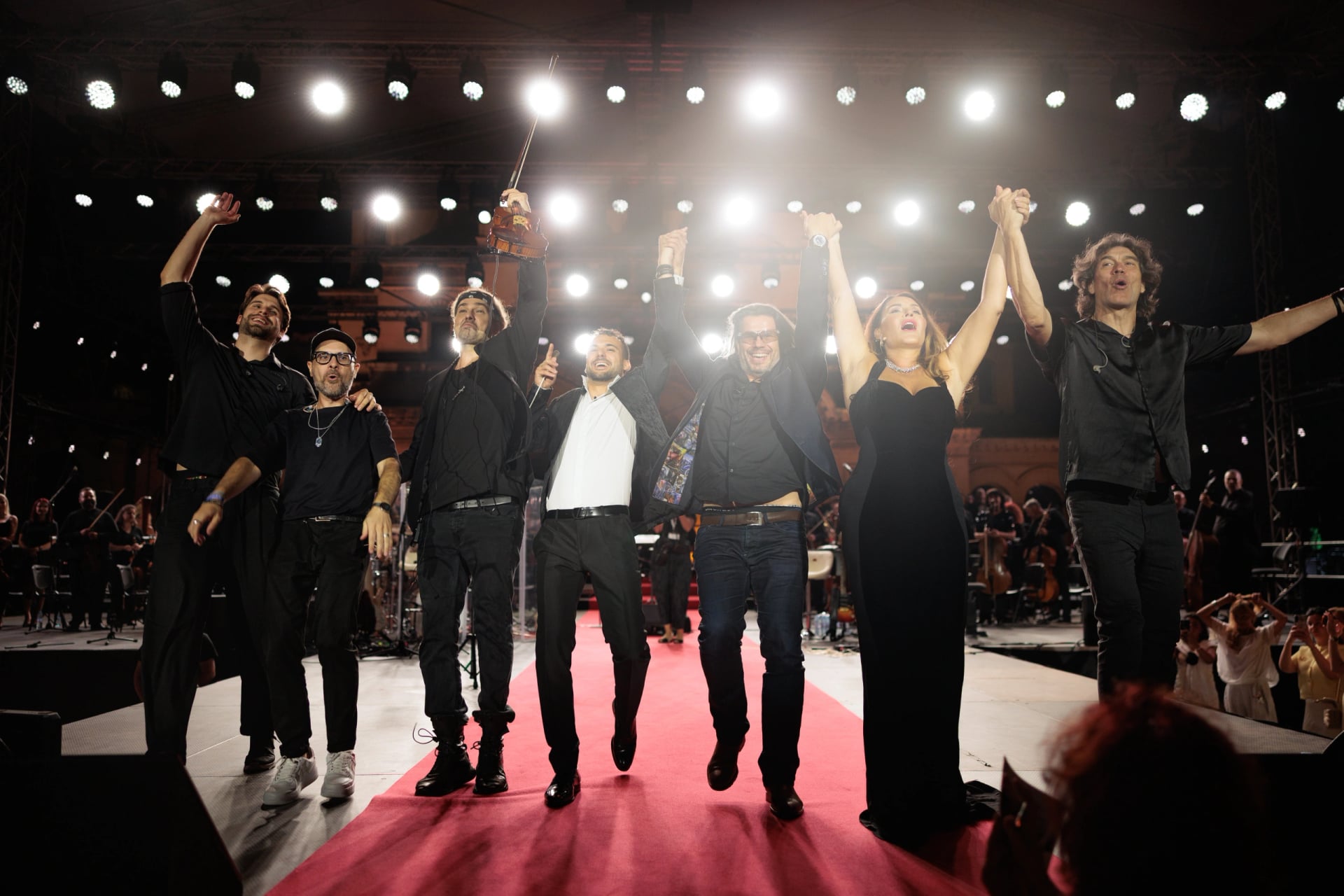
"Gala in Sofia 2026" - A Magnificent Music Festival in Partnership with Unique Estates | Christie's International Real Estate
28/08/2026NewsUnique Estates
Unique Estates Supports the National Autumn Exhibitions – Plovdiv 2026
25/08/2026NewsLora PetrovaThe brokers we choose in our agency are professionals who have the necessary knowledge, experience, and competence to accompany you through all stages of the transaction - from the selection of a suitable location, type of housing, price in line with the market in the area, to the subsequent documents to protect you and give security in the investment made.
 Call us