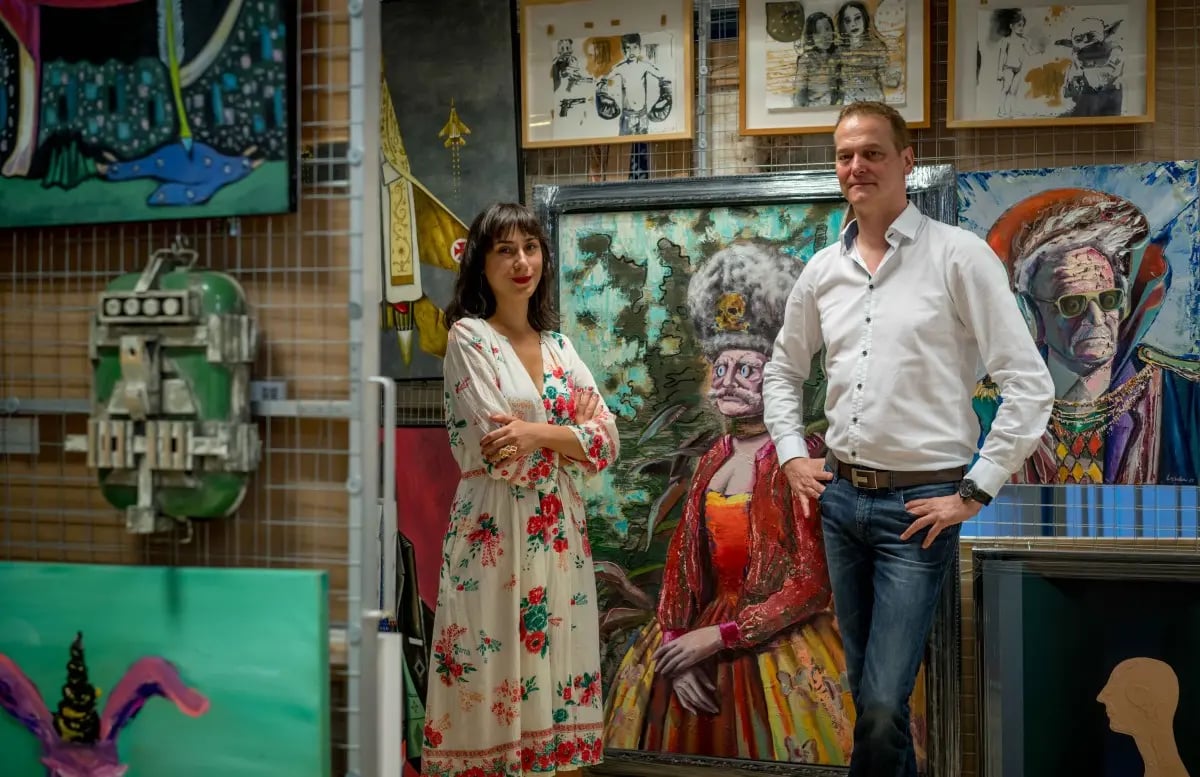
Nikolay Nedelchev - For the pleasure of collecting and his collection


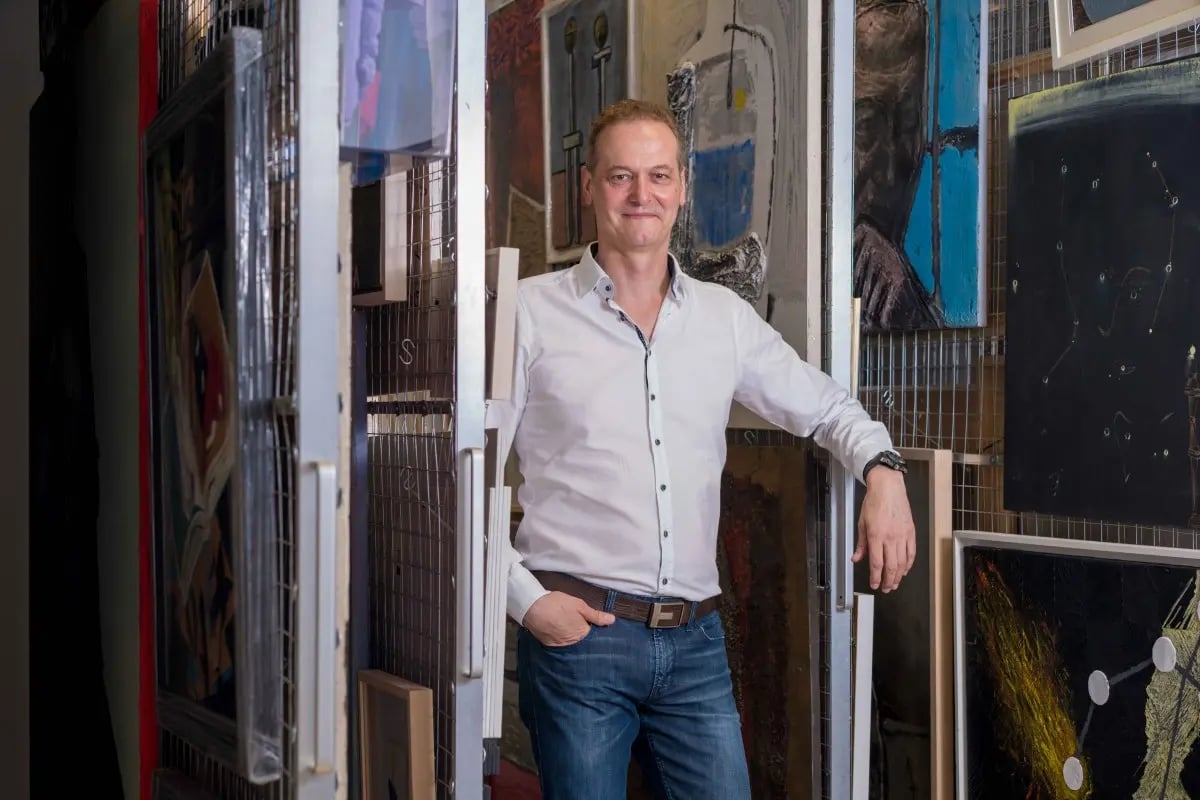
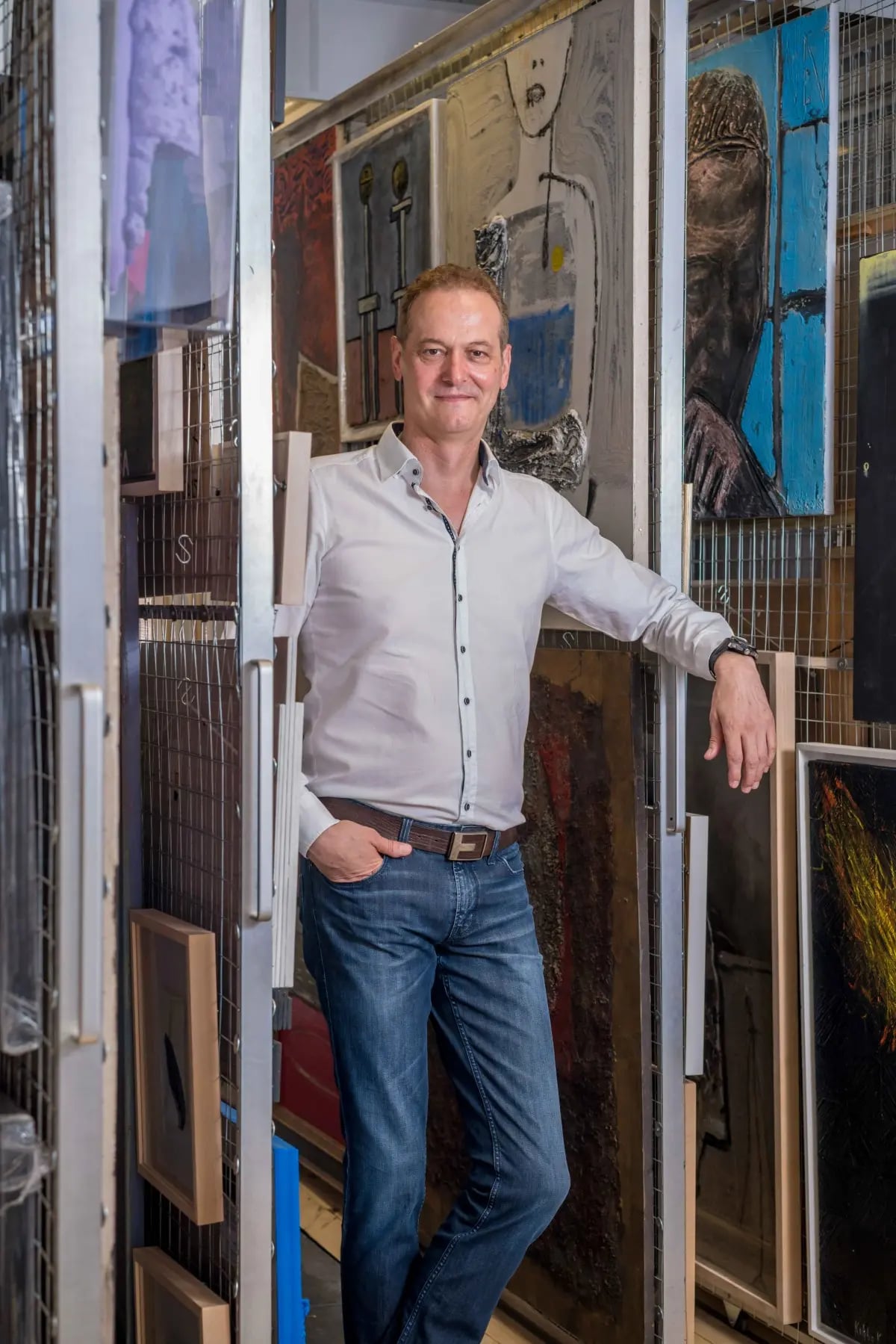
Nikolay Nedelchev is the founder and managing director of one of the largest integrated marketing communications companies in Bulgaria - Publicis Groupe Bulgaria, which is developing its activities as part of the global communication organization Publicis One.
Vesselina Sarieva runs the Sariev Art Gallery in Plovdiv and is the director of the Open Arts Foundation. He is listed in the Capital weekly for the top 100 most influential women in Bulgaria.
*Unique Estate is the first media that Nikolay Nedelchev admits to his "place"
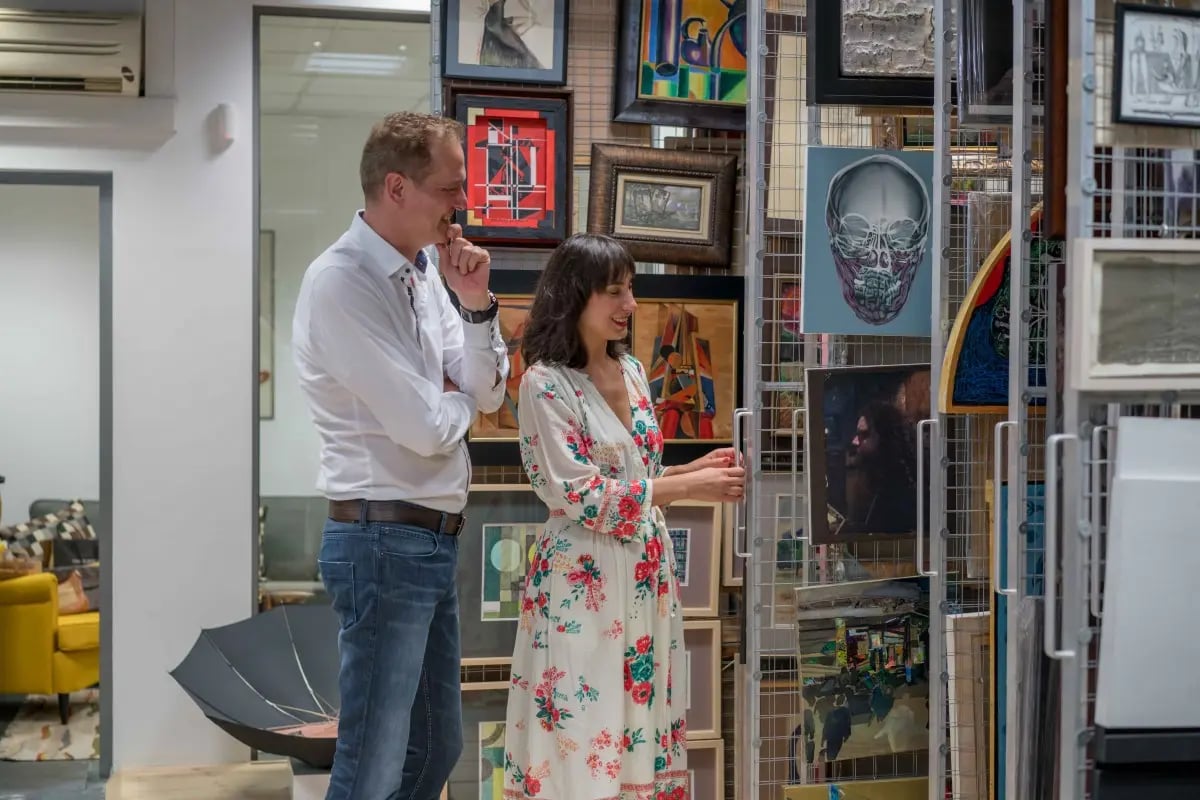
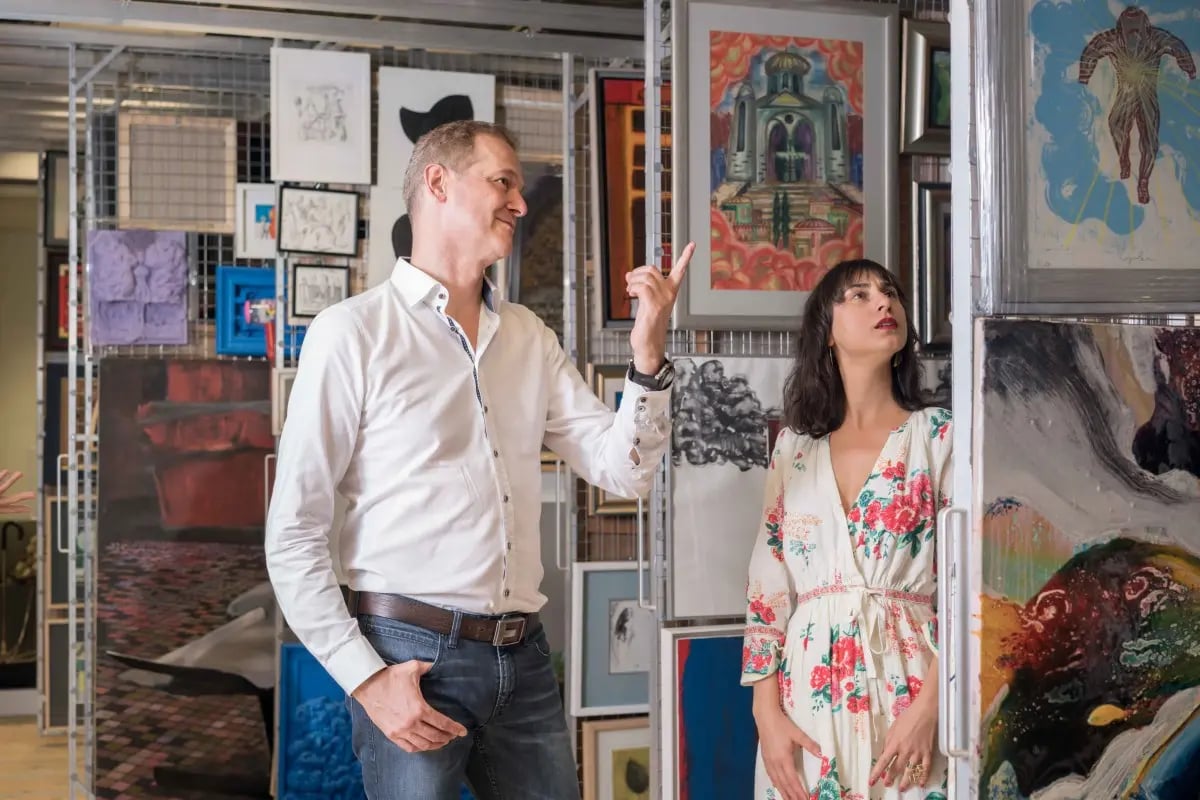
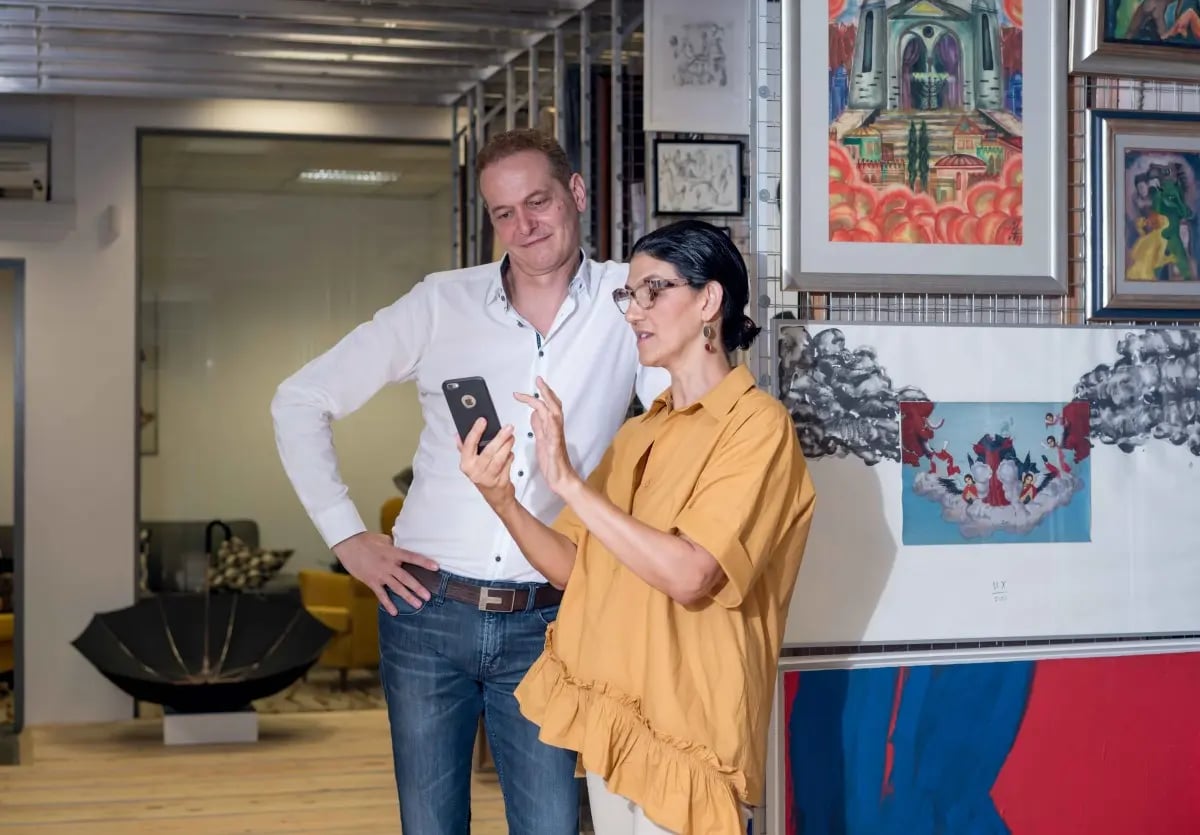
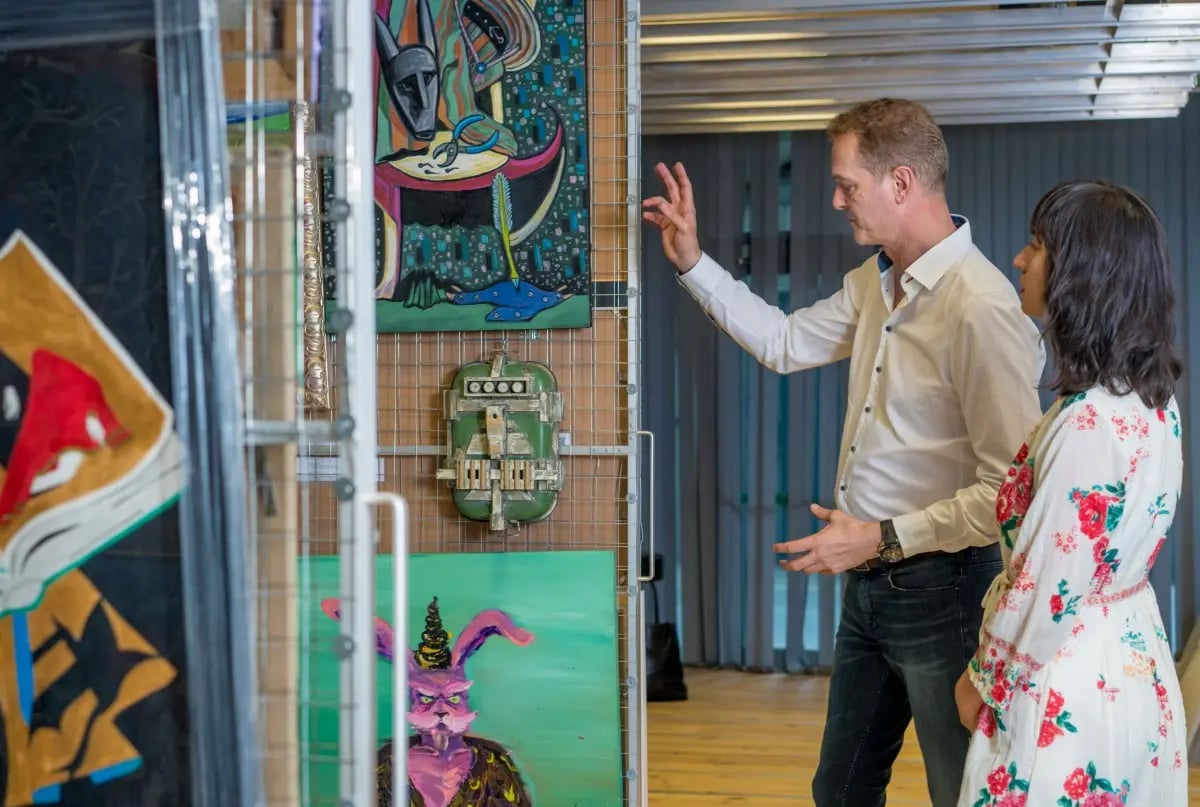
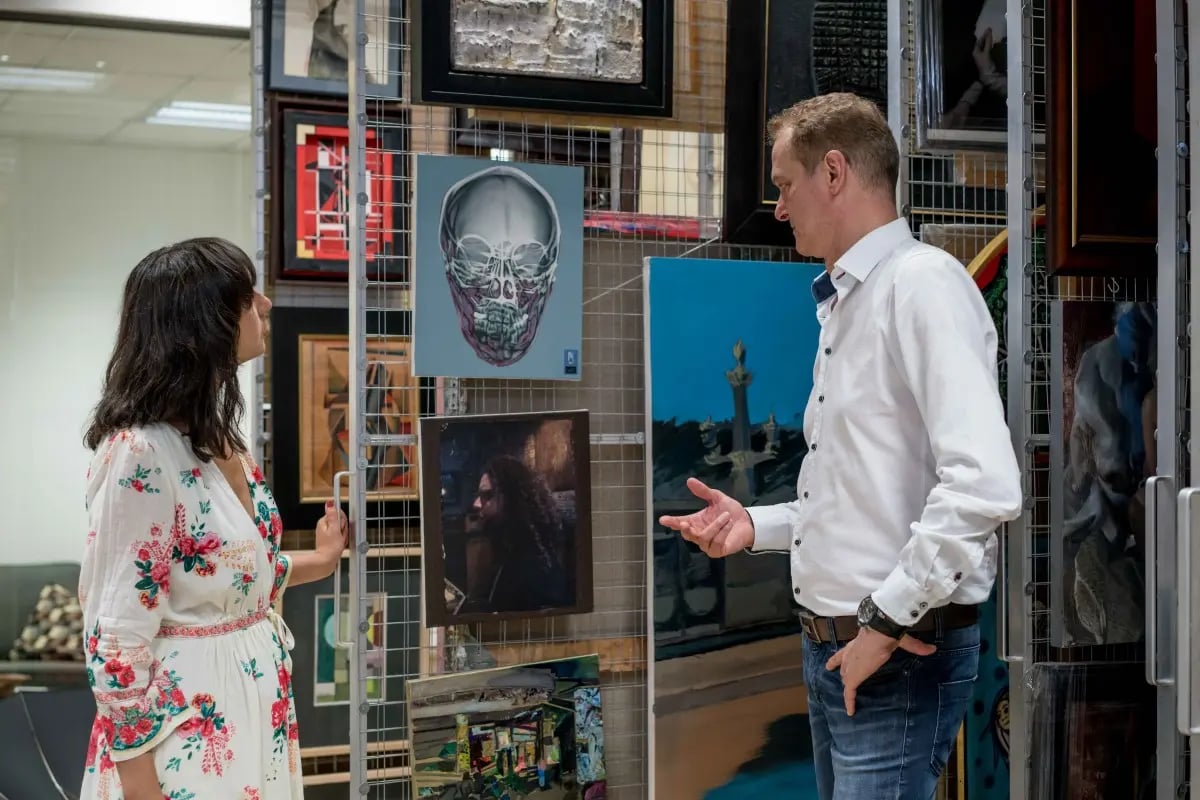
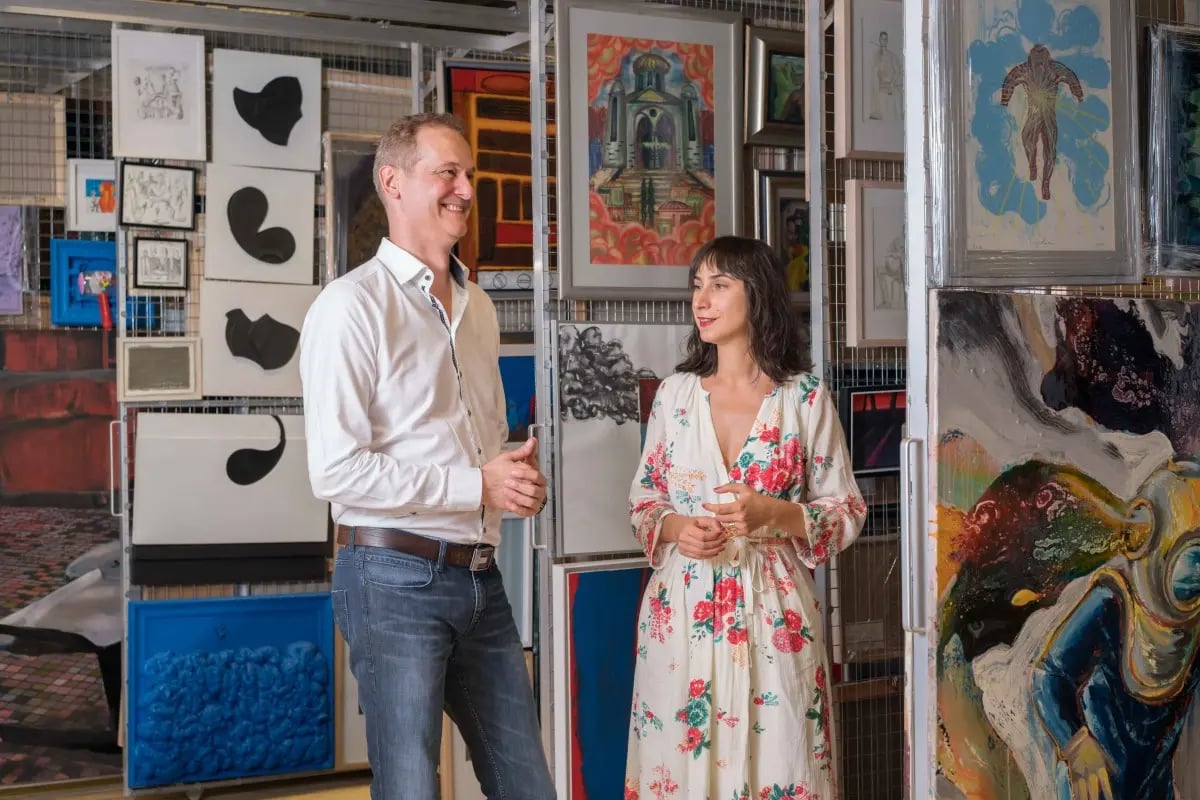
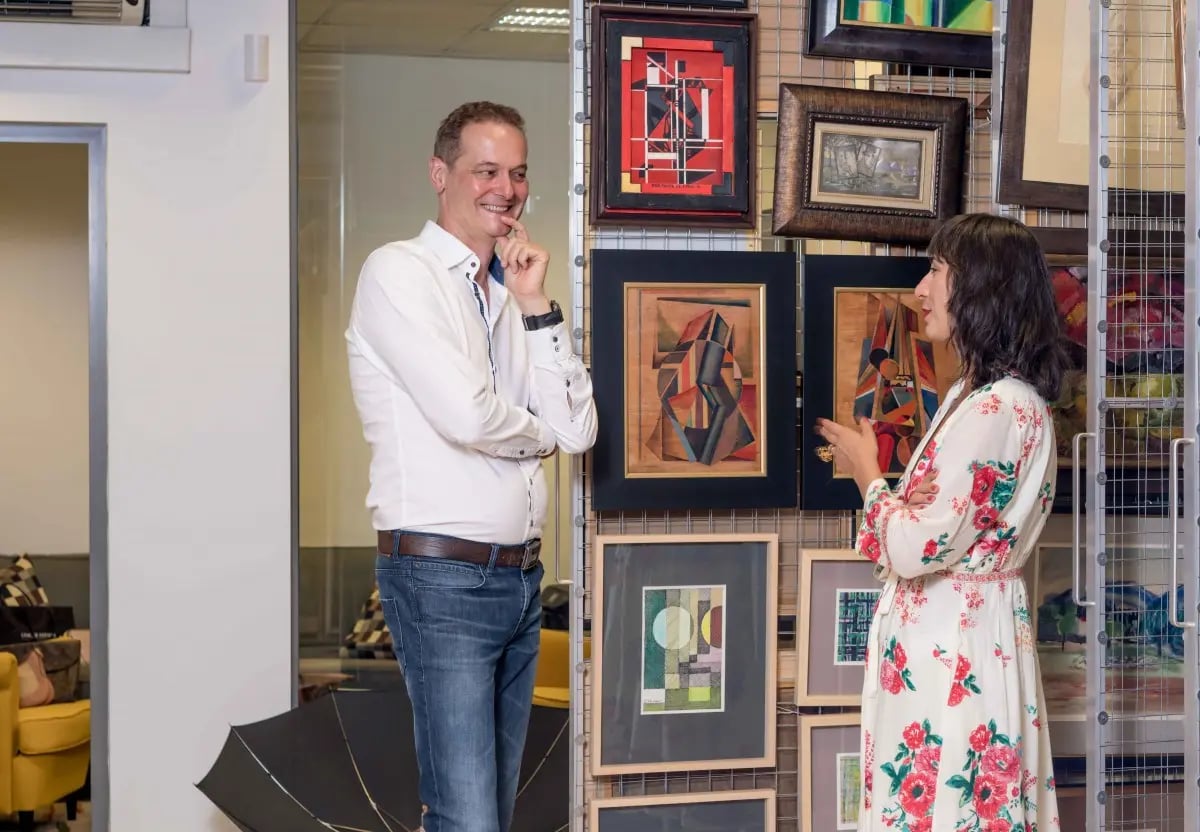
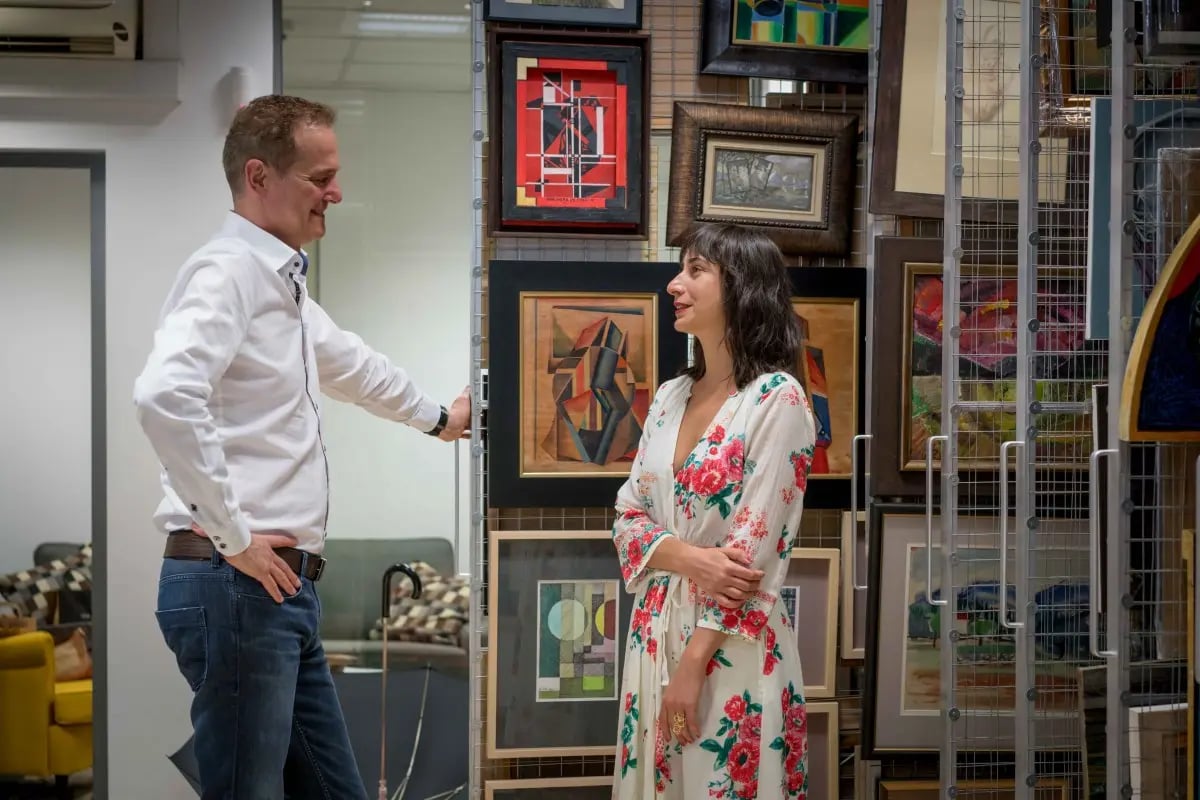
For starters, I want to say that this is not the first, but my second depot. My first landfill was bigger and farther away - in an industrial warehouse. My present depot is currently at a European level as an organization and technique for storing the works I own. It is located in a communicative place where I am pleased to invite special people like you to visit it.
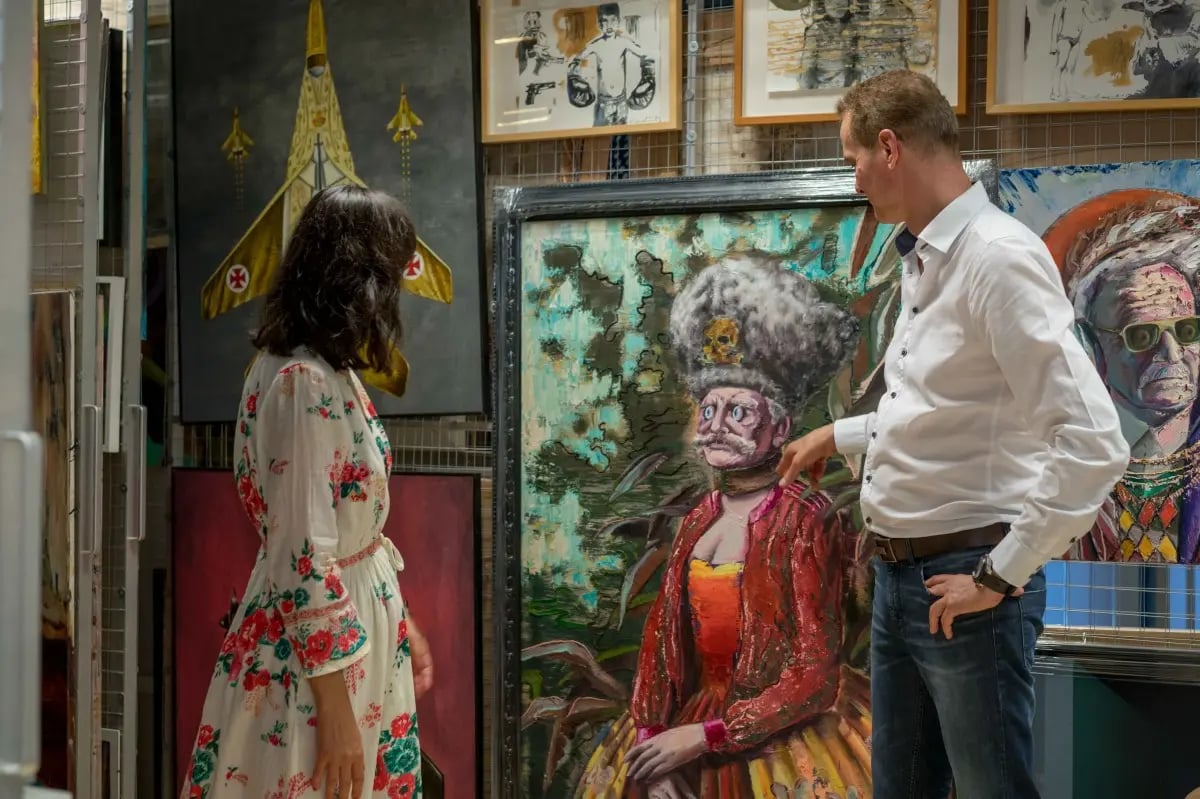
The art I collect is a reflection of myself. I believe that with everything. The business you develop, the art you like - all this reflects the character of man. Besides, my office is several floors above the atelier and it is my extra convenience. I always go there when I need to ponder, concentrate or relax. One of the biggest problems for collectors is that they have works that are hard to see all at once. The system on which things are arranged in my landfill allows me to enjoy all my collections. I could re-arrange, group by type of art, shuffle. For me, the purpose of collectibles is not simply to own it or to measure its value, namely to enjoy it.
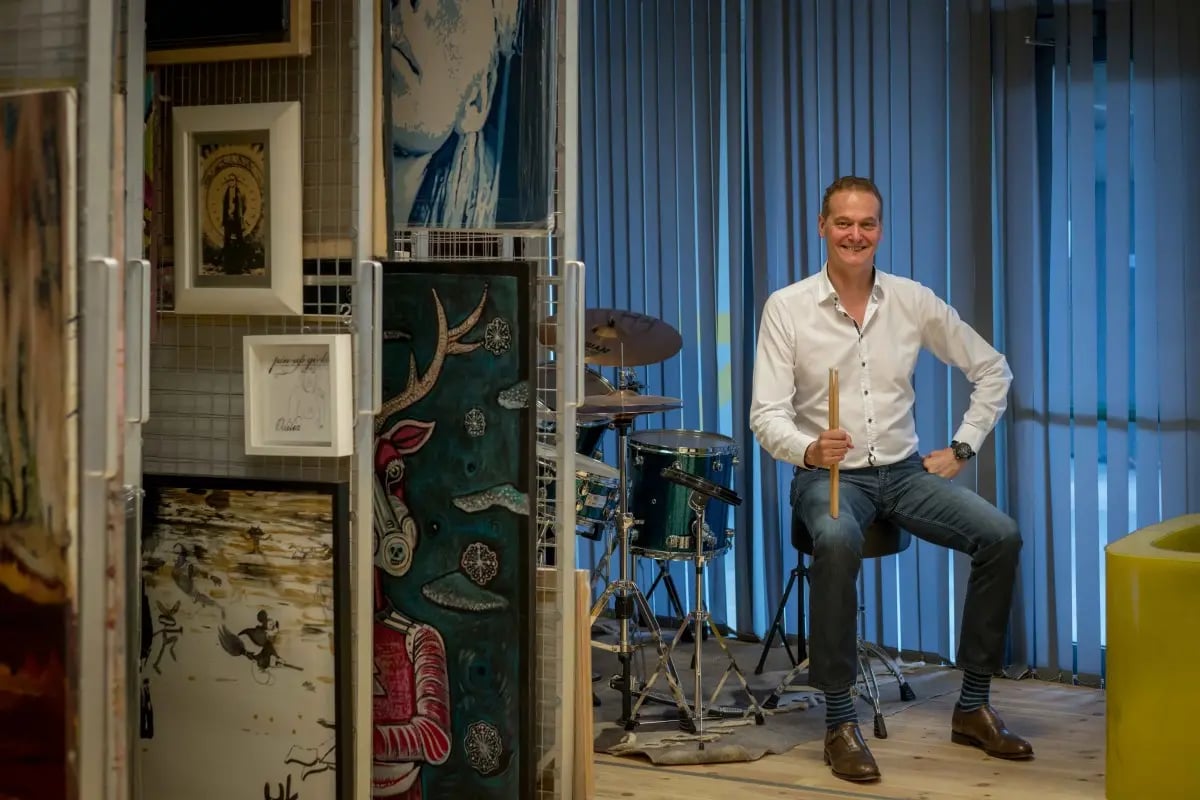
I'm still learning to play. I'm not at the level of Edmond Demirdjian, who was an incredible professional. This is one of my childhood dreams, which when you work actively, you have no time to accomplish. I started to develop this hobby two years ago and undoubtedly gives me great pleasure.
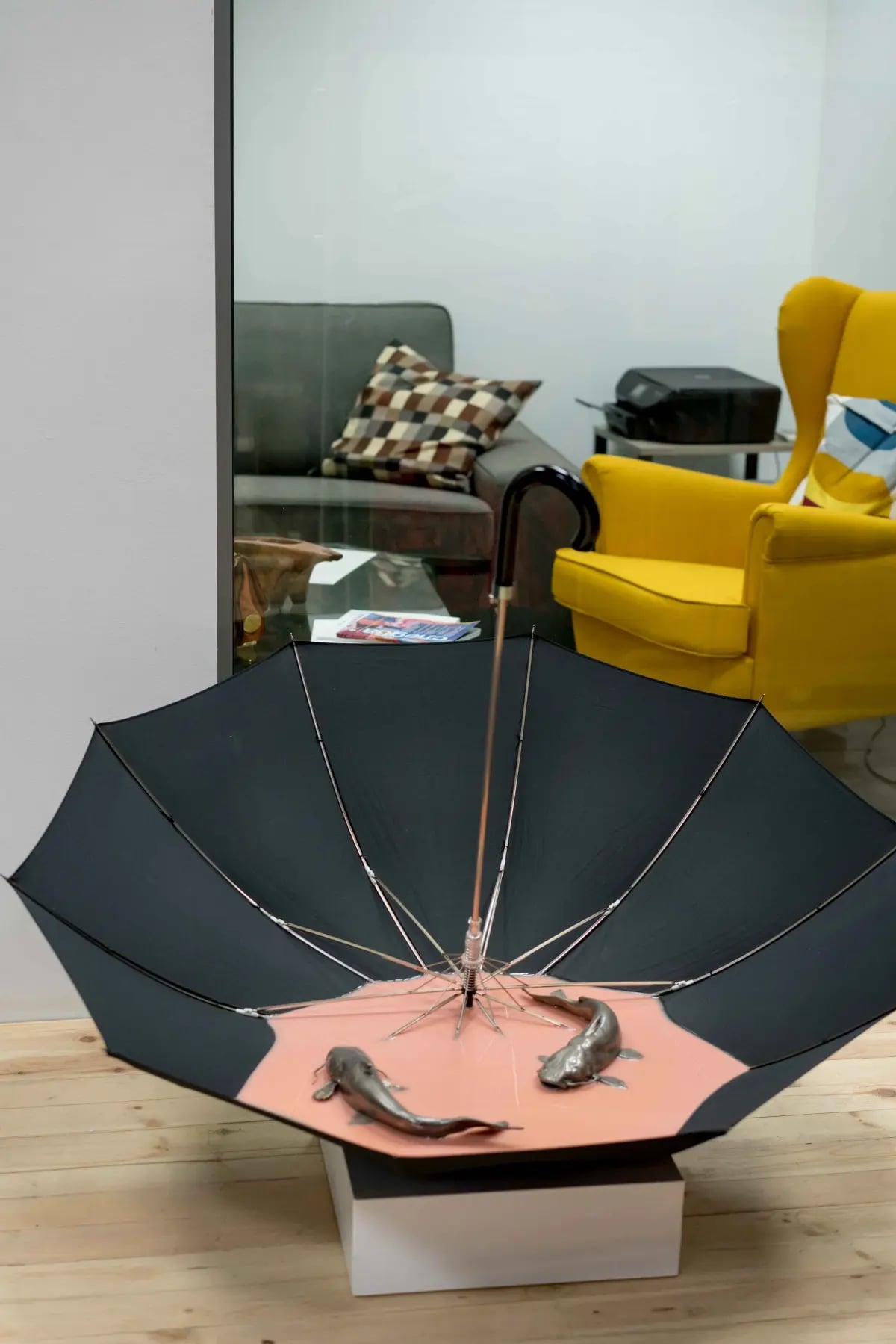
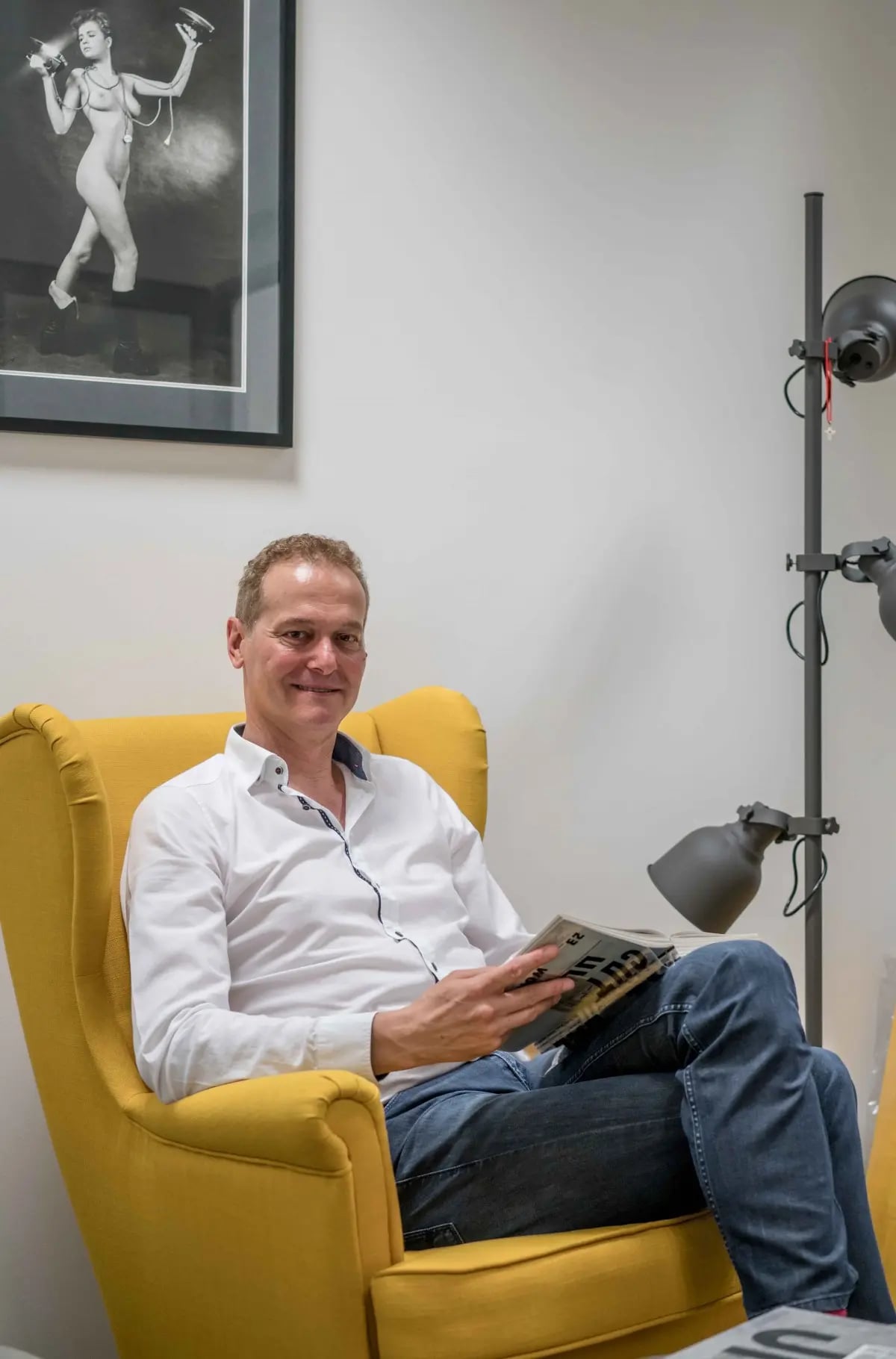
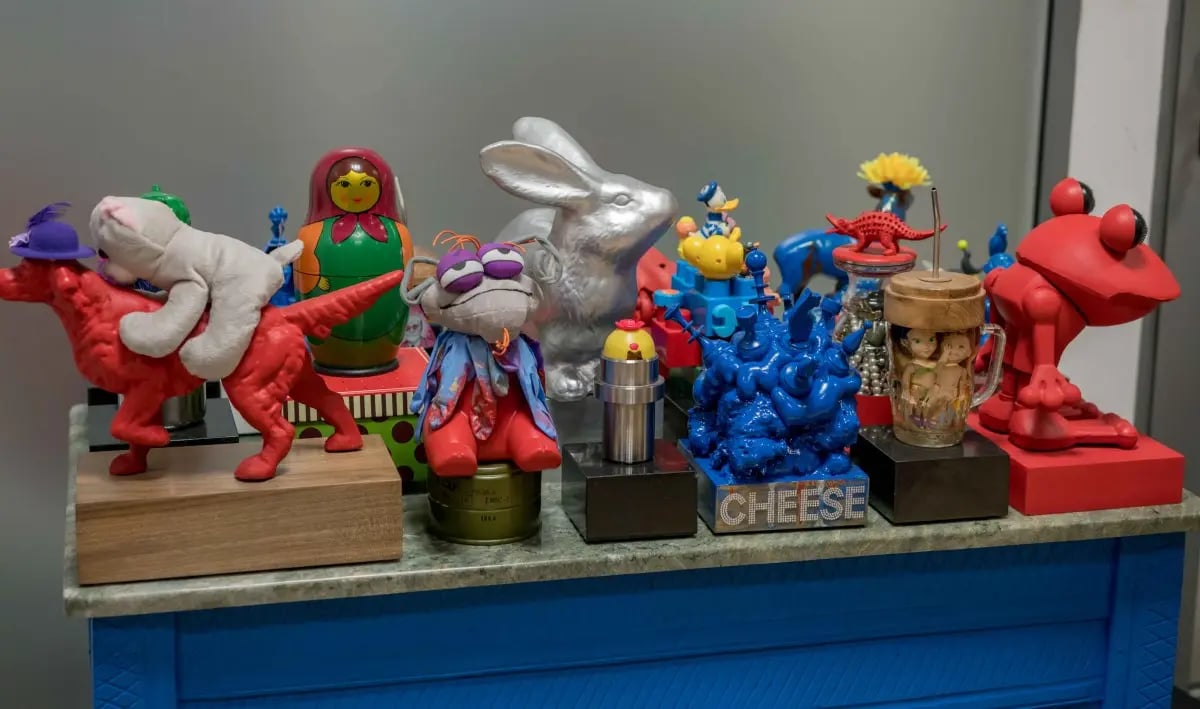
I also use the reading room as a place where I welcome guests. I'm going there when I want to be alone. Apart from books, I have also collected artifacts, interesting works by Class Oldenburg and other world names such as Sergey Borisov and Vikenti Komitski, with whom we have worked together.
Your landfill is very much like a capsule of time. It looks like your self-portrait.
Everything we talk and do, tells us what we are. This depot reflects the evolution of my taste. Although my father is an artist, I never imagined that I would be a collector, as I can actually call myself since 2010. At home we were surrounded by paintings by John Nediev, Georgi Bozhilov - Elephant, dozens of friends and colleagues of my father.
The reason to become a collector is very interesting for me, because it is related to a great friend of mine who is no longer among the living - Kolyo Karamfilov. The story dates from the distant 1990-91 when the gallery of the Plovdiv artists was closed. In it Kolyo Karamfilov has exhibited some large color graphics with the title "Water Spirit", which made me extremely impressed. Then I did not have the financial possibilities, nor the taste, even the courage, to acquire such a thing. Twenty years later I contacted an acquaintance and asked to meet me with Kolyo. We saw it, I explained to him that these graphics have become something like a fetish for me and I really want to buy them. As a typical artist, Kolyo was a proponent of the chaos, had changed several rooms, and replied that he honestly did not know where these charts were. After a week he called me, showed me other works that I also liked and so met. Kolyo was a "nuclear powerhouse" for ideas, not only in the field of fine arts. He wrote great, sang, directed, and was also a screenwriter. He worked hard because he needed it, but also because his son, Rosen Karamfilov, suffered from cerebral palsy and had to be treated. Before one of his exhibitions he called me and invited me to the studio to look at the new things. He gave me advice on what was best for me, we discussed elements and details in art, recommended other artists, it was a pleasure to be in his company. And so for several years until I noticed that I have already collected 15 of his works. It kicked off collectibles in me. So I began to build up, to go deep, to look for recommendations, to connect with art galleries and artists.
Can you describe the pleasure of collecting? When does it most manifest - before you buy the work, once you have it, when you remember it at a time? Where is the collector's pleasure?
I'm an inquisitive person. One of my main engines is to do and understand new things. Even when I was little, I asked questions that were irritating at times: "Why is the moon shining? Why bloom the fruit? " (laughing). Therefore, the pleasure for me in collecting lies in the study and understanding of the work. I want to know the story of the author, the reasons for the creation of the work, to feel that I have found some sort of find as a real detective. If I have to answer specifically - I enjoy more pleasure before buying the work in the process of exploring it.
Another very interesting niche of my collectible interest is the Bulgarian avant-garde from the beginning to the 1950s - many well-known personalities, who have met with manifesto like Kandinsky, Archipenko. I like Mircho Kaculev, Kiro Krastev, Anna-Lyulya Praun, Geo Milev, Ivan Abrashev, Ivan Boyadzhiev, Dyulgerov. I believe that these are people who can change the discourse of Bulgarian art. There is a story, a find, a context to follow. I plan to make an exhibition on "Bulgarian avant-garde" next year, which I think will be a sign, because it will give another insight into the level and achievements of the fine arts.
In my opinion, at one point the boundaries between collectors, artists, art dealers, art galleys and artists are blurring; when we feel that we all do something together, and that's exactly the niche where we make the change. This is an important environment of trust that is lacking in the traditional galley-author, collector-author relationship. This I noticed in your approach at the first exhibition, which made "Image and likeness - 77 self portraits". Then did you realize this "mission" of a collector?
I realized it when people began to give me feedback. It gave me the confidence that I was doing the right things. One of the focus in my collection is self portraits. I see that this brings pleasure to the visitors and they appreciate my initiative.
I agree that art should not be divided - to collect only contemporary or only avant-garde art. In our gallery we work mostly with young authors, but we also have this rediscovery line, where are Sirma Sarafova, Albena Mihaylova, Sasho Stoitzov ... What is the difference between having contemporary art and having art of authors who are no longer among the living - avant-garde or classical art?
I would say that my main focus is contemporary art. The part with the pleasure of the discovery we were talking about is much more prominent, because the other art is already known everywhere on the market. That's how it came to Sirma Sarafova, which I learned from you. It turned out that these are unique works that fit me very much. In addition, by buying such works, you help live people continue to develop their art and show that you appreciate and like their labor. By investing in young authors, it is much more likely that they will become a world name. The old masters are what they have been and it is quite possible to reach the European level. The advantage of collecting works by contemporary authors is that you can communicate directly with them, tell you everything they care about. Unfortunately, in Bulgaria are sold works of the old masters, which are fakes and this is also a distinctive feature between the classical and the contemporary art.
I would add that modern art is more related to "living life". It makes you travel, go to the Venice Biennale, Artbazel, at fairs, meet collectors, galleryists, dynamic people with similar interests. But when you put contemporary art in your home, be it installation, object or neon, you're more involved with it than with a picture of the classic landscape. Contemporary art creates dialogue and is a kind of challenge. How do you choose the works you buy? Watch galleries, visit fairs, read catalogs ... How long does it take? What would you recommend to a person who hesitates what to buy - contemporary or classical art?
First of all, to read a lot. I read actively literature related to art. She gives you the context, trains the thought and the eye, informs you what art is and what not, because the boundary between kitsch and imitation and high art is very thin. For me, it is important that the picture talk to me, I do not buy it to sell it again. This is part of my current needs. Some jump with parachutes, others fly with fast cars, I'm happy to collect. Then, when I like a piece, I begin to read about it, to understand relationships, influences, forms. The next step is communicating with artists and galleryists. When the season is active, I attend 3-4 exhibitions a week, and it also happens 2 in a day. By communicating with the authors of the works, I add depth to what I have from them. And that gives value. I keep my watch on world art, for example in Cologne, Basel, Vienna, Moscow, Miami, Boston ... Such places create culture and criteria; give your balance, enlarge your horizons, enrich your taste...
I read an interview with you saying: "Act fast, make mistakes, quickly learn from your mistakes quickly and act again quickly." Did you make mistakes in collecting and where did they lead you?
Yes, I keep doing. I've bought things that now, when I look at them, I ask, "What have I seen in this?" But I find it very useful - I analyze mistakes and learn my lessons. This is an unchanging process. I do not know a person who makes no mistakes, even big collectors like Pinot. This is education. I read constantly, I get better, I see it in my criteria. Now I am very different from my way of thinking and perceptions of what I was 3 or 5 years ago. That's why I'm not afraid of mistakes.
Should a man be wealthy to be a collector? What would he recommend to someone who has limited finances but really wants to own works of art?
First, attend exhibitions. Second, get to know the author. Meet him, explain that he really likes his art, but he has no options. The author would certainly be inclined to compromise when he sees it as being properly appreciated and the buyer has a pure urge and interest. Third, you need to set up a certain budget. This is a simple principle that works. He has to allocate his finances by months and decide how much he can spend on collections, how much he can not reach, or how much he can save.
That's right. We, the galleys, would also give us payouts to educate a future collector and burn it. If I am a young galley or a young artist, how could I get your attention? What will make you buy something from me?
And since the interview is for the Unique Estates Life magazine that is being developed in the luxury homes, can you describe what the dream house is for you?
A mandatory condition is to be outside Sofia, but very close to it - not more than 10-15 km, in a clean and peaceful place. I would like to have a huge living room with French windows looking out onto a landscaped garden with a water mirror with a work of art that will be fashionable - part of the zen experience of the patio. The house must have at least 4 bedrooms, a study where I can sit, concentrate, read, play drums ... I want to be located near a mineral pool and beautiful scenery. For me the ideal house is between 350-400 square meters because I am not a fan of the huge things. I'm a meloman, so I want to have a nice sound system, barbecue, where to meet friends and have fun. Actually, I am currently building this dream house in Bankya.
Sounds fabulous. Will there be art in the house?
Of course there will be. And because the house will be modern, there will be only modern art. In my apartment in Sofia I have an eclectic art, but the house will be only for contemporary art, carefully arranged in separate sections.
Will there be a room to watch a video or something like a "darn ruum"?
I did not think, but it is possible. I'm an open person, so every idea is welcome. Maybe I would make a video library.
What else do you collect besides art?
I had just started on the clocks and collected about 20 copies. I am a man of aesthetics, and for me the broadcast is important. But I realized I was more pleased with the art and the paintings I could enjoy.
And now I have a question about you: How do you manage to combine so many activities? Do you have time to finish everything or are you lagging behind some plans?
I often ask this question. I am highly organized and I love infinitely much love in what I do. I never give up. I get in touch with a lot of interesting people I'm working with. I am stubborn and constant, and so my things are getting.
Read more from category Lifestyle
Club Class: The Planet’s Greatest Golf Courses
 23/09/2026
 Lifestyle
 Unique Estates
Christie’s Private Sales: The Picture of Confidentiality
22/09/2026LifestyleUnique Estates
Beyond the Pitch: 4 Distinctive Residences in Spain and Argentina
20/07/2026LifestyleUnique Estates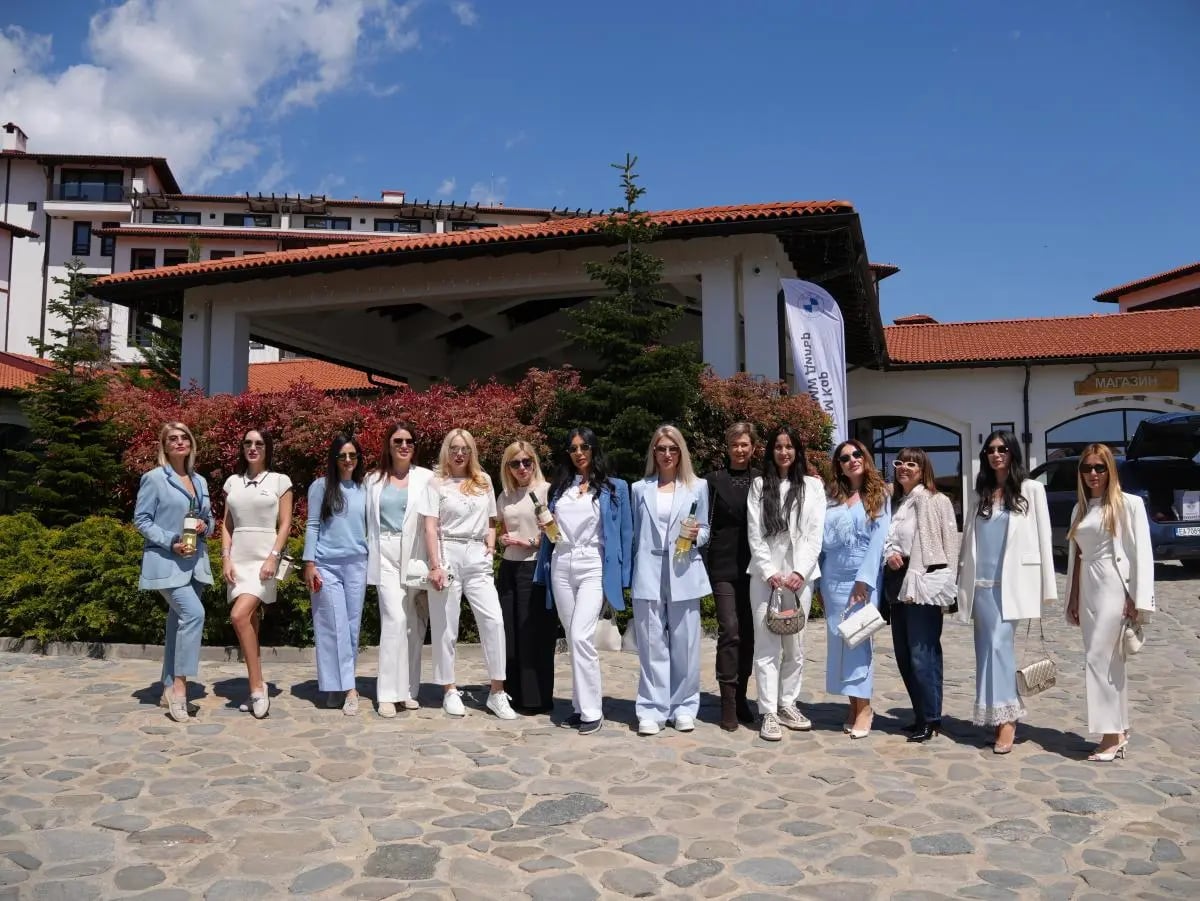
Unique Estates Life – Media Partner of BMW Ladies’ Spring Drive
30/04/2026LifestyleLora PetrovaYou can find a gated community at the seaside on the websites of real estate agencies. Unique Estates offers luxury gated communities at the seaside. Explore our collection of gated communities and find the perfect one that suits your preferences.
 Call us