22/04/2026
Architecture

American architect Frank Lloyd Wright once posited that “no house should ever be on a hill or on anything. It should be of the hill. Belonging to it. Hill and house should live together, each the happier for the other.”
This ethos of belonging finds a timely resonance in the celebration of Earth Day on April 22. What began in 1970 as a grassroots call for environmental stewardship has matured into a global reflection on how we inhabit our planet.
In the realm of architecture, today’s most inspired residences do not merely occupy a site; they respond to it. Across the globe, the concept of “living with nature” has ascended beyond a design trend to become a primary luxury — one that prioritizes the rustle of ancient forests, the rhythm of the tides, and the unfiltered clarity of mountain air as the most essential of amenities.
Herewith, Luxury Defined presents a collection of estates that honor the spirit of Earth Day, offering a sanctuary where high design meets the profound presence of the great outdoors.
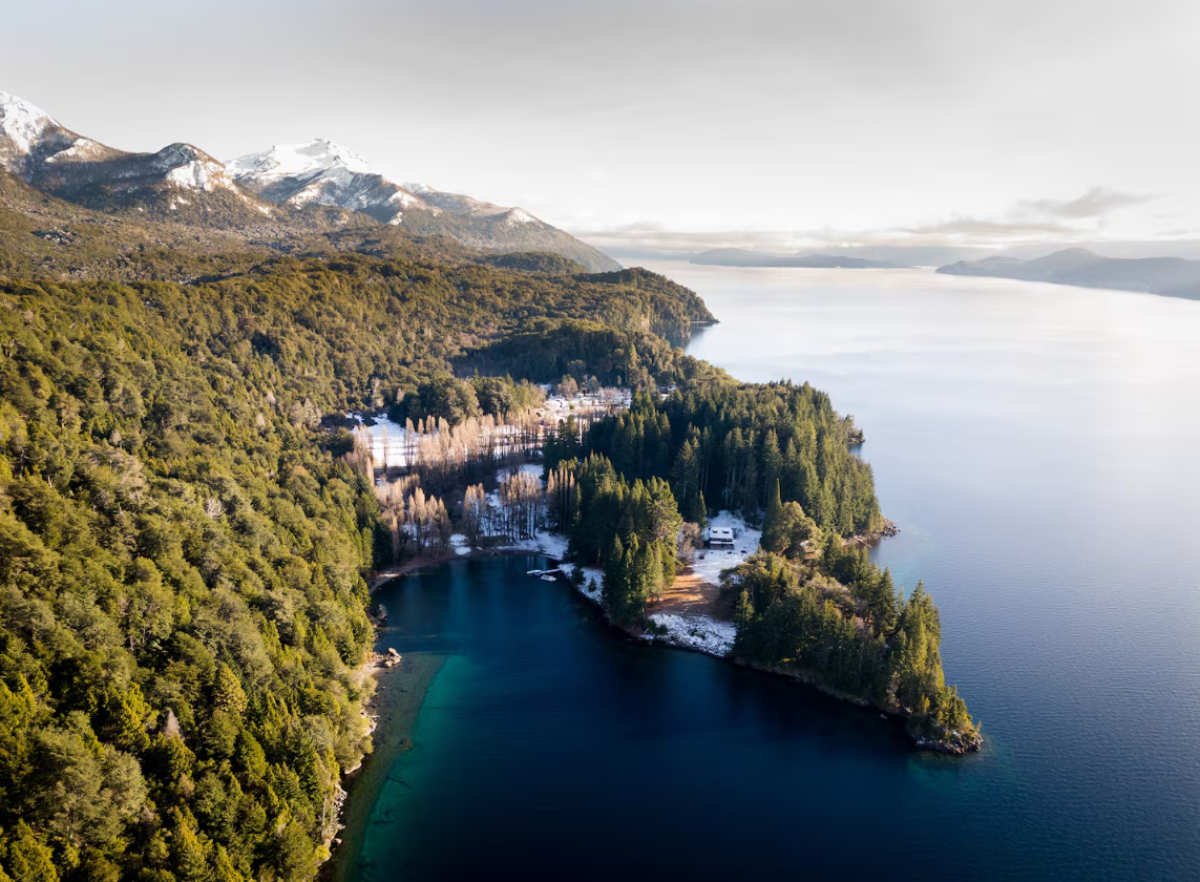
Nestled in the heart of Nahuel Huapí National Park, Puerto Tigre is a 1,544-acre (625-hectare) retreat that embodies the untouched beauty of the Argentine wilderness. Accessible only by boat, the estate occupies an emblematic bay with more than two kilometers of peaceful shoreline.
The landscape encompasses lagoons and surrounding marshes, meadows, and varied native and exotic vegetation. Streams, springs, and waterfalls run through the terrain, while the source of the picturesque Millaqueo River crosses the property. This diverse ecosystem provides a rich habitat for wildlife such as deer, wild boar, foxes and hares, and also serves as one of the most significant bird observatories in Patagonia.
At the water’s edge, the main residence and two caretakers’ cottages sit quietly within the terrain. Dating back to 1910, these structures have been maintained in their original state and are complemented by two single-family homes added over the last decade.
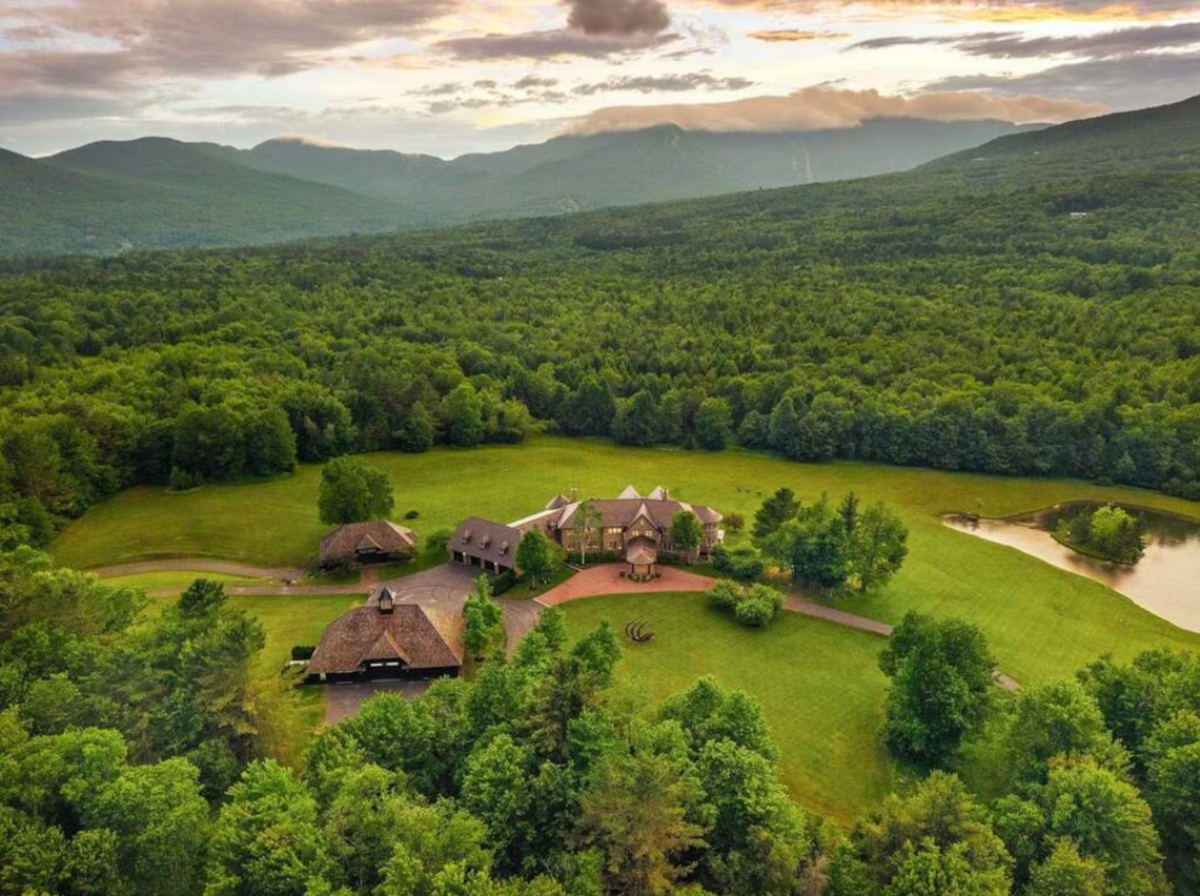
Reminiscent of a grand European country estate, Pristine Meadow spans 110 acres in Stowe, Vermont, the storied “Ski Capital of the East.” The scenic grounds consist of rolling meadows, mature woodlands, a swimming pond, and hiking and skiing trails that shift with the seasons.
Inside, the six-bedroom residence extends across 14,000 square feet, with interiors characterized by Italian influences and magnificent millwork. Highlights of the main level include a state-of-the-art Boffi kitchen, a breakfast room with a solarium, a wood-paneled study, and a double-height great room framing stunning vistas.
Among the standout features is an indoor pool that evokes an Italian palazzo, a showcase of craftsmanship with hand-laid tile and beautiful travertine. Rounding out the amenities are a four-bay garage, car barn, fitness room, wine room, and an unfinished cottage.
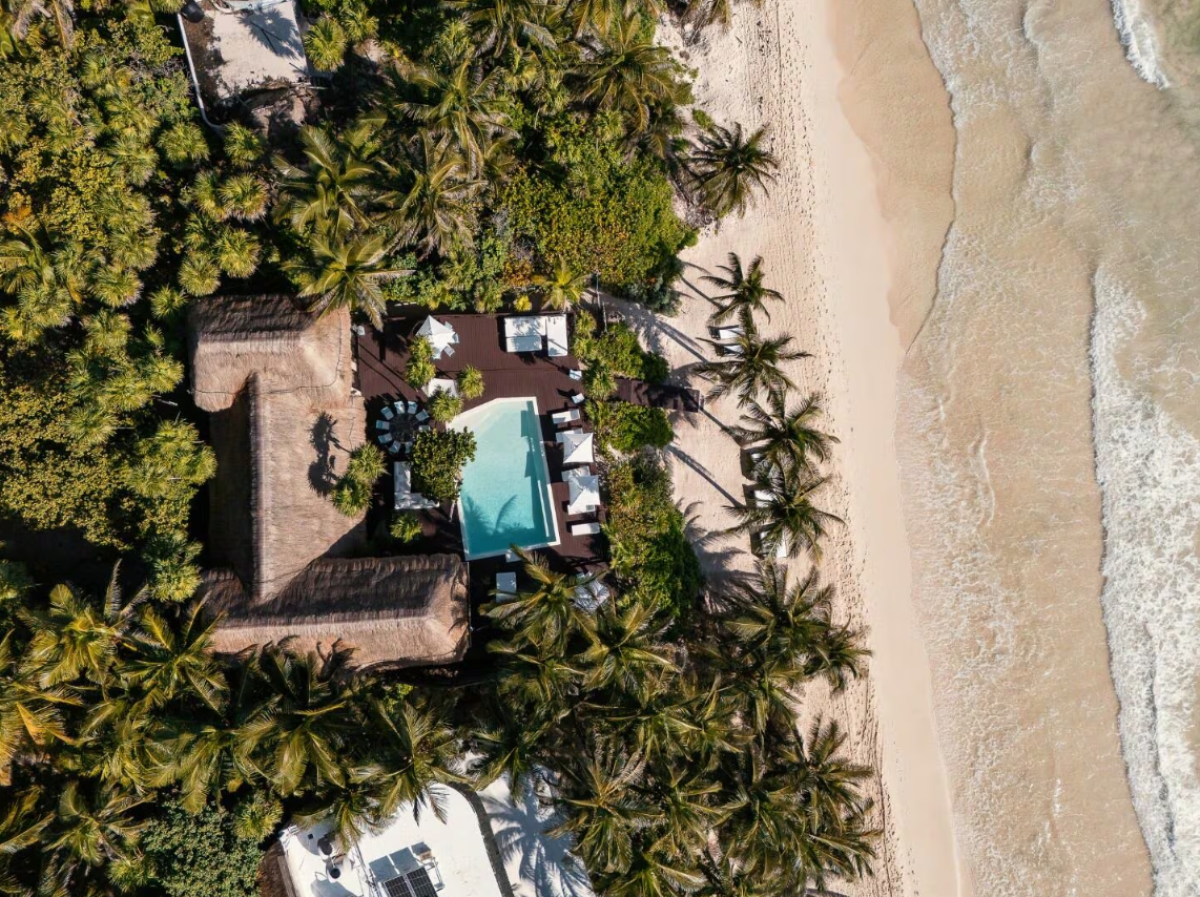
Located on a coveted stretch of beachfront in the Tulum Hotel Zone, Casa Chic offers a rare environmental privilege, sitting just 328 feet (100 meters) from the entrance of the Sian Ka’an Biosphere Reserve. This UNESCO-designated sanctuary provides a backdrop of untouched coastline and ecological diversity that anchors the villa’s serene atmosphere.
The estate features over 80 feet of private frontage on the Caribbean Sea, where the five-bedroom main residence and two-bedroom guest villa are designed for seamless indoor-outdoor living. High-vaulted palapa roofs and natural materials define the interiors, which lead to an expansive deck with lounge areas surrounding the pool.
There is also extraordinary potential for expansion. With new local regulations allowing for an additional level, the estate is well positioned for commercial possibilities, including the development of a boutique hospitality concept that honors the character of the Tulum shoreline.
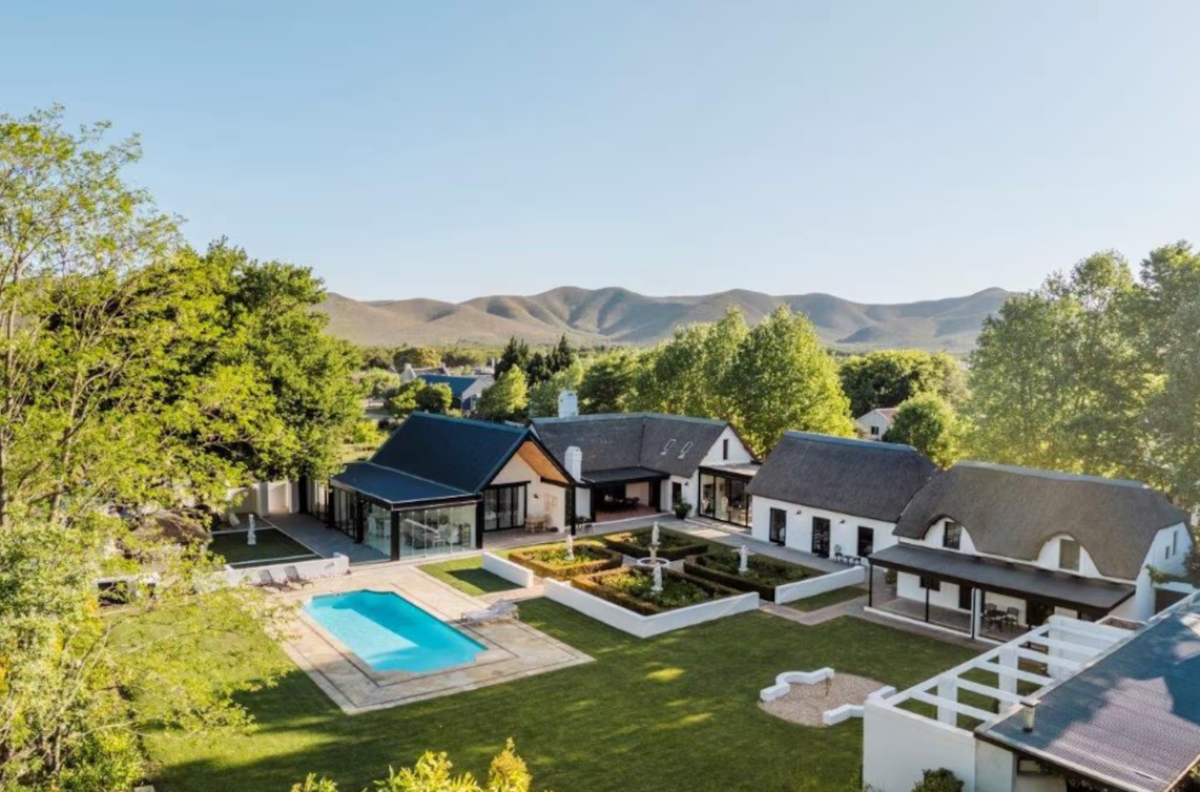
In the village of Greyton, at the foothills of the Riviersonderend Mountains, Champagne-on-Oak lies approximately 140 kilometers (86 miles) from Cape Town, South Africa. Its name derives from the Champagne-colored water that flows along the river to the east and the canal to the west.
The property blends original thatched structures with contemporary glazed steel elements inspired by the acclaimed BOSJES farm. Beneath grand log beams, the main residence features a kitchen and an adjacent double-volume lounge and dining area. Additional accommodations include five en-suite guest cottages positioned along the riverside garden.
A 164-foot (50-meter) river walkway leads to seating areas along the water, while a swimming pool offers another relaxing setting to enjoy the sights and sounds of the outdoors. Throughout the property, views extend toward the surrounding mountains and shifting cloud formations.
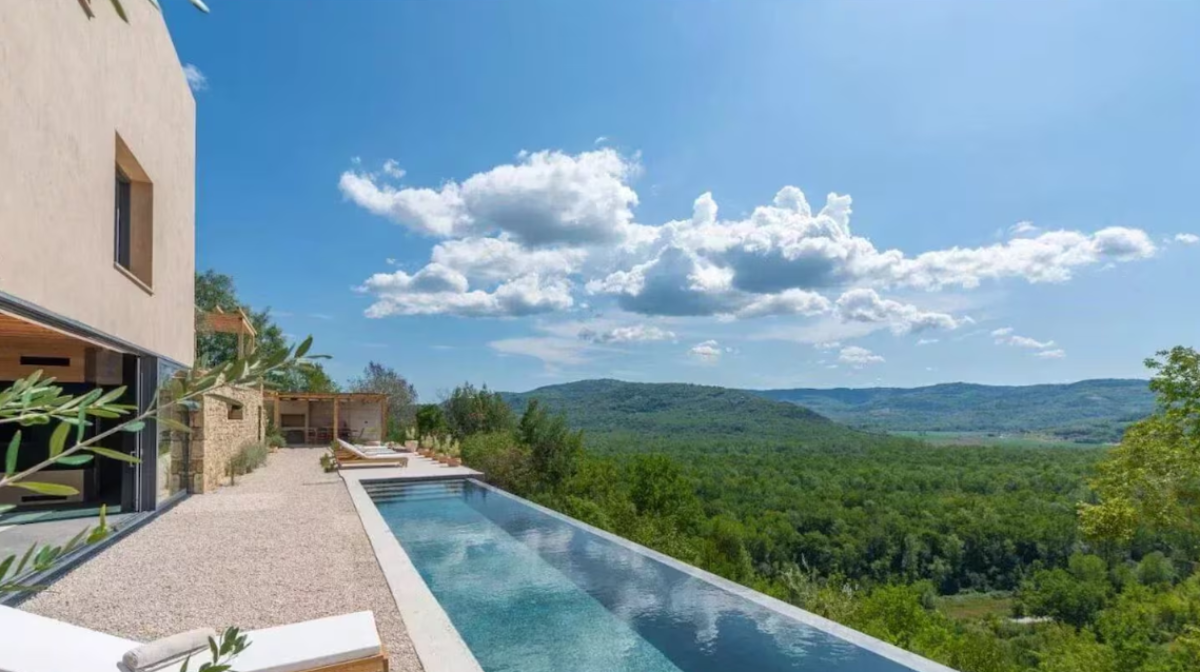
Perched on a hilltop, this 2,659-square-foot (247-square-meter) villa overlooks the rolling landscape of Central Istria. The region, often referred to as the “Tuscany of Croatia,” is distinguished by its medieval towns, fine wine, and a culinary tradition shaped by truffles and olive oil.
The architecture combines clean, modern lines with traditional elements. At its heart is an open-concept ground floor, where the kitchen, living and dining areas open to a spacious terrace with an infinity pool. This level also includes a spa area with a sauna and jacuzzi. Upstairs are four en-suite bedrooms arranged across two floors.
Set on a sprawling 3.45-acre (1.4-hectare) plot, the estate is a secluded haven. Beyond the sundeck and alfresco dining area, the acreage dissolves into a quiet expanse of vineyards and fields, offering a profound connection to the Istrian terrain while remaining within reach of the region’s acclaimed wineries and restaurants.
© Copyright 2026 Unique Estates. All rights reserved.