03/05/2026
Lifestyle

Hong Kong doesn’t shout about its intrinsic grandeur. This is a city that has always understood discretion—not just in what you own, but in the events and spaces you’re invited to. A fashion fitting in a warehouse, a tasting inside a Michelin-starred kitchen, a party in a grand house that most people will never have heard of… exclusivity here isn’t about excess, but intimacy, access, and the art of knowing where to look. Here, we ask those in the know to reveal what elite living really looks like—Hong Kong style.
Steve Leung, Architect, interior designer and founder, Steve Leung Design Group
In Hong Kong, it’s not about how big or how expensive a home is. It’s about whether it’s comfortable or cozy. People are moving away from buying homes or renovating just to show off.
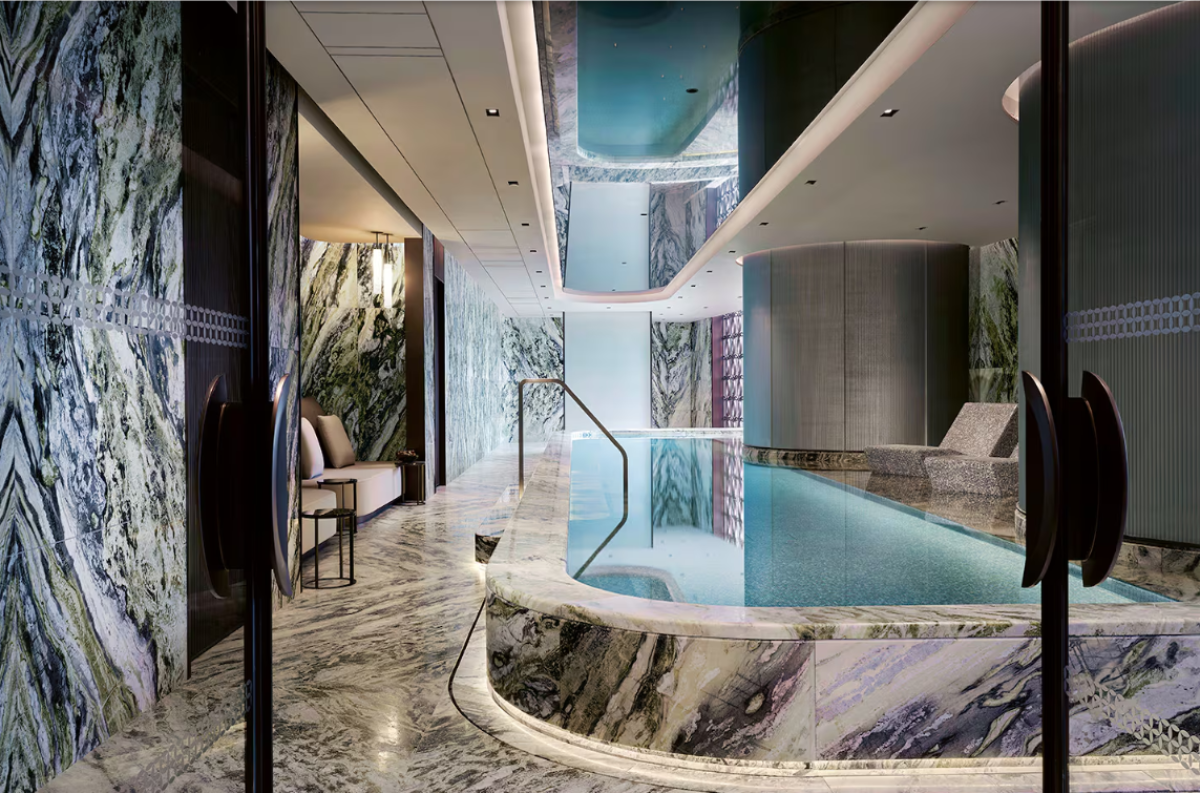
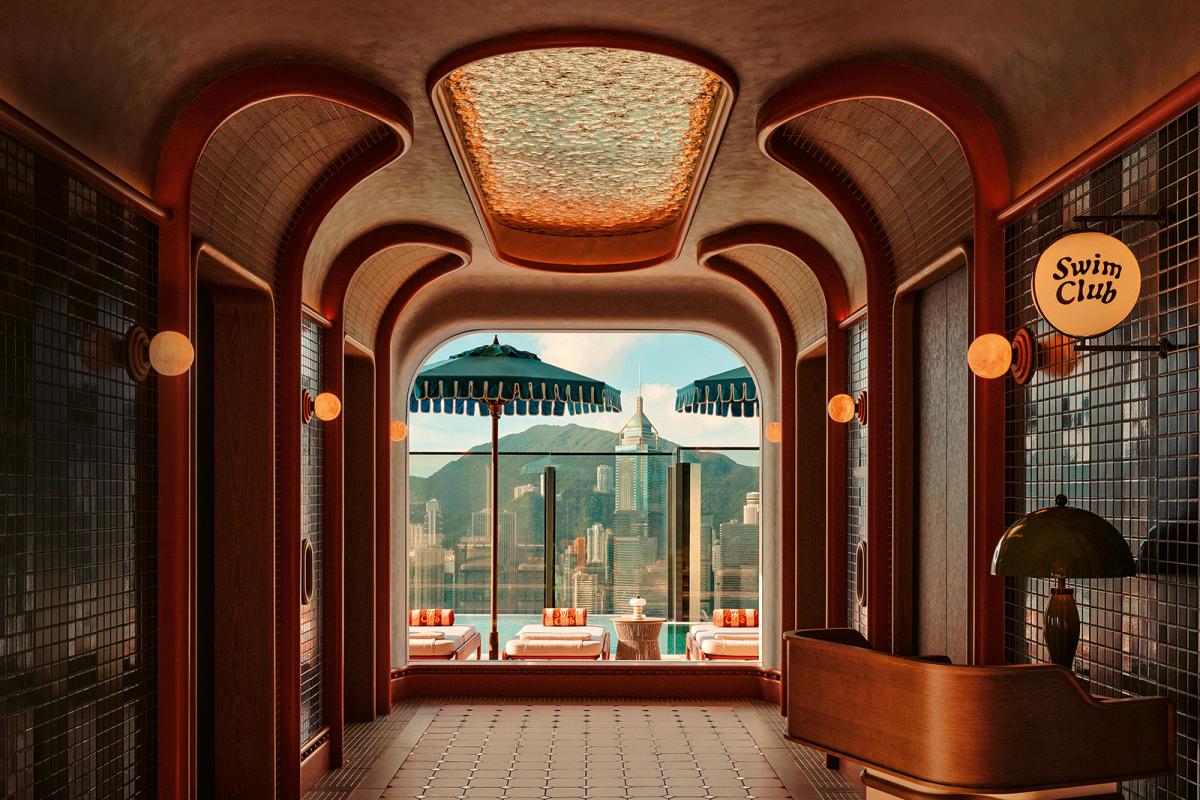
We just completed the Swim Club at the Kimpton Tsim Sha Tsui Hong Kong hotel. As far as I know, there hasn’t been anything quite like this in Hong Kong before. At first, we thought just making it elegant and exotic would be enough—but we felt it needed to be more fun, with a bit of a retro vibe.
I like Club Bâtard at the Pedder Building, a heritage building. It occupies three floors, and there’s a wine cellar connecting all levels. I also go to the Hong Kong Golf and Tennis Academy in Sai Kung. It’s in a rural area, and is sizeable, with tennis, golf, and good restaurants. These clubs aren’t selling typical luxury. I’m talking about luxury redefined.
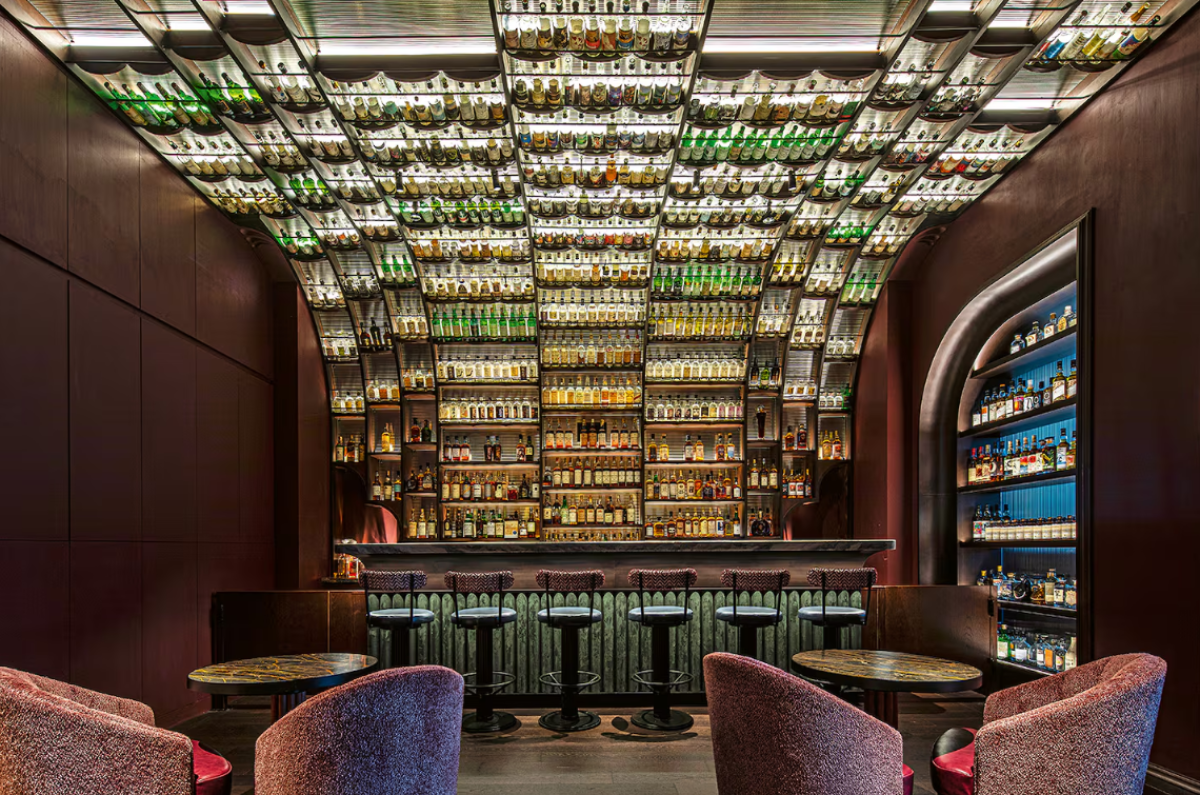
We are facing challenging times in many ways, but look at the success of Bar Leone, ranked number one in The World’s 50 Best Bars 2025. It is Hong Kong’s glory.

Apollo Wong, Chorusmaster, Hong Kong Philharmonic Orchestra
I enjoy being able to experience the making of the arts behind the scenes. You see people who can sing, dance, play instruments; there are wonderful sets and production teams. It’s not common to participate in these behind-the-scenes moments, but sometimes, if you’re bold enough to ask, you might get in.
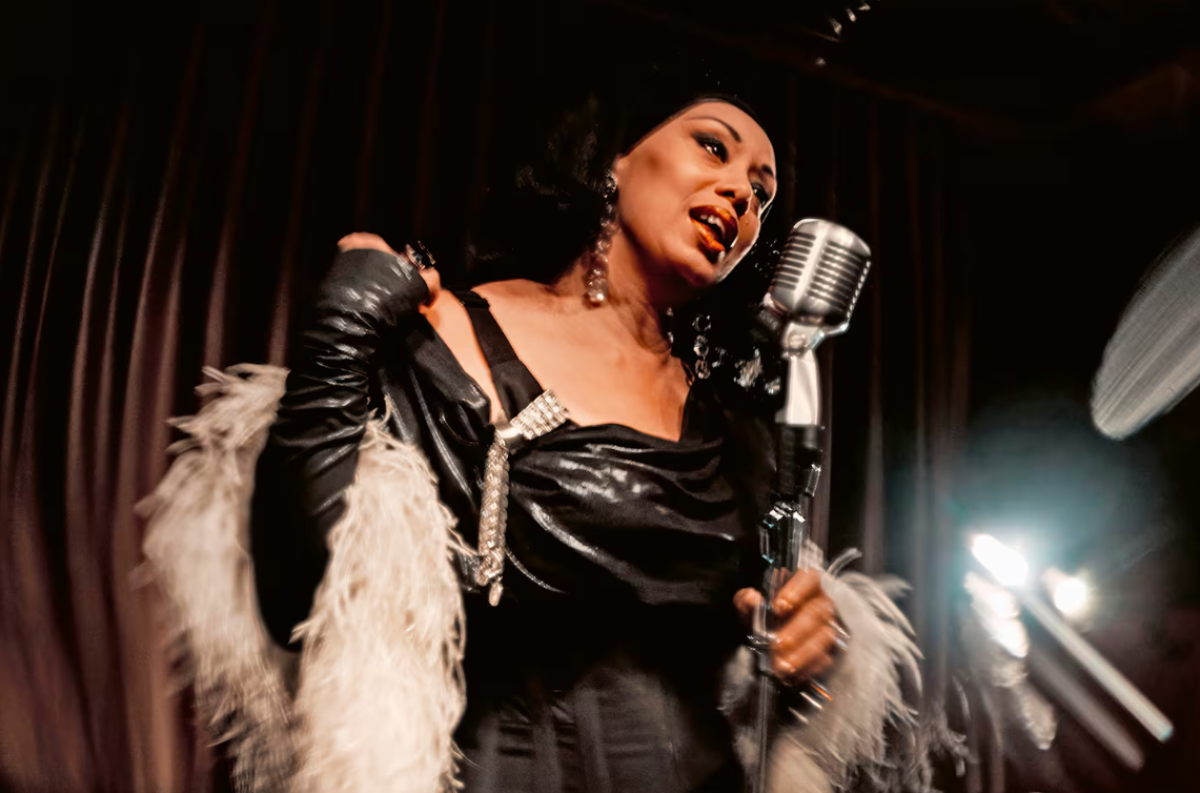
Performances take place at the Grand Hyatt’s Champagne Bar, where there are jazz concerts; Chi Lin Nunnery, which played host to opera related to Buddhist philosophies; and the heritage complex Tai Kwun’s open-air Laundry Steps.
Audiences in Hong Kong are not just looking to see big stars perform; they want more meaning behind the performance.

Sarah Fung, CEO and founder, Hula luxury fashion consignment platform
Hong Kong is a city known for making business connections due to the number of international visitors and its relevance in sectors such as finance and fashion. The people here are well-traveled, ambitious, and excited by new experiences. They are also extremely discerning, so the level of service, creativity, and personalization available has to be high.
I was invited to meet the fashion designer Christopher Esber, who had a pop-up, hosted by the fashion store Beaureguards, at Rosewood Hong Kong’s Glasshouse by Asaya Kitchen. It was a lunch with just 10 guests—very intimate and a wonderful way to chat and connect with Christopher and understand the ethos of the brand. I purchased his first design piece from when he was at school. That story became part of the experience, and something I’ll never forget.
At Hula, we recently relaunched our store in Quarry Bay, rebranding it as HUB. It’s a concept-store environment, which offers a unique space where those shopping for pre-owned fashion can have the same experience—if not better—than for first-hand fashion.
Gen Zers tell me they are only shopping for pre-owned fashion nowadays, as they enjoy the hunt and find interesting pieces. Craftsmanship and scarcity are key.

Cherry Mui, Style and fashion content director, Vogue Hong Kong
Fashion is more accessible than exclusive in Hong Kong, but there have always been personal services for special customers.
At Landmark, there’s the Bespoke Lounge, where brands bring designs directly to the customer. Department store Lane Crawford is proud of its personal shopper styling experience. If you want pieces that are not in Hong Kong, they can fly them in.
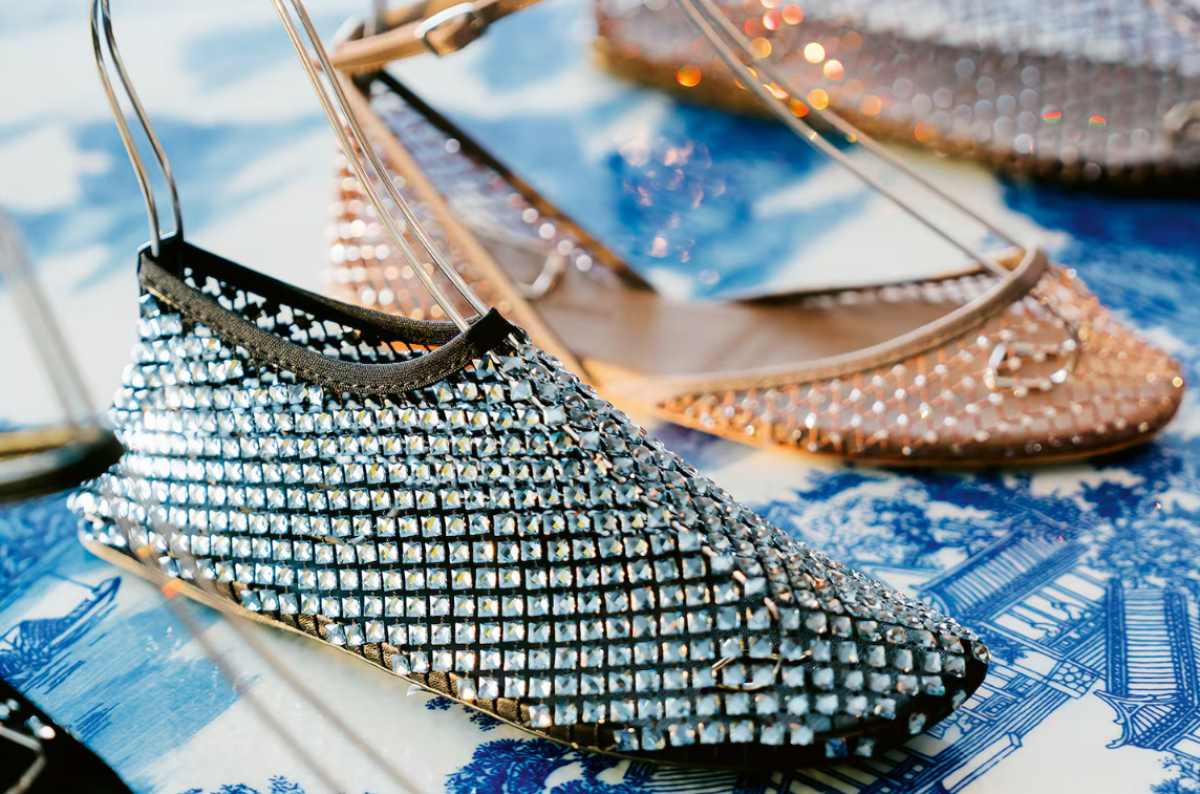
There’s a rising trend of smaller brands having customers go directly to their showrooms. Demo, a gender-fluid brand, does ready-to-wear as well as semi-couture, customized designs for celebrities in concert, and designs for weddings—those require very personal shopping and fitting experiences. For occasionwear, and especially cheongsam [the traditional Chinese dress], there’s Sau Lee, which invites its customers to its warehouse.
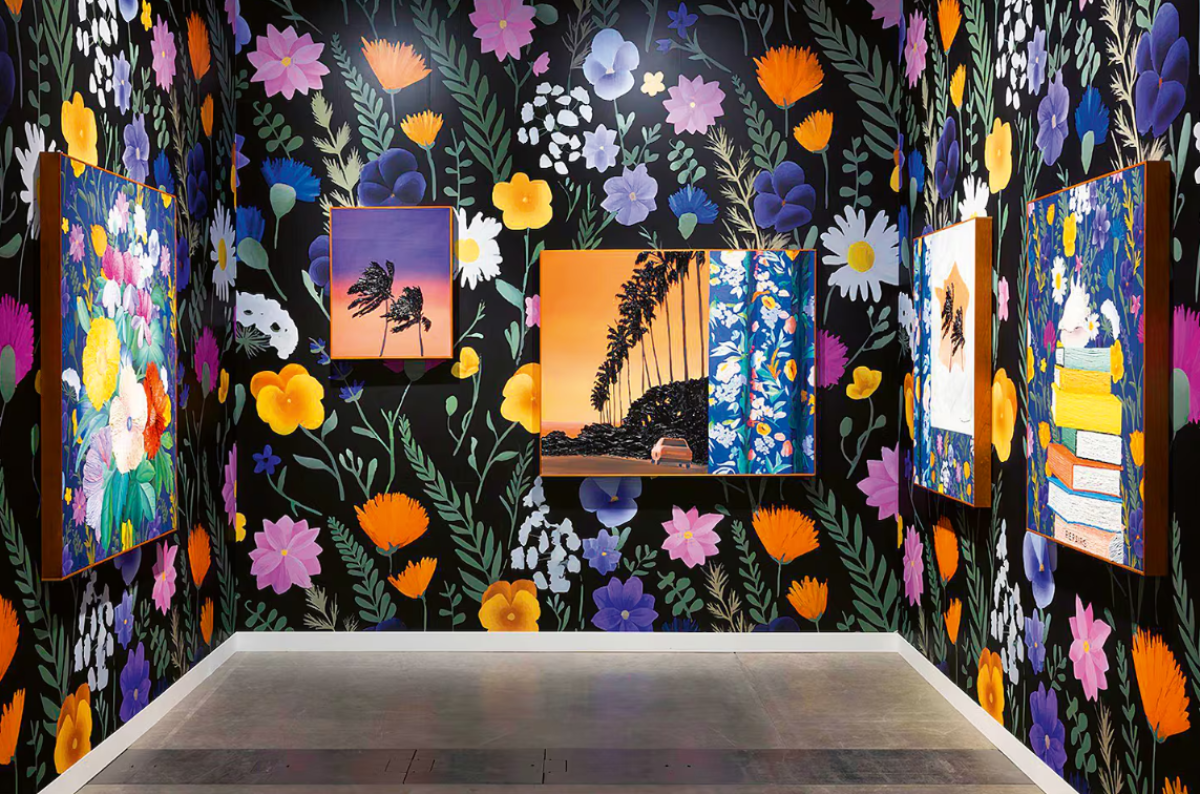
One of the major events in Hong Kong is Art Basel. It’s all about exploring the city’s hidden spots. The Louis Vuitton event in 2025 was one for the books. A mansion on Po Shan Road was transformed into a huge party. By the pool, they had art by Takashi Murakami and a concert with the rapper JP The Wavy. You don’t really get that kind of house party in Hong Kong very often.

Richard Ekkebus, Culinary director, The Landmark Mandarin Oriental, Hong Kong
Roganic [the Michelin-starred Hong Kong outpost of the former London-based restaurant] is well-known for its focus on vegetables and local sourcing. I’ve loved many of its dishes, but in particular its local asparagus recipe, which is so rich in umami. The restaurant’s new location, opened in 2025, features an artful design of upcycled wood.
My aim has always been to create a true sense of place; a cuisine that reflects Hong Kong’s spirit of contrast and connection.
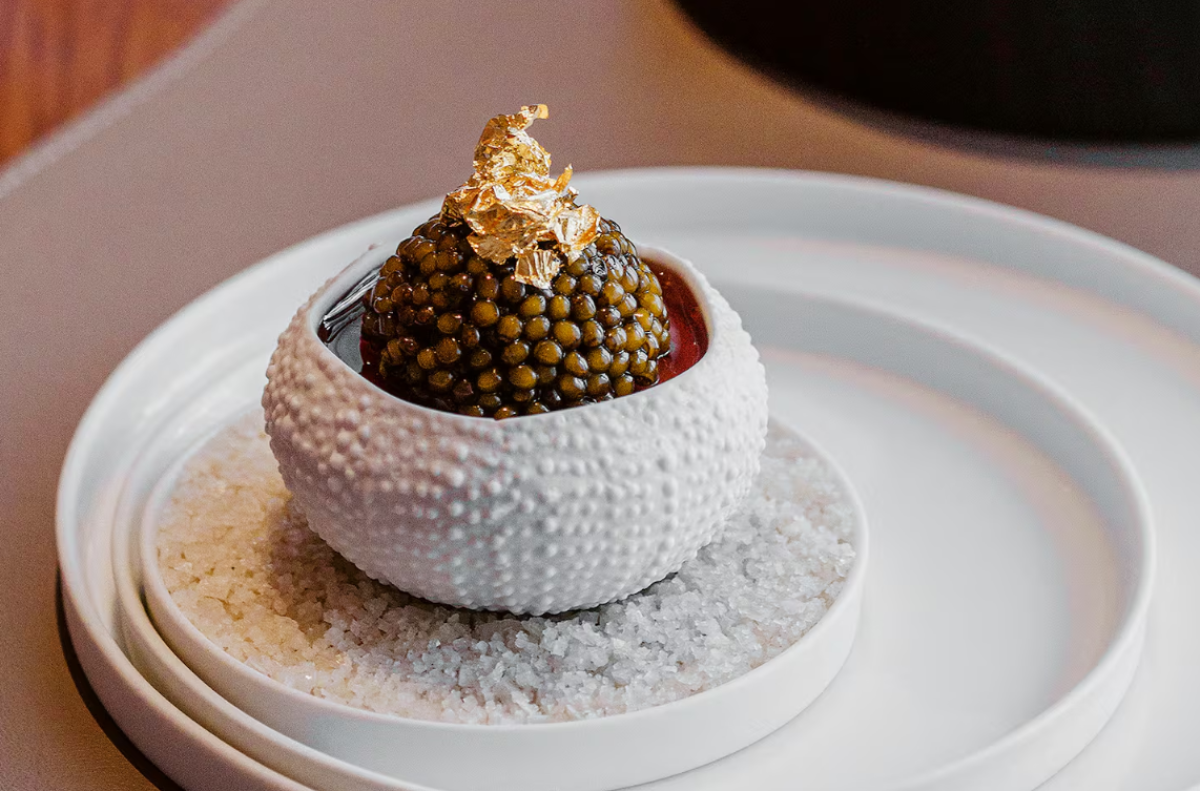
When we began work to reimagine the three-Michelin-starred French fine-dining restaurant, Amber, in 2019, we wanted to dissolve the usual boundaries between the dining room and the creative pulse of the kitchen. Midway through the tasting menu, our guests are invited behind the pass—through what we call the “wall of fame”—into the kitchen, where a dedicated course is prepared before their eyes. Our chefs introduce the ingredients, narrate their provenance, and demonstrate the refined techniques that define our culinary philosophy here.
Our ferments represent a quiet ritual of waiting and discovery, where restraint and respect for time yield flavors of remarkable depth. That patience, to me, is the ultimate expression of refinement.

Samson Law, Executive director, Christie’s International Real Estate Hong Kong
In Hong Kong, developers are very clever. Whatever the initial plans are, they’ll craft a property into something special. They put thought into each one, sourcing amenities and features to elevate it.
At a new project down Castle Road at Mid-Levels, there is a gym bookable by residents, a private spa, a Jacuzzi—even a personal salon. There’s also a function room for entertaining guests.
At Mont Verra on Beacon Hill, some penthouses have private elevators. Upon entering the property, the driveway gives the feel of a five-star hotel—everything is pristine. It’s not just the hardware: their maintenance, staff, and approach are all five-star level. Some homes are so exclusive, the developers don’t entertain the average person for viewings. You have to be a known, reputable person.

Kowloon’s crown jewel
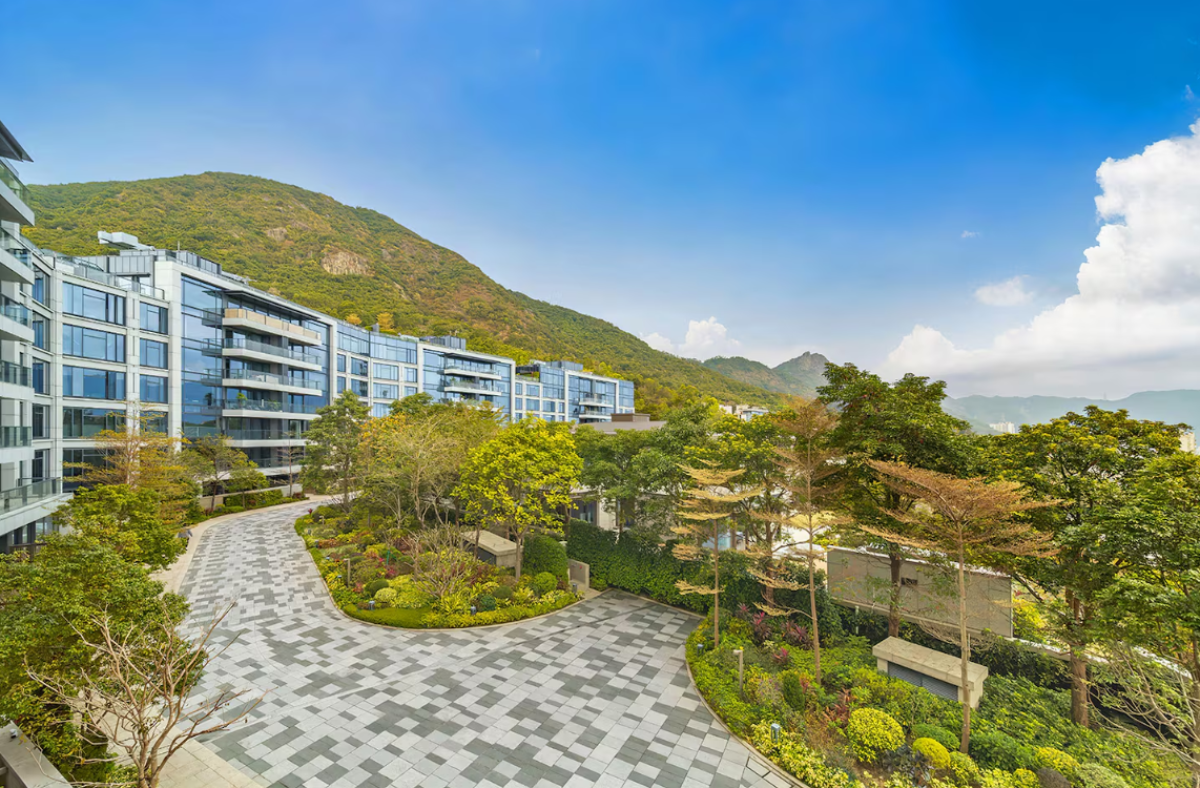
Historically, says realtor Samson Law of Christie’s International Real Estate Hong Kong, the predominantly low-rise villas in Kowloon Tong and Beacon Hill have one disadvantage. Since they were mainly constructed on relatively flat ground, these spacious residences lack the “wow” of a view that the apartments at the nearby, newly built Mont Verra development offer. Built into the hillside where urban Kowloon melts into the green slopes of Beacon Hill and Lion Rock, Mont Verra is unusual for this area in combining ample space with fabulous outlooks.

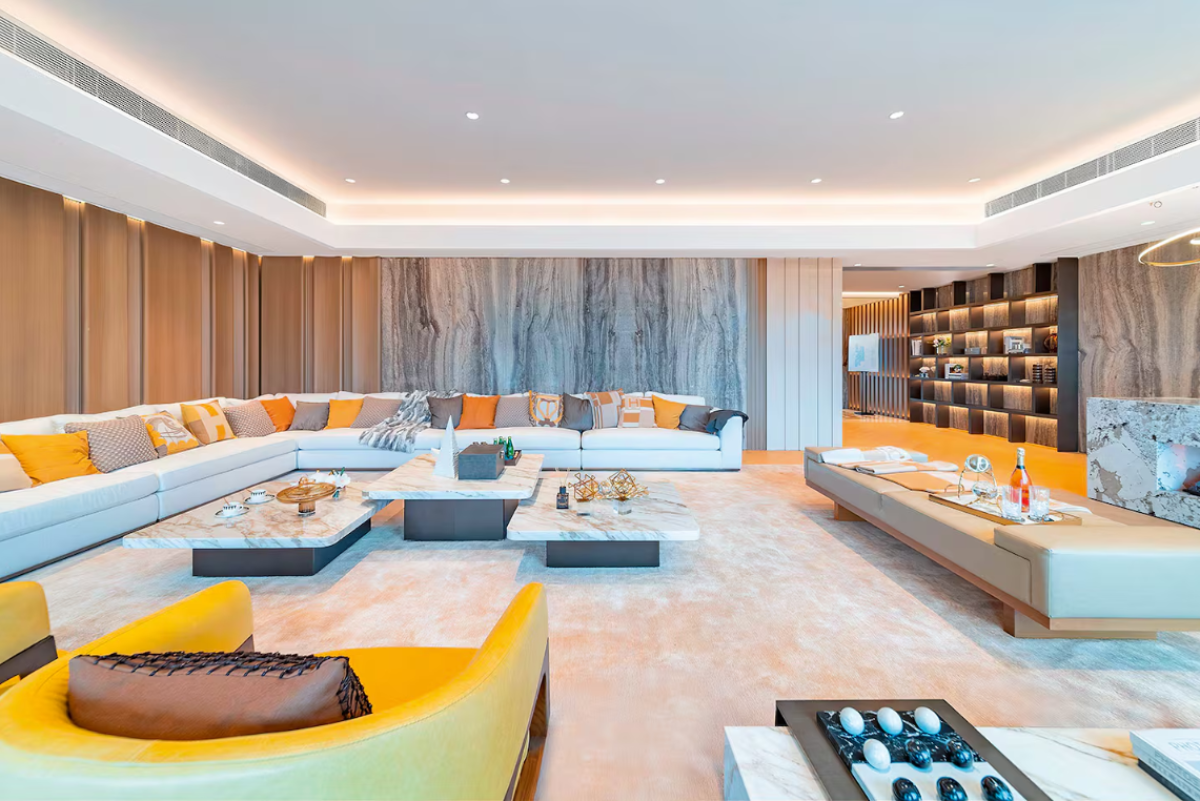
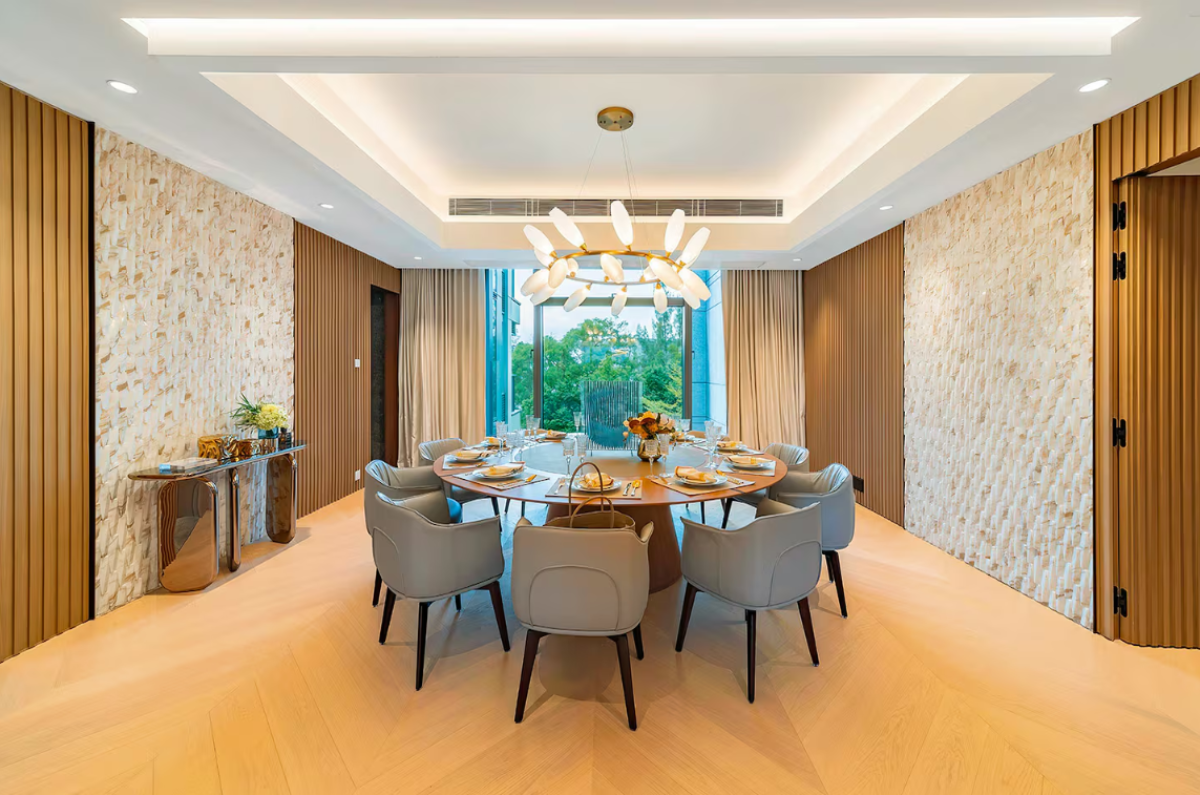
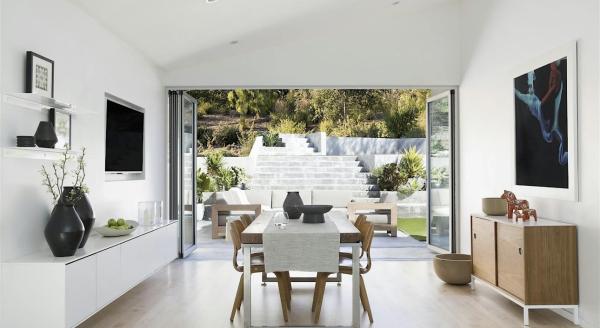
The interiors in the Mont Verra homes are far more spacious than is typical in Hong Kong.
“The view is very sophisticated,” says Law. “There’s the mountain, the dynamic Victoria Harbour, and, in the evening, the whole city lights up. Because this development is slightly raised, you can experience the city without being part of the concrete jungle.”
The five apartment blocks have been built by Kerry Properties, the developers behind the Shangri-La hotel chain, and clearly they know their market. The apartment that Law is showing has been designed by Hong Kong interiors expert, Norman Chan. It whispers quiet luxury: marble bathrooms, beautiful inlaid floors, a fabulously equipped kitchen, staff quarters, and floor-to-ceiling windows to make the most of the view. Even on a lower level of the six-story blocks, you feel like the king of all that is surveyed. And it is exceptionally green—the development is gorgeously landscaped and there is the backdrop of the parkland hills.

A green and tranquil outlook makes the Mont Verra apartments a tempting proposition.
But the real draw is the apartment’s proportions. Hong Kong is one of the least affordable cities in the world, notorious for its cramped accommodation. Indeed, Law says that 1,000 square feet (93 sq m) for a family apartment would be considered generous. This home weighs in at 4,400 square feet (409 sq m). “The developers were brave to build fewer but larger apartments,” says Law. “That’s unusual in Hong Kong.”
Some of the thinking behind building on such a grand scale must be the influx of wealthy business people from mainland China who demand space. Nearly the entire development has been sold to these buyers, including the three standalone houses. Although the Hong Kong property market wobbled earlier in the decade, the steady flow of Chinese money has led to a recovery on the super luxury end.
© Copyright 2026 Unique Estates. All rights reserved.