15/04/2026
Analyses

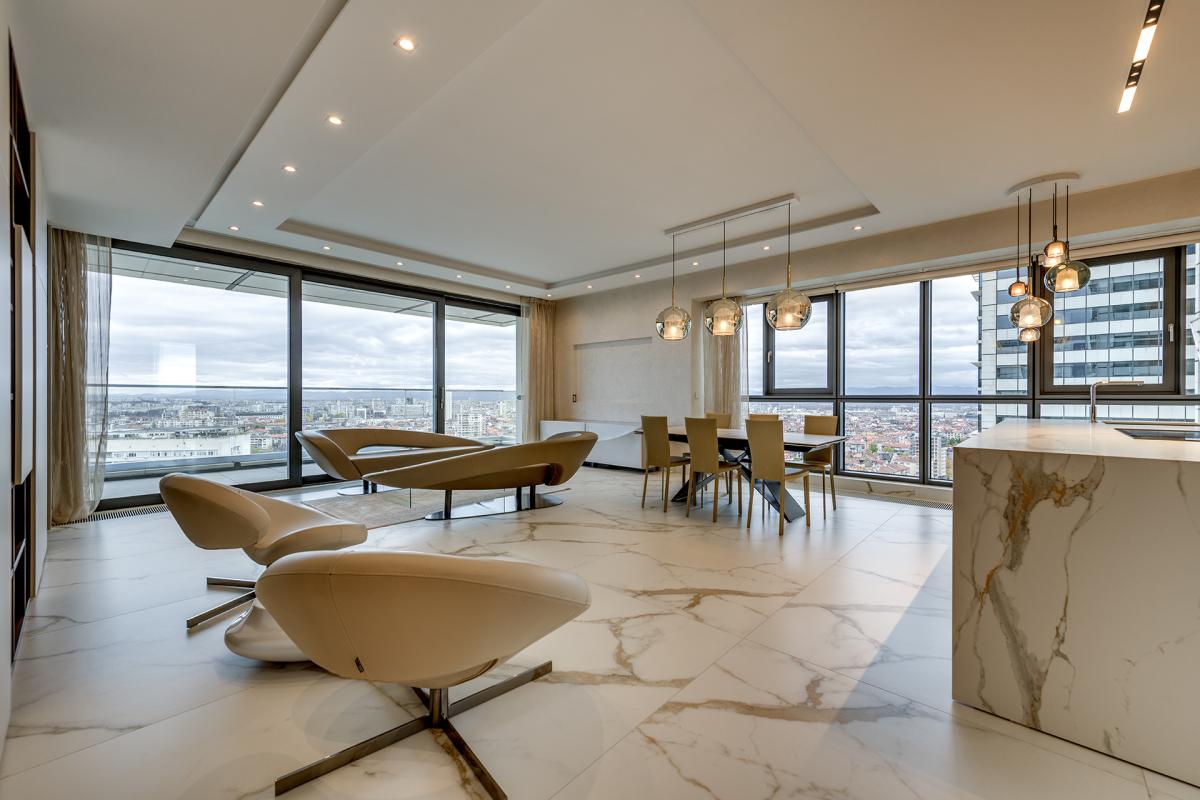
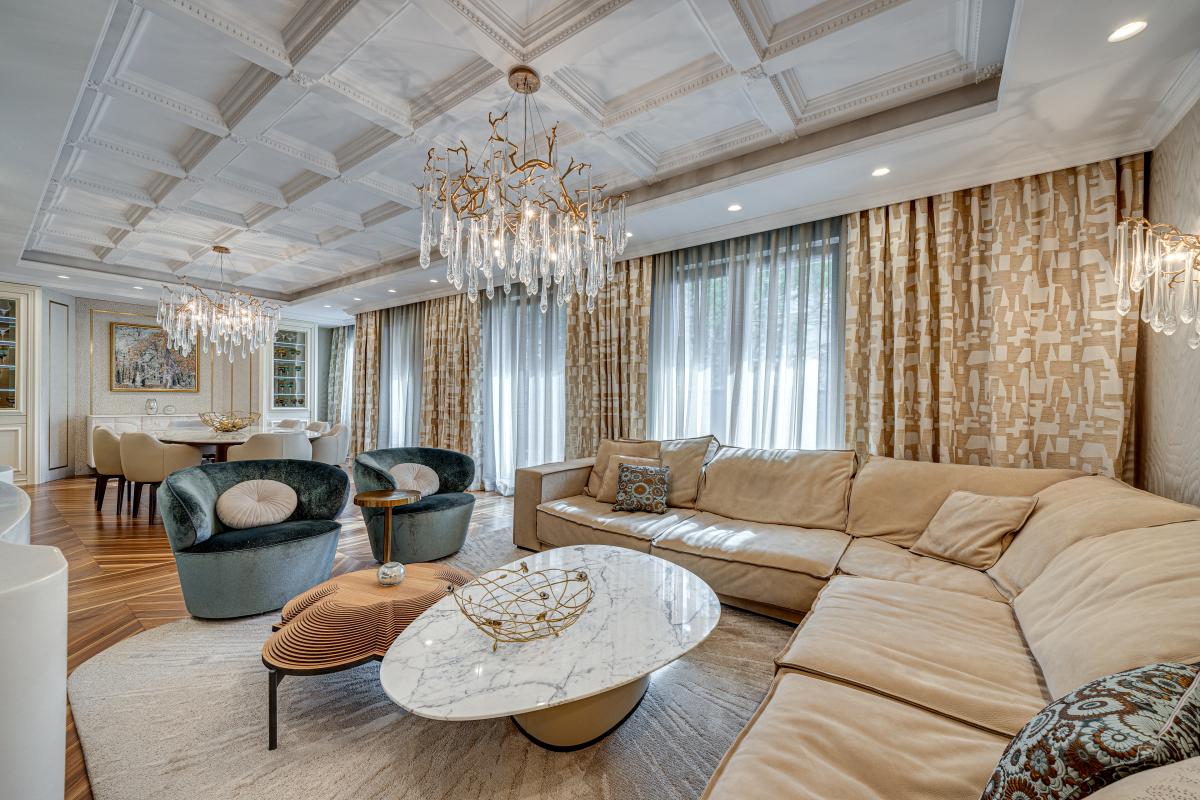
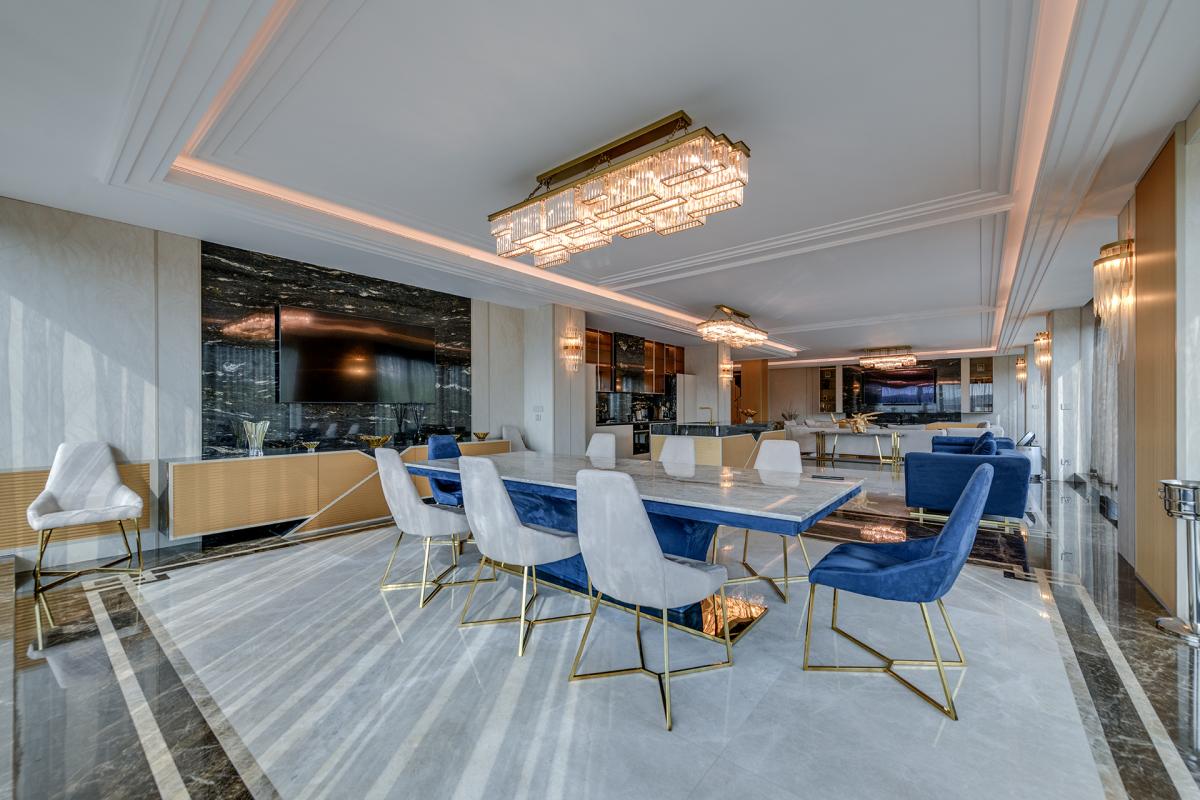
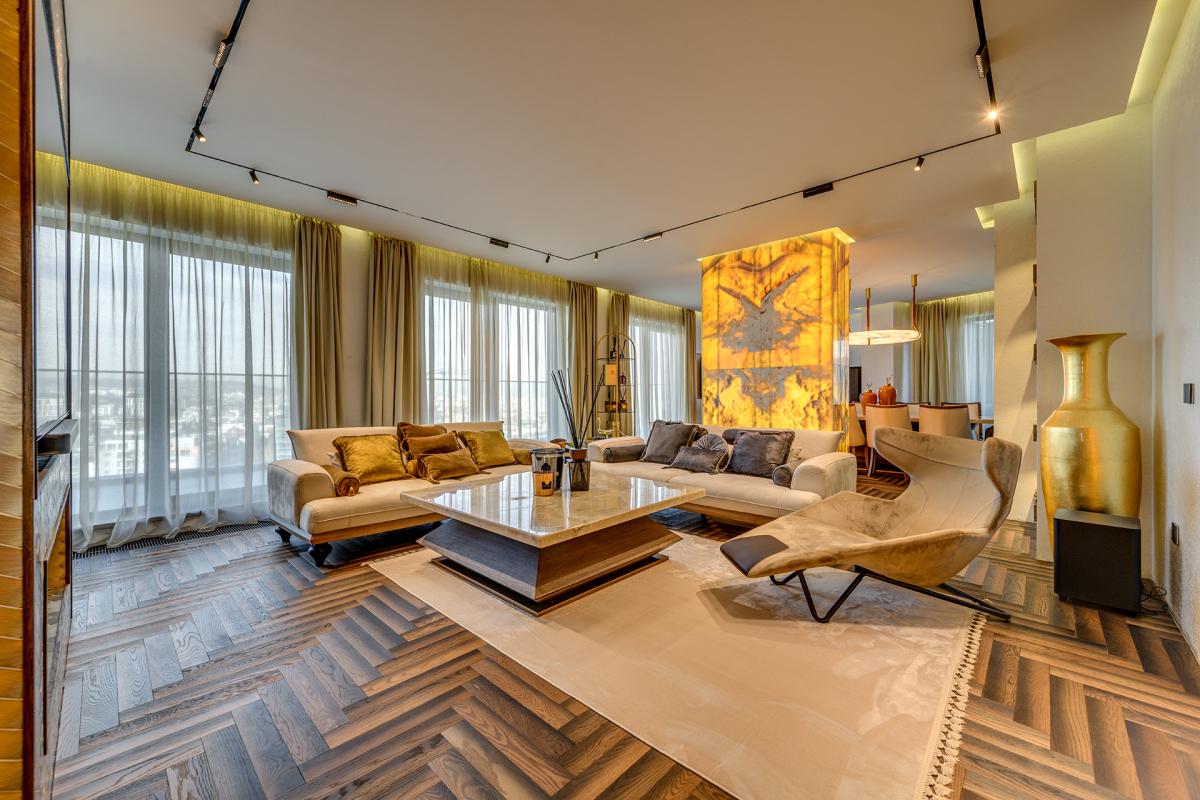
Amid increasing geopolitical uncertainty in various regions of the world, including the Middle East, a growing portion of international capital is shifting toward stable European markets. Investors are seeking a combination of security, a predictable economic environment, and opportunities for long-term returns.
In this context, Bulgaria is gradually establishing itself as an increasingly attractive investment destination. The country demonstrates strong economic growth, low taxation, a stable banking system, and competitive real estate prices, positioning it as an appealing market for investors. Membership in the EU, NATO, and the upcoming integration into the Schengen Area and the Eurozone further enhance market stability and integration.
A key factor driving interest in Bulgaria is its accession to the Eurozone on January 1, 2026. According to an analysis by Unique Estates | Christie’s International Real Estate, the exclusive partner of Christie’s International Real Estate in Bulgaria, the country’s integration into the Eurozone creates conditions for greater transparency, predictability, and heightened interest from international investors and funds.
The real estate sector traditionally responds strongly to macroeconomic changes, and the adoption of the euro represents one of the most significant economic steps for Bulgaria in recent decades. For the property market, the effect is primarily seen in the elimination of currency risk, reduced transaction costs, and easier price comparability with other European markets. This positions Bulgaria more clearly as part of the broader European real estate investment landscape.
Against this backdrop, Bulgaria remains one of the most competitive investment destinations in Europe, thanks to a combination of key economic factors: a flat 10% tax on income and corporate profits - one of the lowest in the EU, a stable banking system, relatively low financing costs and accessible mortgage rates, as well as significantly more competitive premium property prices compared to leading European cities. This combination gradually attracts growing interest from international buyers and investors.
"The adoption of the euro was a logical and important step that, in the long term, creates conditions for greater transparency and strengthens interest from international investors. Historically, the experience of countries that adopted the euro shows a rise in property prices in the years following its introduction. In Bulgaria, we expect this process to be more moderate and balanced compared to the growth already recorded in recent years. It is important to note that the property market in Bulgaria has been operating in euros for years, so the currency itself does not represent a shock for local investors. Rather, key macroeconomic factors such as tax policy, political stability, and banking conditions will determine the pace of market development in the coming years," comments Vesela Ilieva, Managing Partner at Unique Estates | Christie’s International Real Estate.
The Bulgarian residential market is gradually entering a more mature and selective phase following strong activity in recent years.
Data from Unique Estates | Christie’s International Real Estate for 2025 show transactions exceeding €150 million. The boutique agency has served over 1,030 clients and completed 265 property sales and 435 luxury rental transactions.
In the top price segment, 37 transactions involved properties valued at over €1 million. Over the year, the company organized more than 10,600 property viewings, with over 3,400 new buyers expressing interest in the market.
Sofia is gradually establishing itself as one of the most dynamically developing premium residential markets in Southeast Europe.
According to Unique Estates | Christie’s International Real Estate, premium property prices in the capital average around €6,000 per sq.m., with exceptional properties exceeding €10,000 per sq.m. In newly developed residential areas, prices range between approximately €2,000 and €2,500 per sq.m., attracting both end buyers and investors.
Data for Sofia’s office market indicate stable activity, with total leased area in 2025 exceeding 204,000 sq.m. - an increase of around 10% compared to the previous year. Prime office rents reach approximately €20 per sq.m., while vacancy levels continue to gradually decrease.
The industrial and logistics sector also shows strong growth. Total industrial leasing activity in 2025 increased by approximately 36.6% compared to the previous year, reflecting sustained demand from logistics operators, 3PL companies, and the rapidly growing e-commerce sector. Currently, over 241,000 sq.m. of new logistics and industrial space are under construction in the Sofia region.
At the same time, the retail segment in Central and Eastern Europe has been on an upward trend since 2022, reflecting sustained consumer demand and the expansion of international retail chains. In Bulgaria, prime retail rents remain relatively accessible, supporting retailer profitability and creating conditions for the entry of new international brands.
Prices are expected to increase between 6% and 10%, while transaction volumes are likely to remain close to 2025 levels. By the end of 2026 and early 2027, completion of new residential projects is anticipated, potentially increasing transaction volumes and offering a wider selection for buyers.
A clear trend is emerging where the market increasingly "rewards" properties with prime locations, high-quality construction, good infrastructure, and surroundings. In this context, the premium segment of the Bulgarian real estate market demonstrates stability and consistent demand, and the country is gradually establishing itself as an attractive investment destination for international investors and high-net-worth buyers.
In 2026, Unique Estates will celebrate its 20th anniversary, consolidating its position as a leading company in the Bulgarian luxury real estate market and as part of the global network of Christie’s International Real Estate.
© Copyright 2026 Unique Estates. All rights reserved.