15/04/2026
Analyses



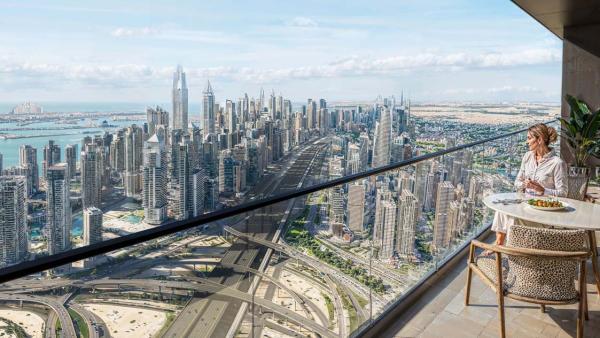
The Dubai real estate market continues to outperform others, driven by a unique combination of population growth, strong foreign investment, a boom in the off-plan segment, and lifestyle preference shifts post-pandemic.
According to data from the Dubai Land Department (DLD), around 94,700 investors entered the market in the first half of 2025, representing a 26% increase compared to the previous year. Of these, 59,000 are new investors, and 45% are UAE residents, indicating solid domestic demand alongside global interest.
Q4 2025 data shows a strong year for the residential segment:
While traditional areas such as Downtown Dubai and Dubai Marina remain resilient, the market focus has increasingly shifted toward specific projects. Certain communities stand out with high capital appreciation and rental yields:
These areas attract investors with affordable prices and stable rental demand, offering an appealing alternative to traditional luxury corridors.
By the end of 2025, the majority of Dubai real estate investments came from India, the UK, Russia, China, and Saudi Arabia. GCC investors are increasingly seeking family-oriented communities, villas, and branded residences, in line with evolving lifestyle trends in the market.
Six key trends shaping Dubai’s real estate market in the coming year:
Dubai’s real estate market is not only weathering global economic changes but actively transforming through innovation, strategic planning, and a redefined value proposition. With the active involvement of local and international investors, evolving buyer requirements, and developers’ long-term vision, the city is poised to maintain its upward trajectory well into the future.
© Copyright 2026 Unique Estates. All rights reserved.