
15/05/2026
For buyers and tenants

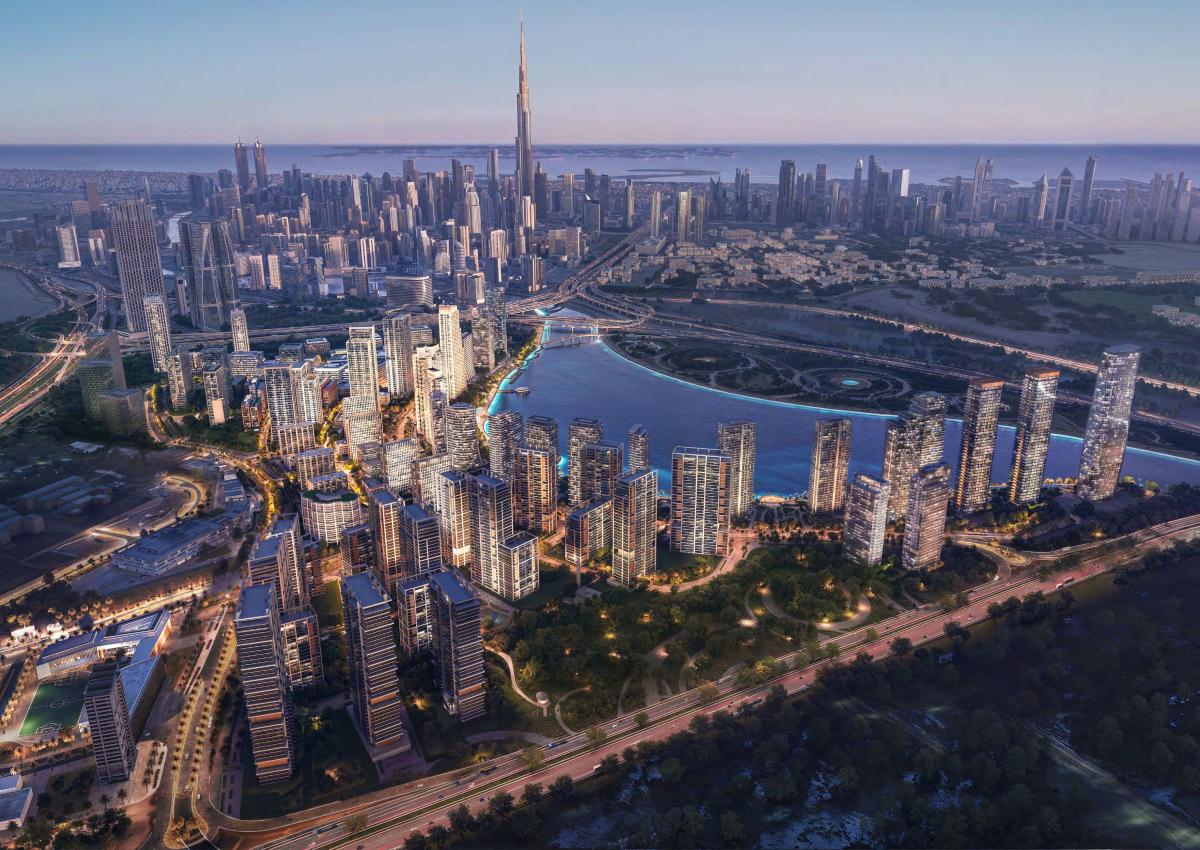

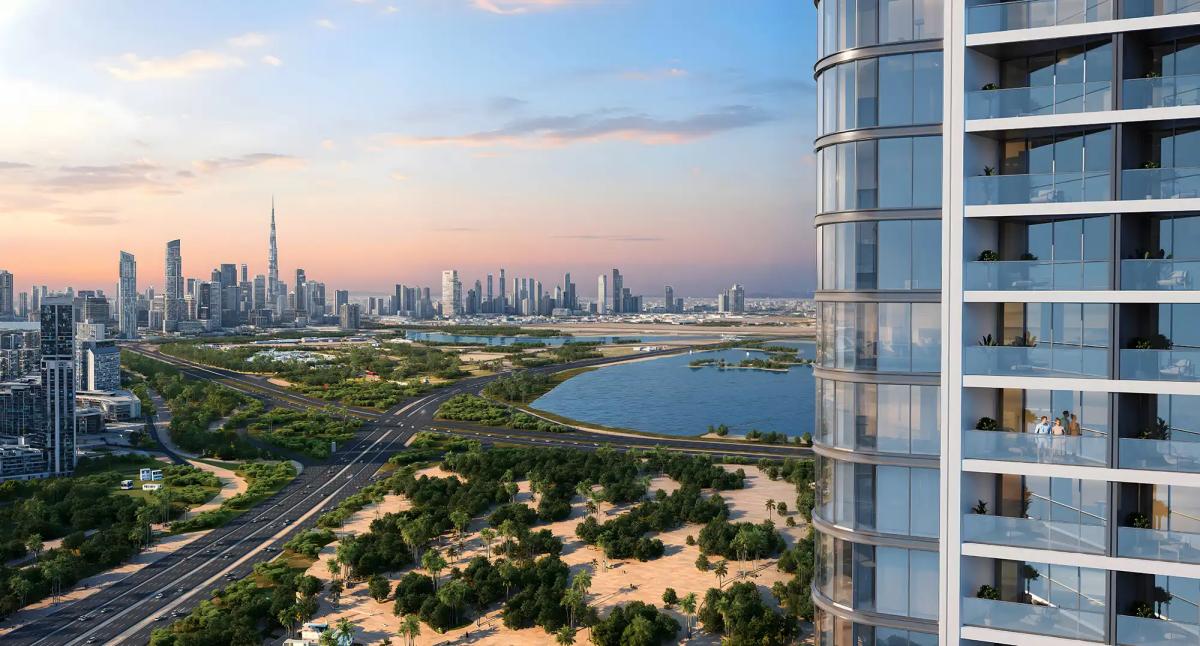

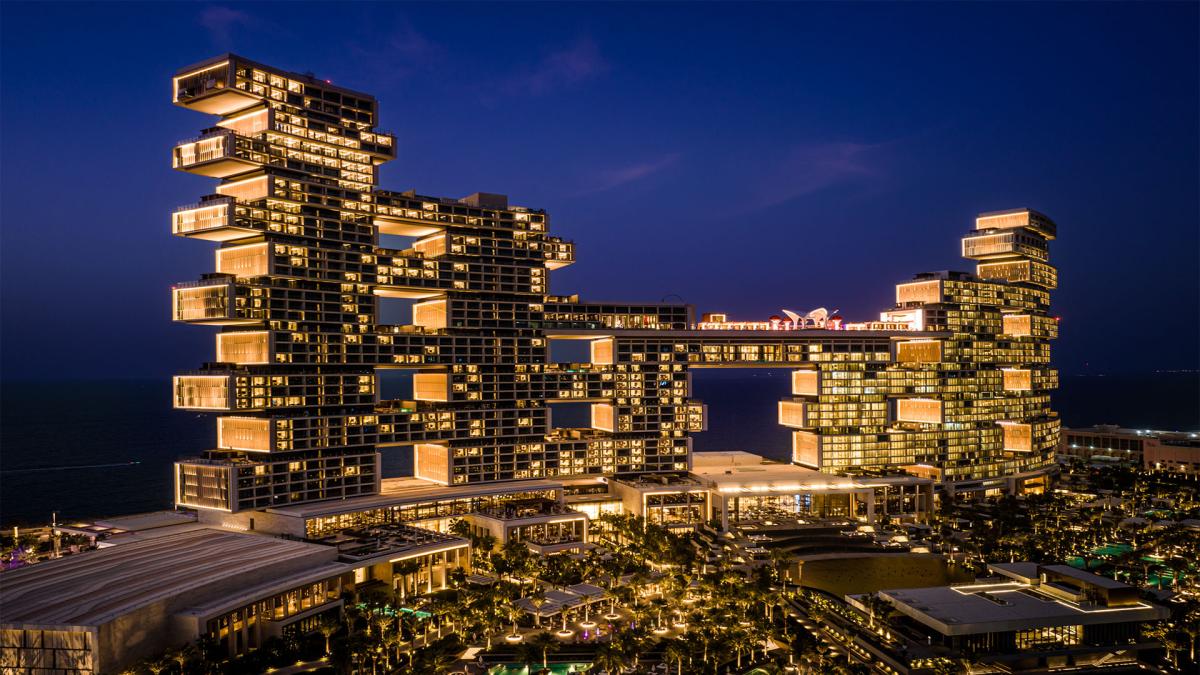
Dubai’s secondary market temporarily surpassed new launches in terms of transaction volume. At first glance, this may appear to signal a shift in market direction. However, a deeper analysis suggests that the change was driven by several large-scale transactions rather than a structural transformation in buyer behaviour.
Total transaction value reached AED 14.11 billion (€3.27 billion) across 5,481 deals - a notable increase compared to previous periods. This reflects a highly active trading window, but not necessarily a fundamental change in market dynamics.
The split between off-plan and ready properties shows near parity:
That said, a significant portion of the ready-market volume was concentrated in a handful of ultra-large transactions in the Palm Jumeirah area. If these are excluded from the data, off-plan properties would once again take a clear lead, accounting for roughly two-thirds of total traded value. This indicates that the primary market remains the core engine of activity.
Within the off-plan segment, apartments represent more than 70% of total volume. Geographically, activity is concentrated in large master-planned communities and emerging districts with strong infrastructure potential. The reasons are clear:
This model remains attractive to investors seeking phased capital allocation and resale upside.
In contrast, ready-property activity is focused on established districts with proven rental performance, such as Business Bay, the Burj Khalifa area, and Jumeirah Village Circle.
Buyers in this segment tend to prioritise stable rental income over speculative capital gains. This approach is typical in a maturing market cycle, where liquidity and real yield carry greater weight.
Despite the temporary outperformance of the secondary market, the broader trend shows that off-plan projects have consistently accounted for a larger share of total transaction value in recent years. Controlled supply releases and disciplined developer strategies have helped mitigate the risk of oversupply. In other words, what we are observing is not a market rotation, but a short-term statistical effect.
For investors, the message is clear:
This is less about a change in direction and more about resilience. The market is showing signs of maturity - it no longer reacts impulsively to isolated large transactions, but maintains a stable structure supported by controlled supply, international demand, and a clear investment logic.
© Copyright 2026 Unique Estates. All rights reserved.