01/04/2026
Lifestyle

In the world of speed, there is something almost metaphysical. It is not merely the roar of the engine or the scent of petrol. It is a feeling of power, control, and aesthetics, intricately intertwined. The owner of a supercar does not simply drive—they inhabit a universe where speed has taste, sound, and presence. A place where asphalt meets art, and the machine becomes a mirror of character.
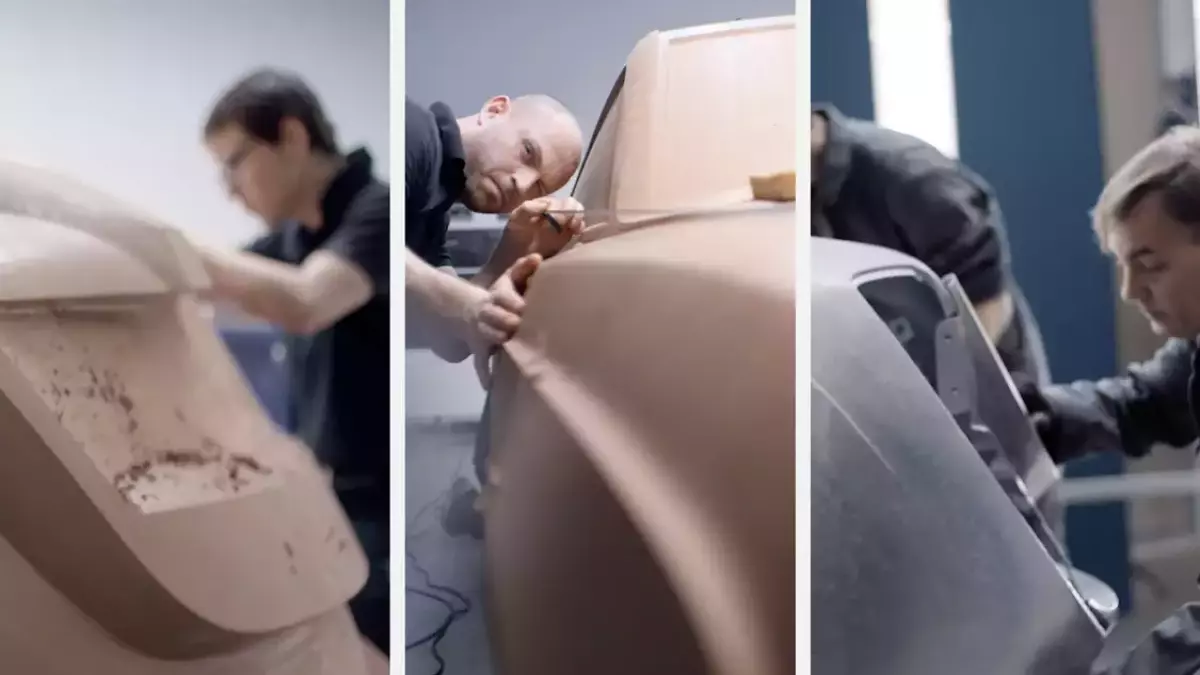
When commissioning their car, every supercar owner makes a choice that transcends mechanics—it is a personal story sculpted in metal and leather. Let us look at how the different philosophies of each manufacturer shape this intimate process of personalisation.
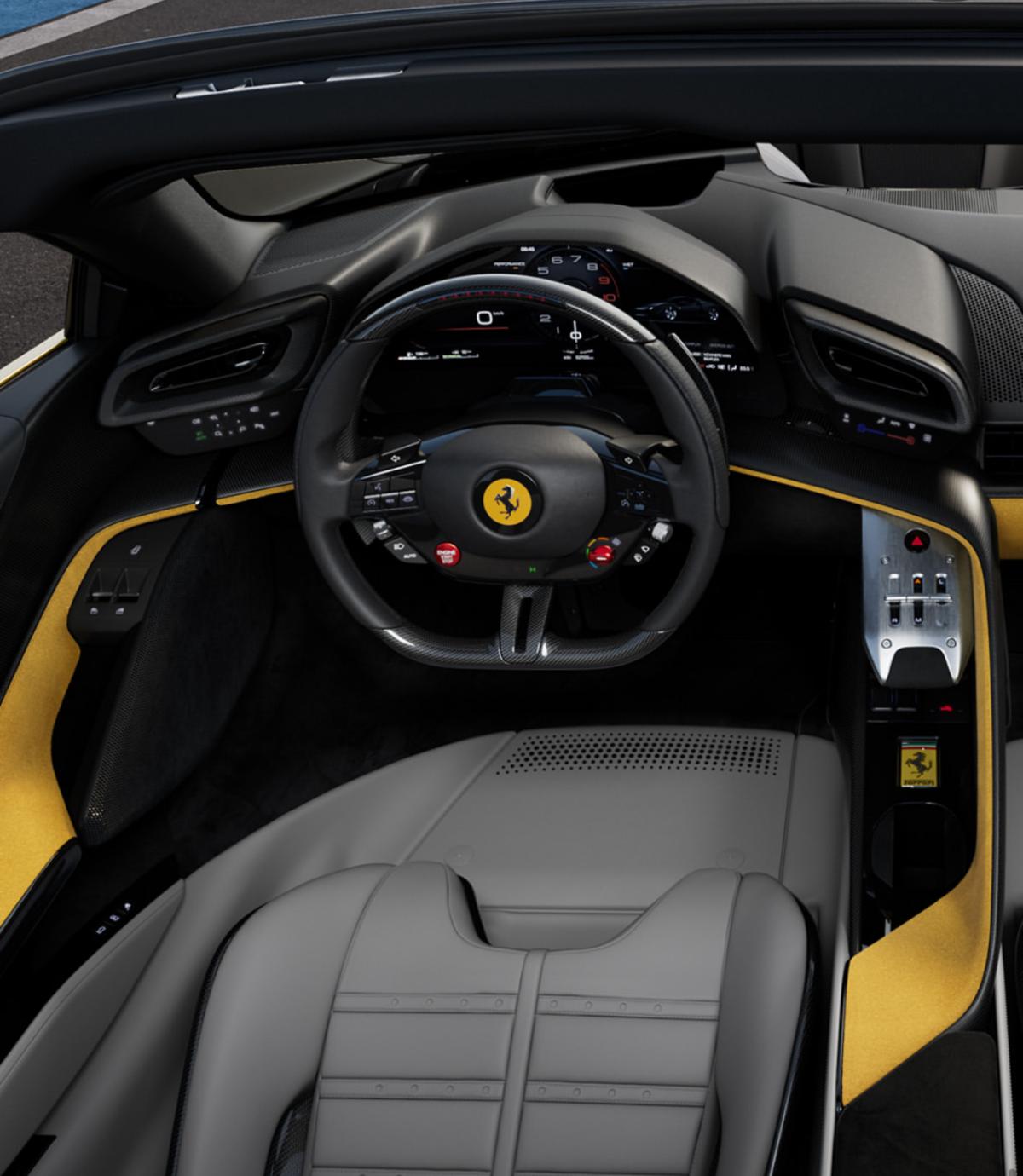
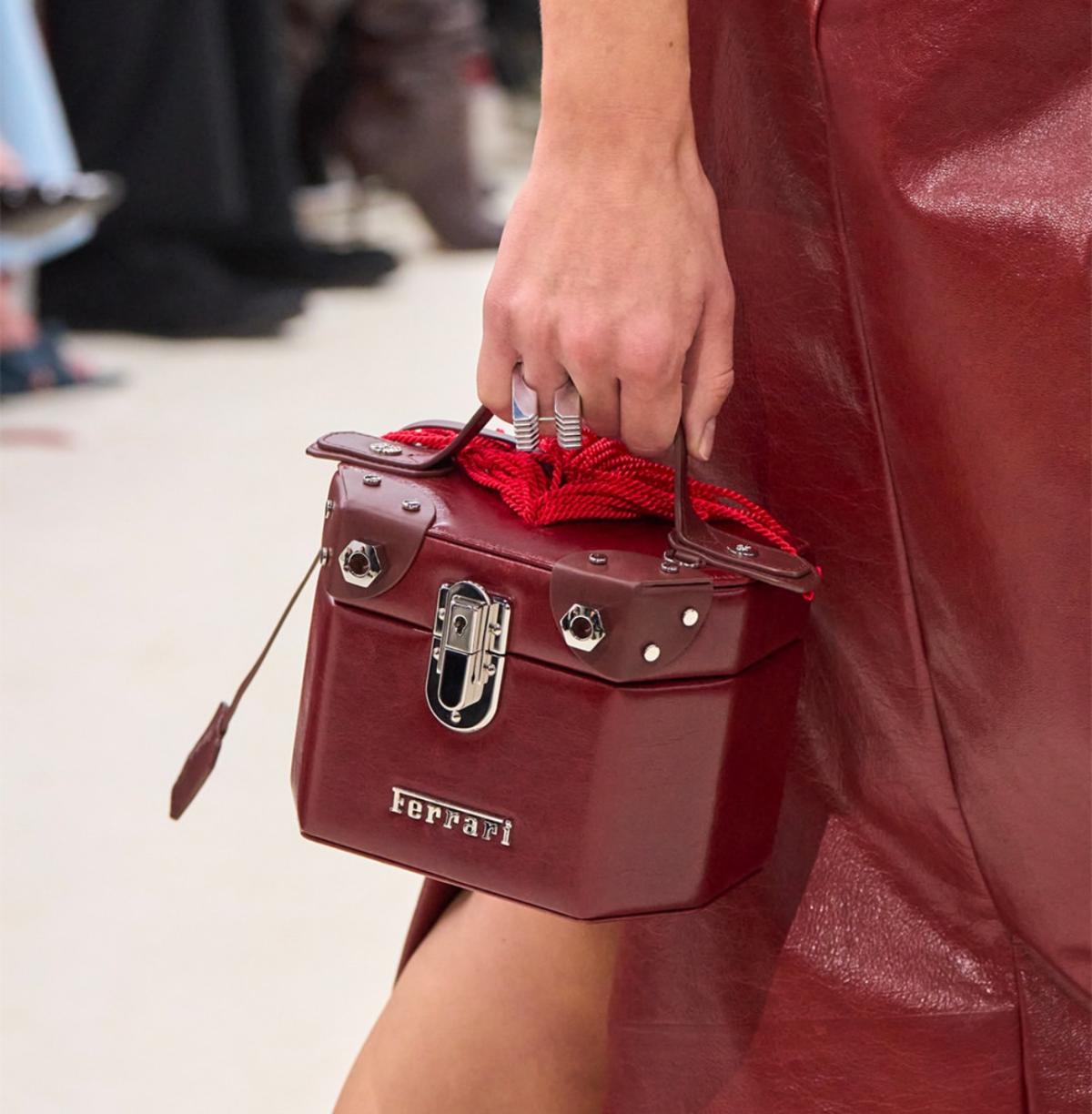
Ferrari is mythology written in petrol and Italian passion. Its owners often speak of Maranello as a place of pilgrimage. Behind the red doors of the Tailor Made Studio, the ritual of personalization begins. The client chooses everything—from the shade of paint, which can be matched to a favorite suit or an old racing photograph, to the type of carbon fiber in the interior, the stitching on the seats, and the engraving on the metal pedals. A steering wheel with a bespoke grip, lightweight panels, a tachometer in a custom-selected Pantone hue, seats embossed with the owner’s initials—a subtle detail transforming the car into a personal declaration. When complete, the car is no longer simply a vehicle—it is an extension of the owner, their biography cast in metal.
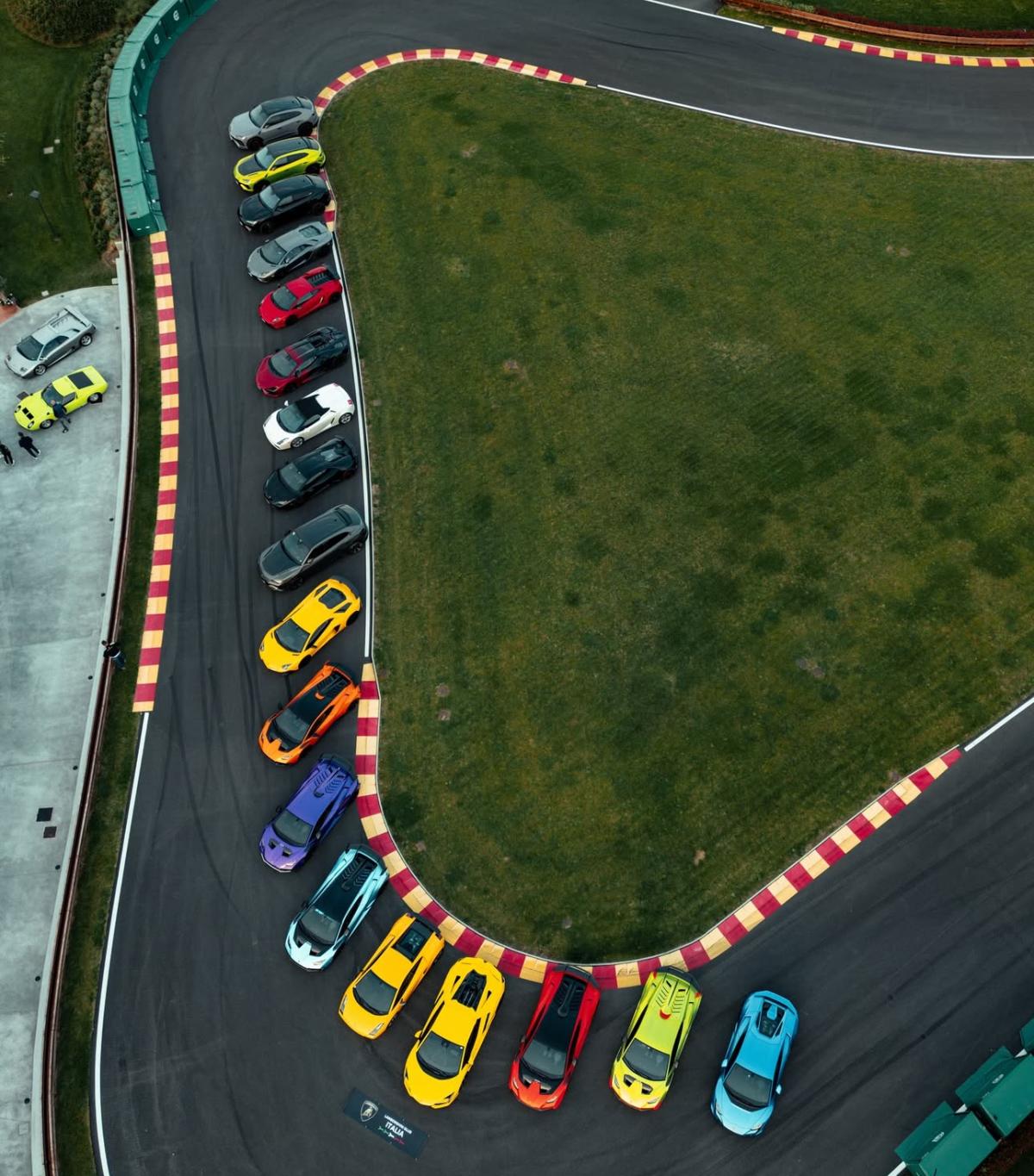
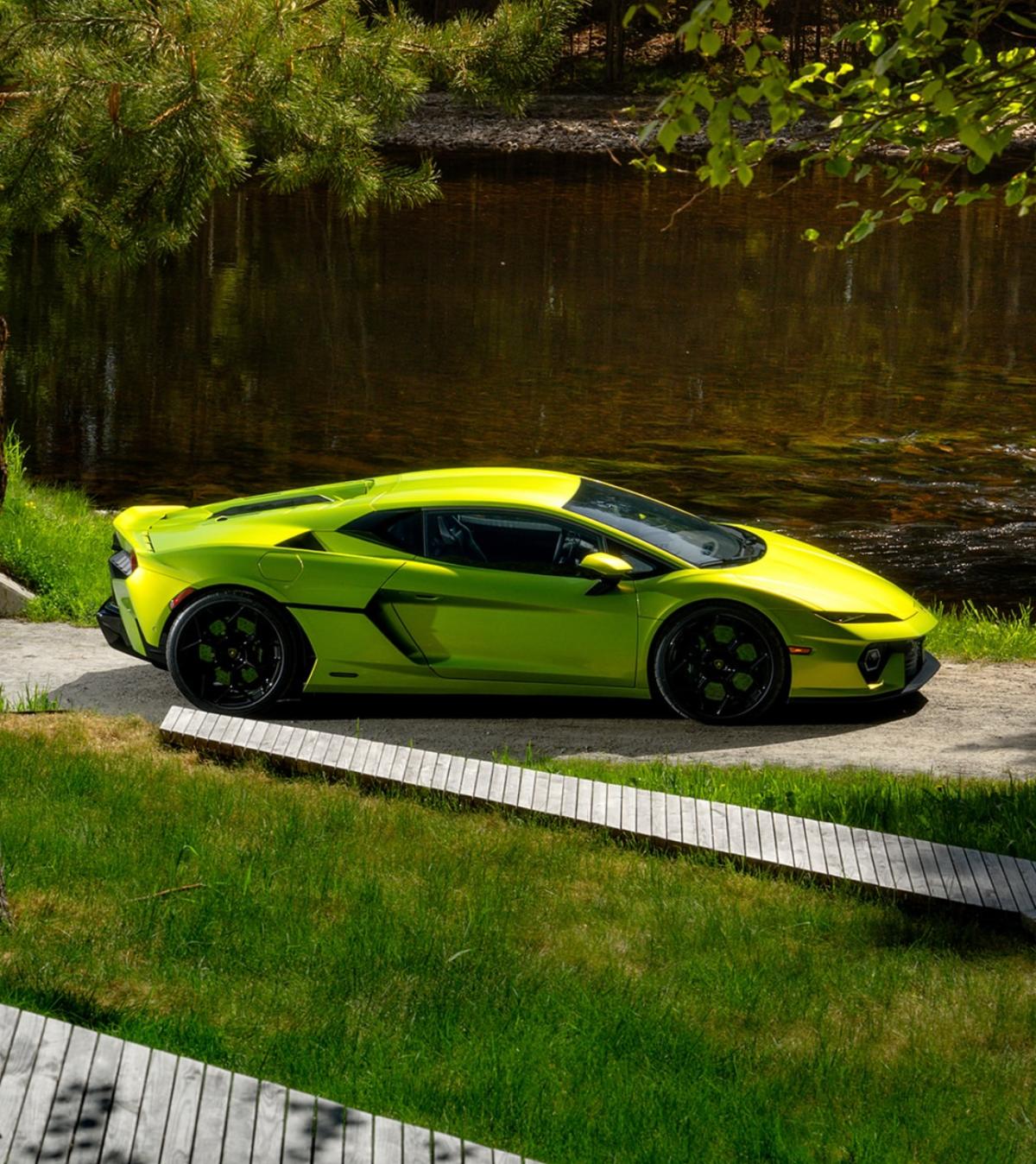
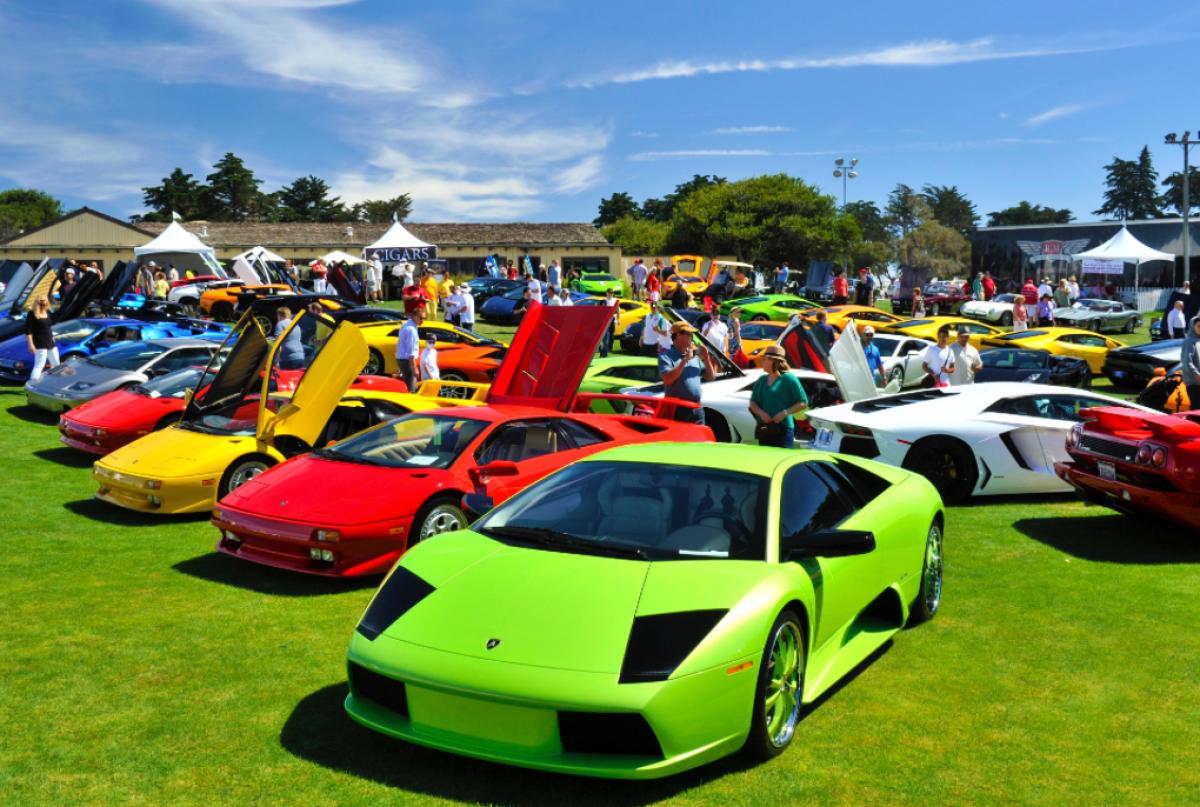
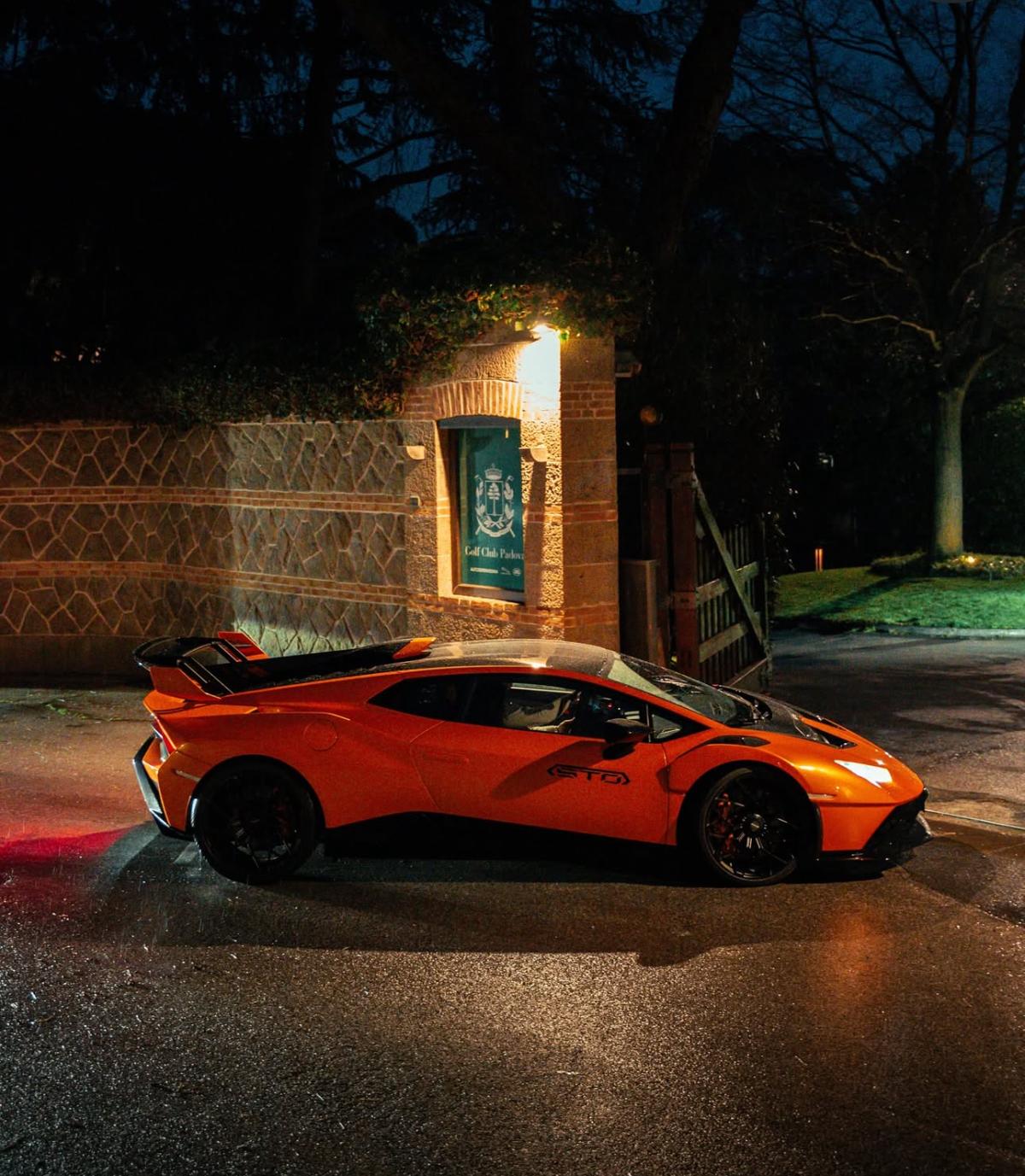
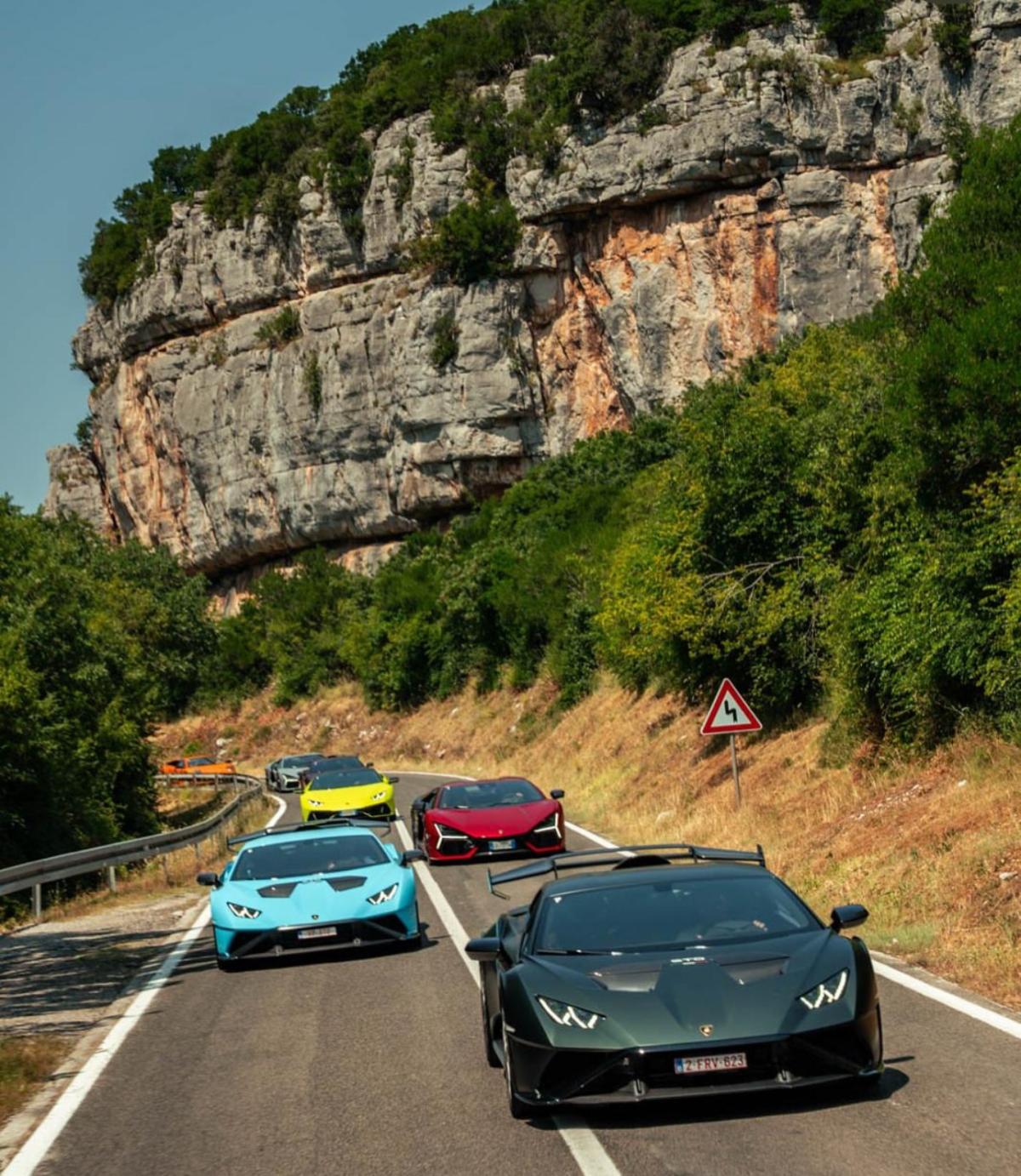
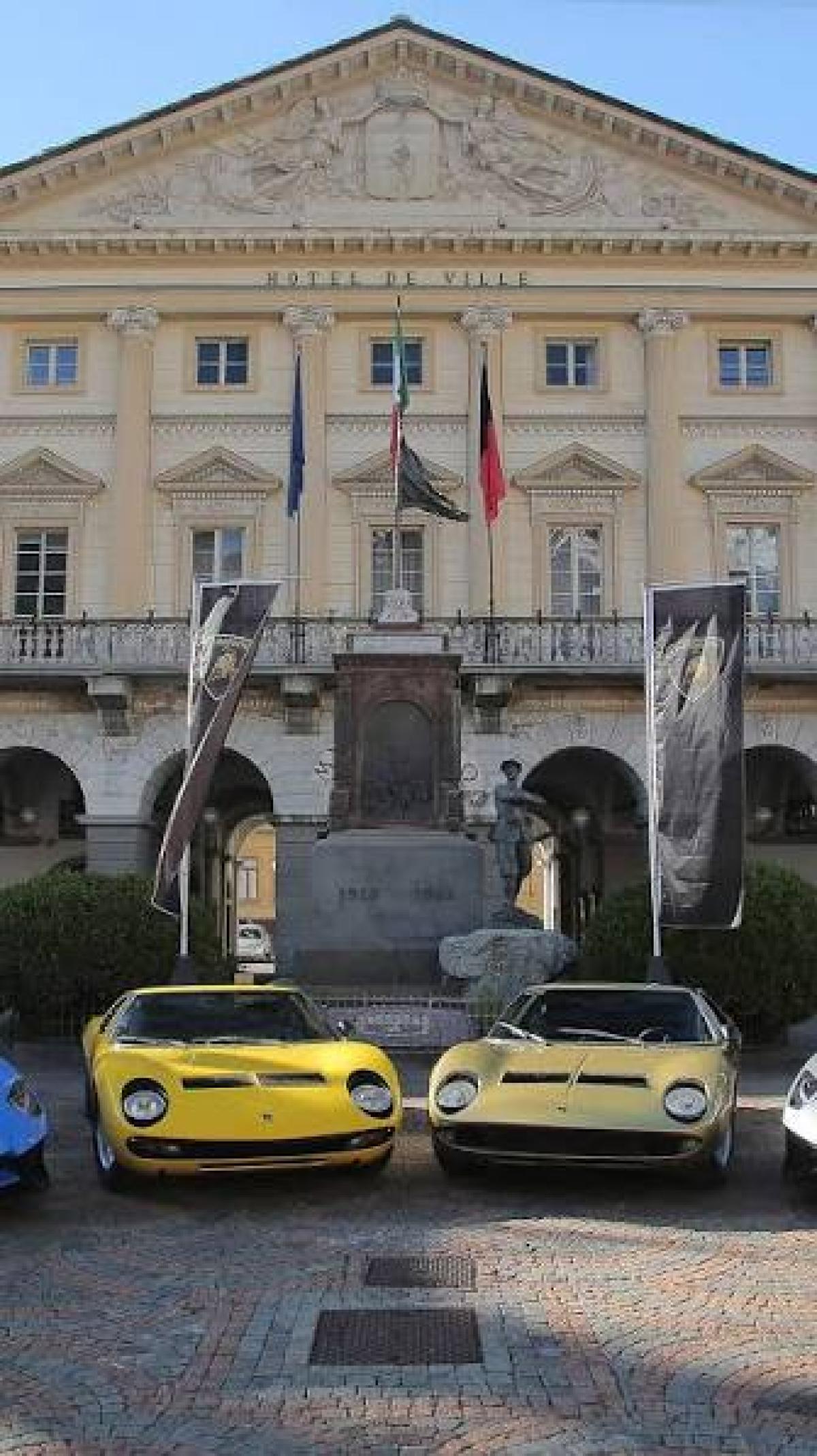
Lamborghini, by contrast, is pure theatre. At the Ad Personam Studio in Sant’Agata Bolognese, clients design their car as if they were stage designers of their own imagination. The possibilities are endless: pearlescent paints, contrasting stitching, Alcantara, engraved panels, even family crests or quotes etched onto the sills. A Lamborghini owner does not seek harmony—they seek impact. Their car is a visual explosion, resonating like a symphony of titanium and fire.
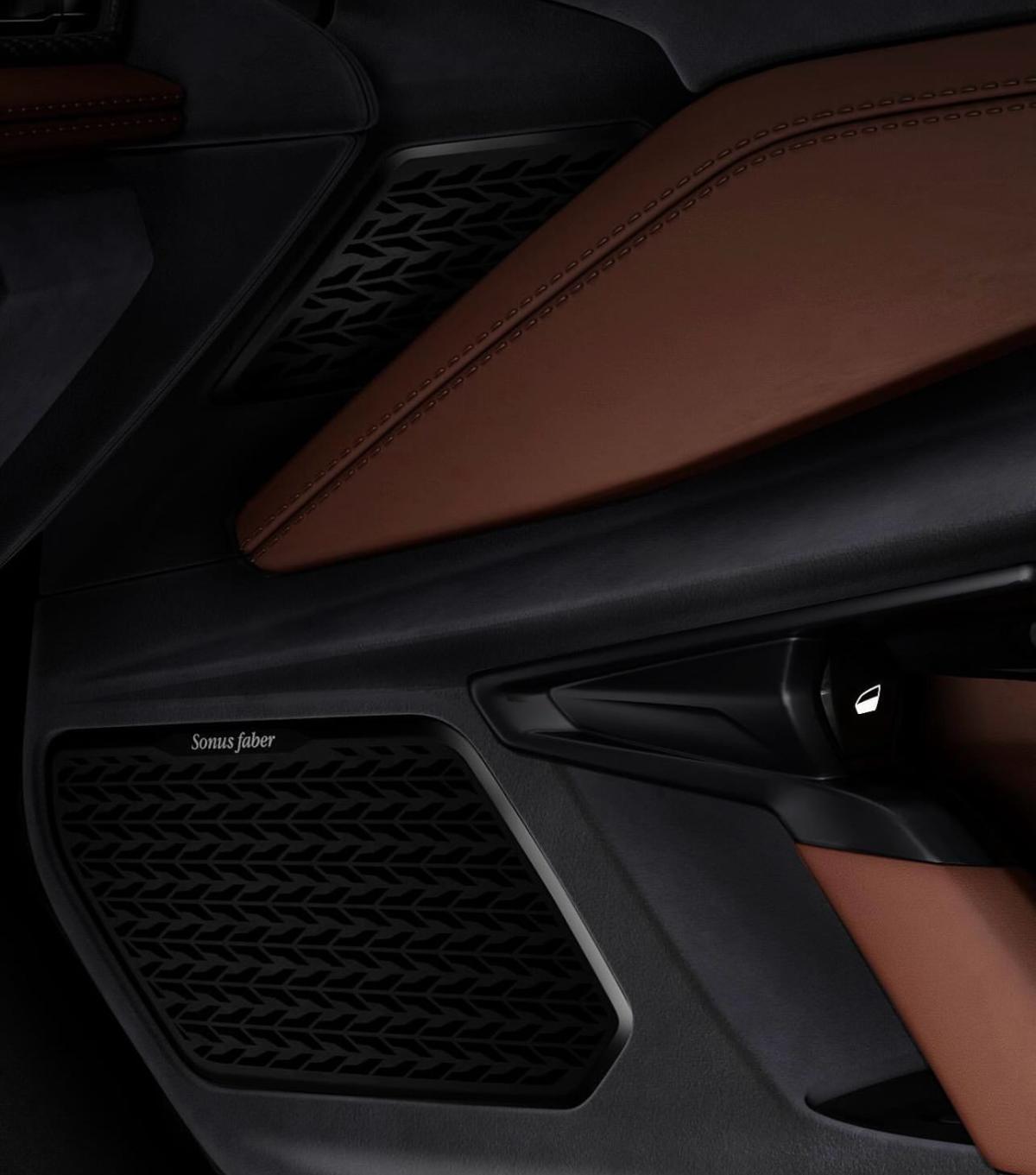
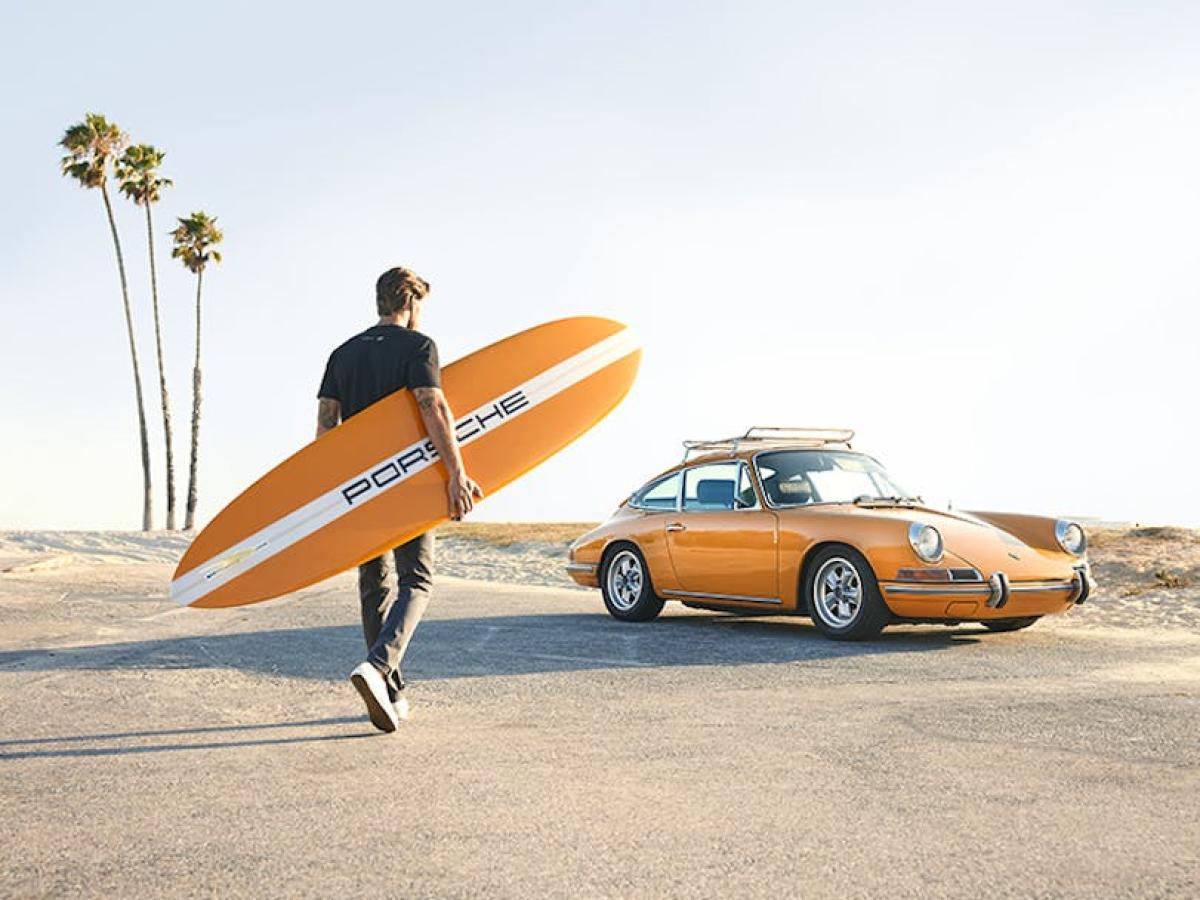
Porsche, in contrast, embodies the philosophy of minimalism. Every detail serves a function, every line has a reason. The owner of a 911 GT3 is not interested in noise, but in balance. At Porsche Exclusive Manufaktur, one can personalize their car with surgical precision: a steering wheel with a bespoke grip, lightweight panels, a tachometer in a custom-selected hue, seats embossed with the owner’s initials—a form of precision that reflects their character rather than ornamentation alone.
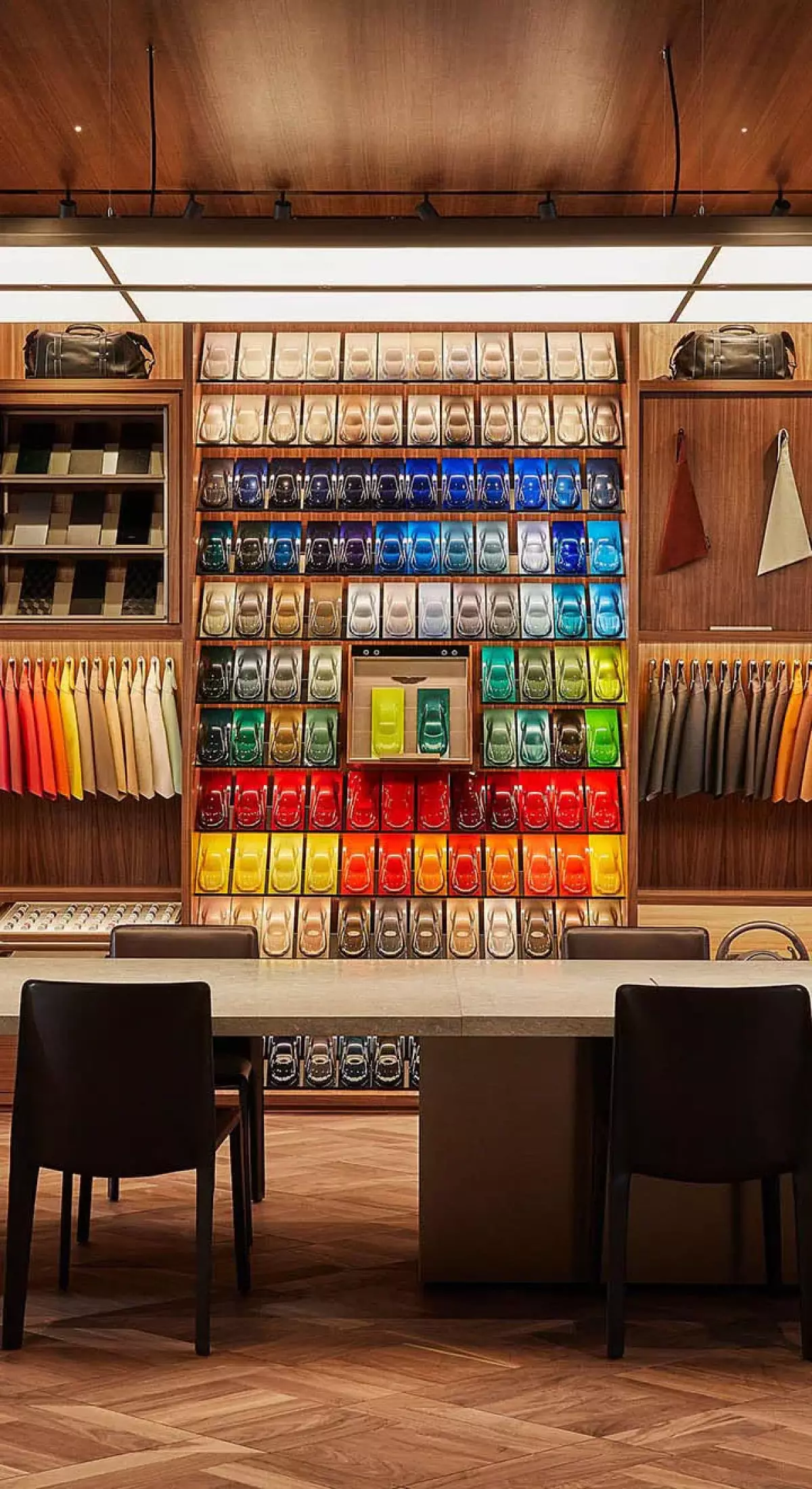
Aston Martin is British poetry in motion—a car scented with leather, whisky, and mist. Through Q by Aston Martin, clients may even select the wood for the dashboard trim or a metallic hue inspired by the sunrise over Silverstone.
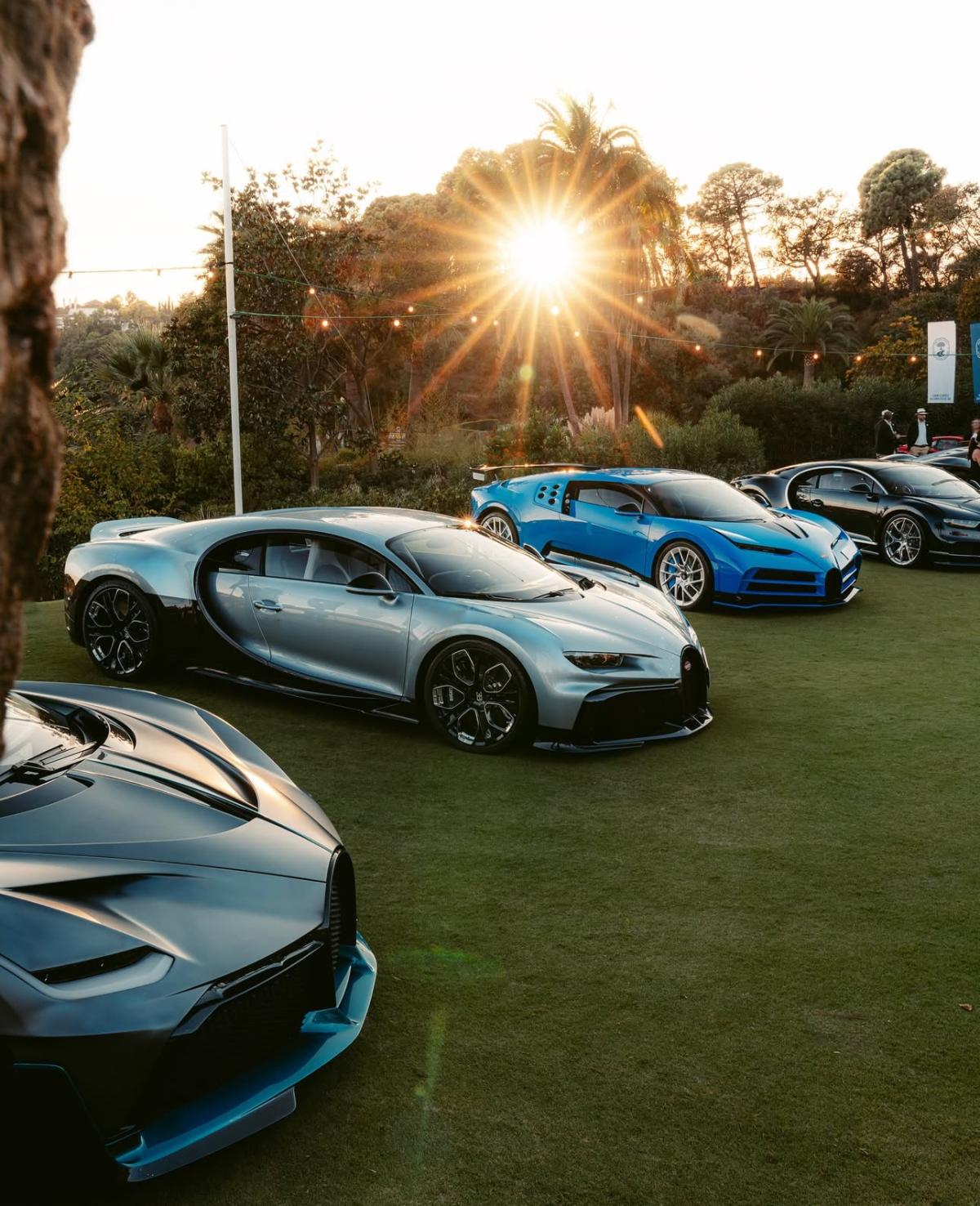
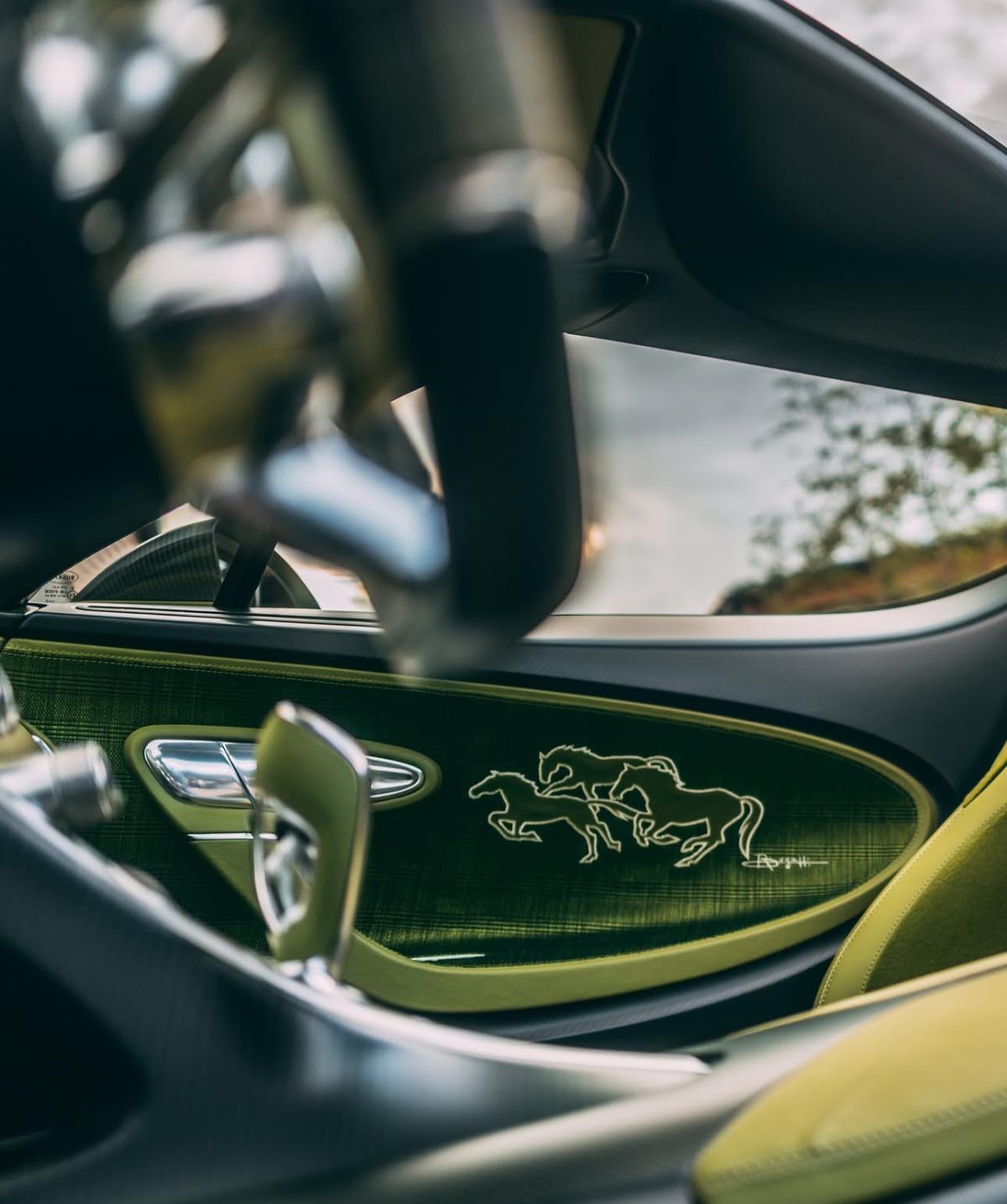
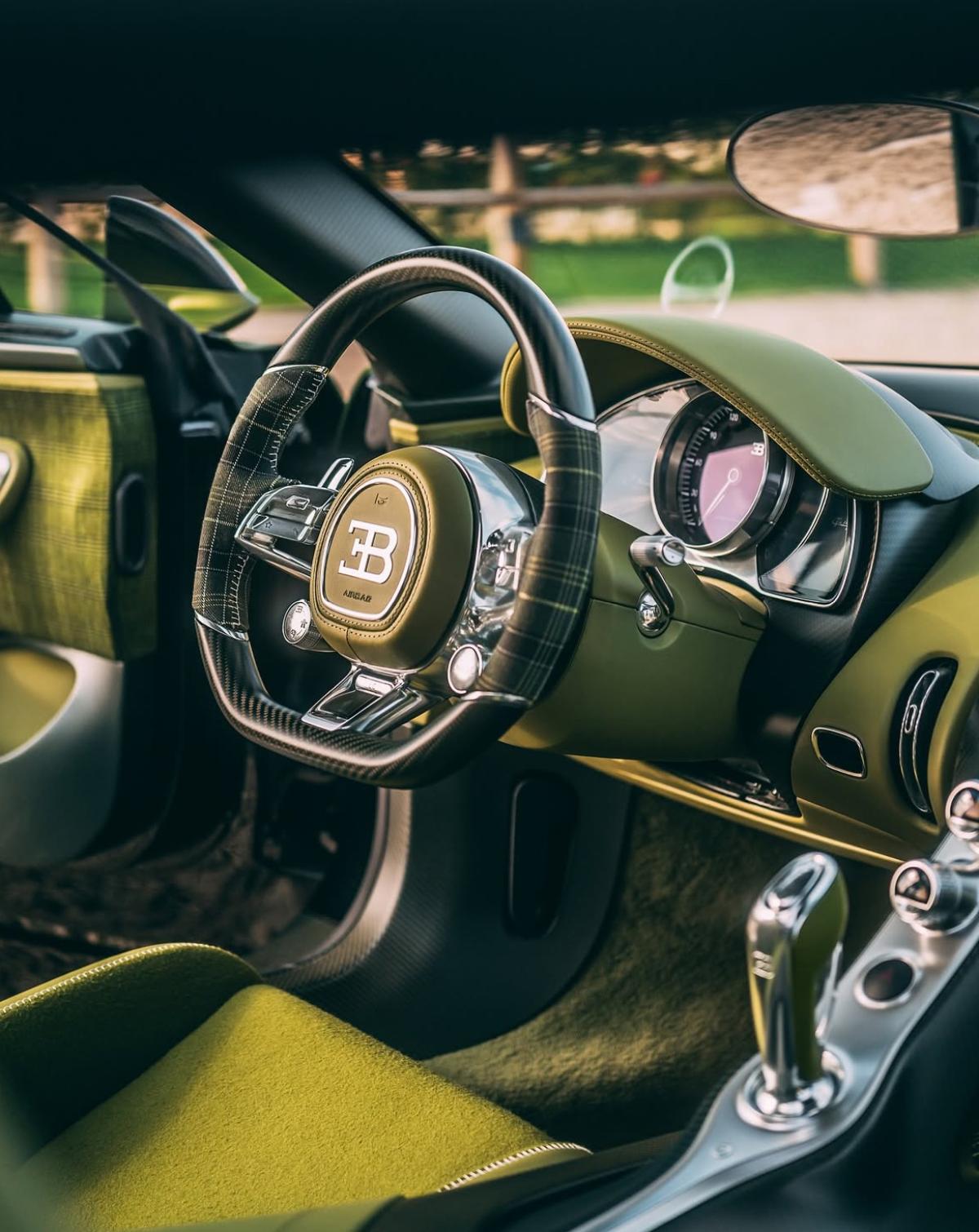
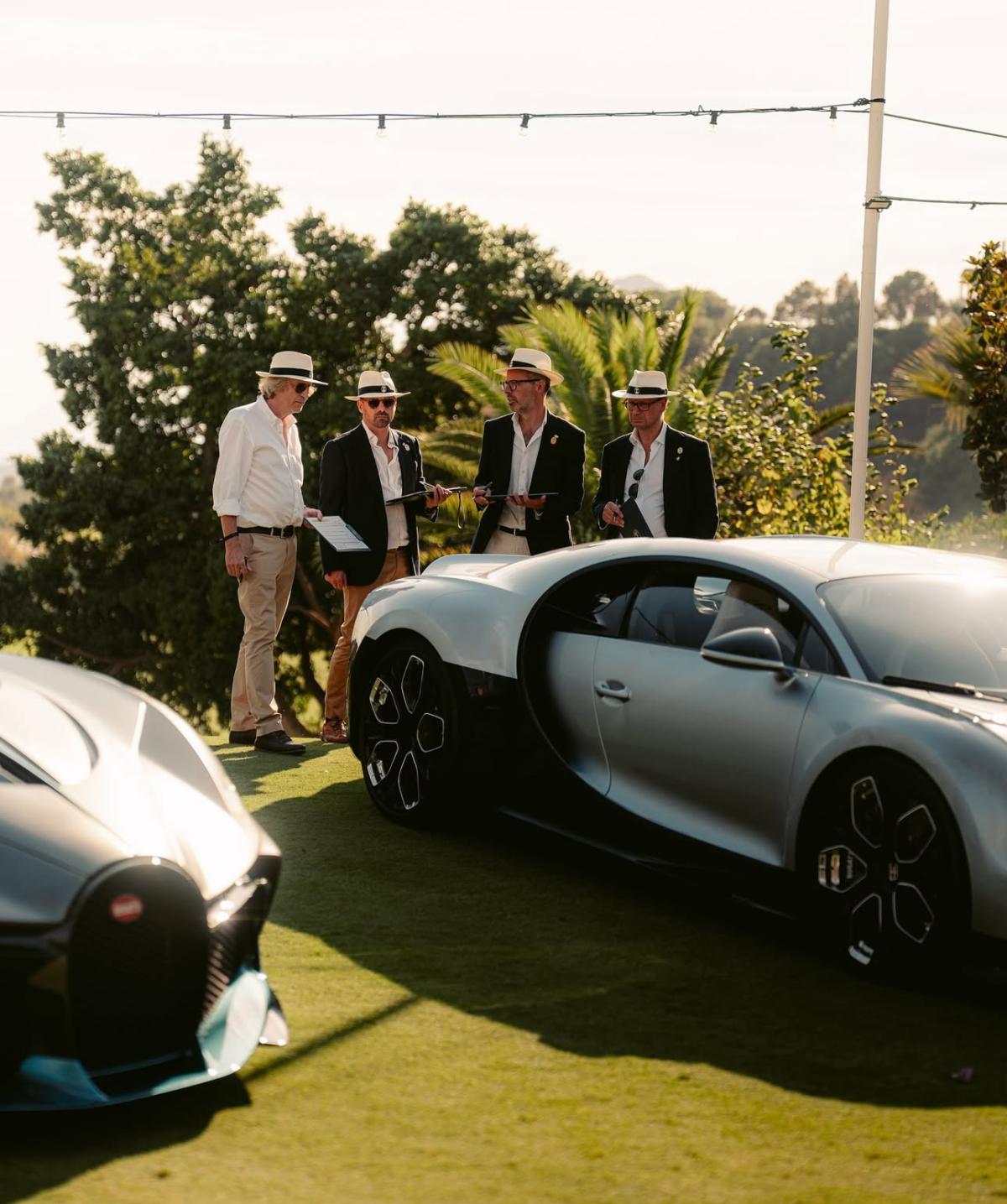
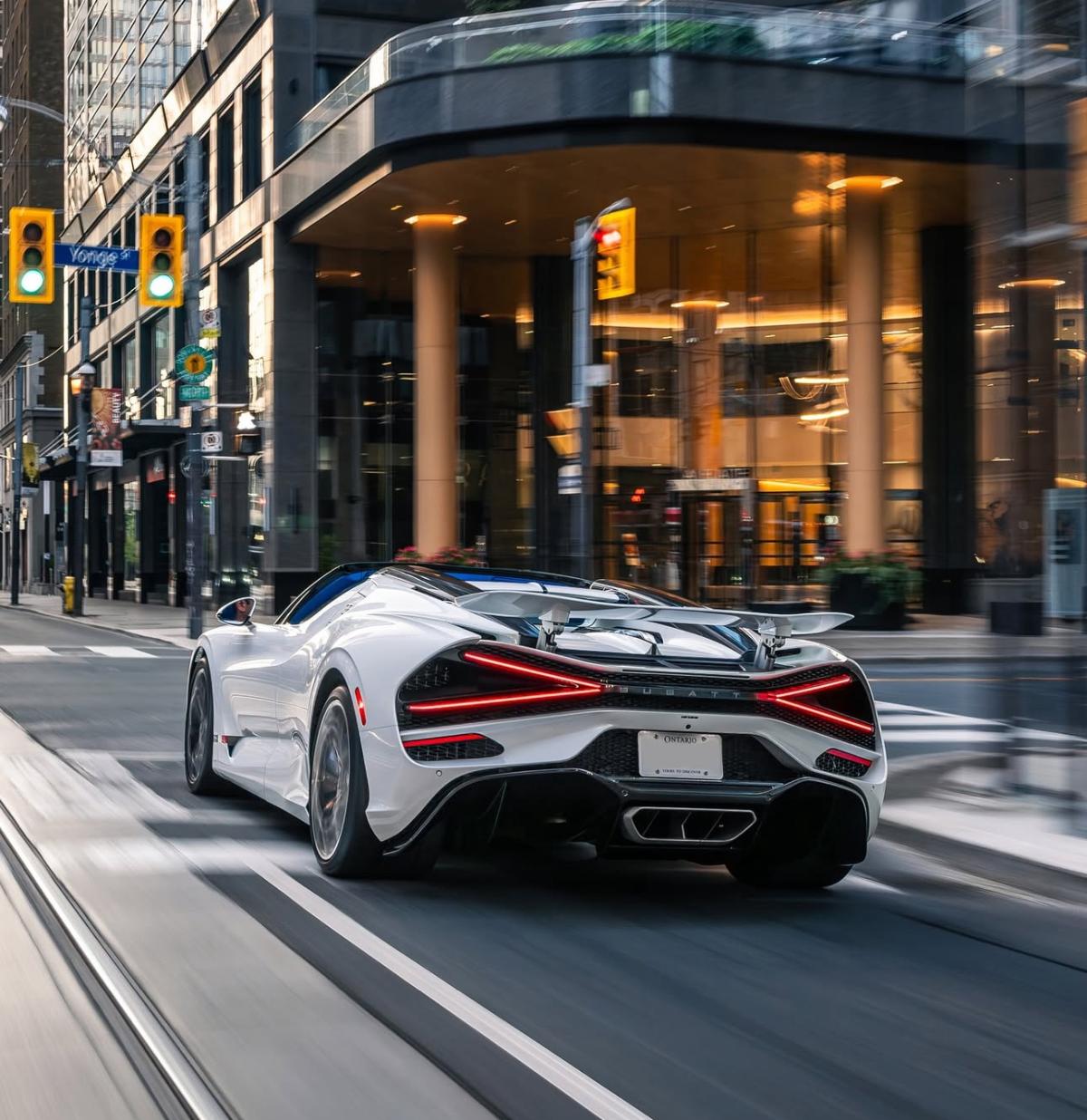
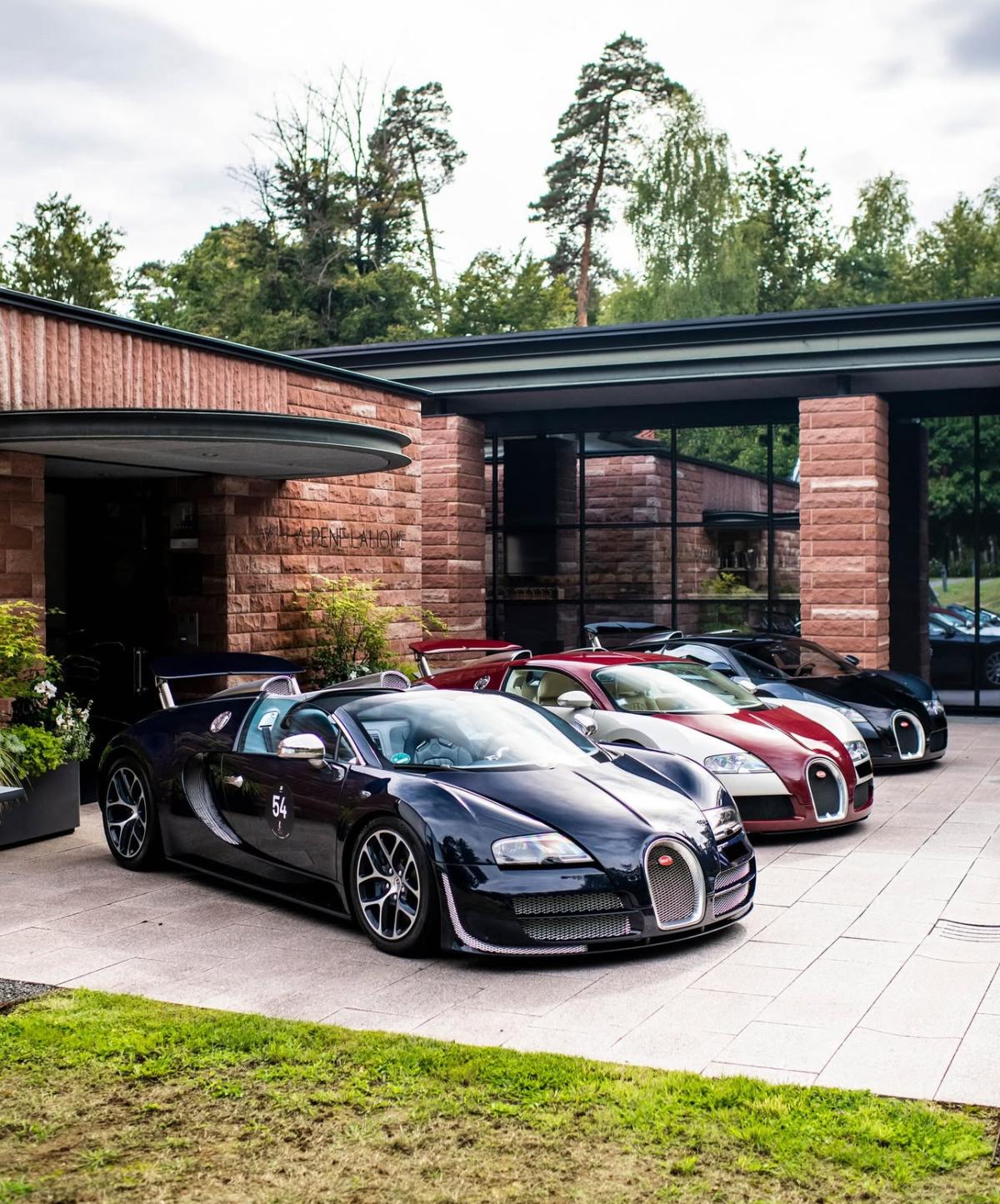
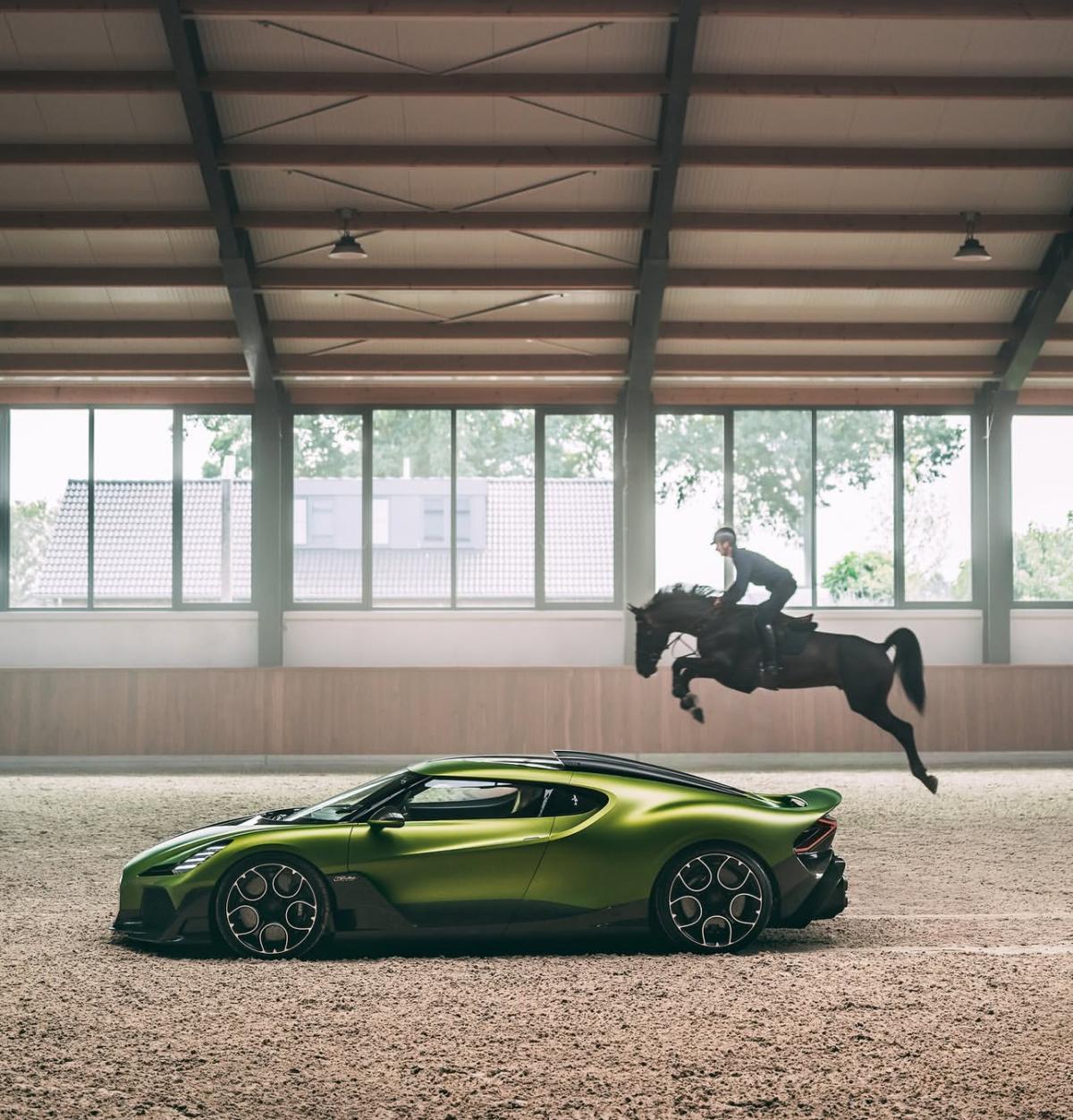
Bugatti represents the pinnacle of engineering mastery and unparalleled precision. Through the Bugatti Sur Mesure program, clients are involved in every step of the car’s creation—from selecting the metal alloys for the chassis to specifying the finest details of the interior. Each car feels like a sculpture, a seamless fusion of raw power and refined elegance. Owning a Bugatti is not merely possession—it is holding in your hands a mechanical masterpiece, a unique piece in the universe of speed.
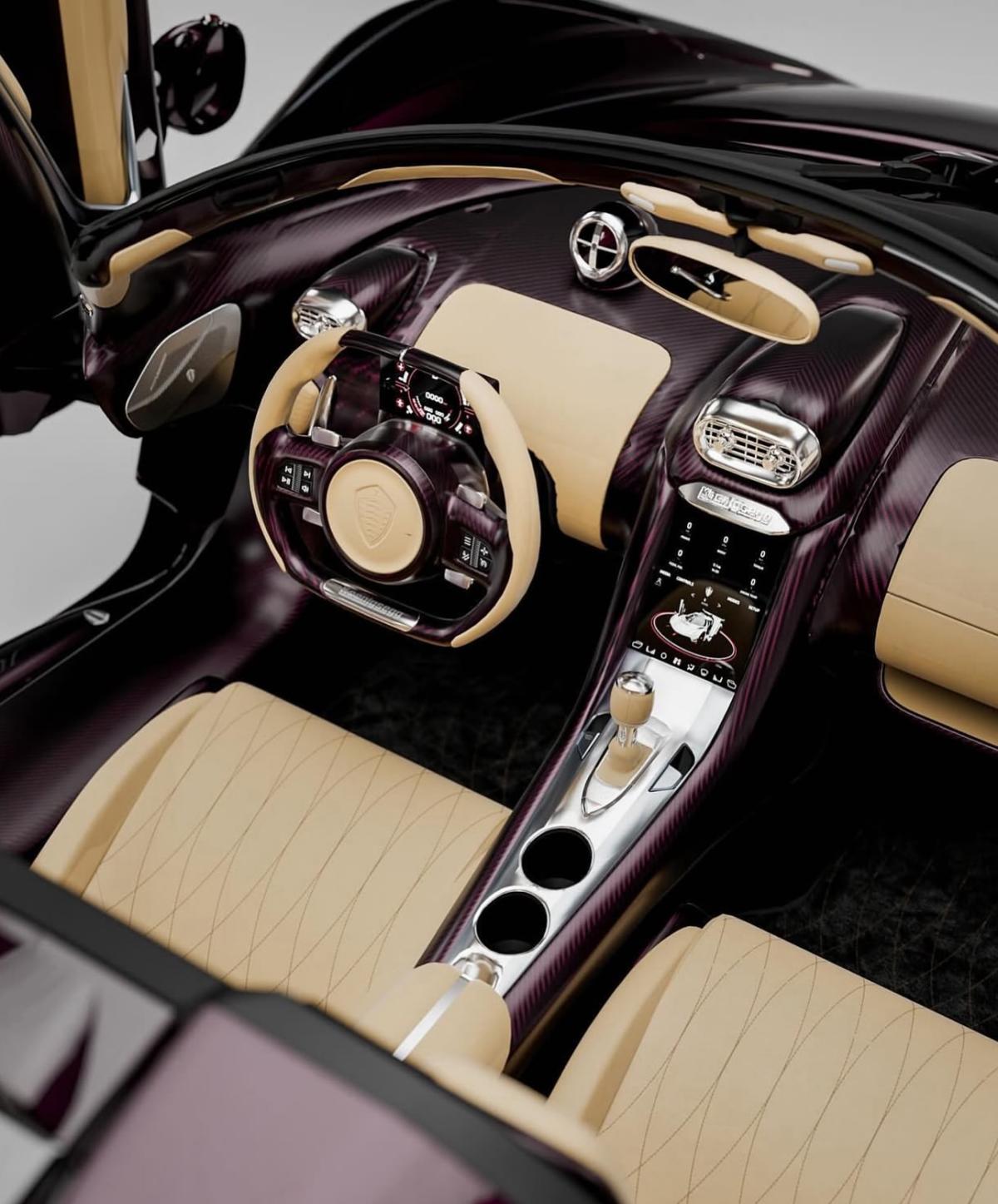
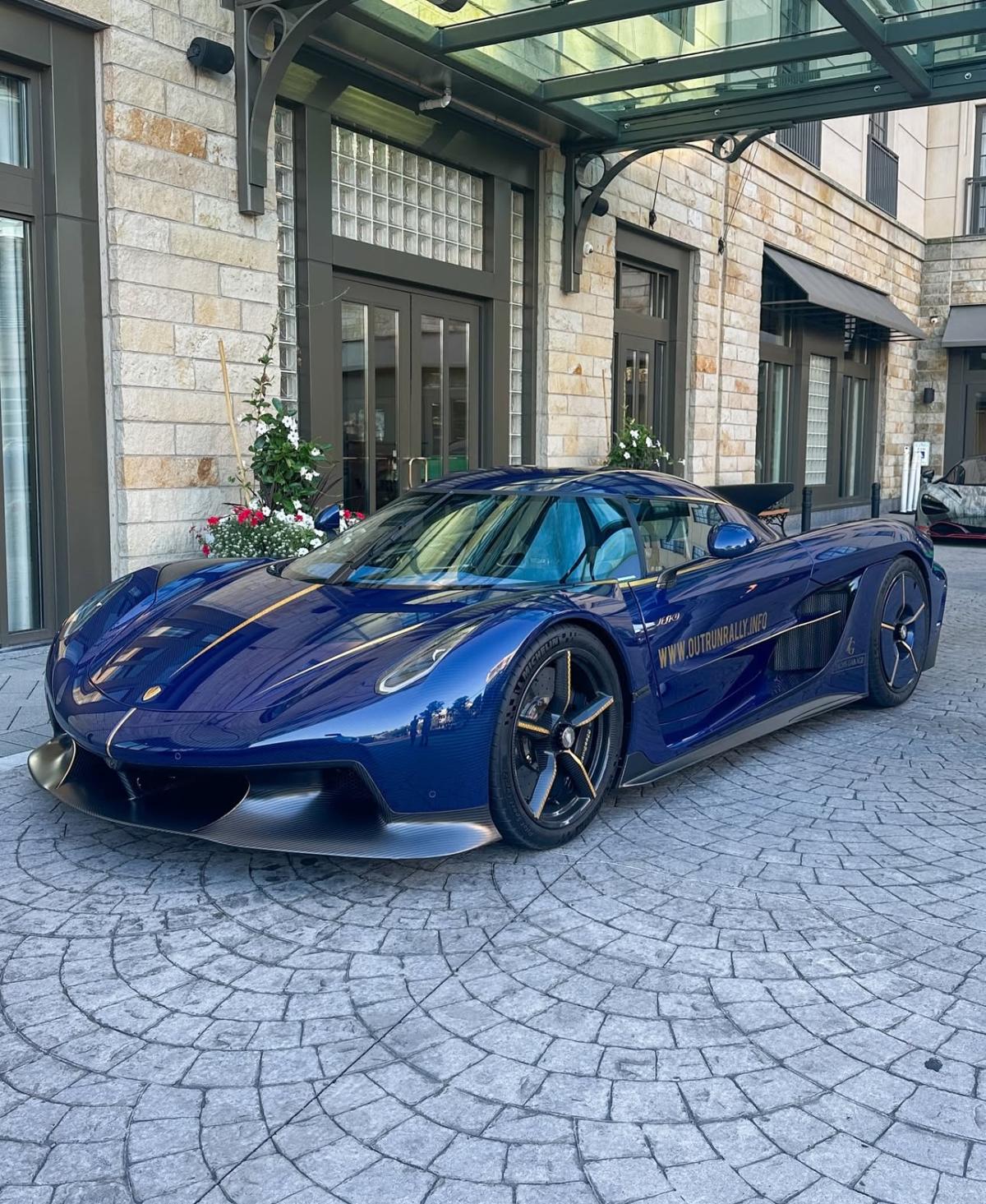
Koenigsegg is the synthesis of futurism and avant-garde engineering. Its bespoke program allows for custom carbon components, interiors crafted from unique materials and colors, and engines calibrated to micron-level precision for optimal performance. Each model is one of a kind—a true engineering poem that blends top-tier speed, featherlight agility, and technological perfection. A Koenigsegg owner does not simply drive a car—they command a hand-crafted emblem of ambition and exclusivity.
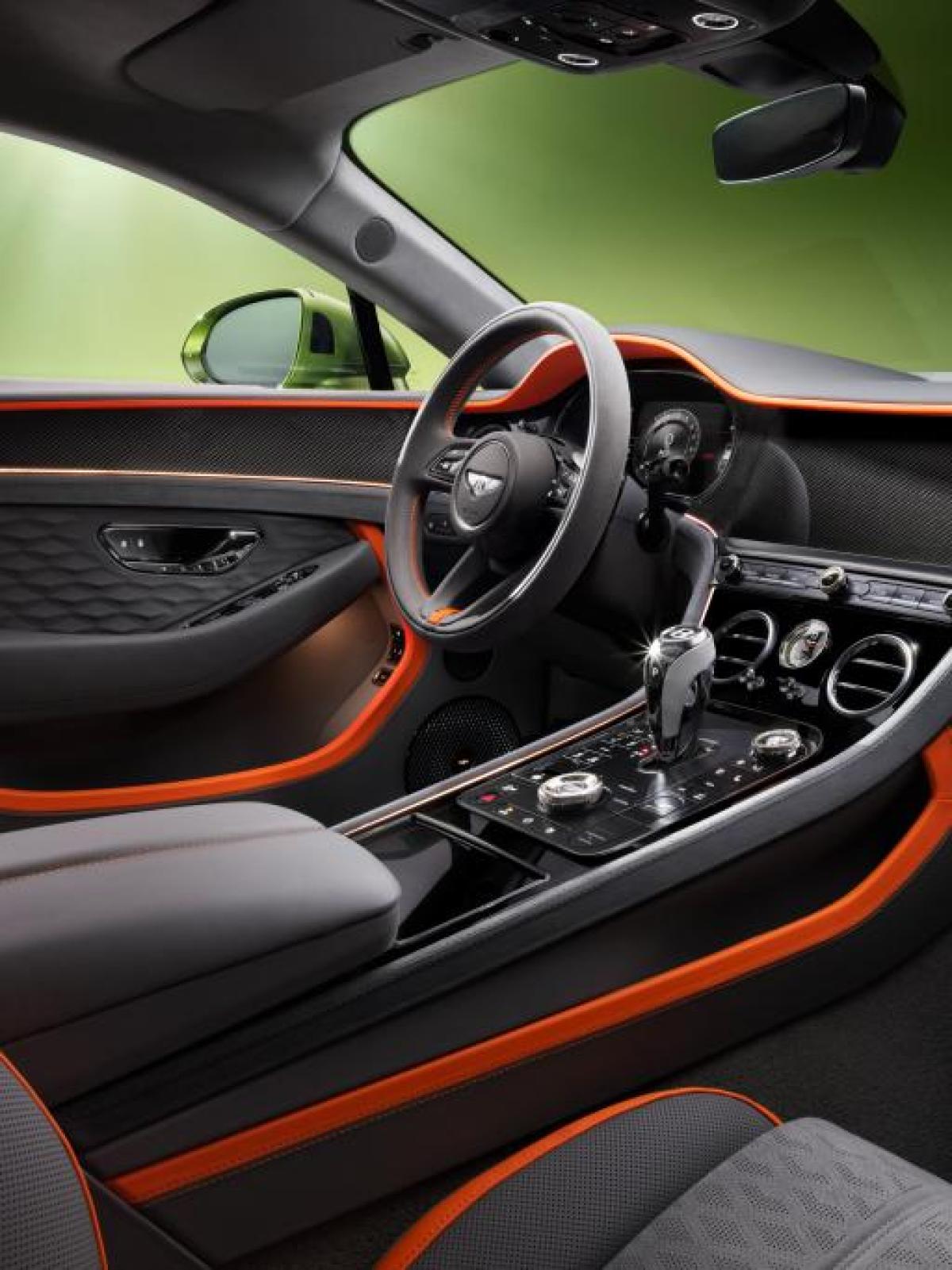
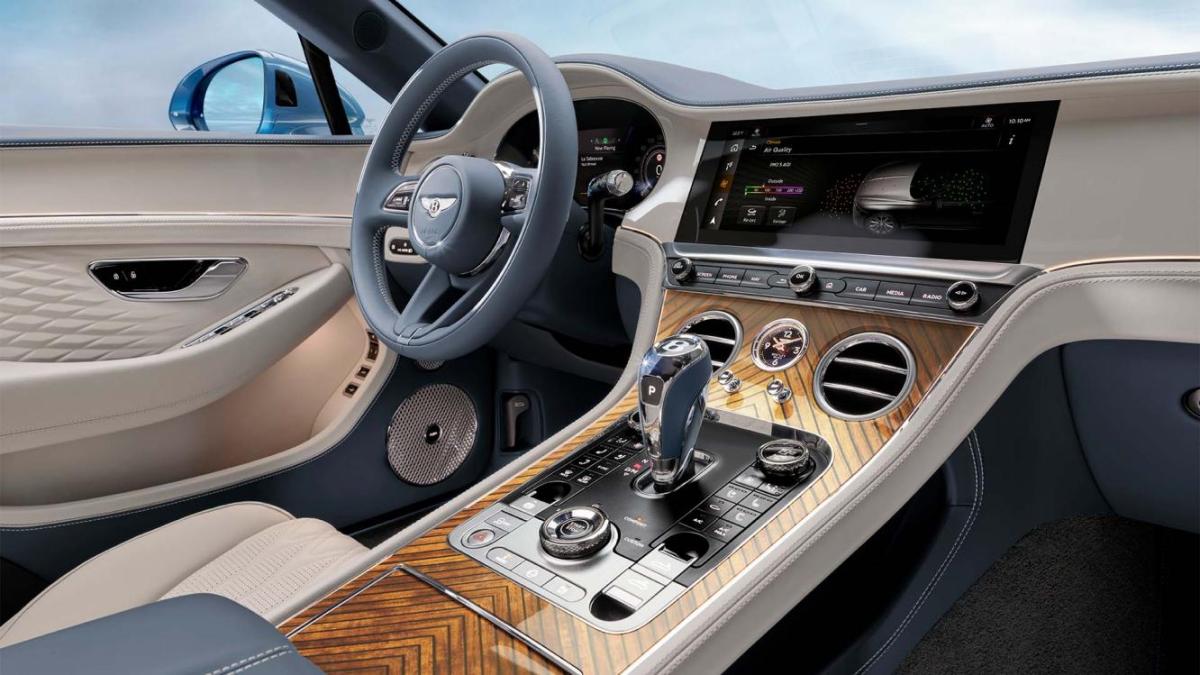
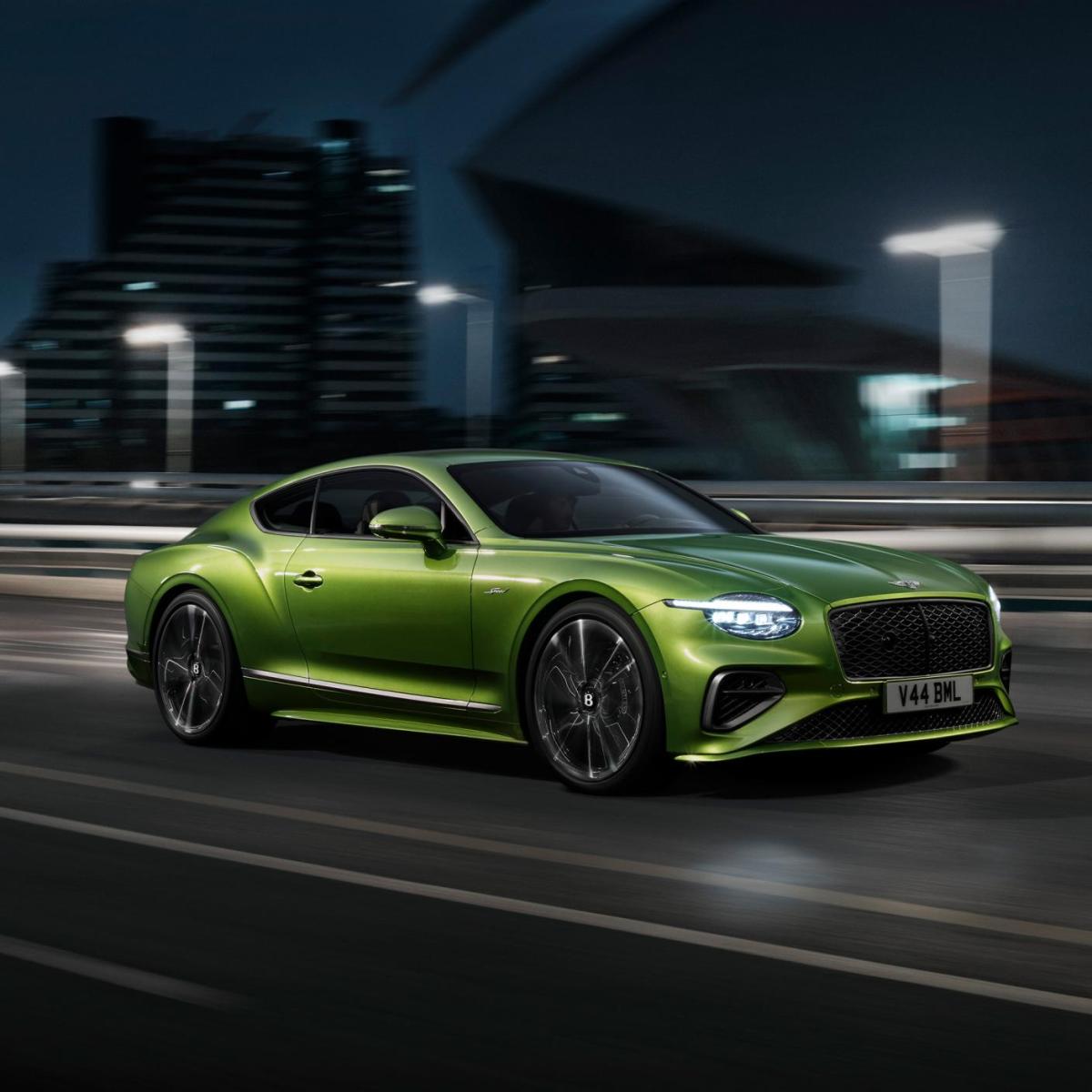
Bentley, though outside the world of classic supercars, belongs to the same universe of perfection. Here, power is restrained, and elegance is a law. The W12 engine purrs like a living organism—you feel it before you even hear it. The car does not shout; it speaks quietly, yet unmistakably, of authority, class, and confidence. Every detail is considered: leather hand-selected, wood panels polished to velvet-like perfection, and an interior that wraps you in a sense of comfort rarely associated with a six-meter-long powerhouse. Bentley does not seek attention on the street—it announces its presence only when you are ready to notice it. Sitting behind the wheel feels like stepping into a private lounge of luxury: serenity, control, and confidence enveloping every inch of your body. Your car, your story.
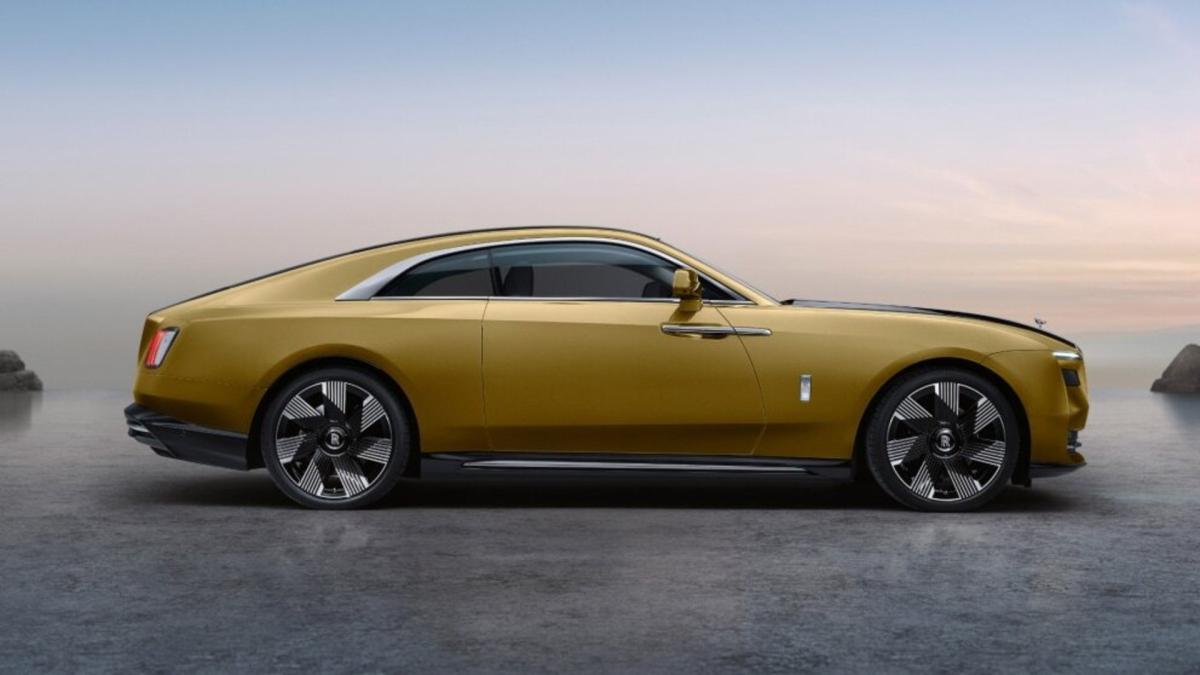
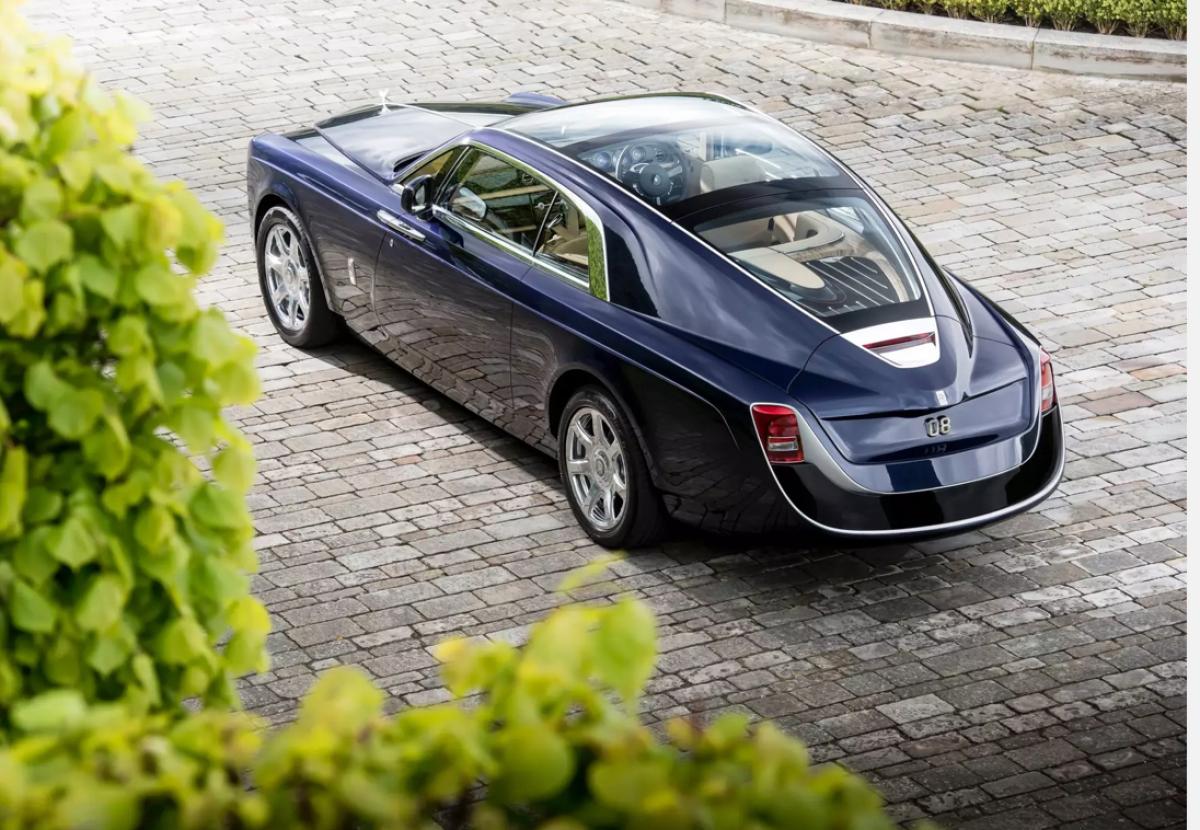
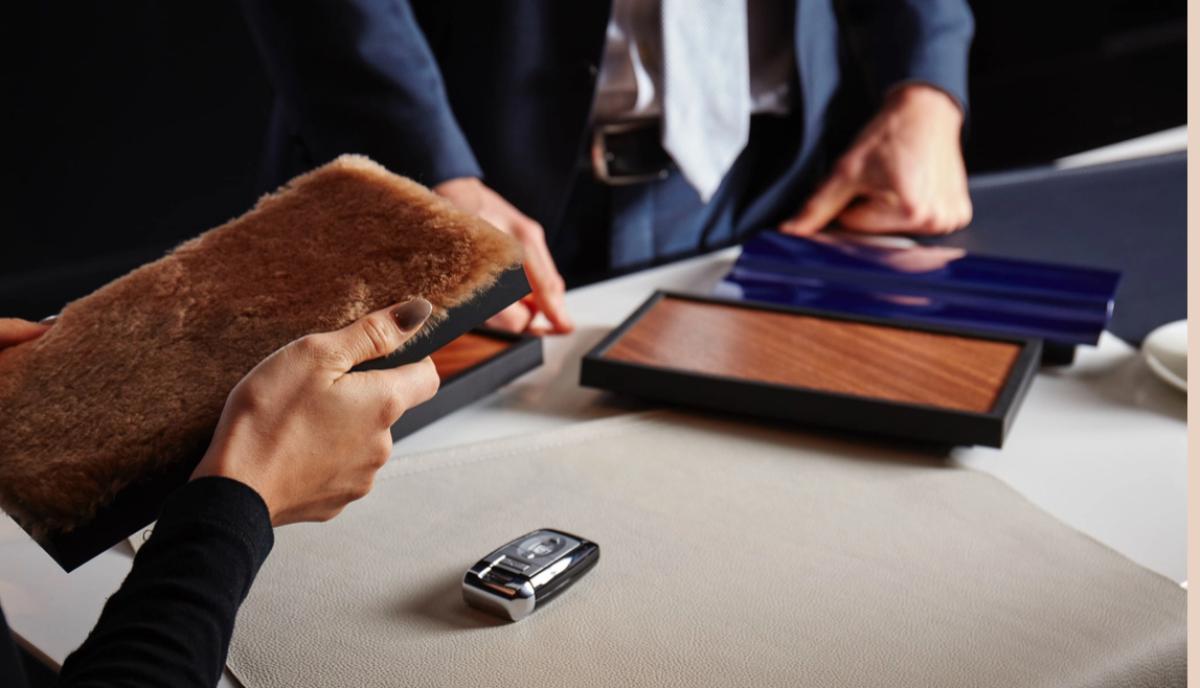
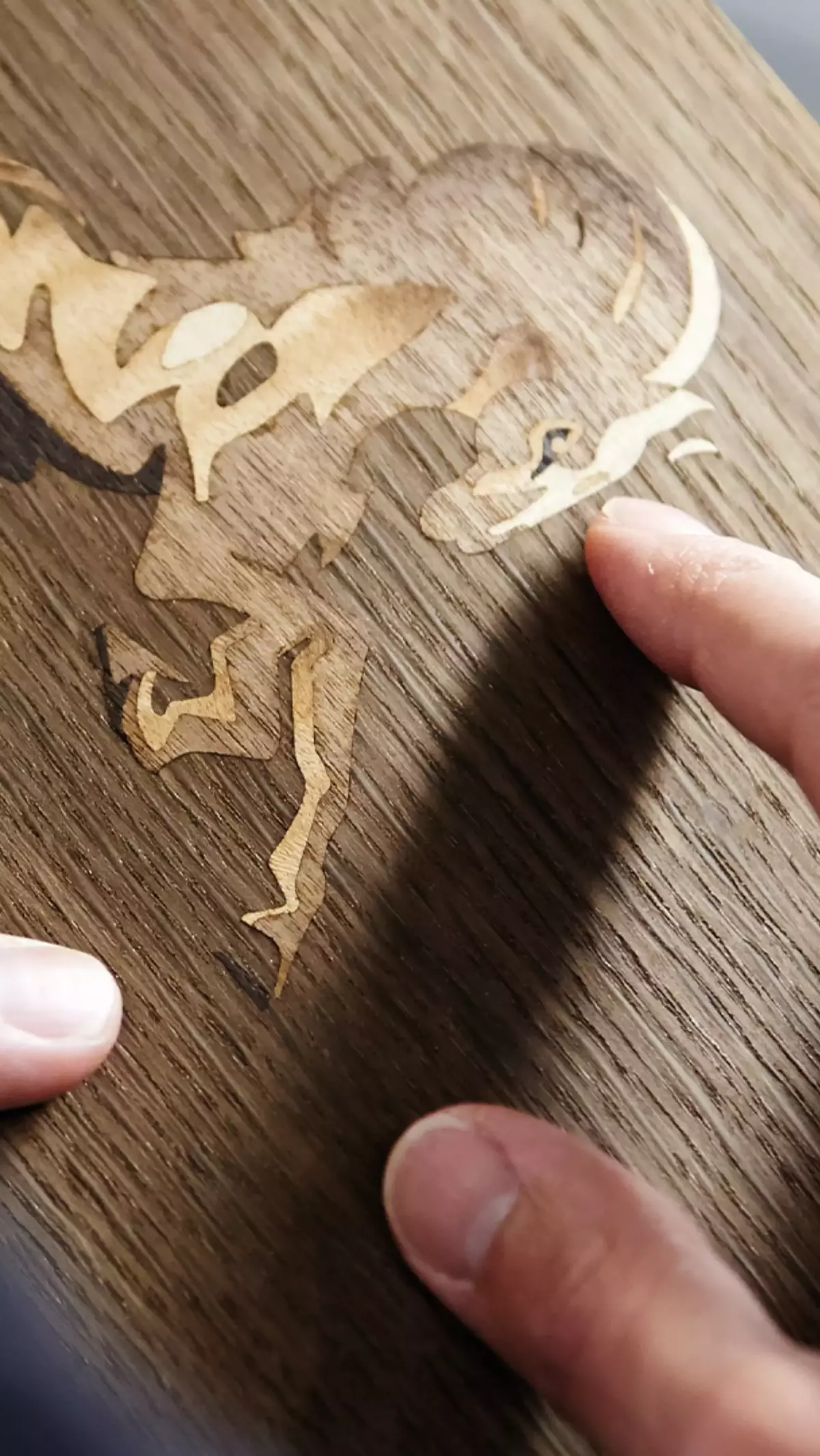
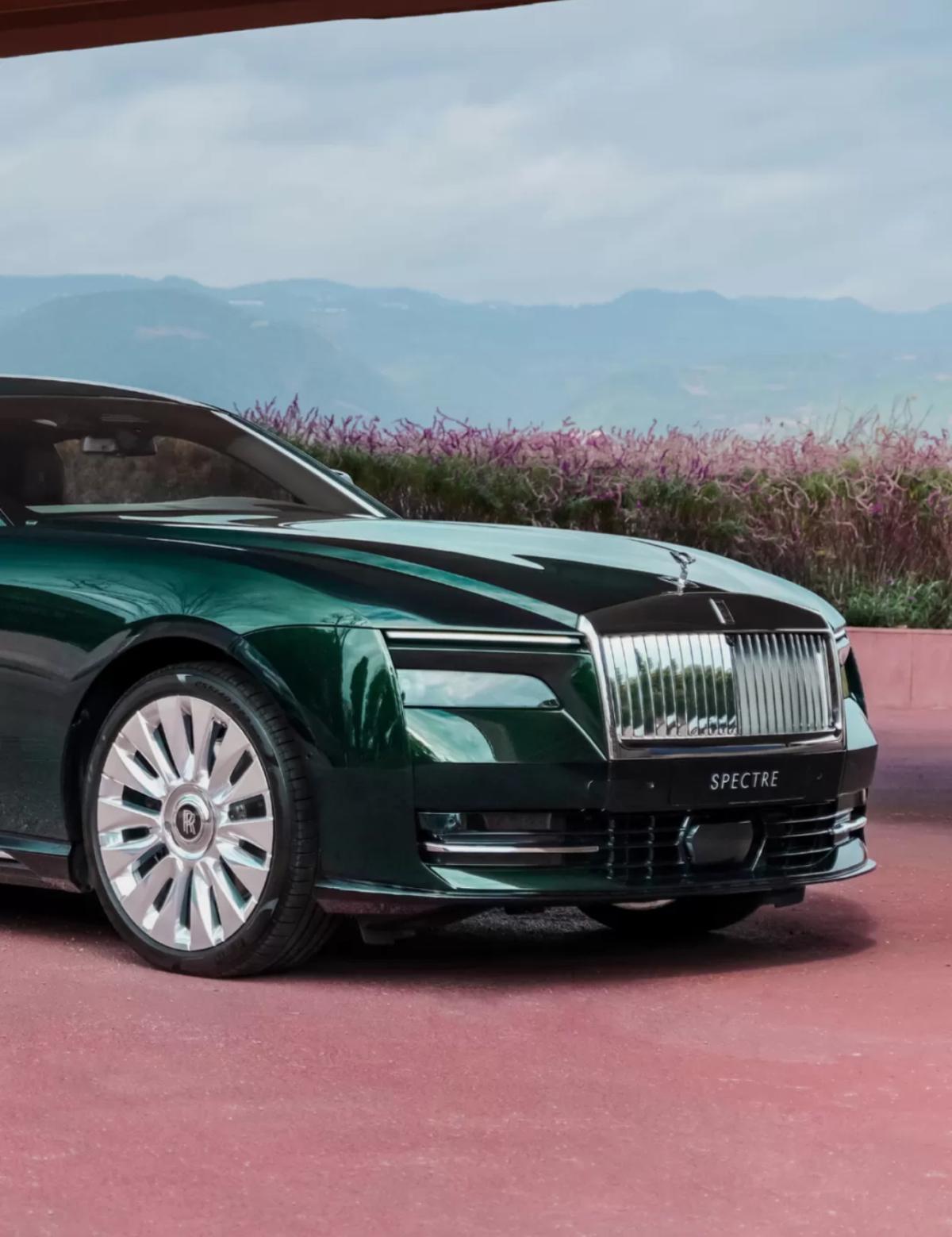
Rolls-Royce does not belong to the world of supercars—it exists beyond speed. While Ferrari and Lamborghini turn motion into adrenaline, Rolls transforms silence into art. This is a car in which time seems to slow, and the road dissolves beneath a cloud of immaculate comfort. The V12 engine is barely audible—it whispers rather than speaks. Its sound is restrained to perfection, as if even the air has learned the discipline of serenity. In the Bespoke programme, every Rolls-Royce is born as a singular creation—paint applied by hand in dozens of layers, wood veneers crafted from a single tree, leather treated not as material but as medium. This is not a car that propels you forward—it carries you into another dimension, where speed becomes merely a backdrop to silence. A Rolls-Royce is never made to impress—it is made to remind the world that perfection needs no justification.
The sound of a supercar is more than engine noise—it is a physical and emotional experience, acoustic alchemy designed to resonate with both body and mind.
The low frequencies of Lamborghini’s V10 and V12 engines, ranging from 20–80 Hz, are not only heard but felt—they vibrate through muscles, bones, and the entire body structure, activating the sympathetic nervous system, quickening the pulse, raising adrenaline, and deepening breath. These deep tones can induce somatic resonance—subtle, involuntary muscle contractions in the pelvic and abdominal regions, which many intuitively associate with the sacral chakra. This is a primal, archetypal response—the vibration of power recognized by the body before the mind comprehends it. Lamborghini engineers understand this, composing each model’s “soundtrack” with meticulous precision: dramatic, volcanic tones, emphasizing low frequencies that awaken instinct and passion.
Ferrari, by contrast, produces a nearly musical sound—each cylinder “sings” in harmony, the high notes of the V12 passing through the chest, creating exhilaration and adrenaline, reminiscent of an Italian opera cast in metal. Porsche’s characteristic flat-six delivers a rhythmic, focused tone, inducing a state of concentration and harmony.
Aston Martin impresses with a rich, velvet bass combined with elegant acoustics that enchant, while Bentley’s W12 purrs with assured, luxurious restraint—vibrations that convey control and authority.
Bugatti delivers an acoustic experience that marries the deep, commanding bass of its W16 engine with harmonic high-frequency overtones. Every detail of the exhaust system is engineered so that the sound is felt as a physical vibration—immense, yet impeccably controlled—almost as if the car itself composes music for the body.
Koenigsegg, meanwhile, creates a signature sound through its twin-turbo V8 engine, where the low notes resonate like the pulse of the machine, and the highs add an element of futuristic harmony. The sound of a Koenigsegg does more than captivate the ear—it awakens the senses, amplifying the perception of speed and absolute command.
All these acoustic identities are engineered to impact the body and psyche, evoking thrill, euphoria, and pleasure. When the engine comes alive, one experiences not merely sound, but a vibrational signature—a testament to power, life, and primal energy.
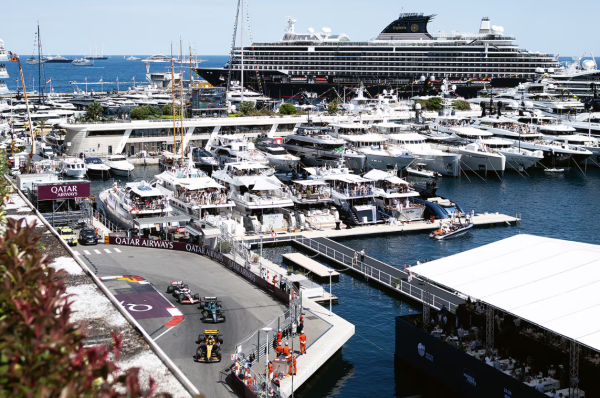
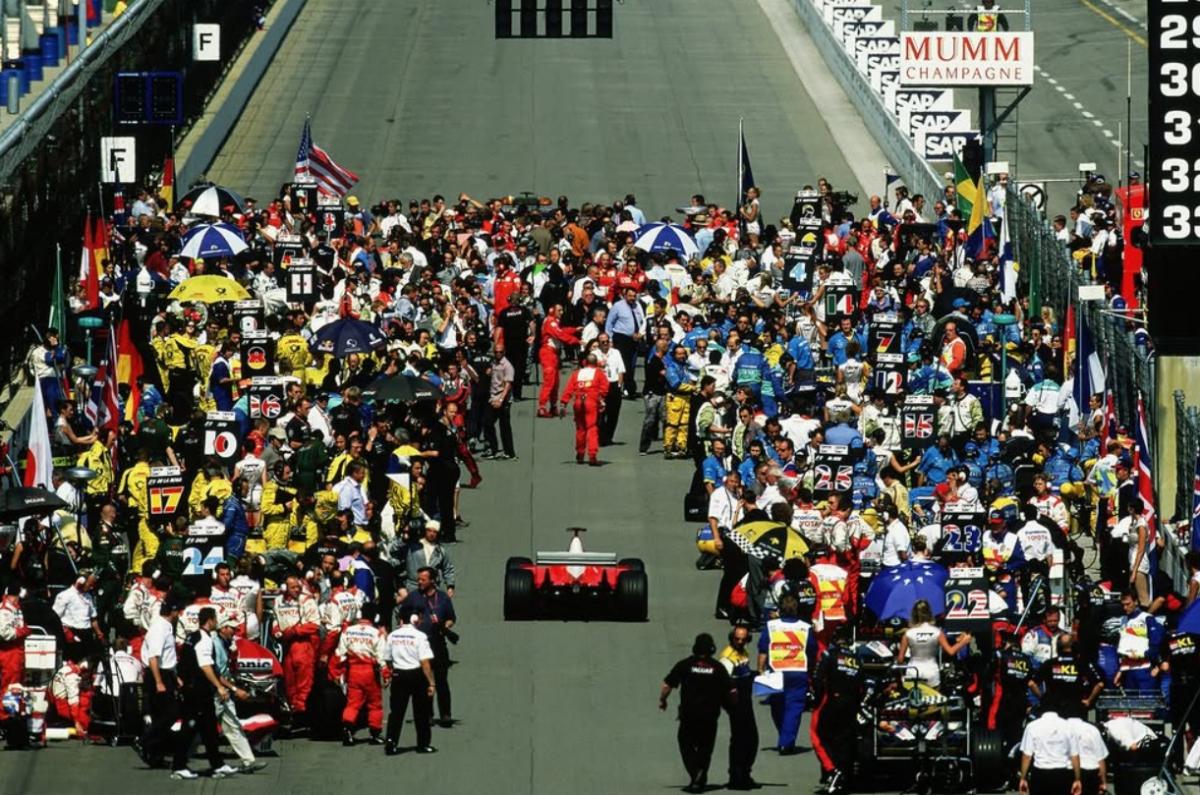
The true magic of speed is born on the circuit. Tracks such as Monza, Silverstone, Monaco Grand Prix, Spa, and Suzuka are sacred territories, where the names Ayrton Senna, Michael Schumacher, Nico Rosberg, James Hunt, Gilles Villeneuve, Niki Lauda, and Lewis Hamilton are whispered like prayers. Supercar owners often spend their weekends not at resorts but on tracks—in programs like Ferrari Corse Clienti or Porsche Track Experience, where every corner is learned as a musical rhythm. There, in helmets and gloves, status dissolves. Only skill, instinct, and the engine screaming into the redline remain.
The world of automotive clubs is like a private brotherhood of modern knights.
Membership in Ferrari Club Italia is granted by recommendation and vetting. It is a community steeped in tradition—with refined dinners in Maranello, Mille Miglia parades, and exclusive access to F1 paddocks. Members are called Tifosi—not merely fans but believers in the cult of the prancing horse.
Lamborghini Club America and its European counterparts inhabit another universe—meetings are art festivals: dozens of cars in neon hues, arranged like living sculptures along Alpine passes or the Amalfi coast. Their iconic Giro is a blend of rally, fashion show, and opera production.
Porsche Club of America, with over 140,000 members, is the largest automotive club in the world. Engineers, collectors, and precision devotees converge, organizing track days, technical conferences, and classic car exhibitions—each event executed with near-academic discipline.
The Aston Martin Owners Club embodies the spirit of Oxford—calm, elegance, conversations about design and wine, meetings in estates where the cars stand like aluminum sculptures.
The Bugatti Owners’ Club is an exclusive fellowship for those who cherish engineering excellence and a devotion to detail. Meetings are private, limited in number, and include track test drives and behind-the-scenes tours of the Molsheim factory. Membership is less about social status than a commitment to the art of the automobile.
The Koenigsegg Owners’ Club brings together a small, passionate circle of collectors and innovators. Gatherings feature demonstrations of technological breakthroughs, track tests, and discussions of engineering solutions. Membership is for those who not only love speed but also appreciate the philosophy of the brand—that each car is a unique work of engineering art, designed to impress both with performance and intellectual ingenuity.
Bentley Drivers Club, one of the oldest in the world, preserves the ethos of gentlemanly racing from the 1930s, when Bentley conquered Le Mans with drivers who later celebrated with champagne and tuxedos.
The Rolls-Royce Enthusiasts’ Club is less an automotive circle and more an aristocratic society. Membership is not measured in laps around a circuit, but in years of reverence for heritage and craftsmanship. Gatherings unfold in stately homes, amid conversations about restoration, lineage, and the artistry of engineering. There is no roar of engines, no scent of burning rubber—only the echo of centuries of mechanical ethics and British elegance. For its members, owning a Rolls-Royce is not a matter of status but a devotion to the idea of timelessness. This is a club where one does not race against others—one competes only with oneself.
Today, the car is no longer merely a means of transport—it is part of the home, the life, the identity. In modern residences, the garage is a gallery, with lighting designed to accentuate the car’s lines. In Los Angeles, there are underground glass display cases with rotating platforms. In Dubai—entire “car living rooms” where a Lamborghini stands beside a Steinway piano. In Monaco, a Ferrari is illuminated like a museum installation.
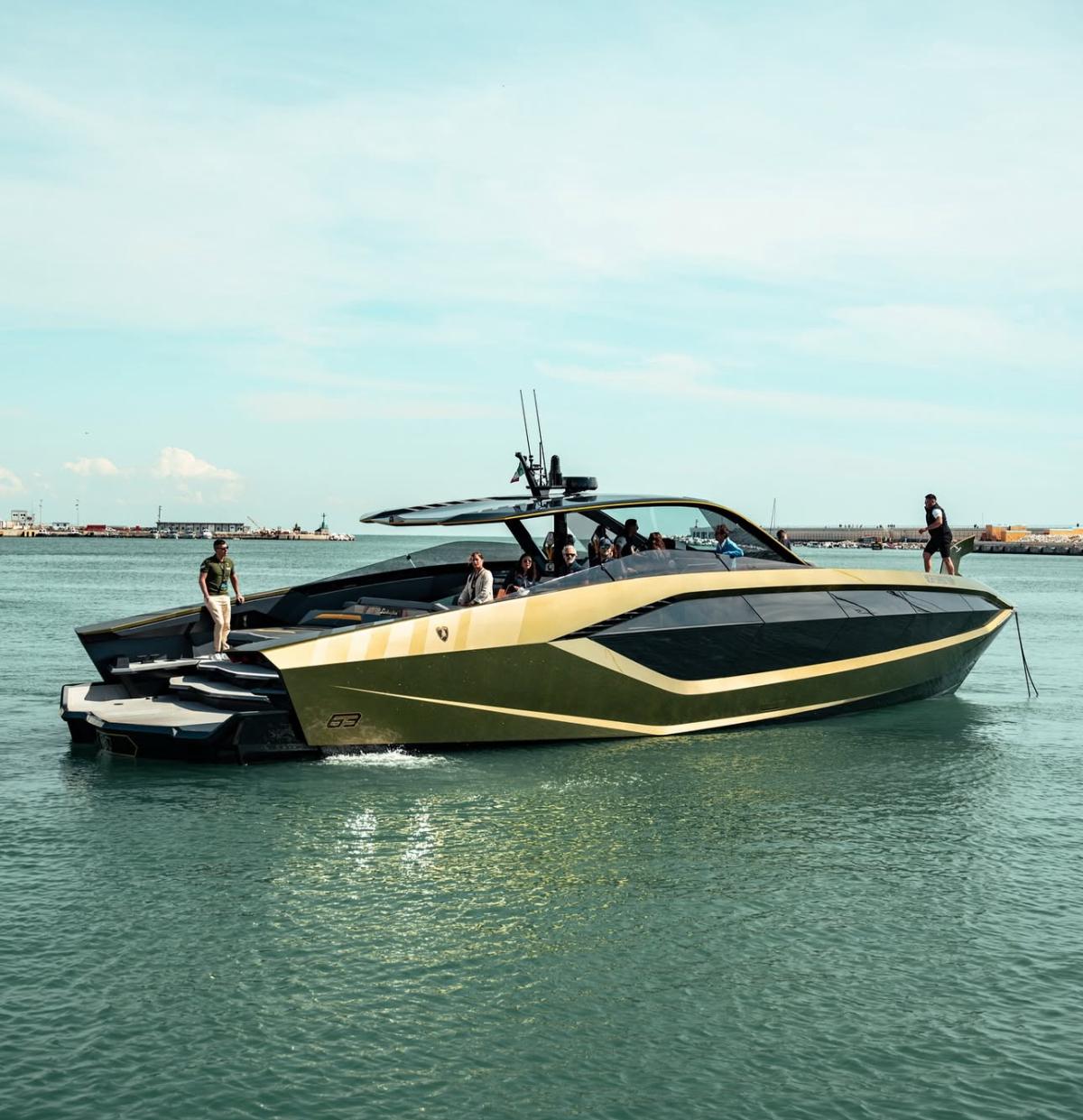
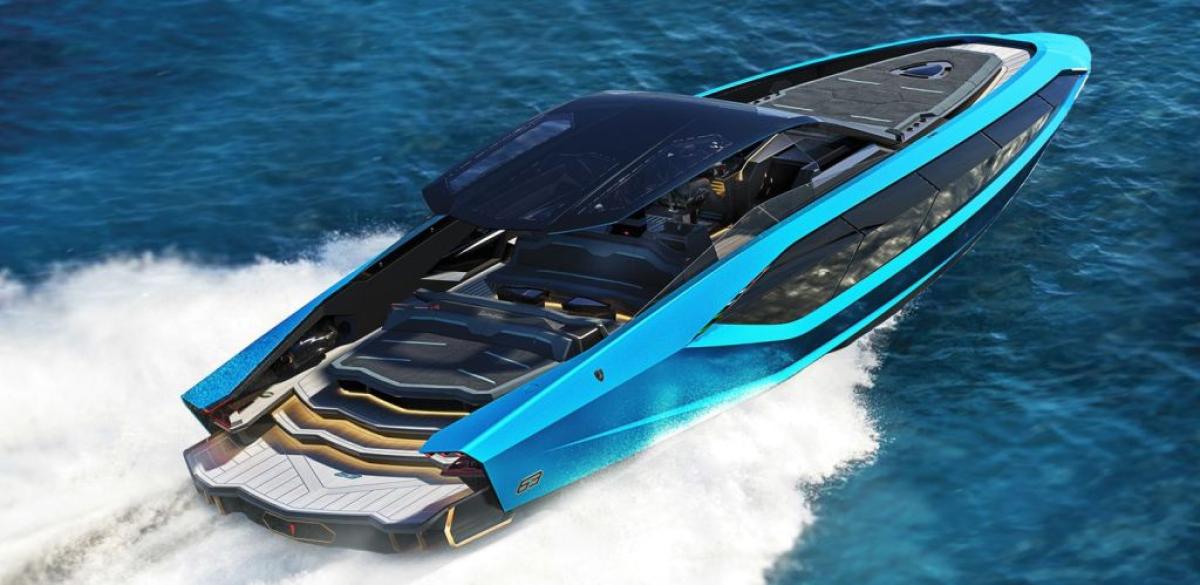
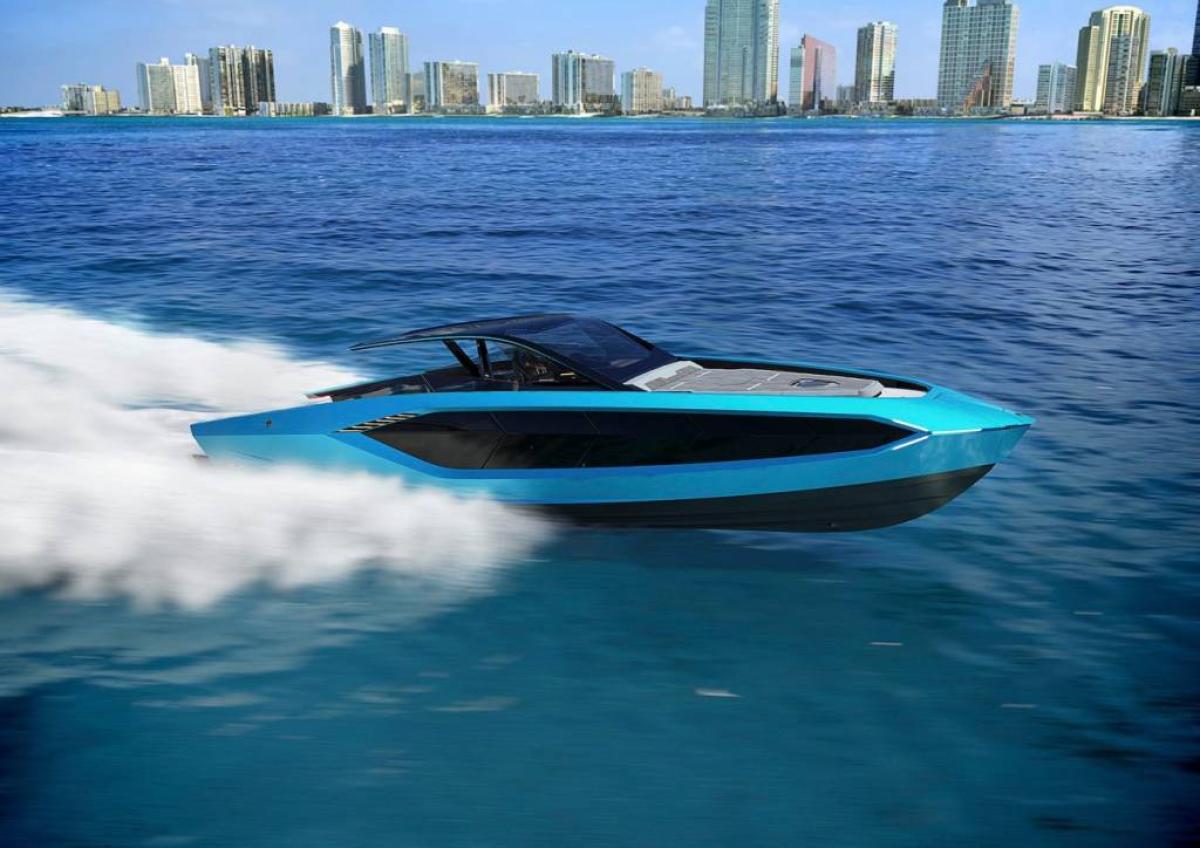
The brands have long outgrown the automobile. Ferrari has its own fashion line, boutiques in Milan and London, collaborations with Armani and Hublot. Lamborghini designs furniture and yachts. Porsche Design produces watches and eyewear. Aston Martin even develops residential complexes in Miami and Dubai. Speed has become a lifestyle—a culture of motion, aesthetics, and status.
Being part of this world is not merely a matter of wealth—it is an attitude. A passion for perfection, a ritual of discipline and freedom. Owners of Ferrari, Lamborghini, Porsche, or Aston Martin live in a unique coordinate system—where every tenth of a second counts, every line is art, and every surge of acceleration is a form of expression.
Ultimately, speed is not escape. It is a way to feel profoundly, unmistakably alive.
Photos: F1.com, Porsche.com, Lamborghini.com, Ferrari.com., Bentley.com, Astonmartin.com, Rolls-roycemotorcars.com, Bugatti.com, Koenigsegg.com.
© Copyright 2026 Unique Estates. All rights reserved.