03/05/2026
Lifestyle

In the world of contemporary luxury lifestyle, a fascinating shift has taken place. The pursuit of uniqueness and authenticity is no longer defined solely by rare materials, designer furnishings, or cutting-edge technology. Increasingly, architects and interior studios are turning to modern art as a defining force in shaping identity. Art becomes an architectural gesture, a symbol of thought, a personal narrative woven directly into the space. Within this context, contemporary Portuguese art stands out with its bold character, distinctive signature, and extraordinary ability to merge tradition and innovation.
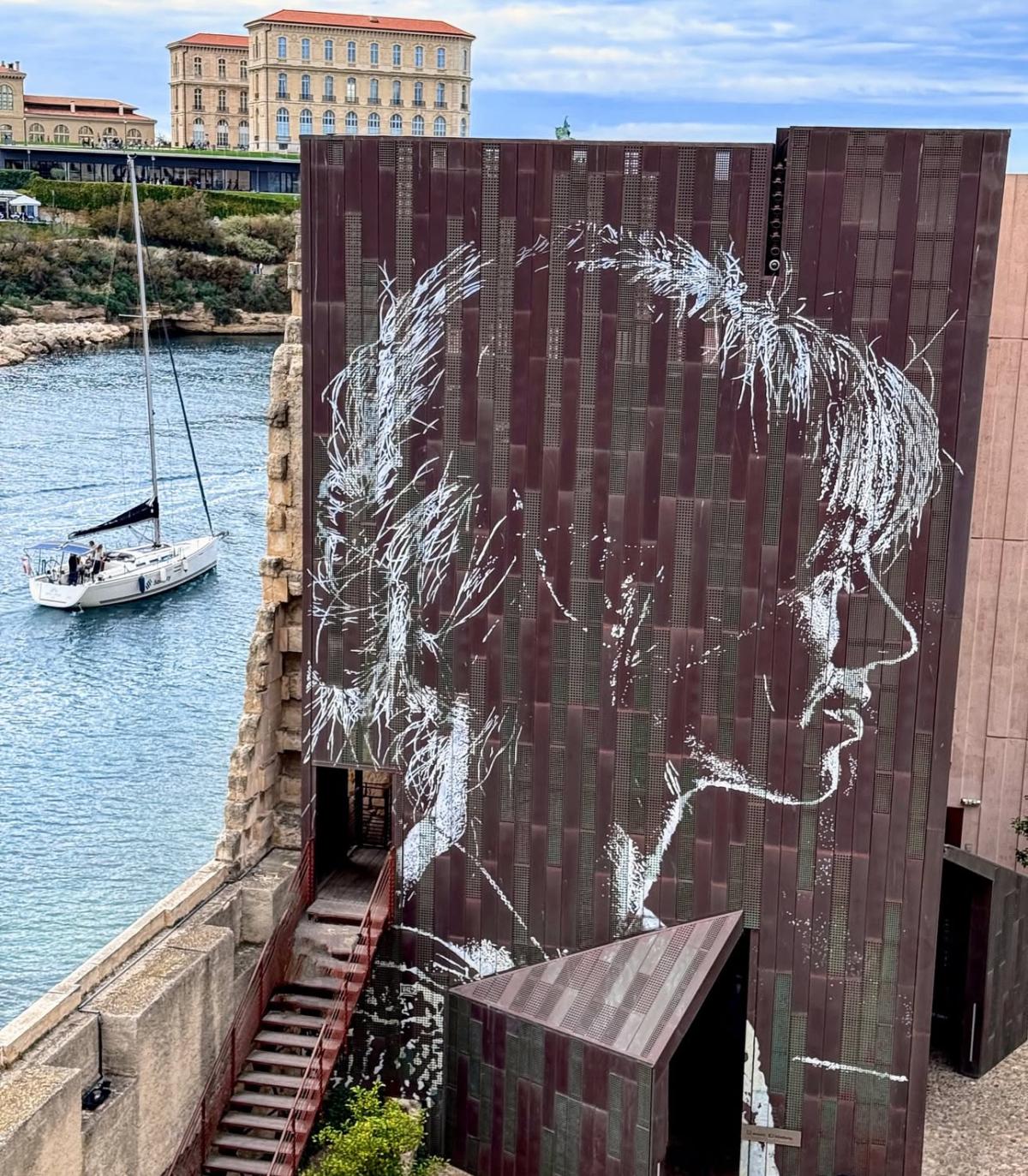
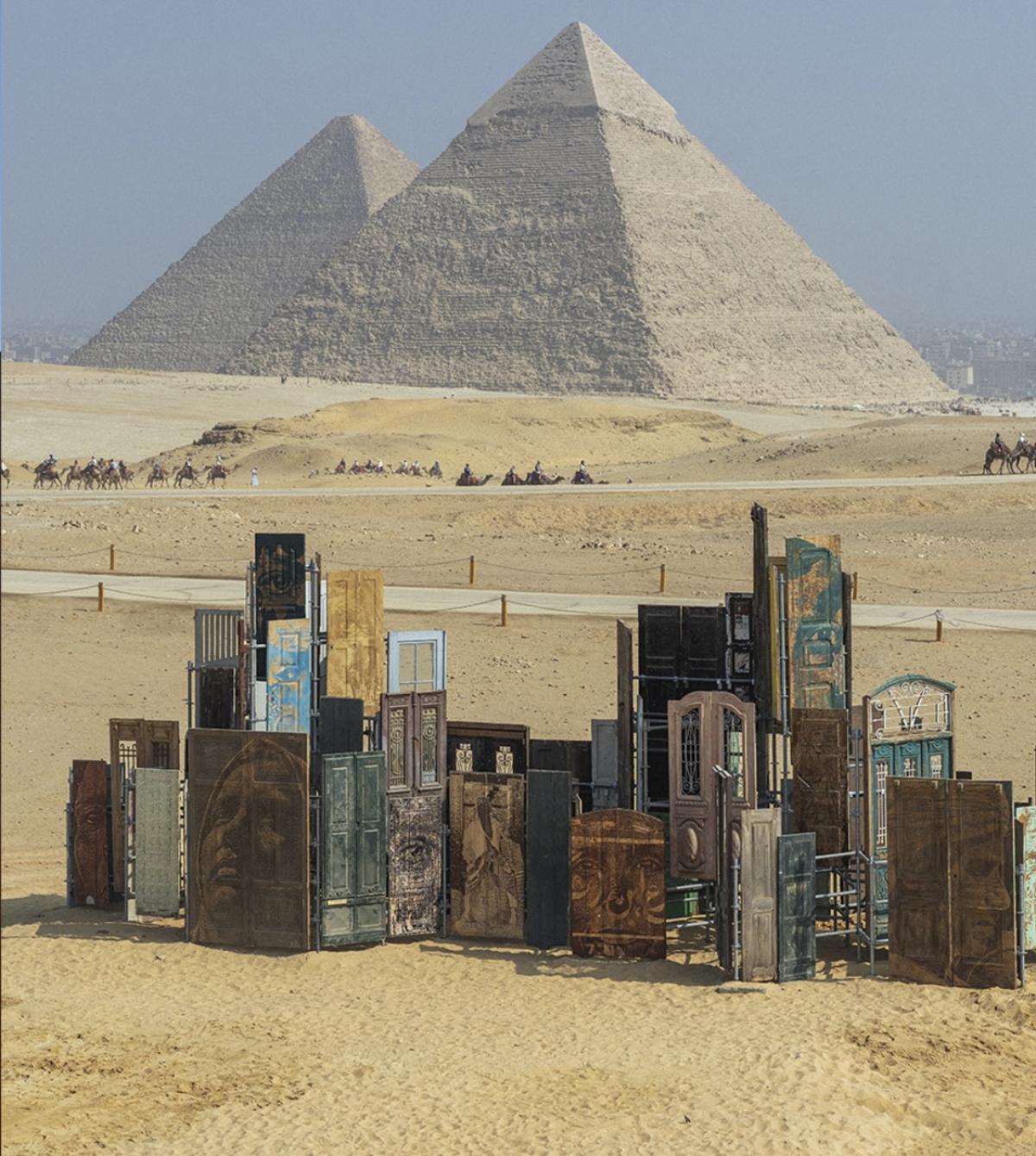
Among the artists redefining the role of contemporary art in luxury environments, the name of Portuguese artist Alexandre Farto—better known as VHILS—shines particularly bright. He is the artist who quite literally carves the faces and stories of cities. His work has grown into a global phenomenon and, in November 2025, he unveiled a striking installation at the iconic international exhibition Forever Is Now 05, set at the foot of the Pyramids of Giza—one of the world’s most symbolic cultural landscapes. The exhibition marked not only a significant milestone in his career, but also underscored the ability of contemporary Portuguese art to engage in dialogue with human history and heritage.
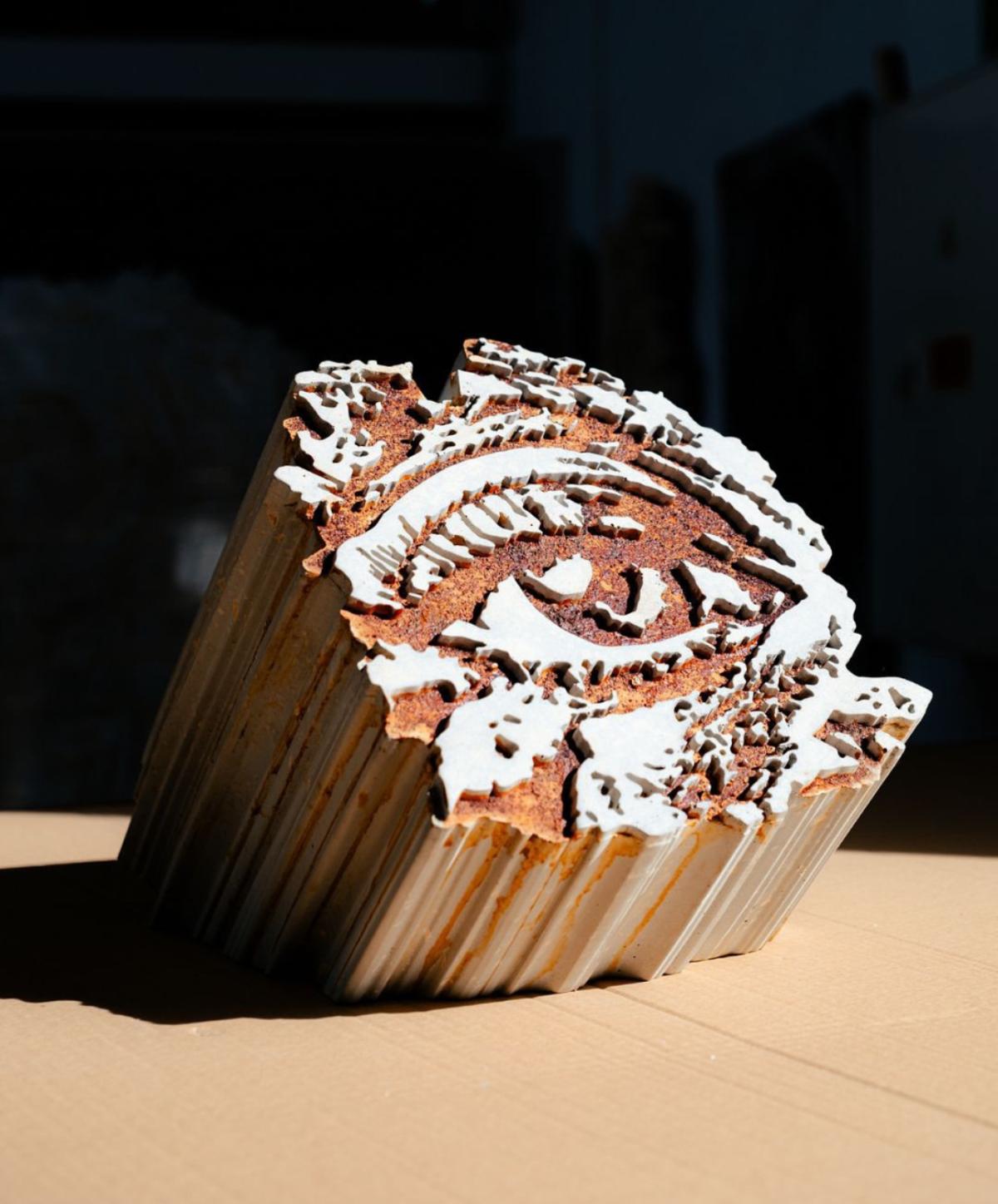
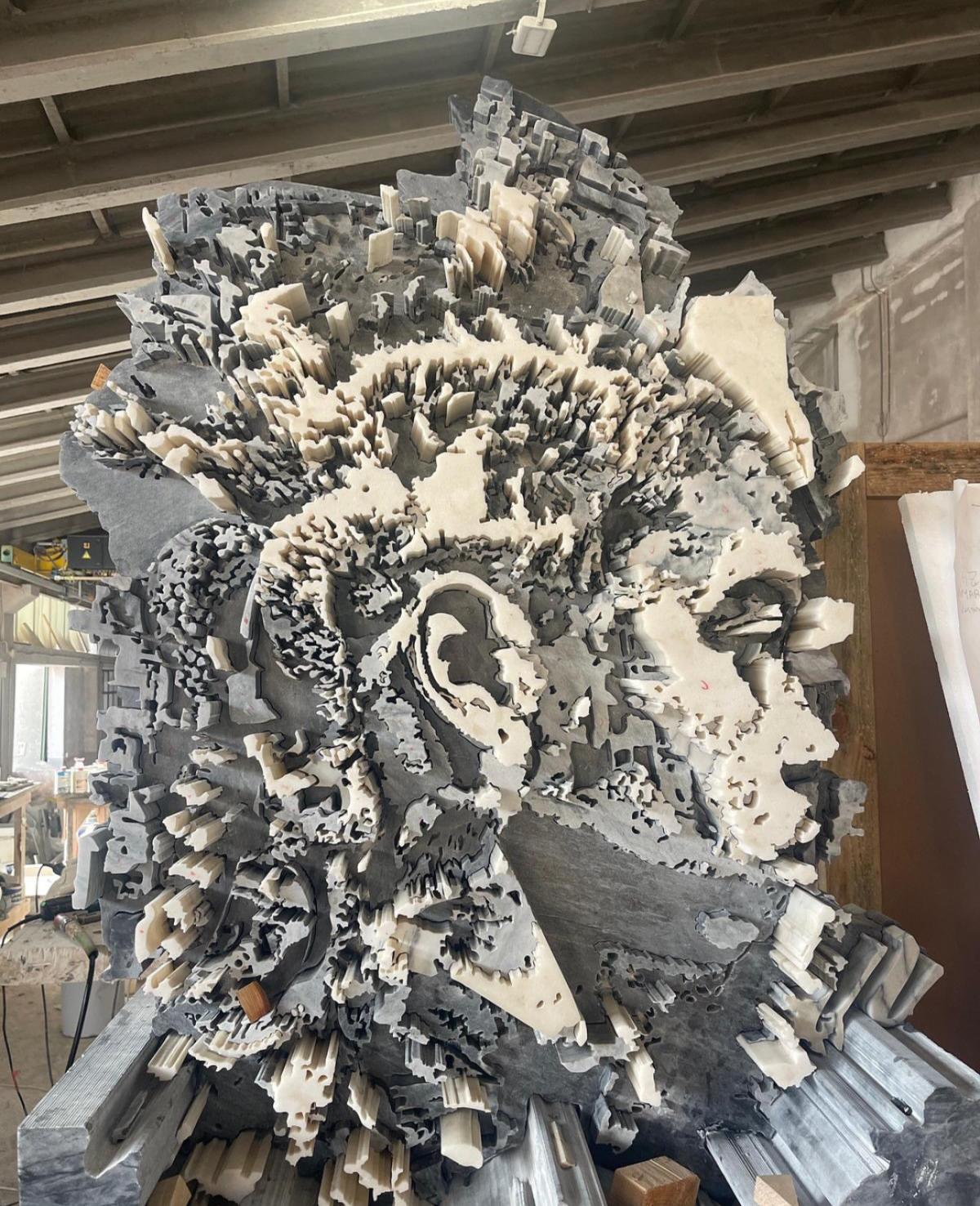
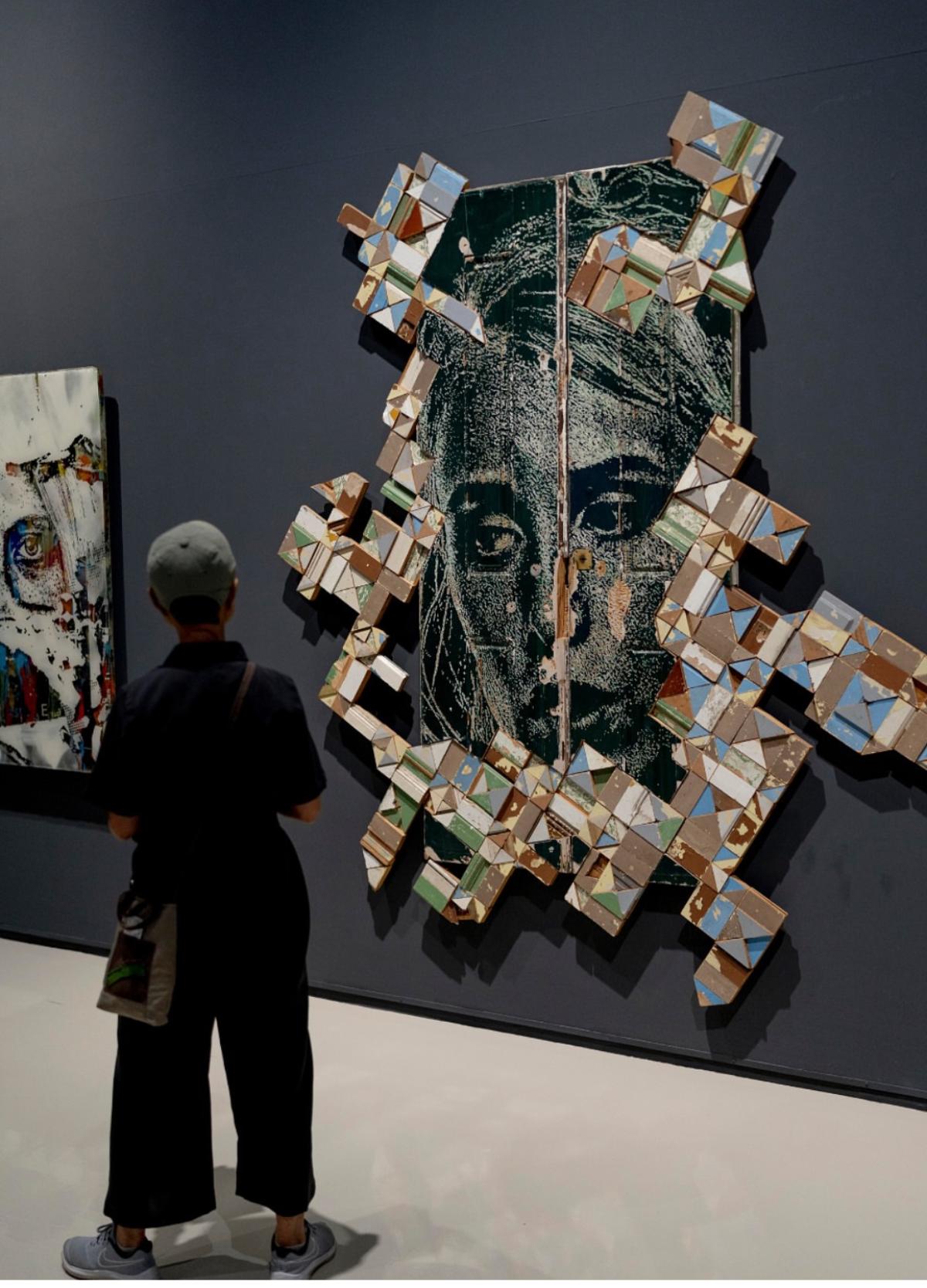
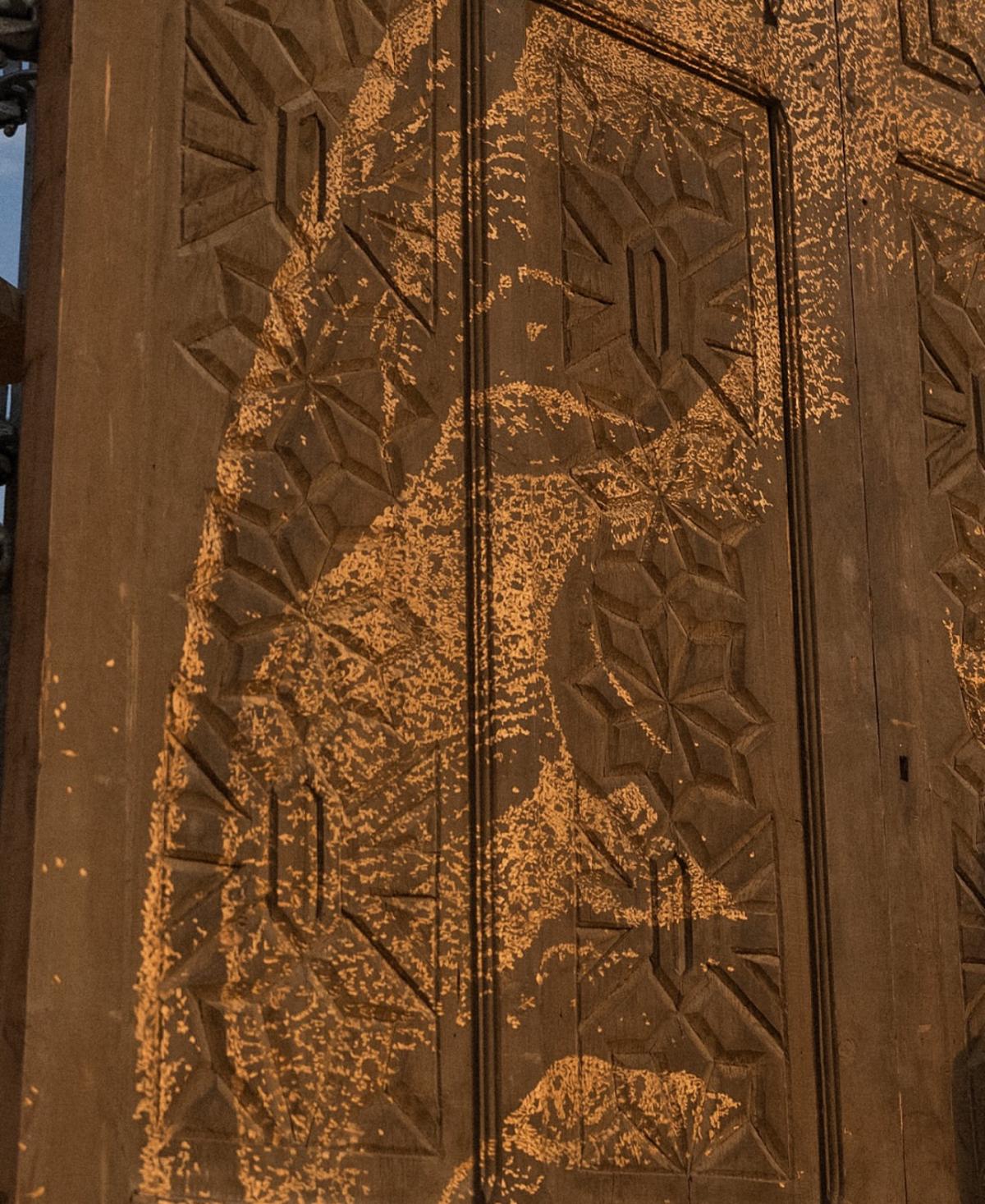
Alexandre Farto (VHILS) was born in the suburbs of Lisbon—an urban landscape where cracked facades, graffiti, posters, and layers of paint tell countless stories. These “urban strata” form the basis of his artistic approach. He does not paint on the wall; he reveals what already lies beneath its surface. Using knives, chisels, drills, and even controlled explosions, he removes sections of the wall to create sculptural reliefs—an unmistakable hallmark of his work.
This method is far more than a visual technique; it is a concept. VHILS sees cities as living organisms, wrapped in layers of time, culture, memory, and forgotten traces of human presence. By removing material, he uncovers identity. His portraits often depict people we do not know—yet we instantly understand their context. These are ordinary residents, workers, passersby, heirs of cultural layers. Each relief becomes a visual biography.
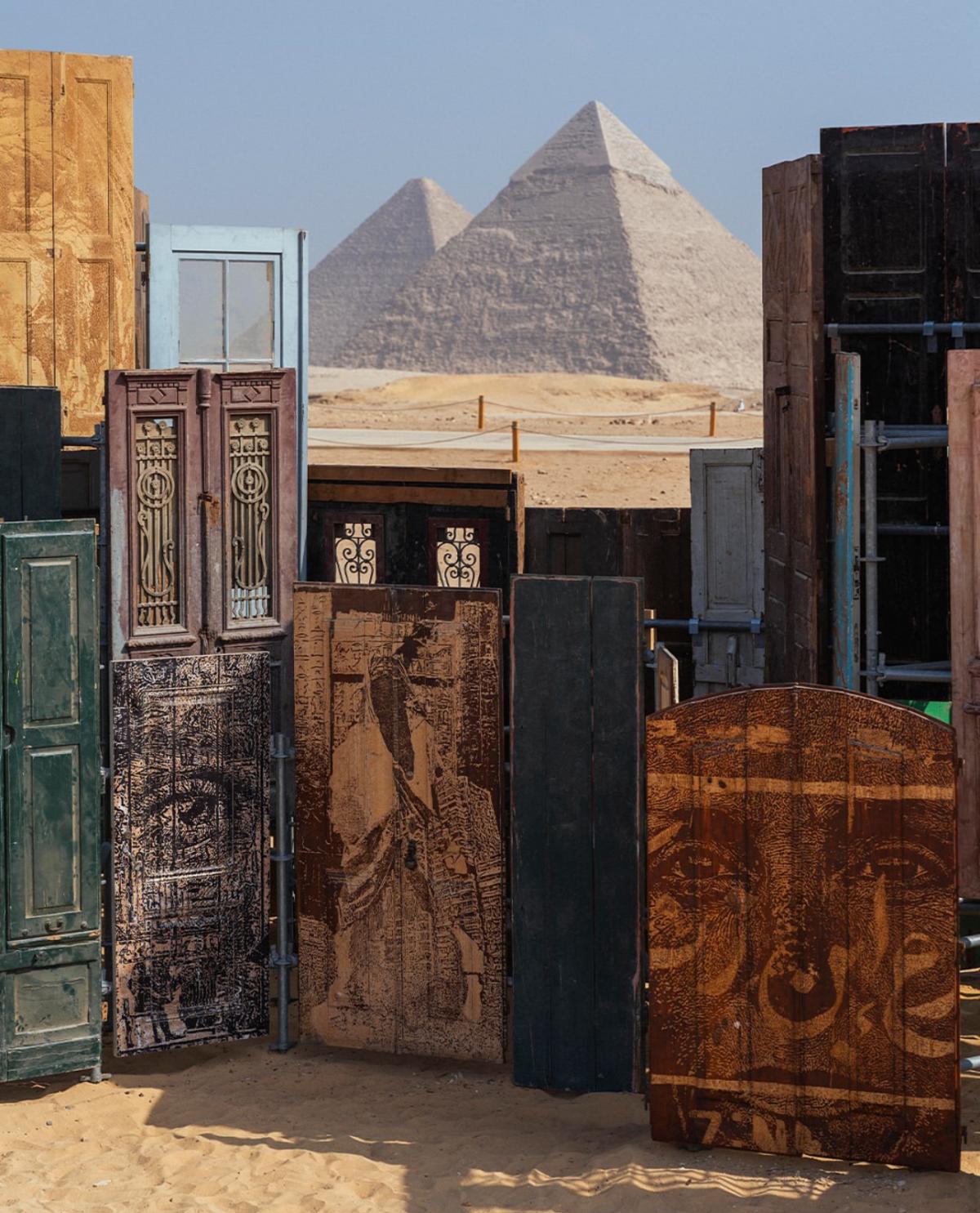
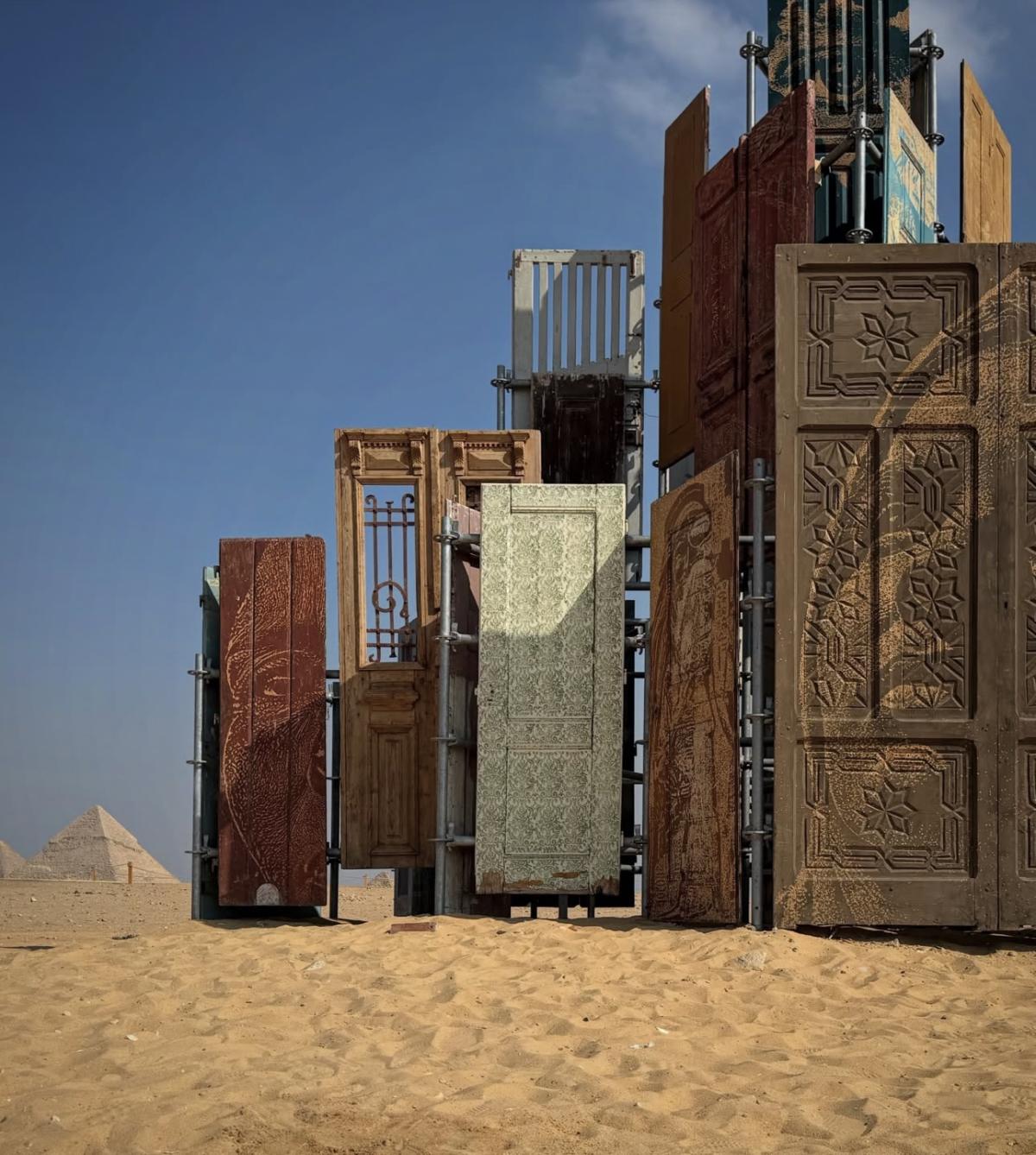
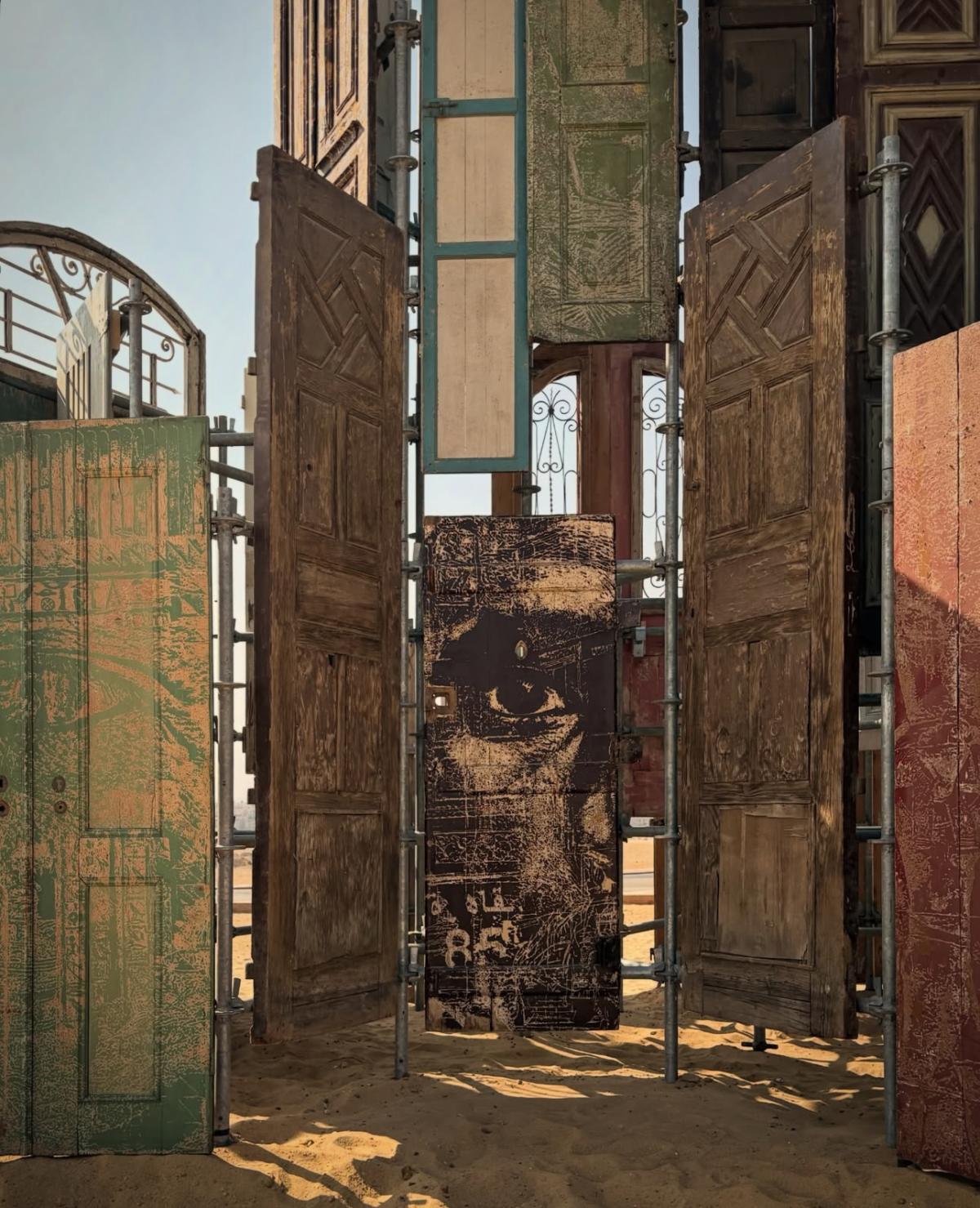
In November 2025, VHILS presented his large-scale installation Doors of Cairo at Forever Is Now 05, an open-air exhibition bringing together contemporary artists from around the world in direct dialogue with the Pyramids of Giza. Being invited to create work for such a setting is an honour few artists experience—and VHILS is the first Portuguese artist to join the project.
The installation is a composition of doors brought from his hometown in Portugal—each one marked by time and by the lives of those who passed through them. Weathered frames, scratches, layers of paint, traces of repairs: every door bears witness to generations. Set against the desert landscape near the pyramids, these objects create a stunning contrast between ancient and contemporary, between European context and Middle Eastern history, between what remains unchanged and what inevitably fades.
Doors of Cairo explores themes of identity, home, belonging, and transformation. The doors become metaphors for passage—between cultures, eras, and worlds. At the heart of the project lies the relationship between people and the places they inhabit. The narrative is both personal and universal: the artist’s Portuguese roots meet Egypt’s millennia-old civilization, allowing viewers to witness a dialogue between cultures and spatial histories.
Today’s society values homes and workspaces that reflect personal philosophy and cultural taste. Art is no longer merely decoration—it is storytelling. And VHILS offers a remarkably powerful tool for this.
His carved portraits, created in concrete, wood, or metal, integrate naturally into modern interiors with industrial, minimalist, or brutalist aesthetics. They act as architectural focal points that redefine an entire space. A single work can become a dramatic centrepiece in a hotel lobby, a defining highlight in a luxury penthouse, or a conceptual anchor in a private gallery.
VHILS frequently uses metal panels, wooden surfaces, and elements taken directly from the urban environment. In luxury interiors, these components become fragments of “urban archaeology,” embedded within the living space. They evoke authenticity—a tactile sense of history inscribed in the present.
As technology evolves, he also creates digital artworks that combine light, movement, and sound—perfect for smart homes, contemporary art spaces, and private collections seeking a dynamic, ever-changing visual element.
Portugal’s vibrant art scene offers numerous creators who contribute richly to contemporary aesthetics and luxury interiors. Each brings a unique voice, innovative technique, and a strong visual identity.
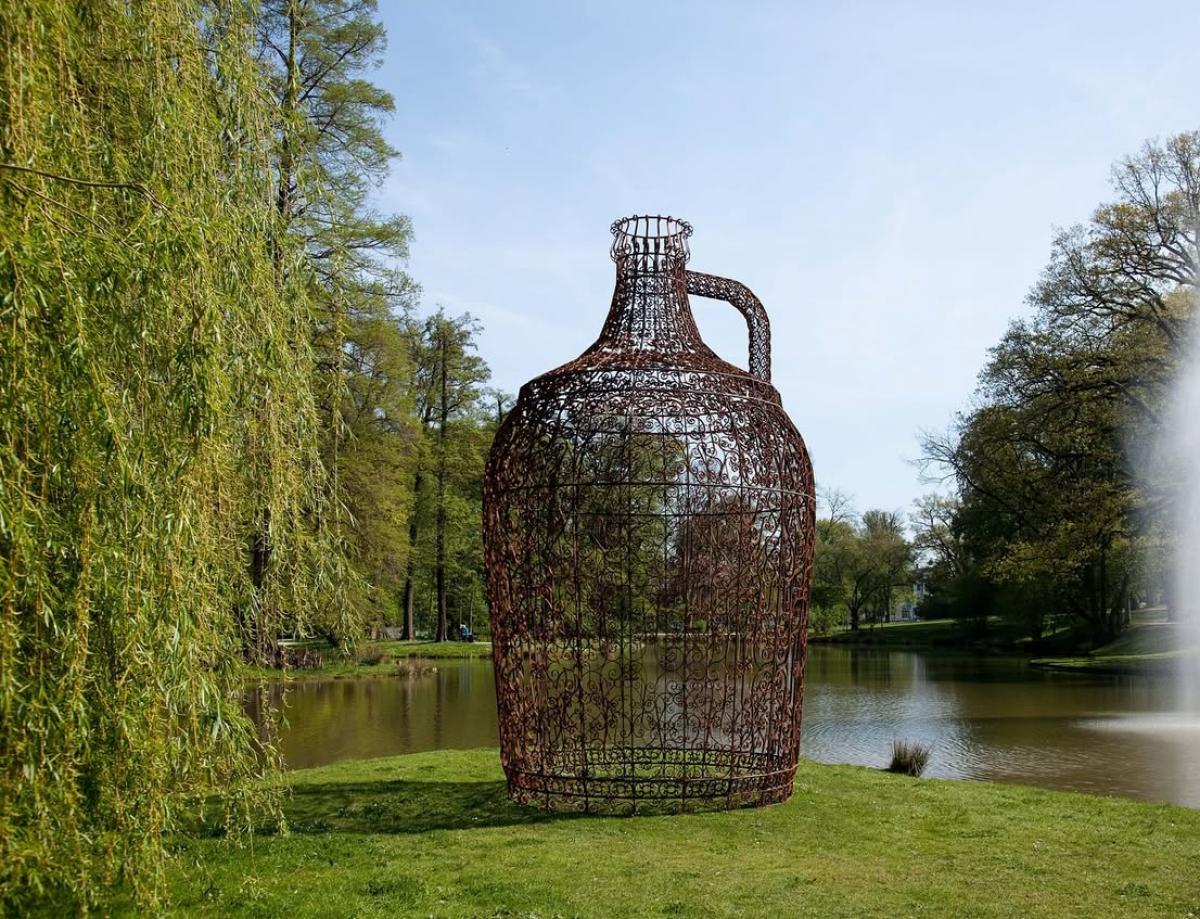
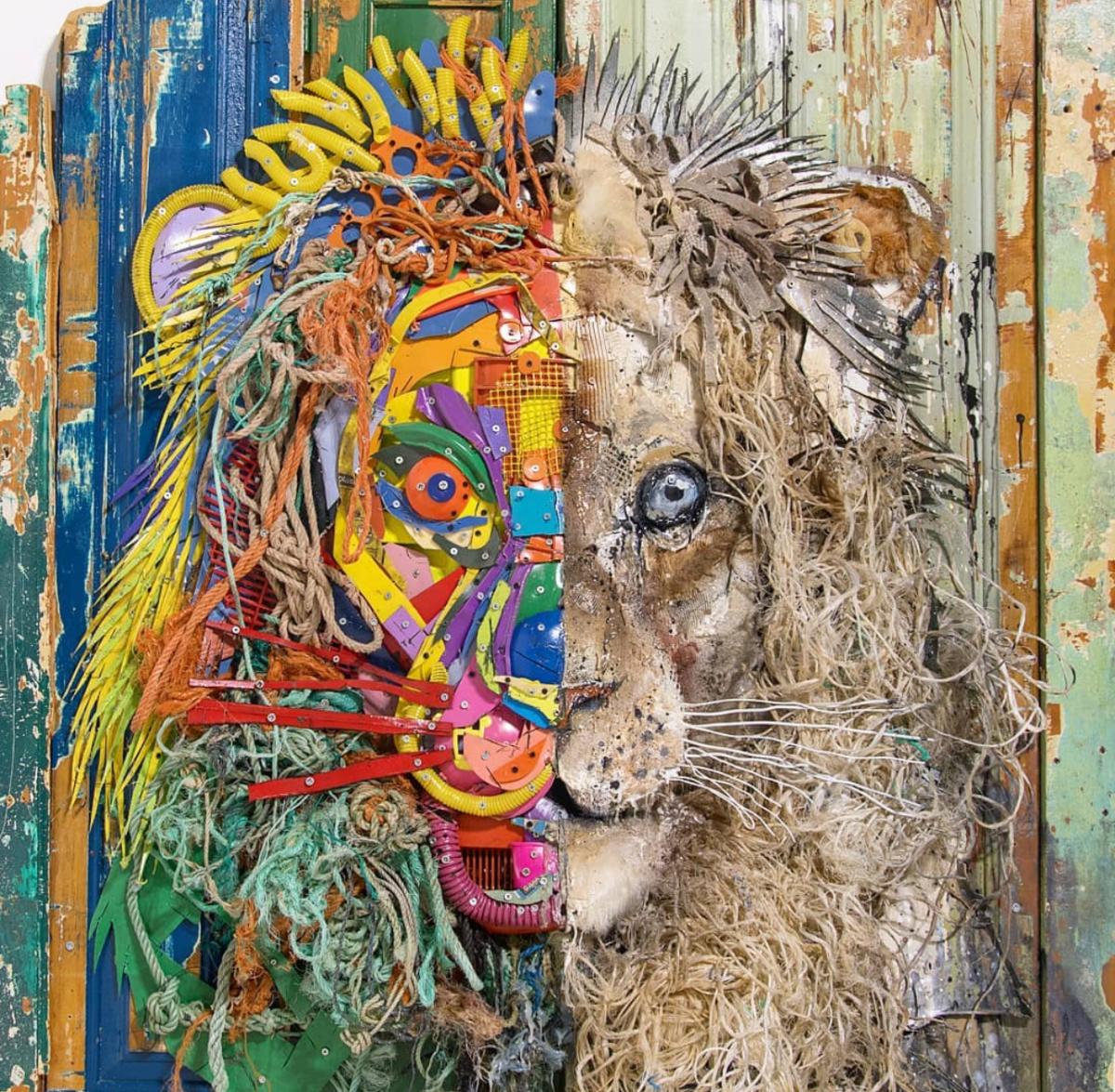
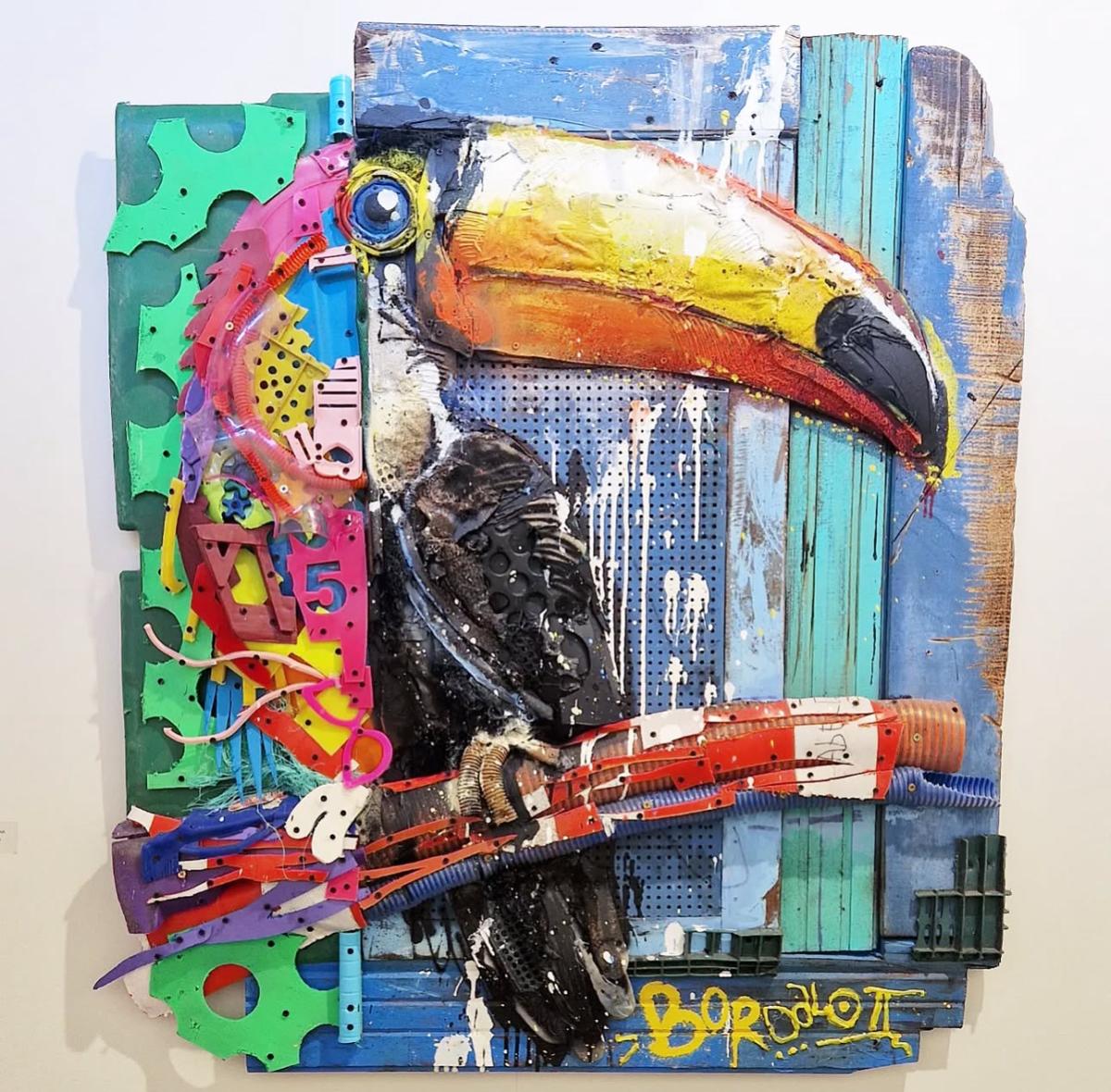
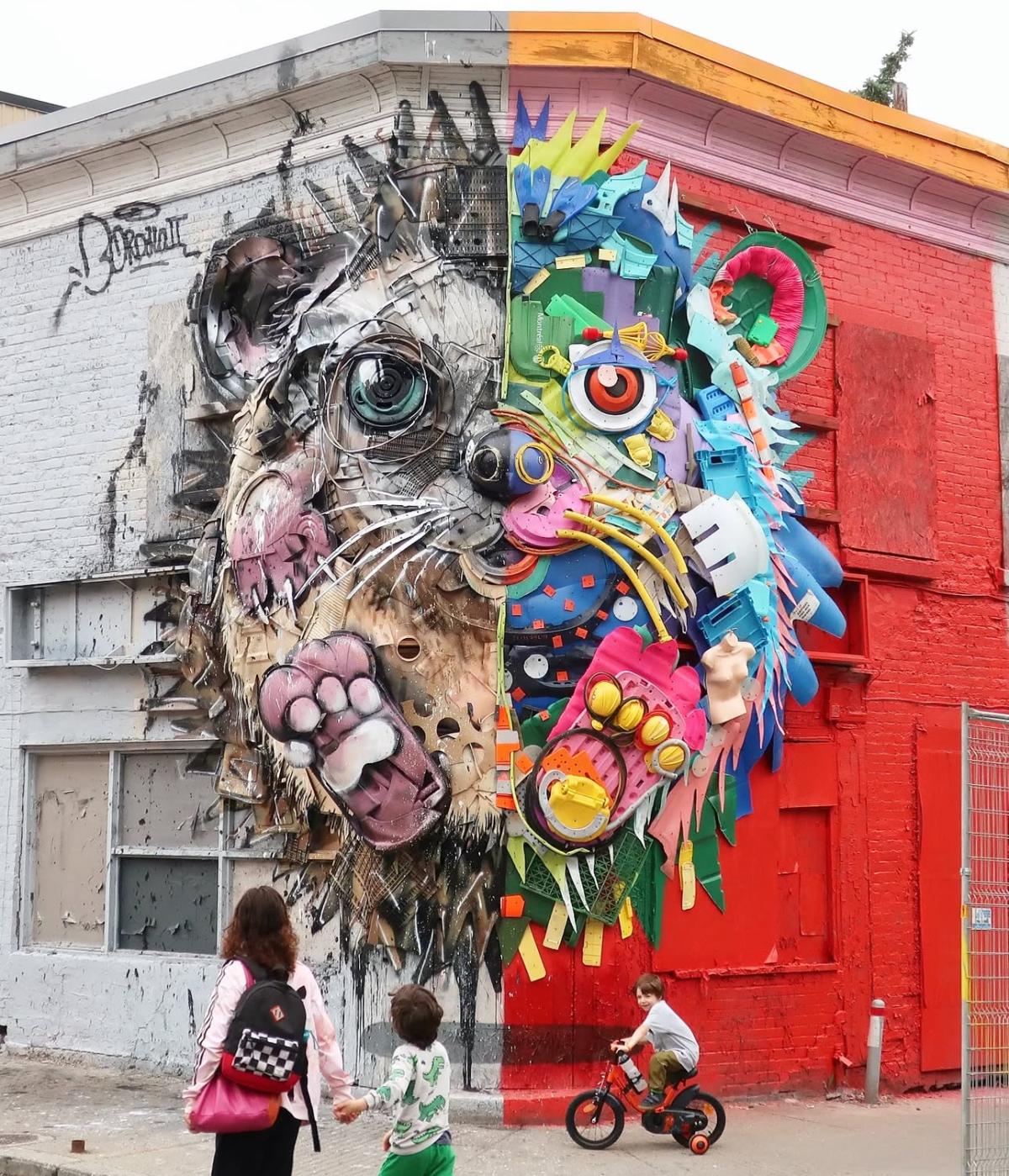
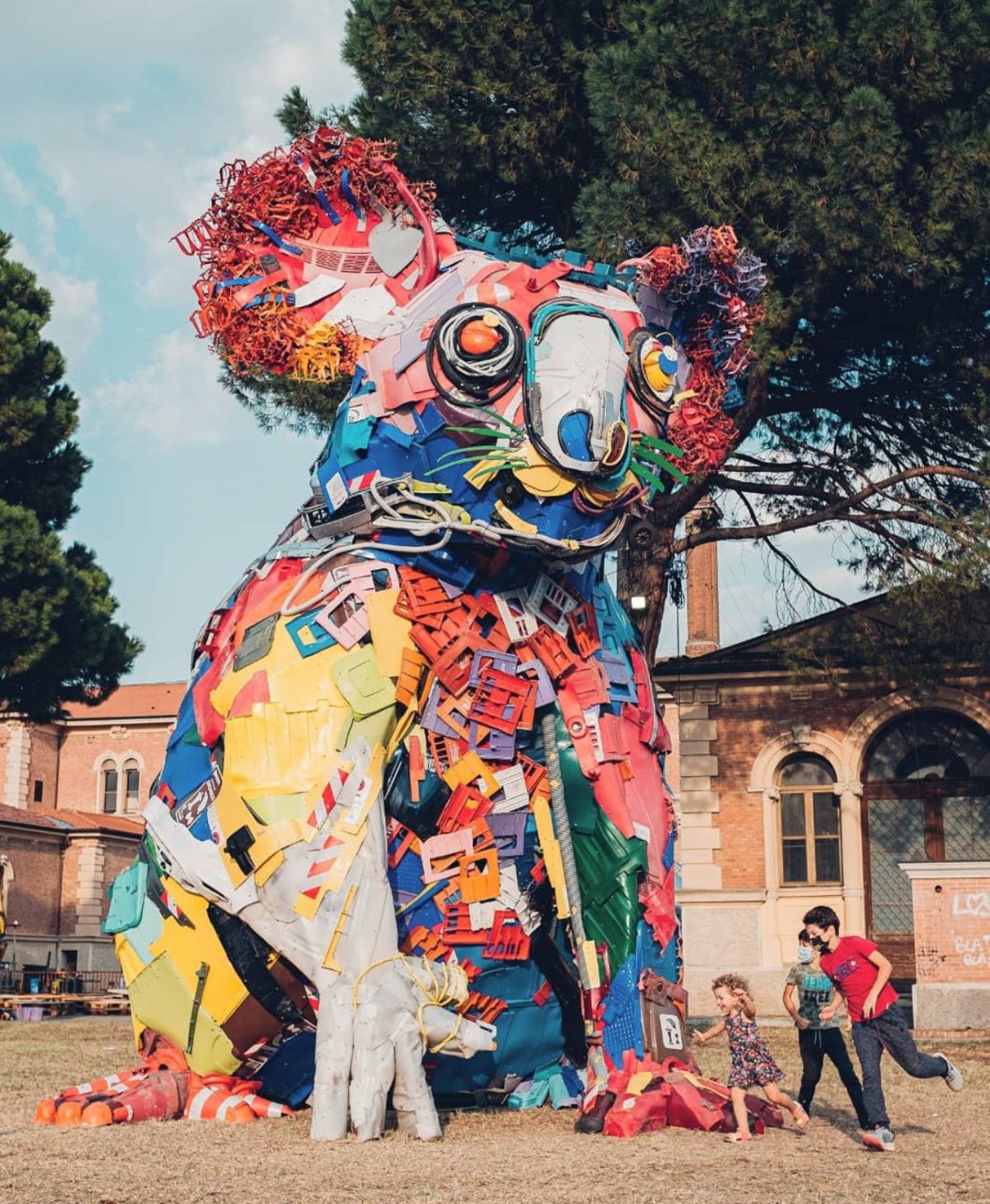
Artur Bordalo, known as Bordalo II, constructs sculptures from discarded materials—car parts, plastics, tires, metal. His “big animals” are both beautiful and unsettling, delivering a powerful message about the consequences of overconsumption. In luxury spaces, his works act as bold counterpoints—monumental, provocative, intelligent. Many of his sculptures appear in contemporary hotels, galleries, and private collections, serving as potent symbols of sustainability.
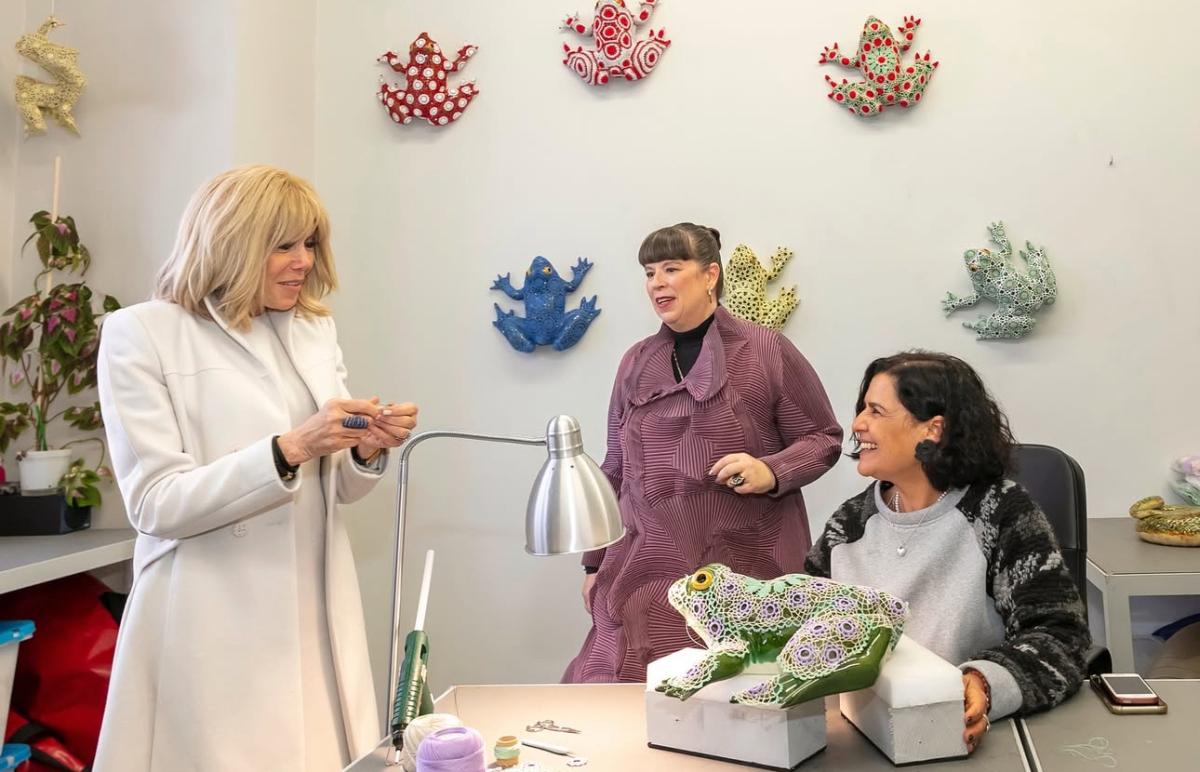
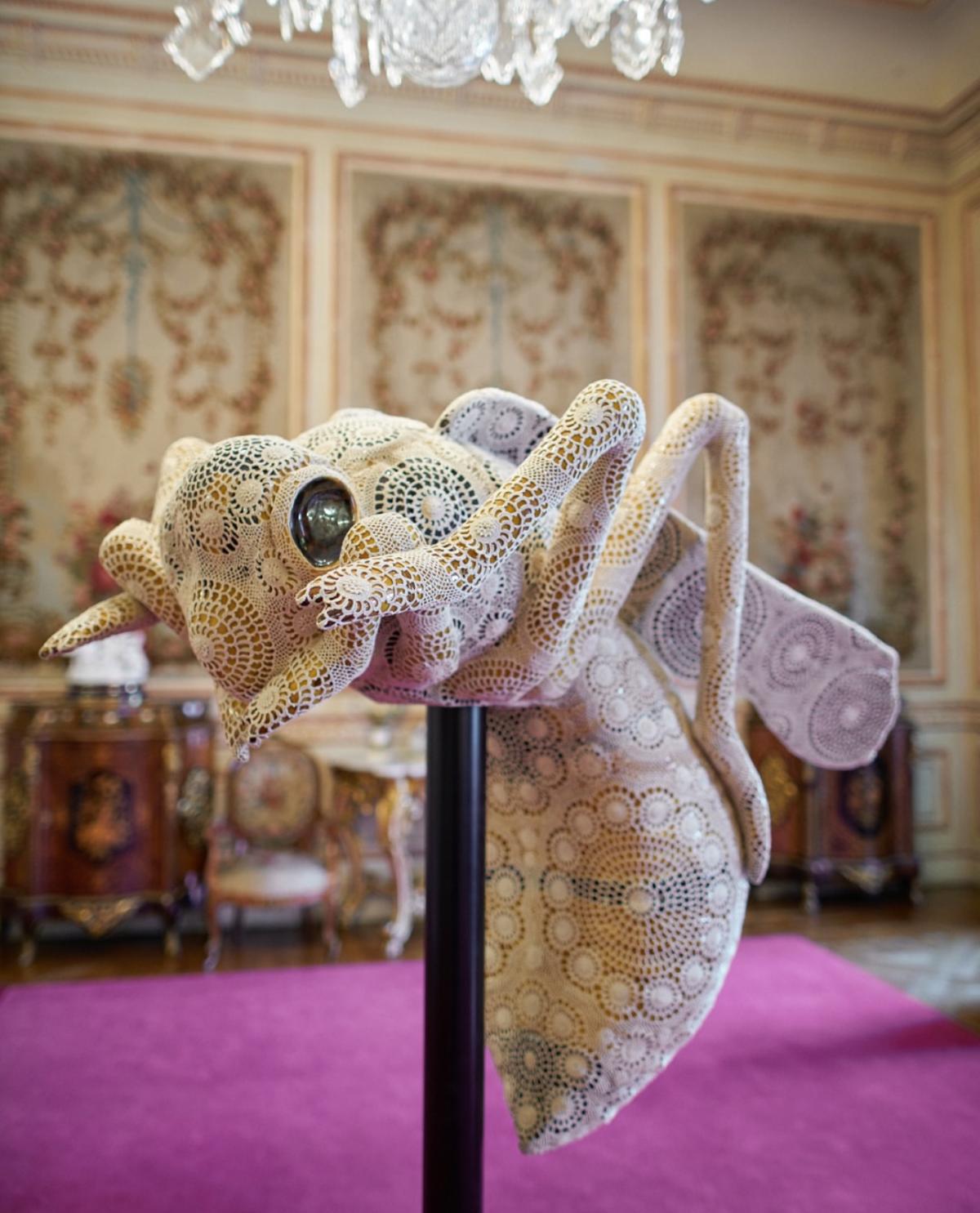
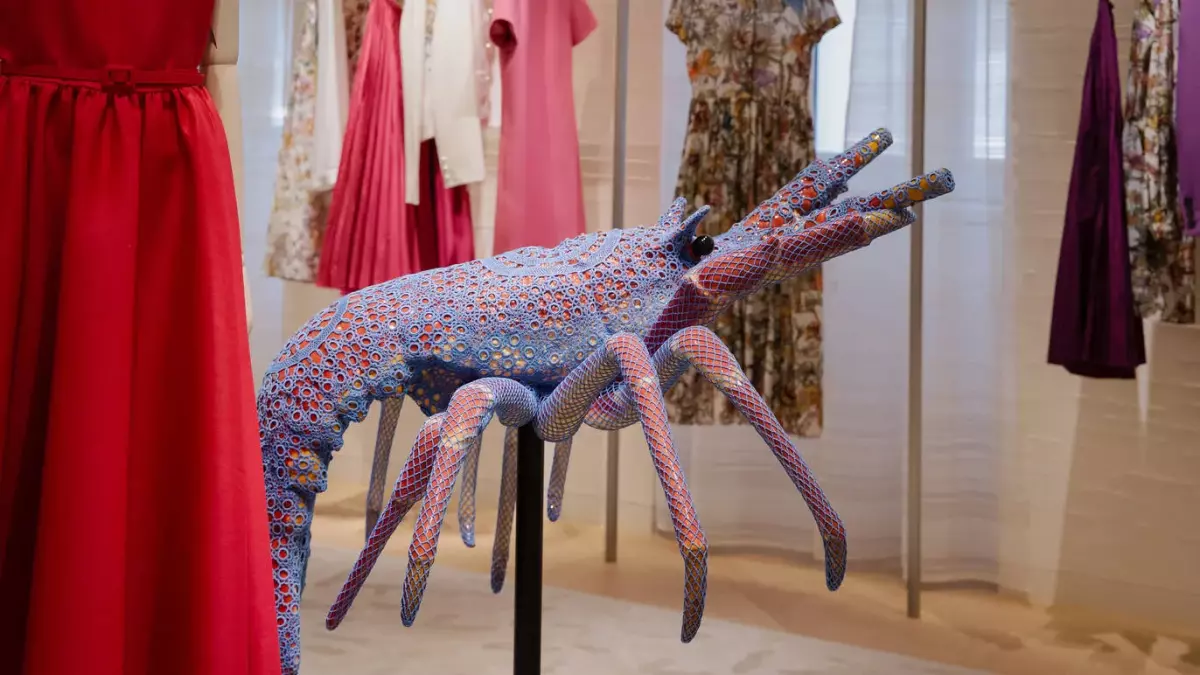
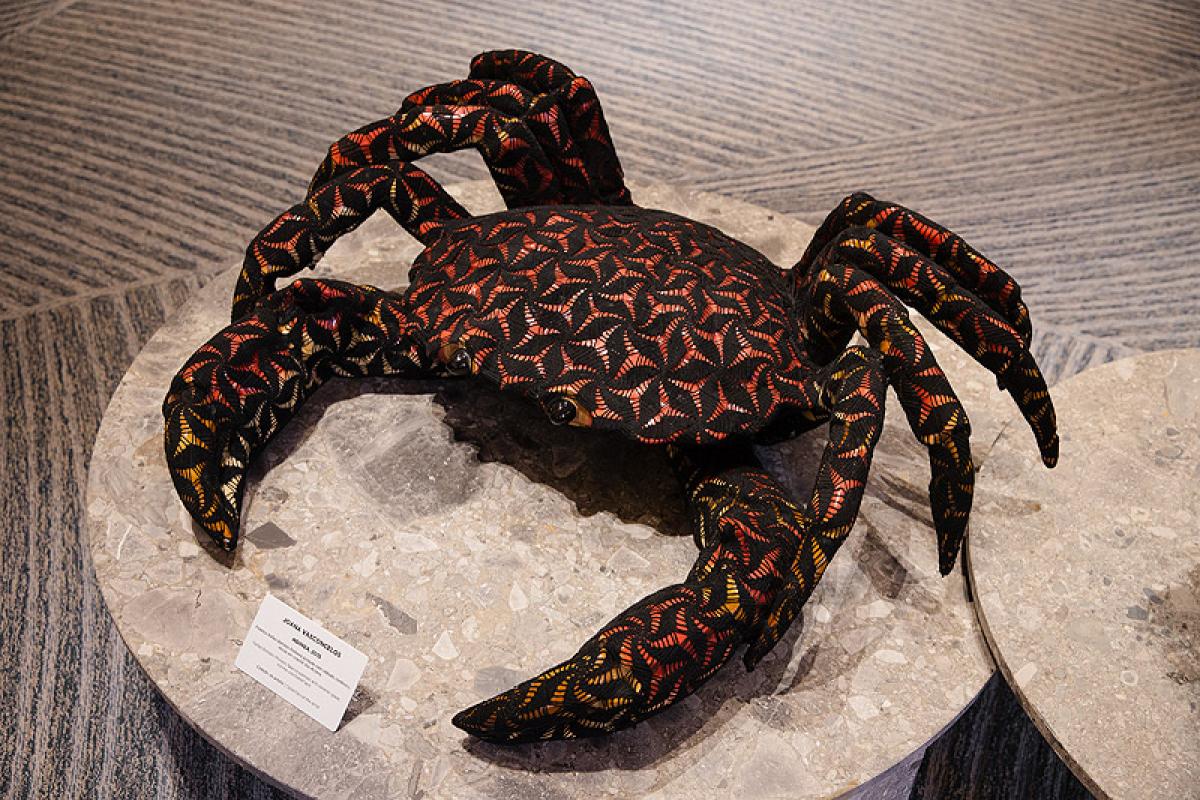
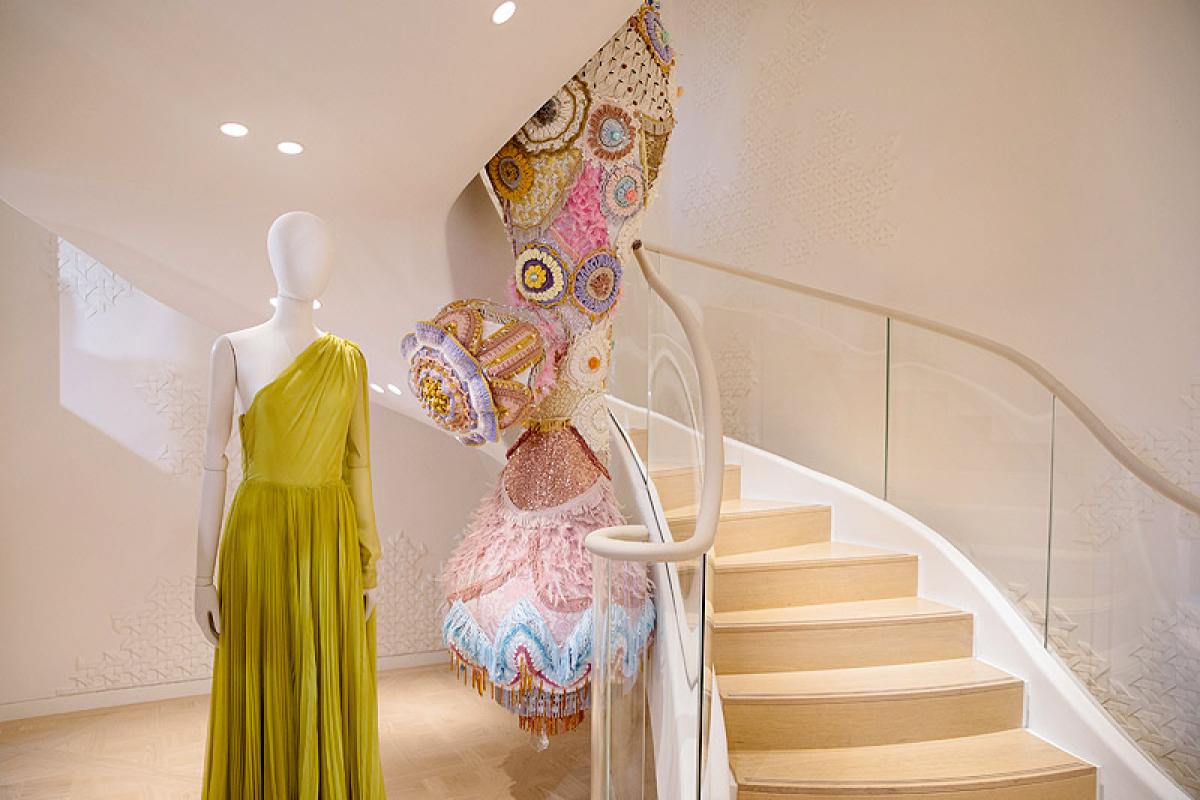
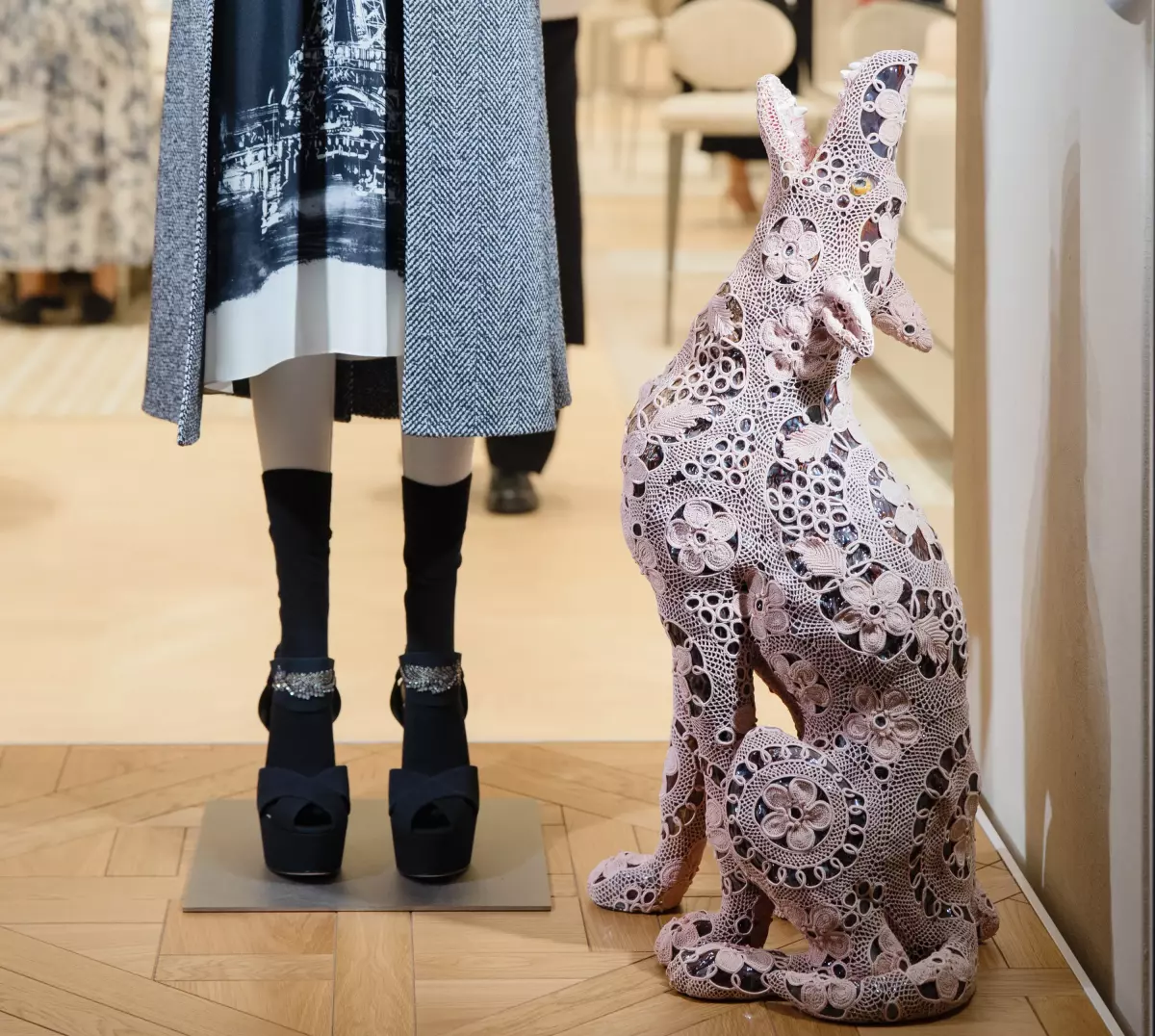
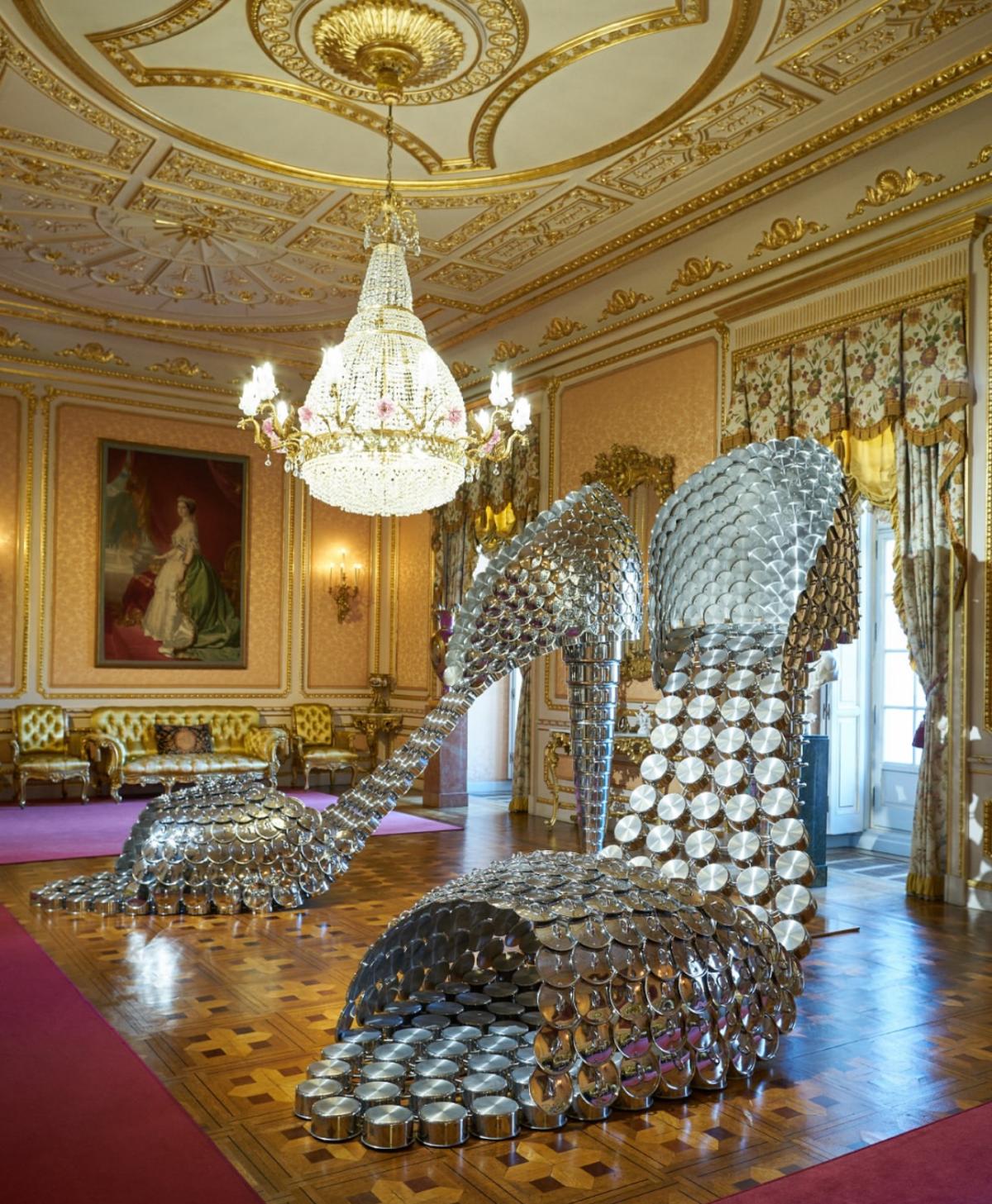
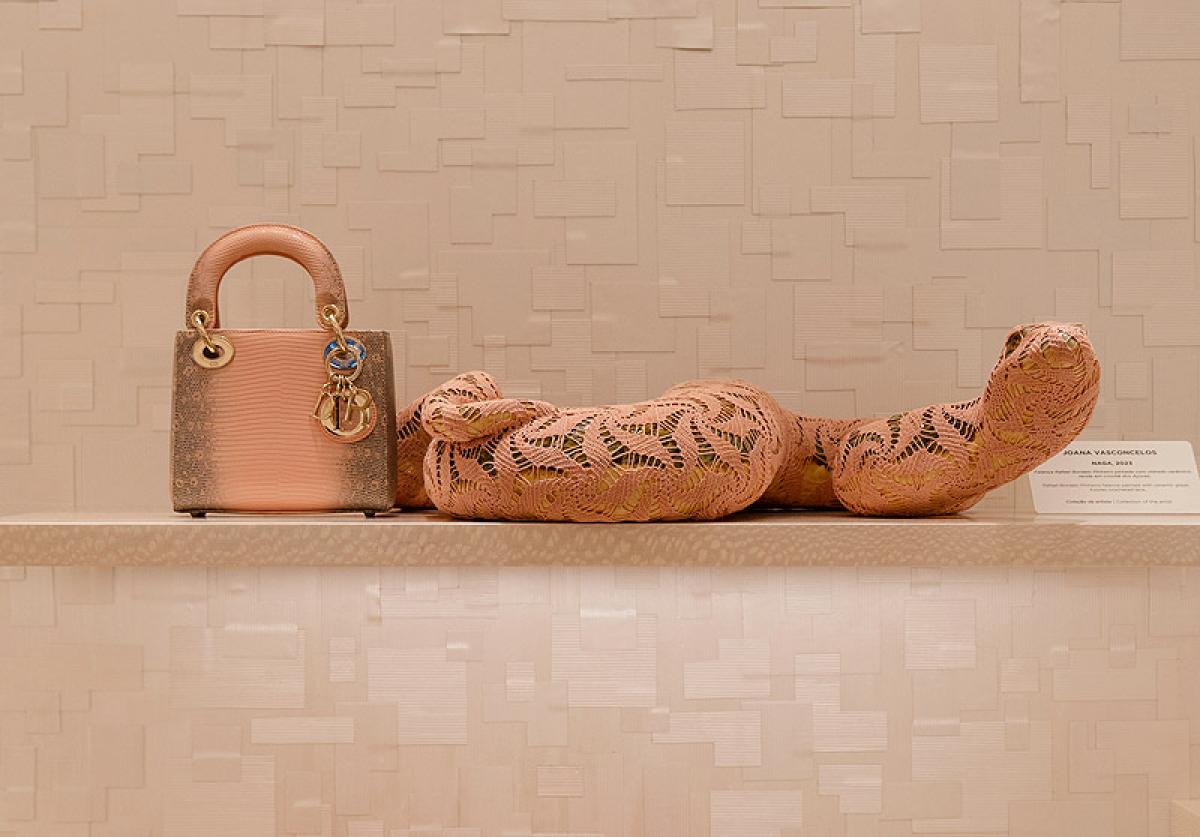
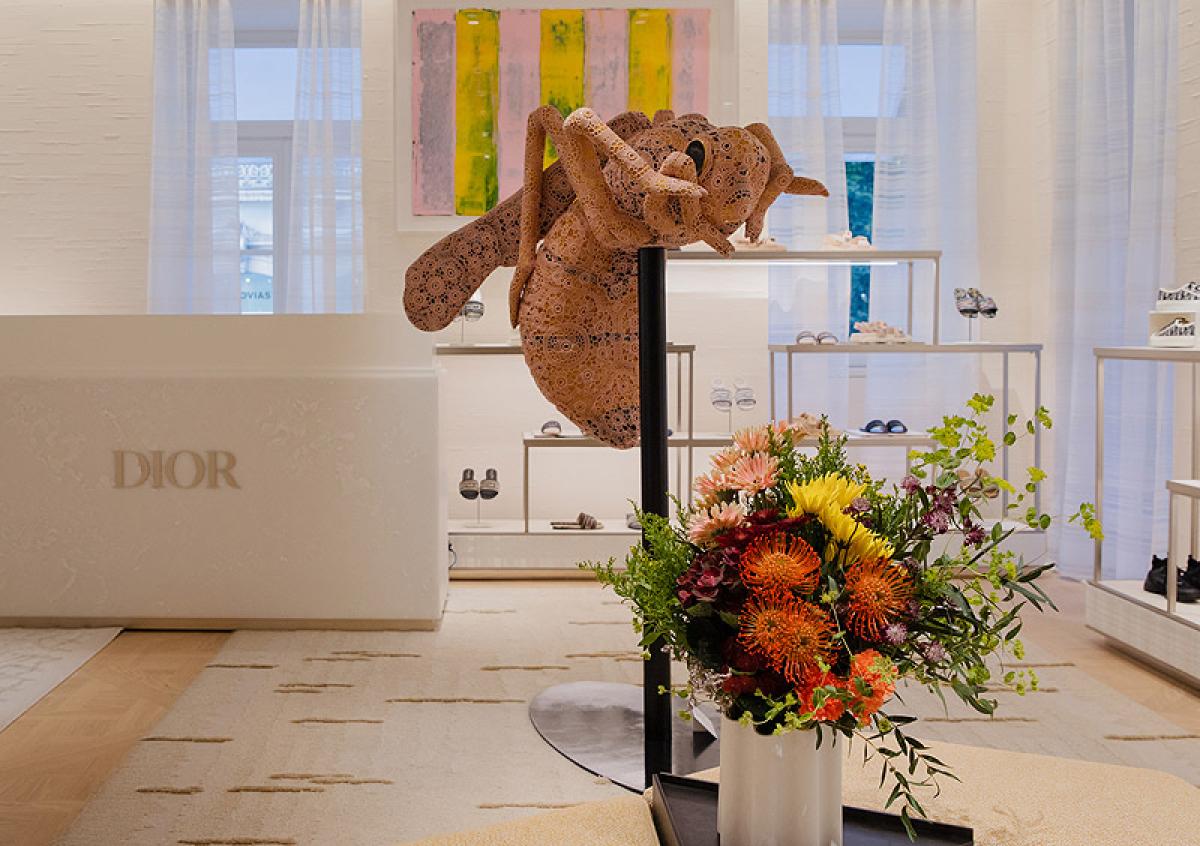
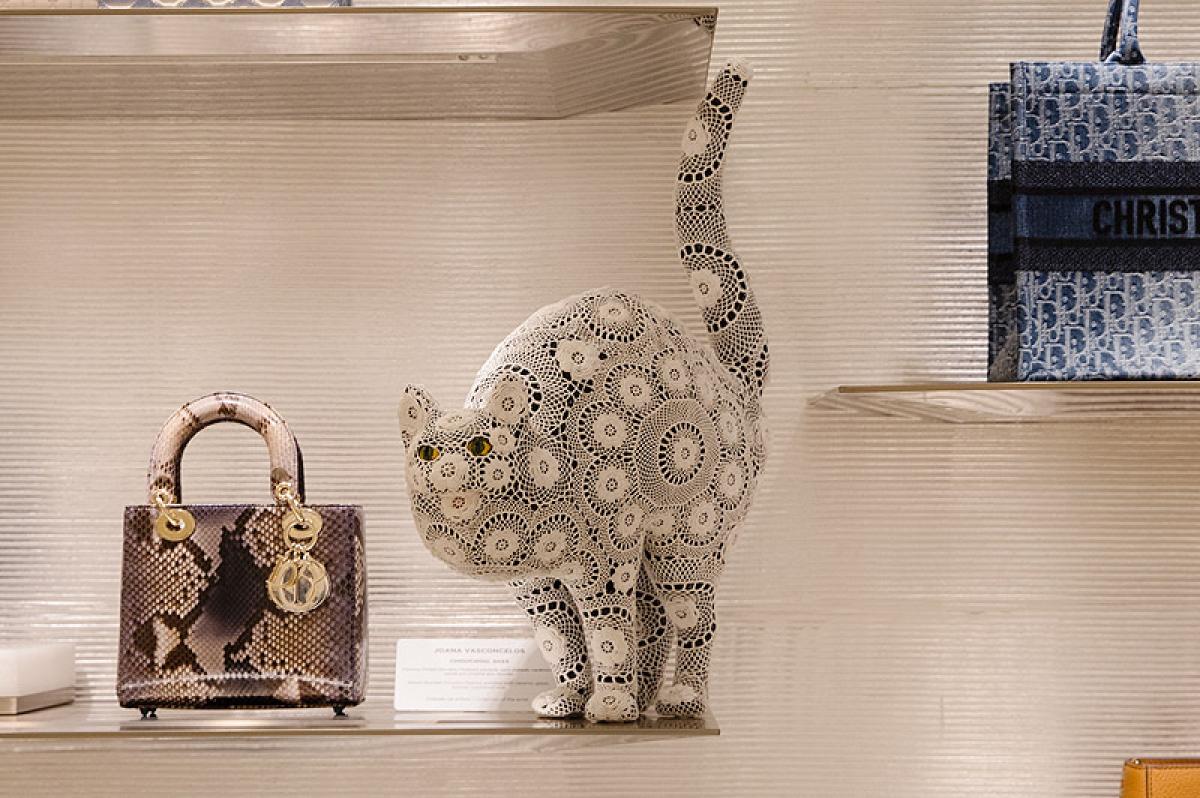
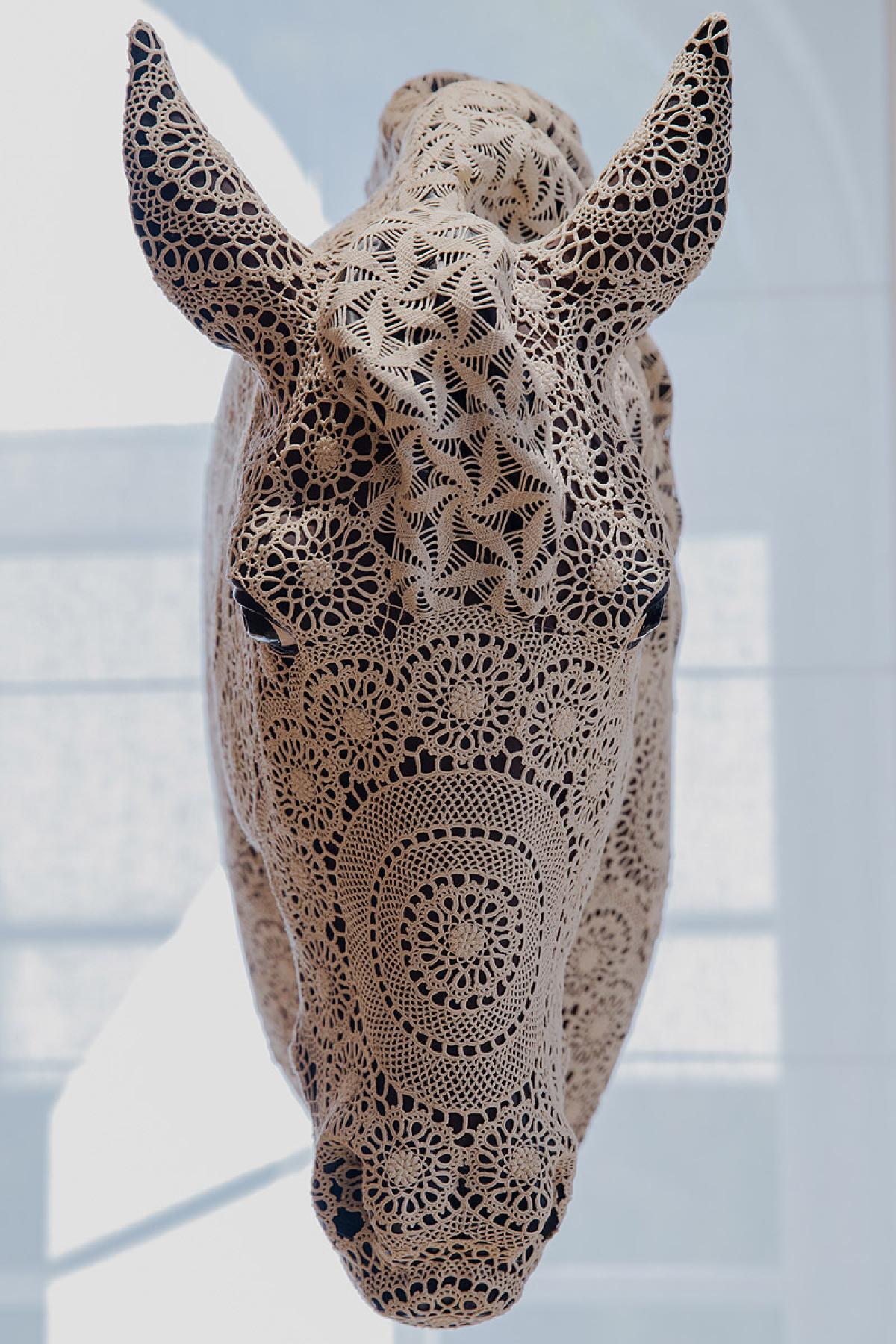
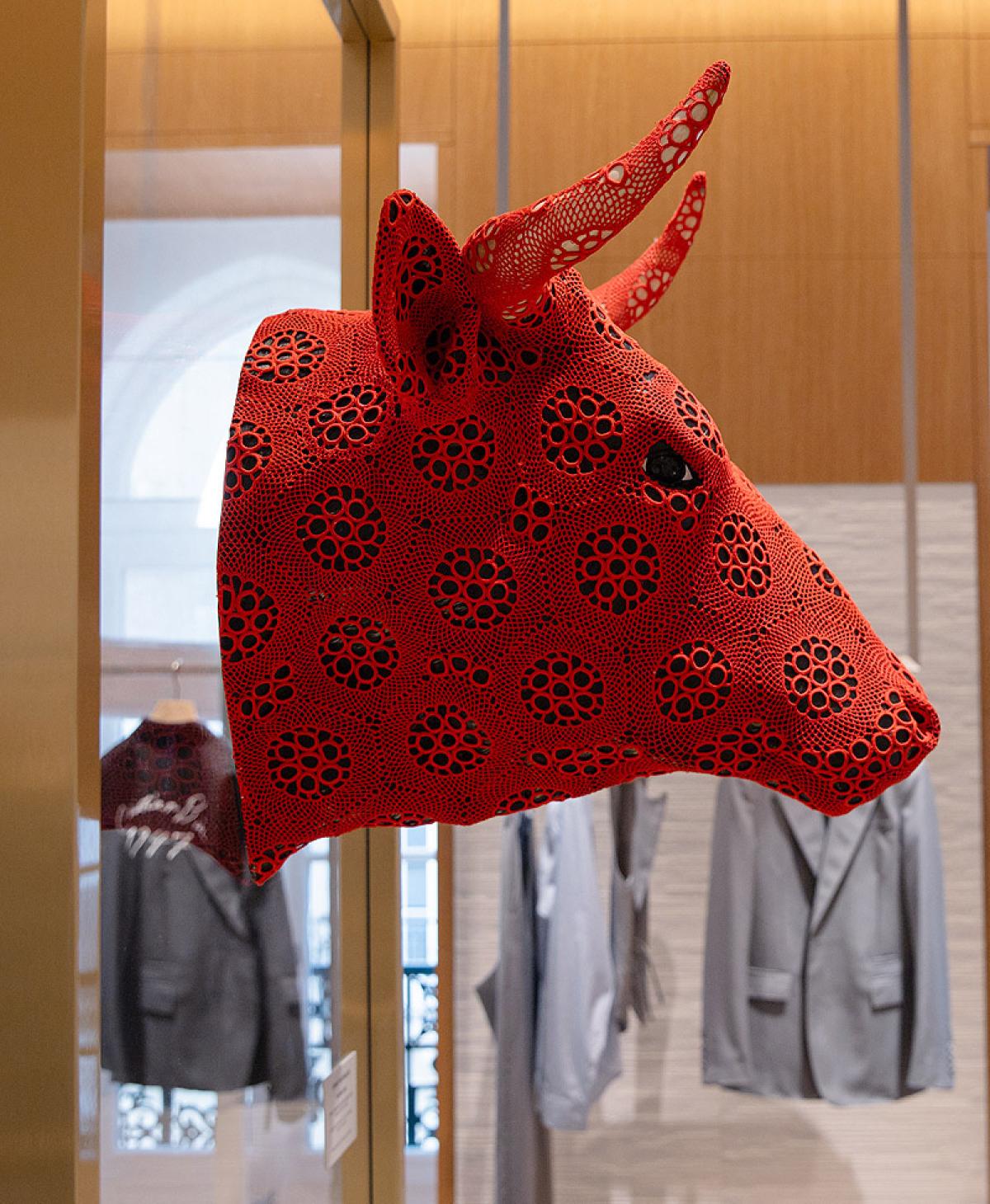
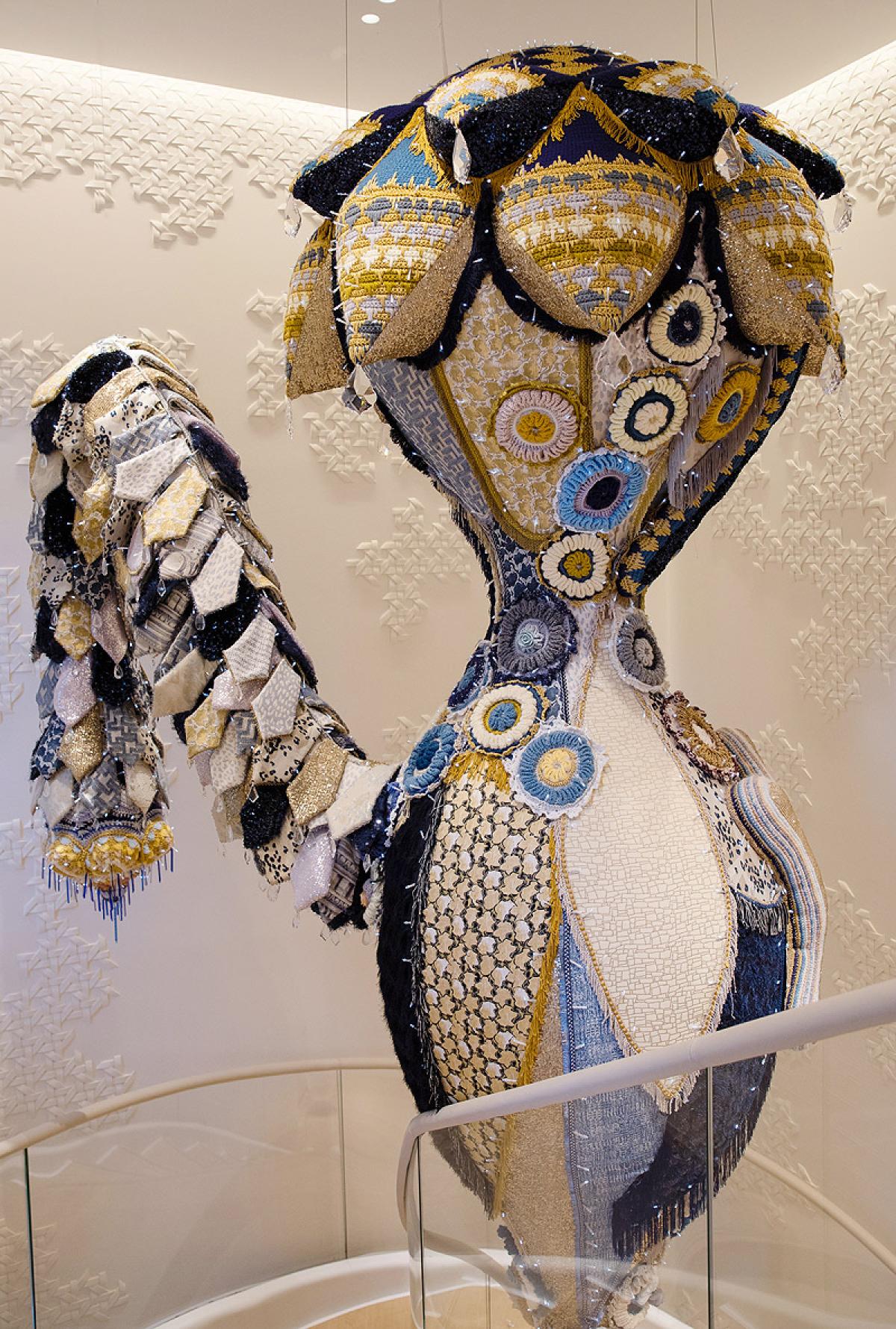
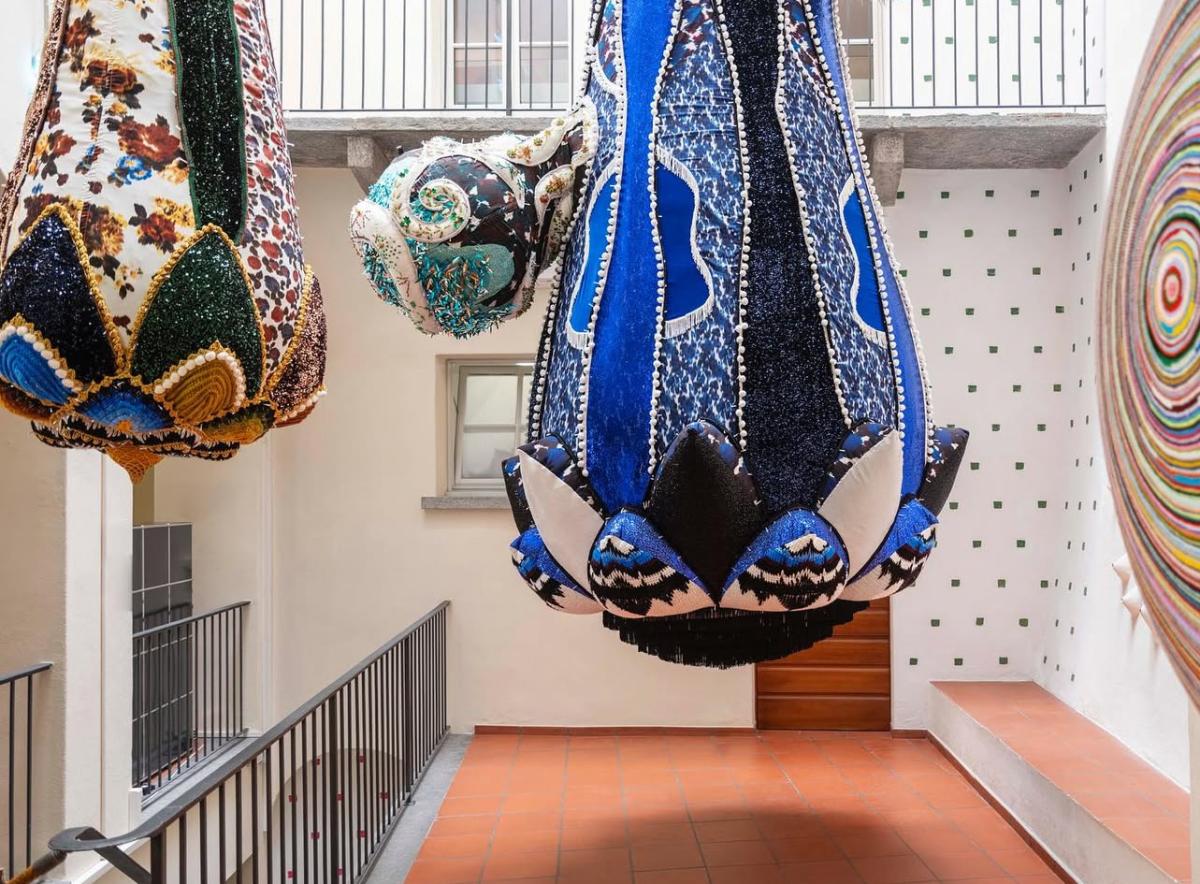
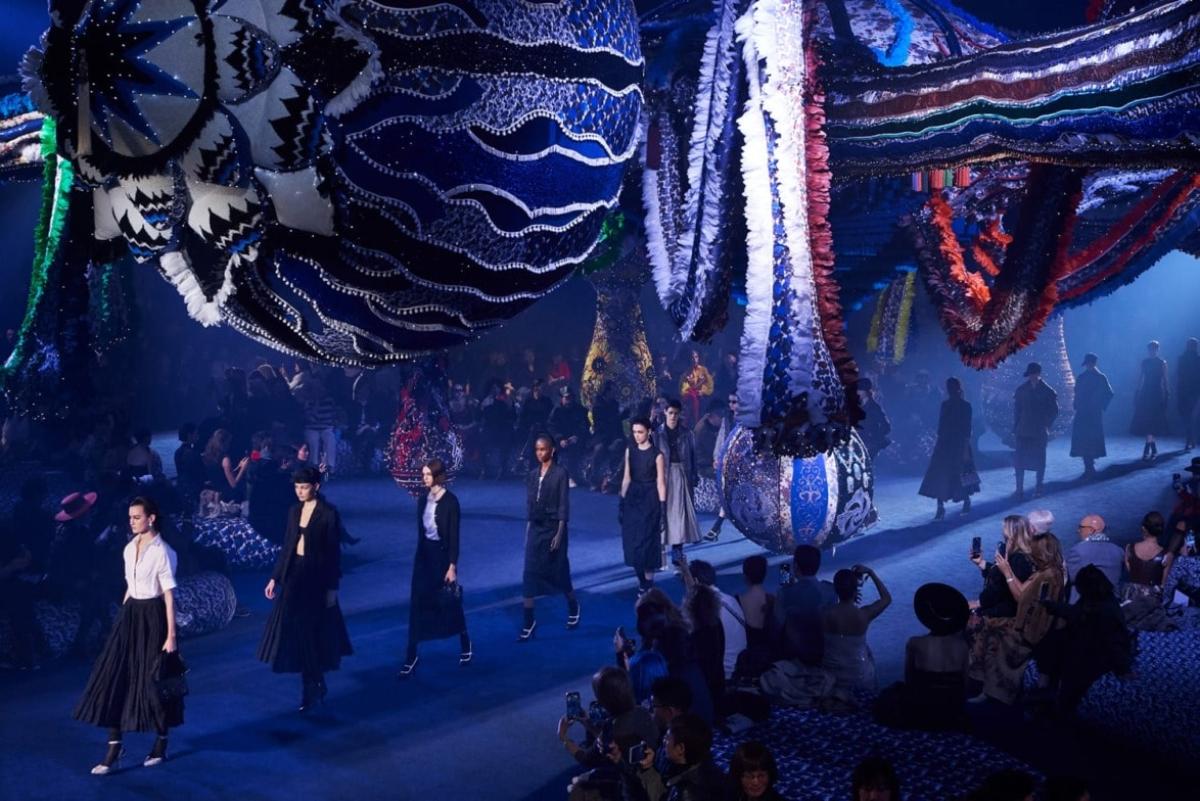
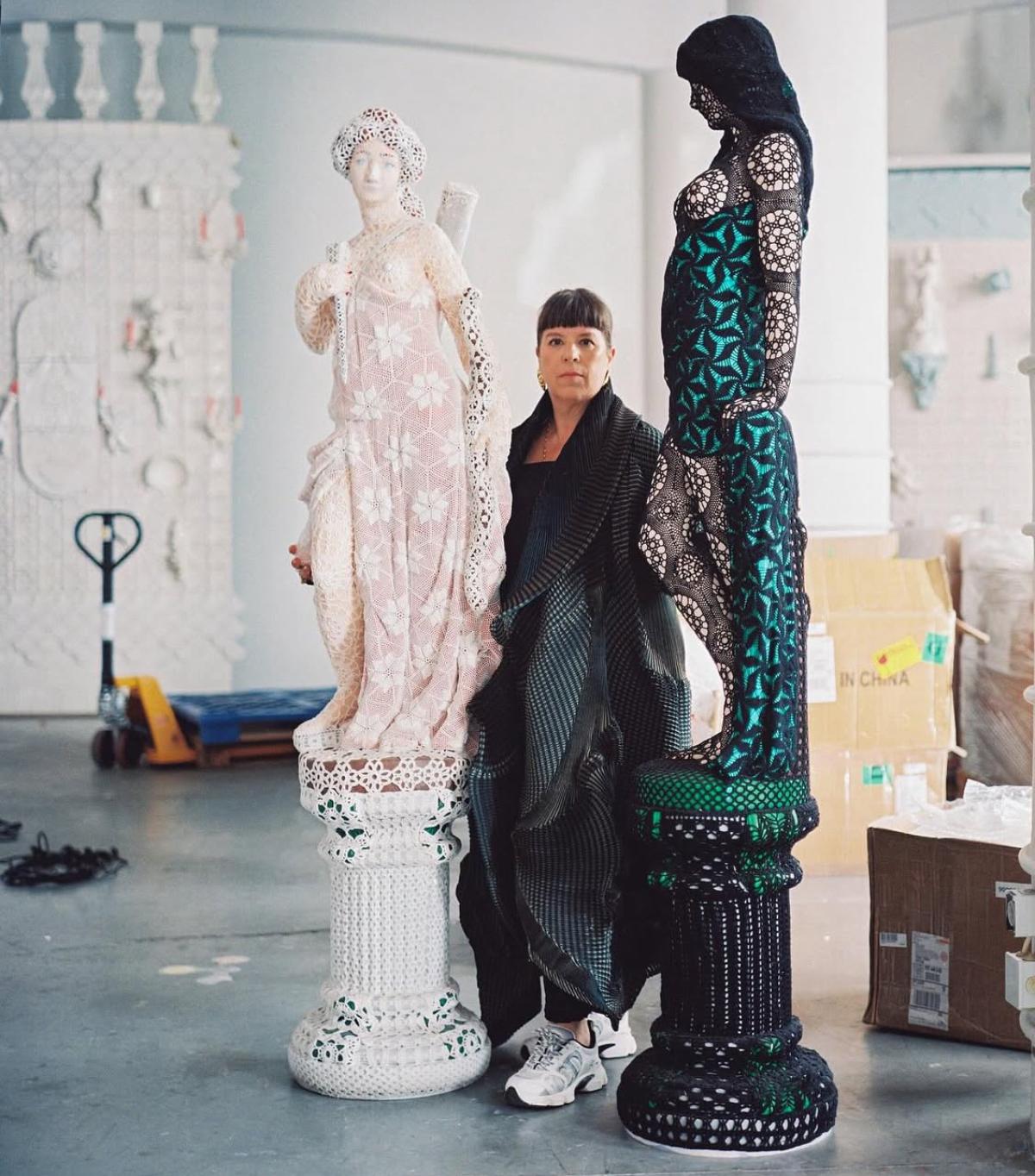
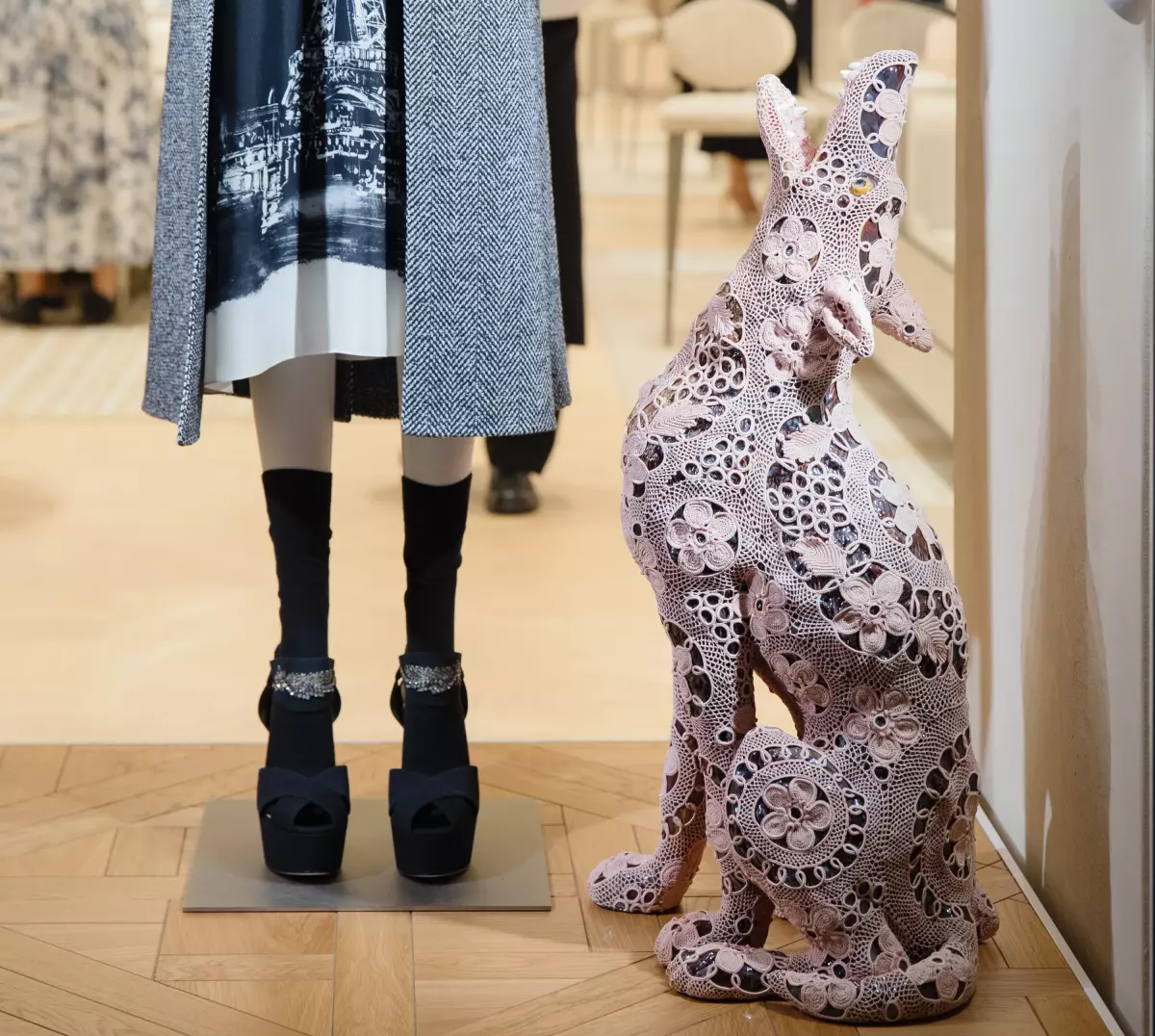
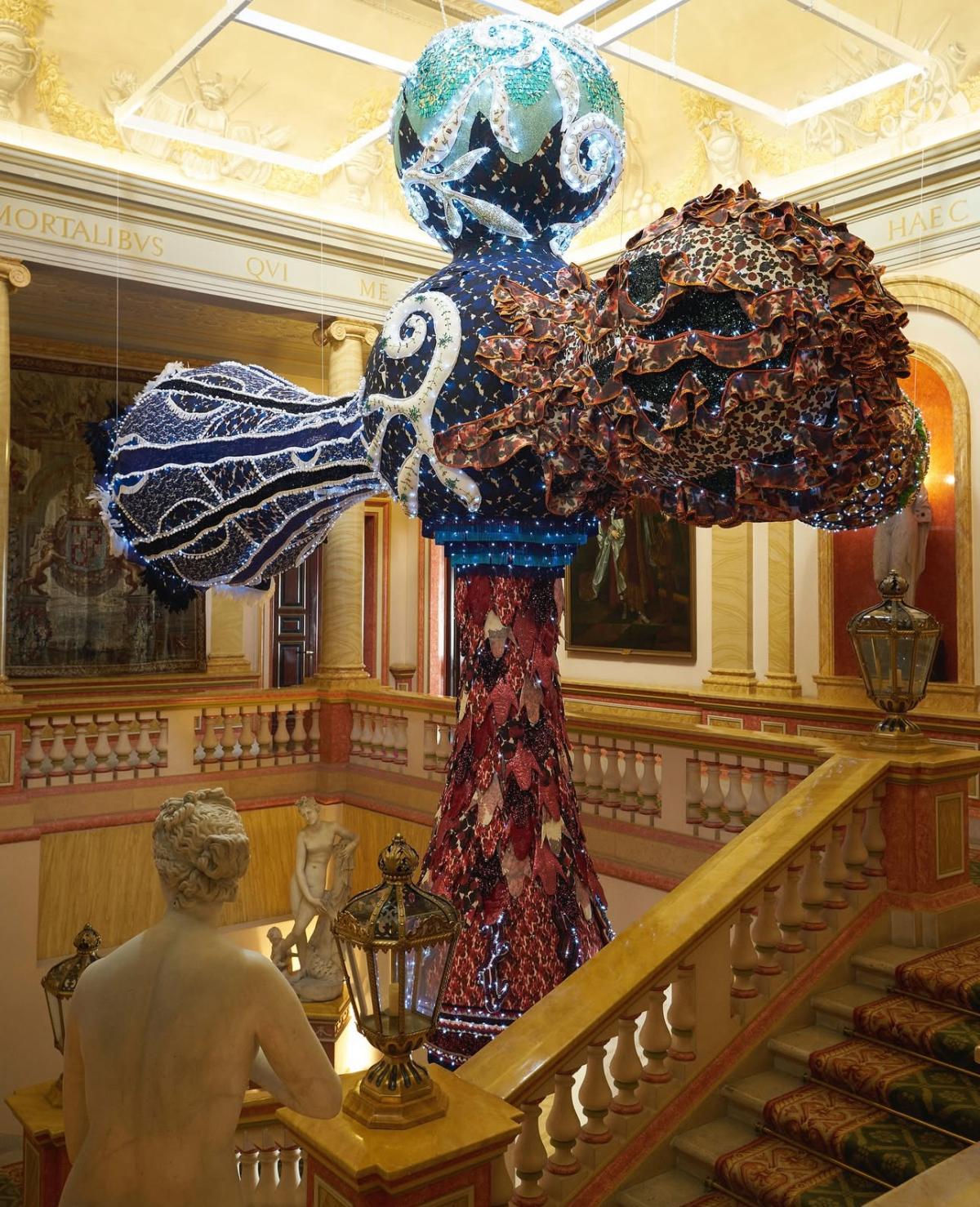
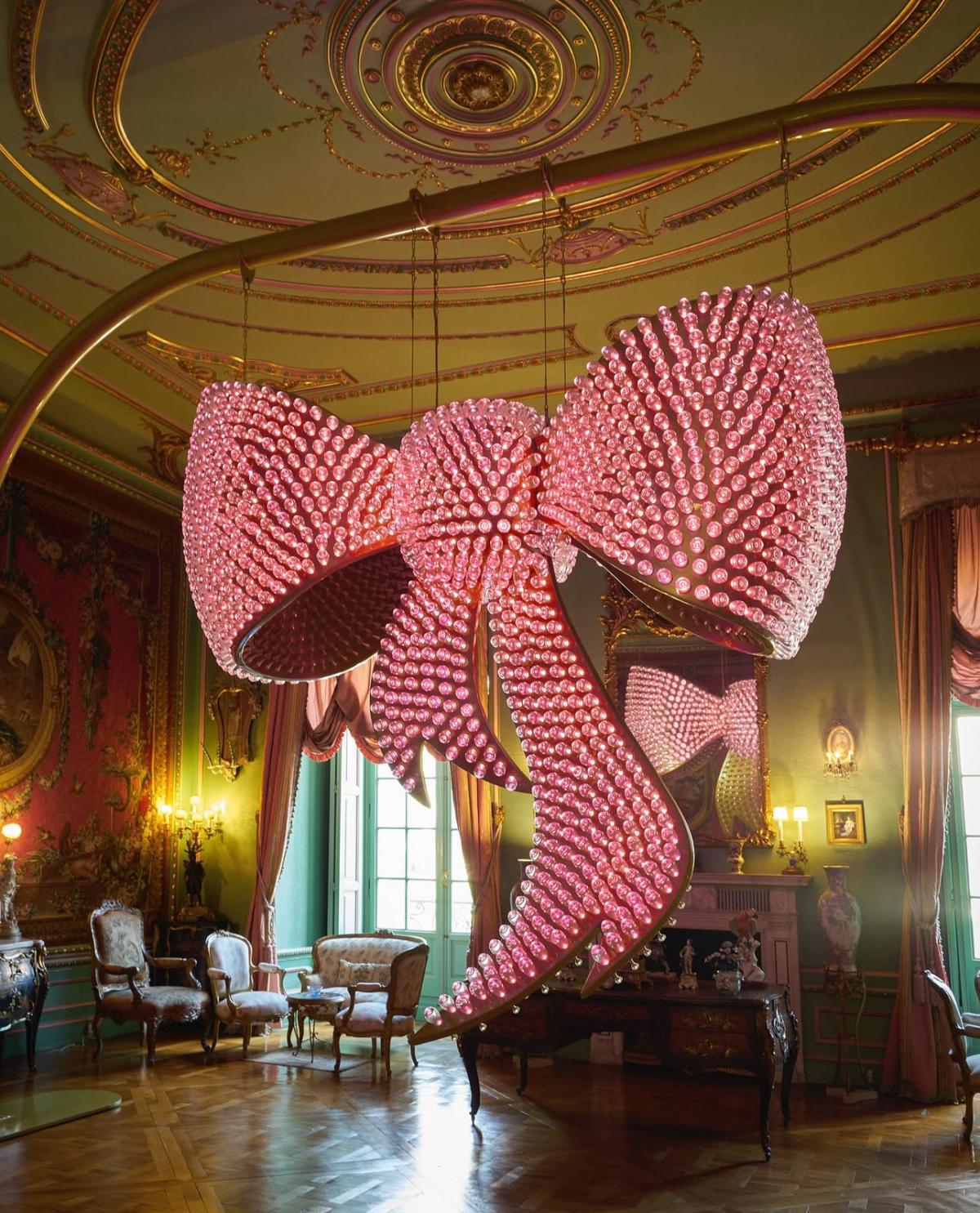
Joana Vasconcelos is one of the brightest stars of contemporary Portuguese art. Using colour, textiles, household objects, and decorative elements, she creates large-scale installations with striking visual impact. Her works suit spaces that embrace opulence—villas, private halls, hotel lobbies. Vasconcelos transforms the everyday into spectacle, and the prestige of her name makes her art highly sought after in global collections. Recognition of her distinctive aesthetic extends into the fashion world as well, with Dior commissioning her to create art installations for the windows of its boutiques and fashion show in 2023 — yet another testament to her ability to transform opulence into a visual spectacle.
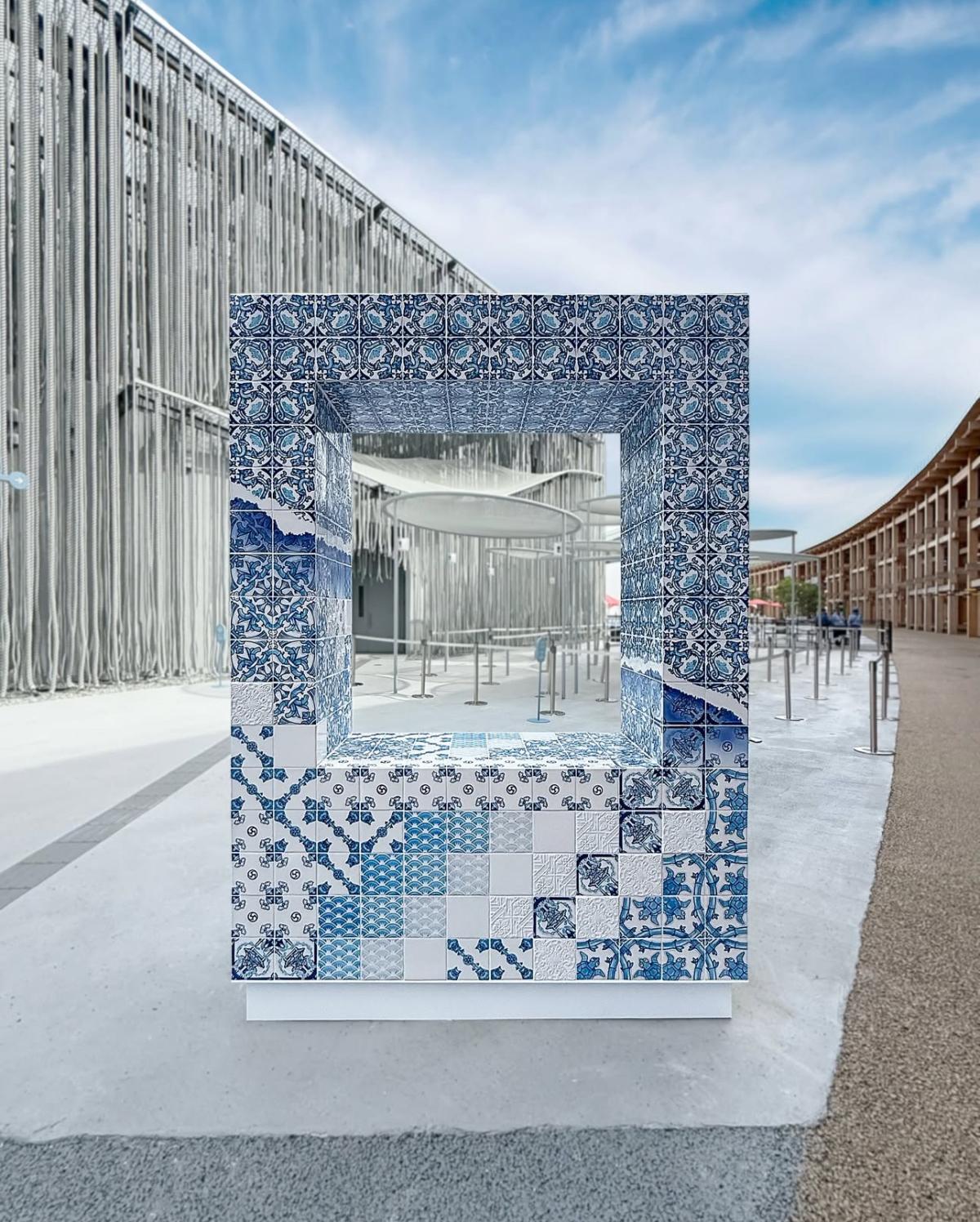
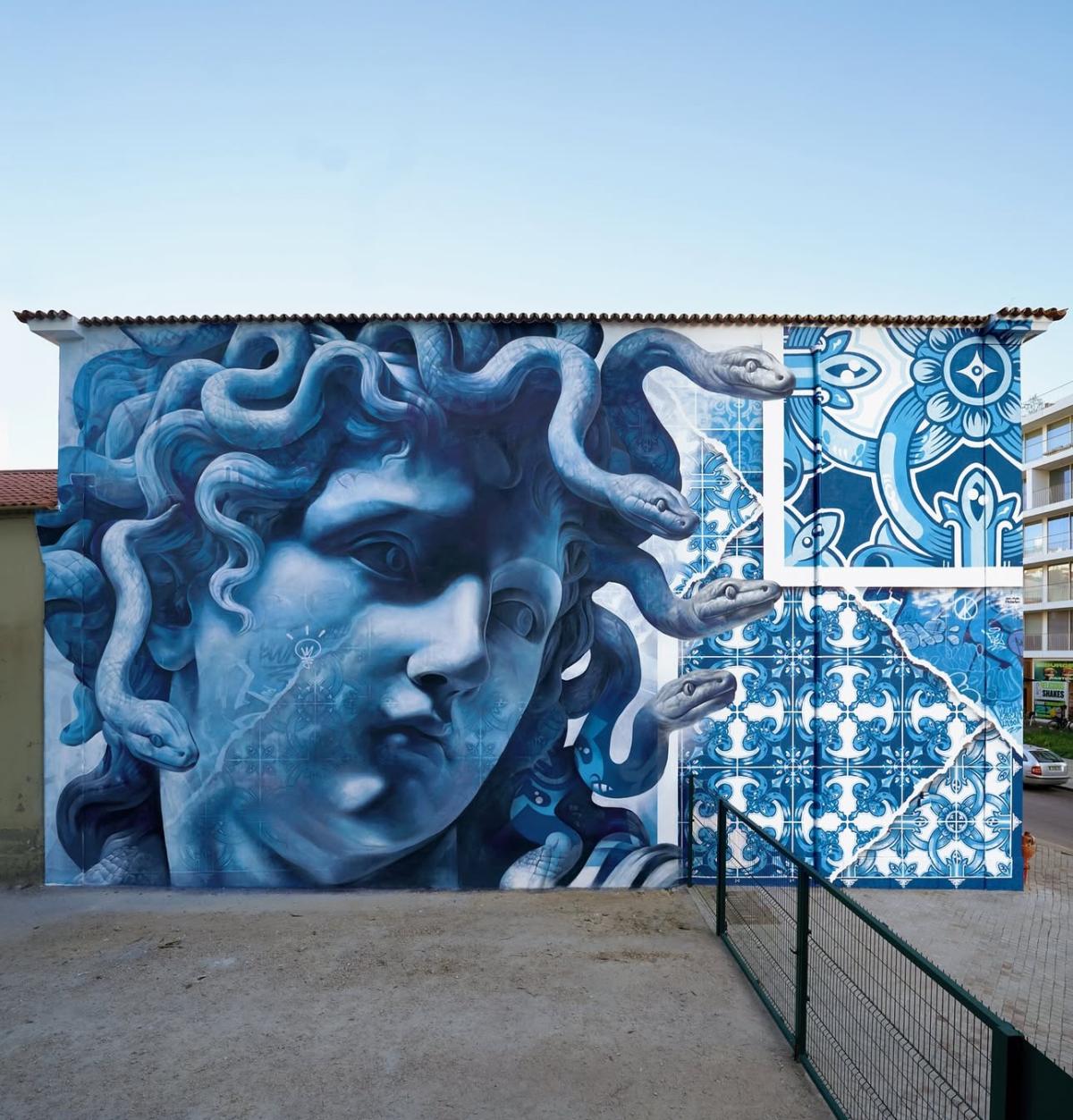
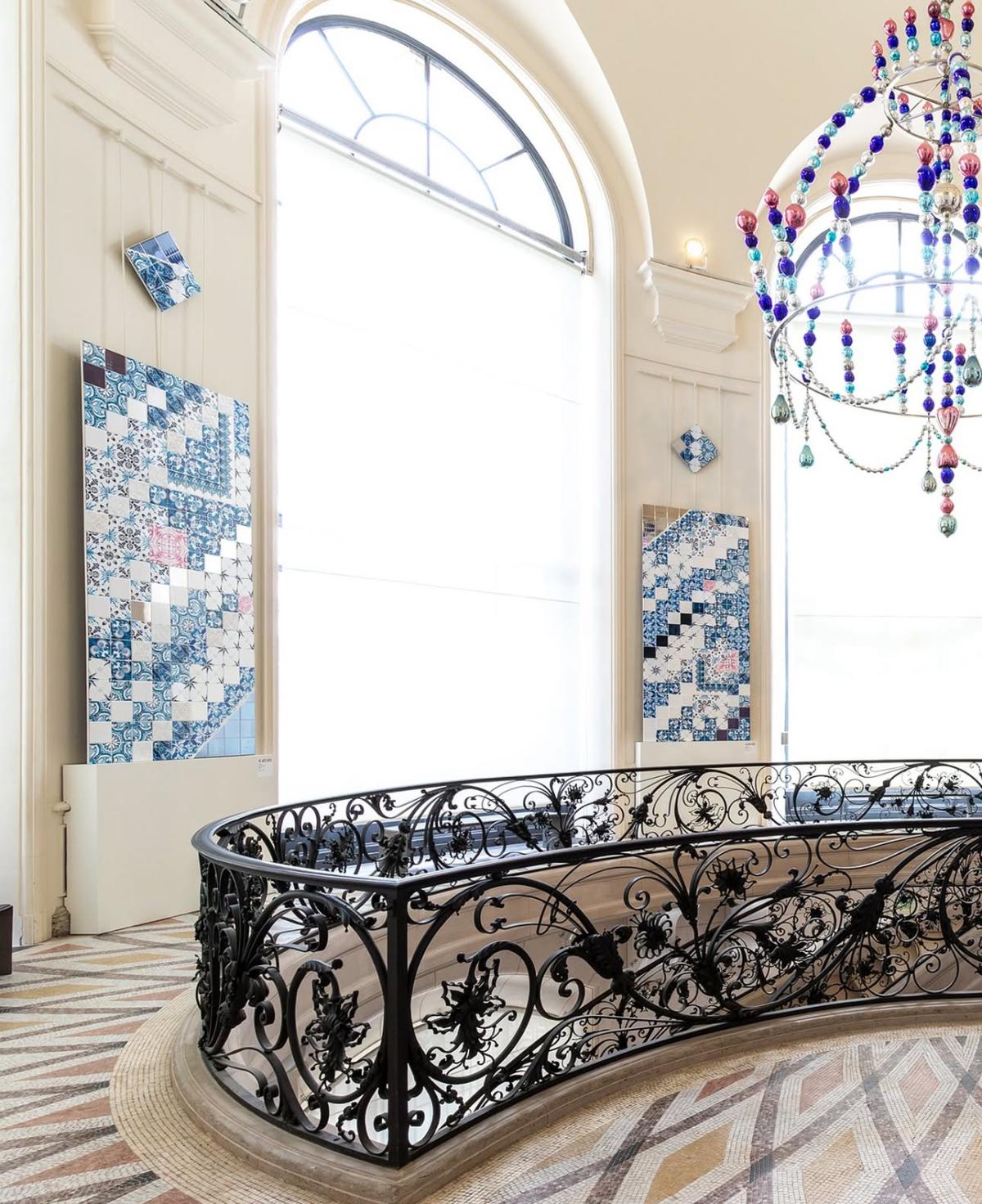
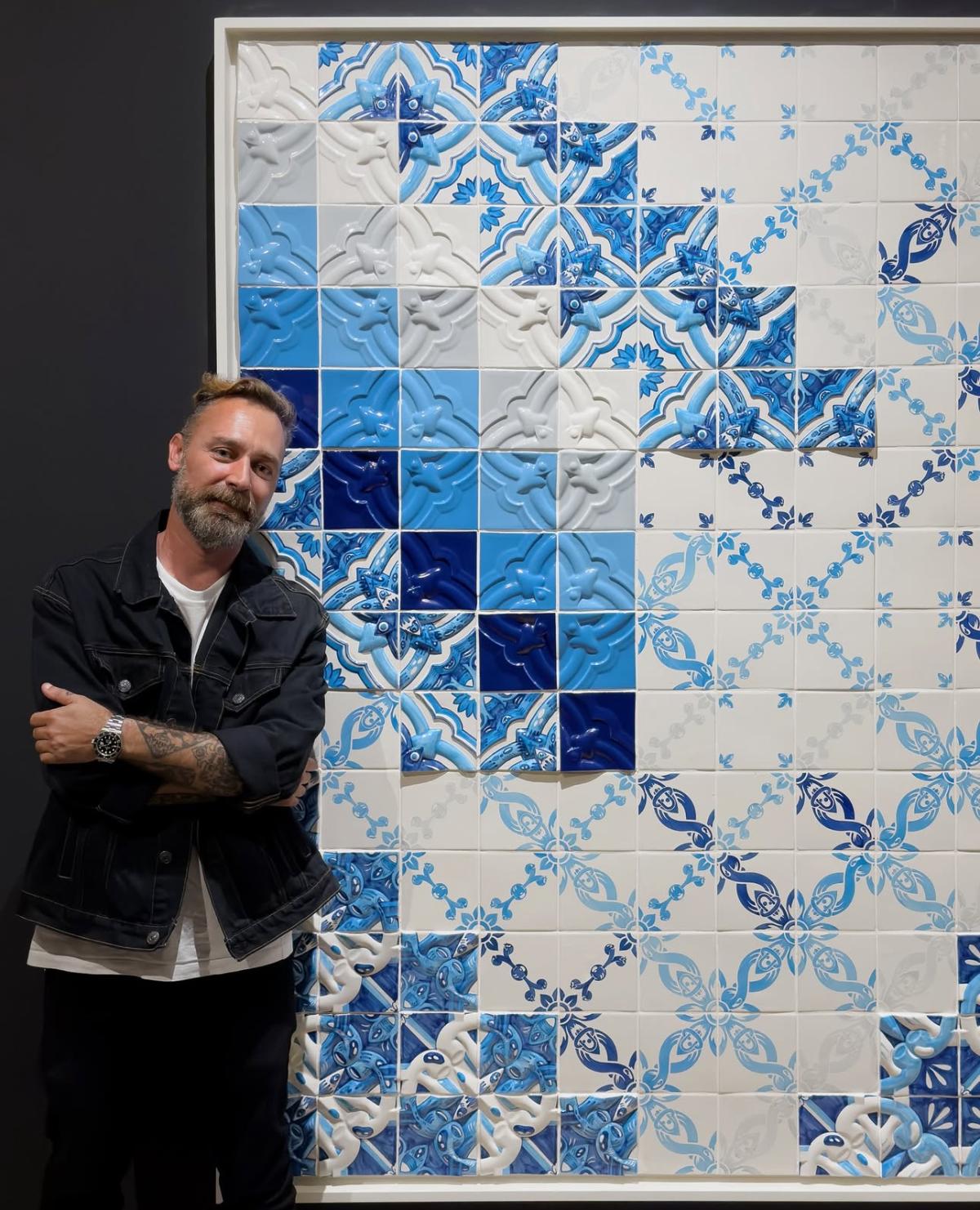
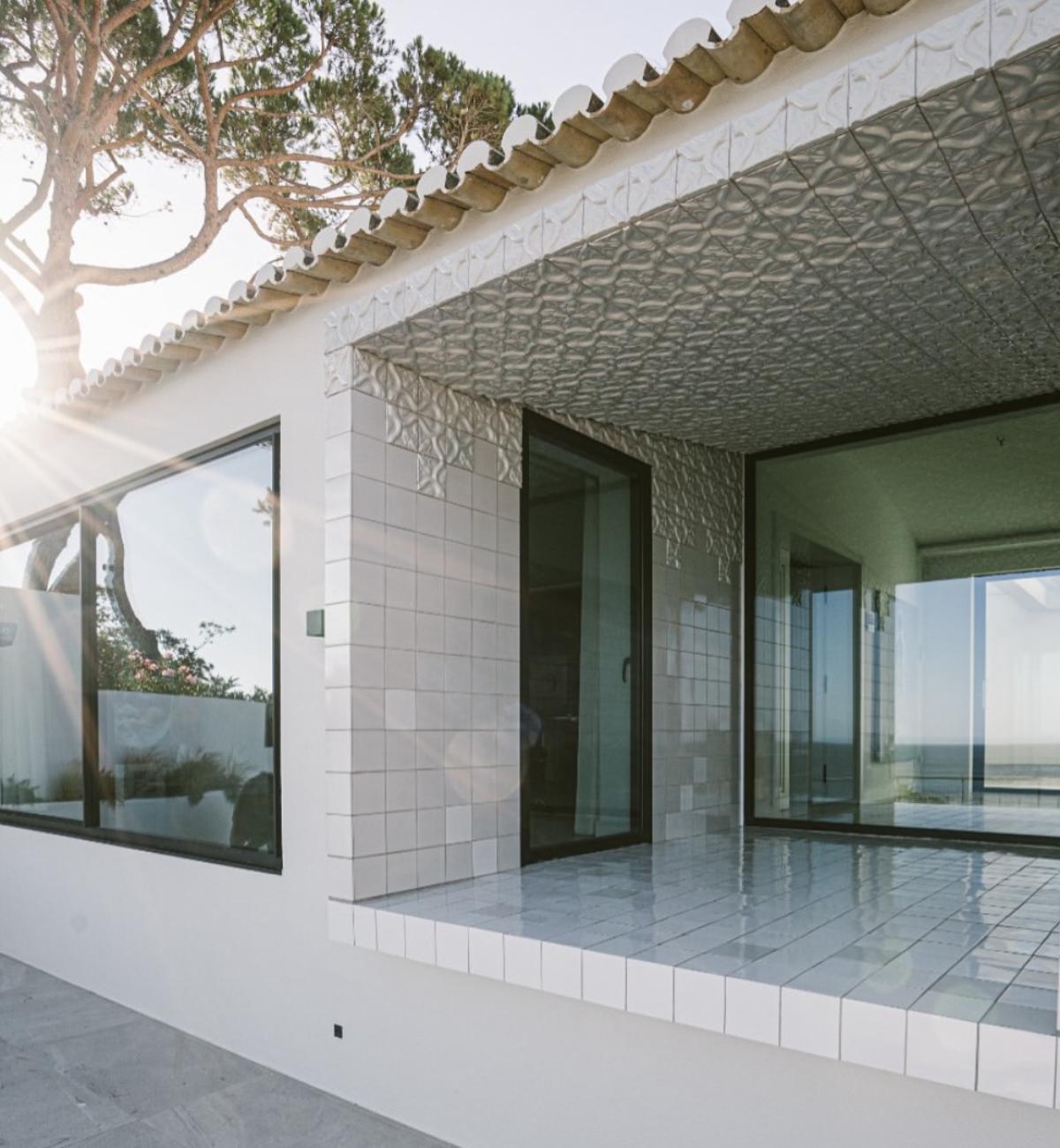
Diogo Machado, known as Add Fuel, reimagines traditional Portuguese azulejo tiles through a contemporary graphic language. Playing with motifs, mirrored patterns, and hidden images, he creates mesmerizing compositions for both exterior and interior environments. His tiles are often used in modern kitchens, spa areas, exclusive hotels, and private homes, adding cultural depth and distinctive character.
The answer is multilayered. Portuguese artists masterfully balance tradition and modernity. Their visual language is often both raw and poetic, innovative yet deeply human. They integrate cultural heritage into a global context, creating works that resonate with international audiences.
Their materials—concrete, wood, metal, ceramics—carry a sense of reality, of something that has endured. Many explore themes of identity, family history, tradition, and urban memory, making their art ideal for interiors seeking meaning and symbolism.
Whether through VHILS’ carved portraits or Vasconcelos’ colourful spectacles, these works establish an emotional connection with the viewer.
Today, luxury is not defined merely by material value, but by the ability of objects to tell stories. Contemporary Portuguese art—led by artists such as VHILS, Bordalo II, Joana Vasconcelos, and Add Fuel—offers exactly that: narrative, emotion, concept, and visual power. Their creations transform spaces into experiences, turning homes and offices into reflections of cultural depth and significance.
Photos: VHILS, BordaloII, Joana Vasconcelos, Joanna Correia, Adrien Dirand, Dior, ADDFUEL - Diogo Machado.
© Copyright 2026 Unique Estates. All rights reserved.