26/02/2026
Lifestyle

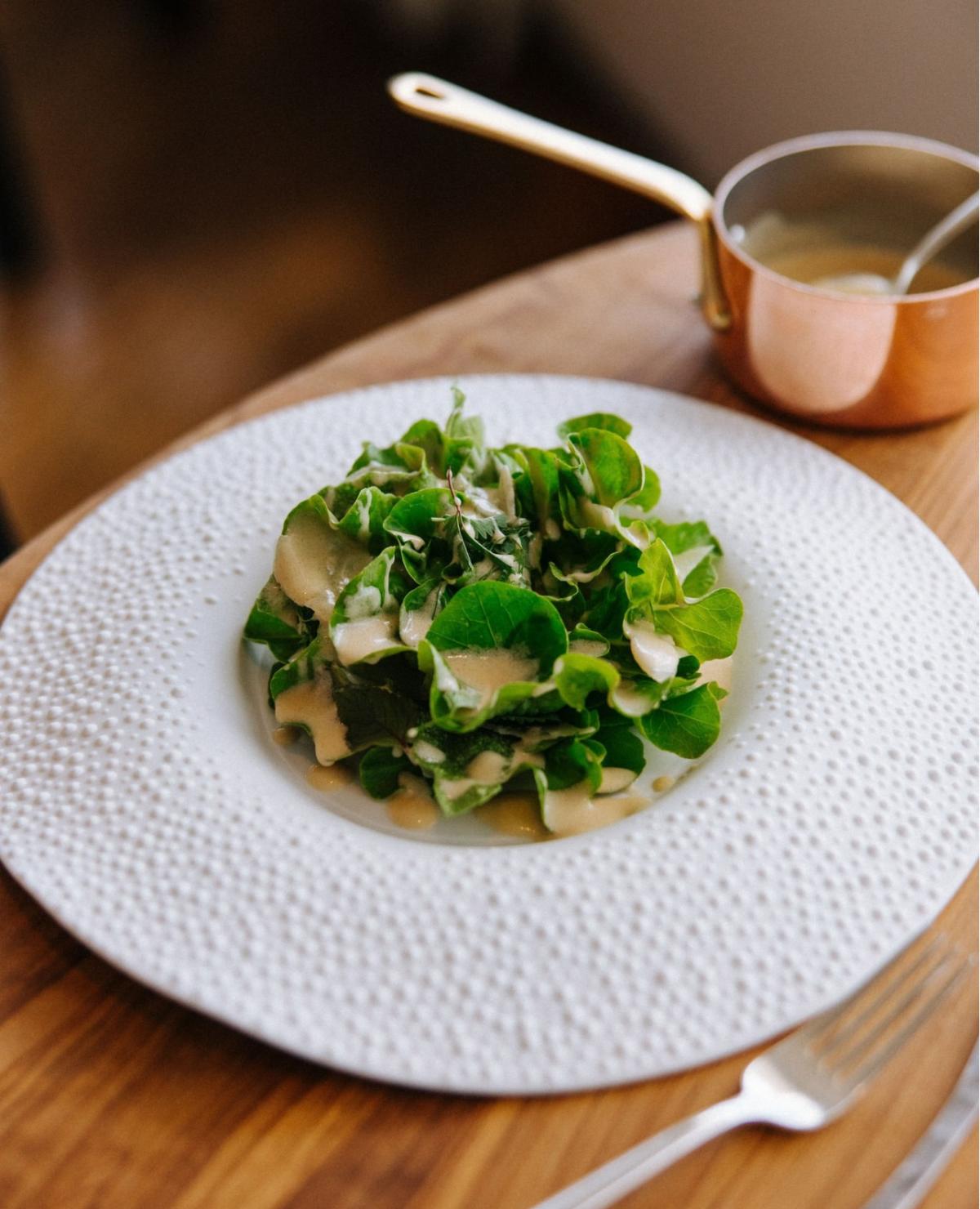
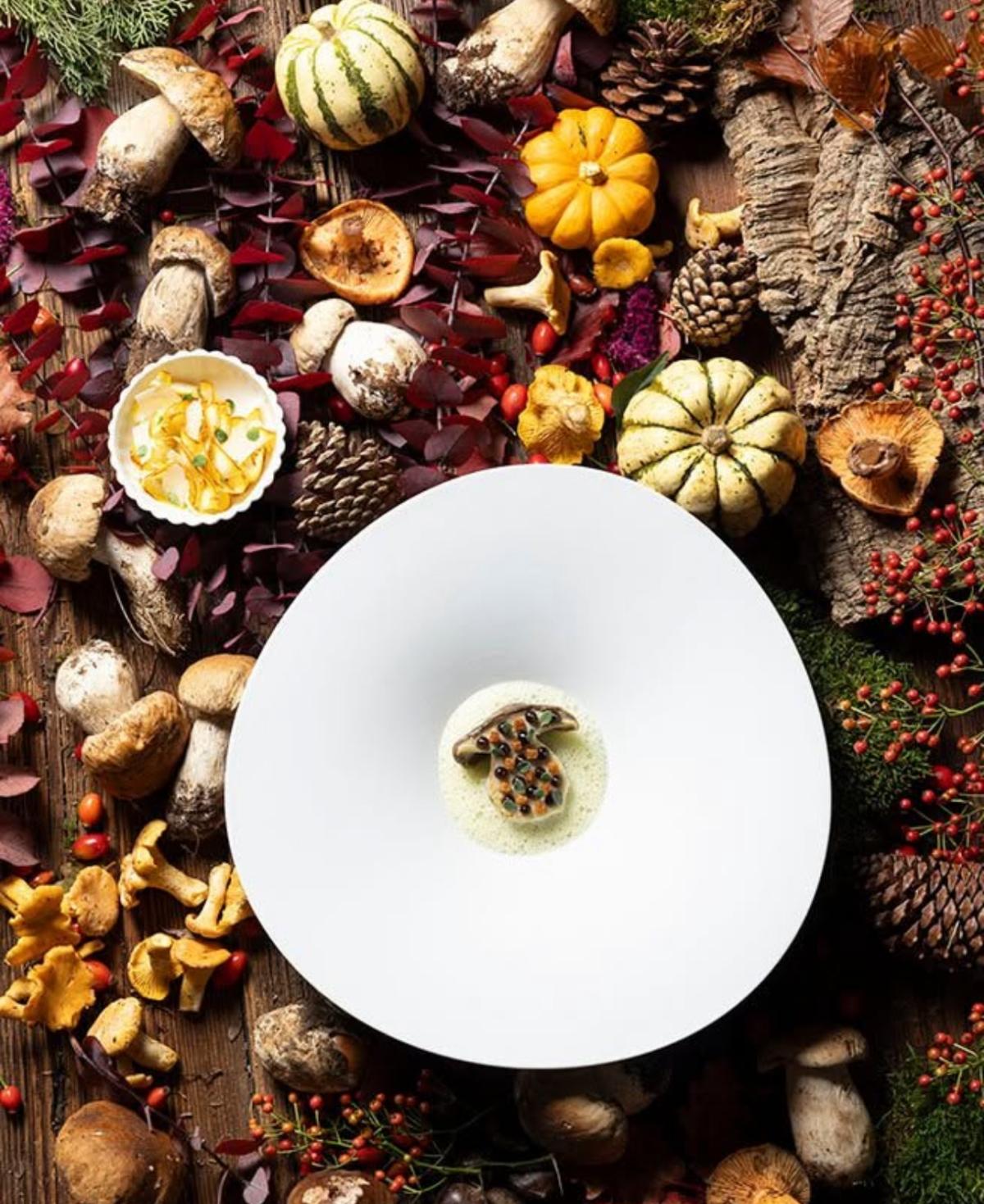
For decades, the world of haute gastronomy has oscillated between tradition and revolution. Yet the third millennium introduces questions that are deeper, more urgent, and impossible to ignore. What does fine dining mean in an era of climate uncertainty, global interconnectedness, and technological acceleration? And what becomes of luxury when time, nature, and attention reclaim their true value?
The future table is more than a concept-it is a laboratory of values. Just as haute cuisine once served as a stage for experimentation with texture and form, today it has become a testing ground for ideas rooted in ethics, sustainability, and the human experience.
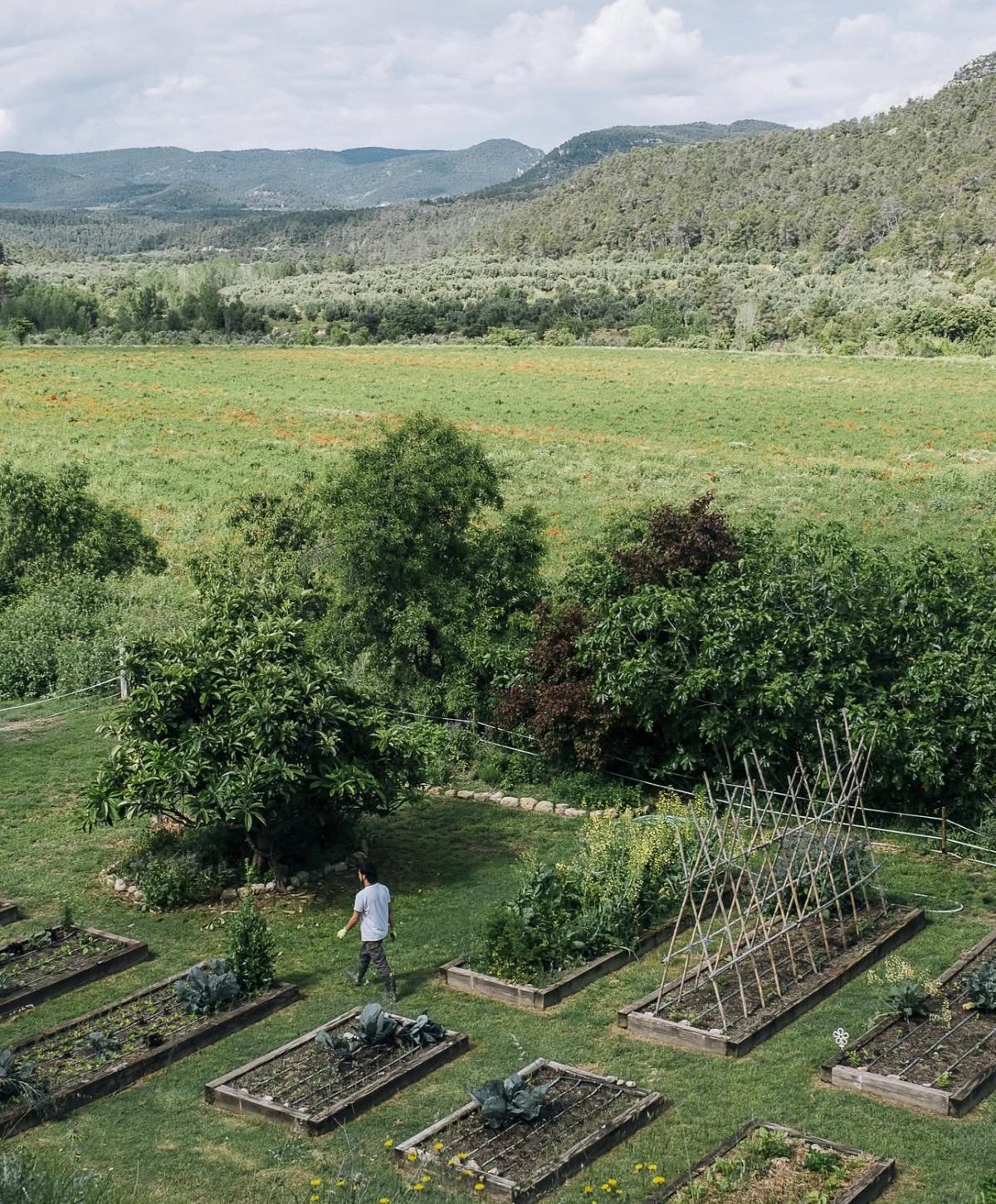
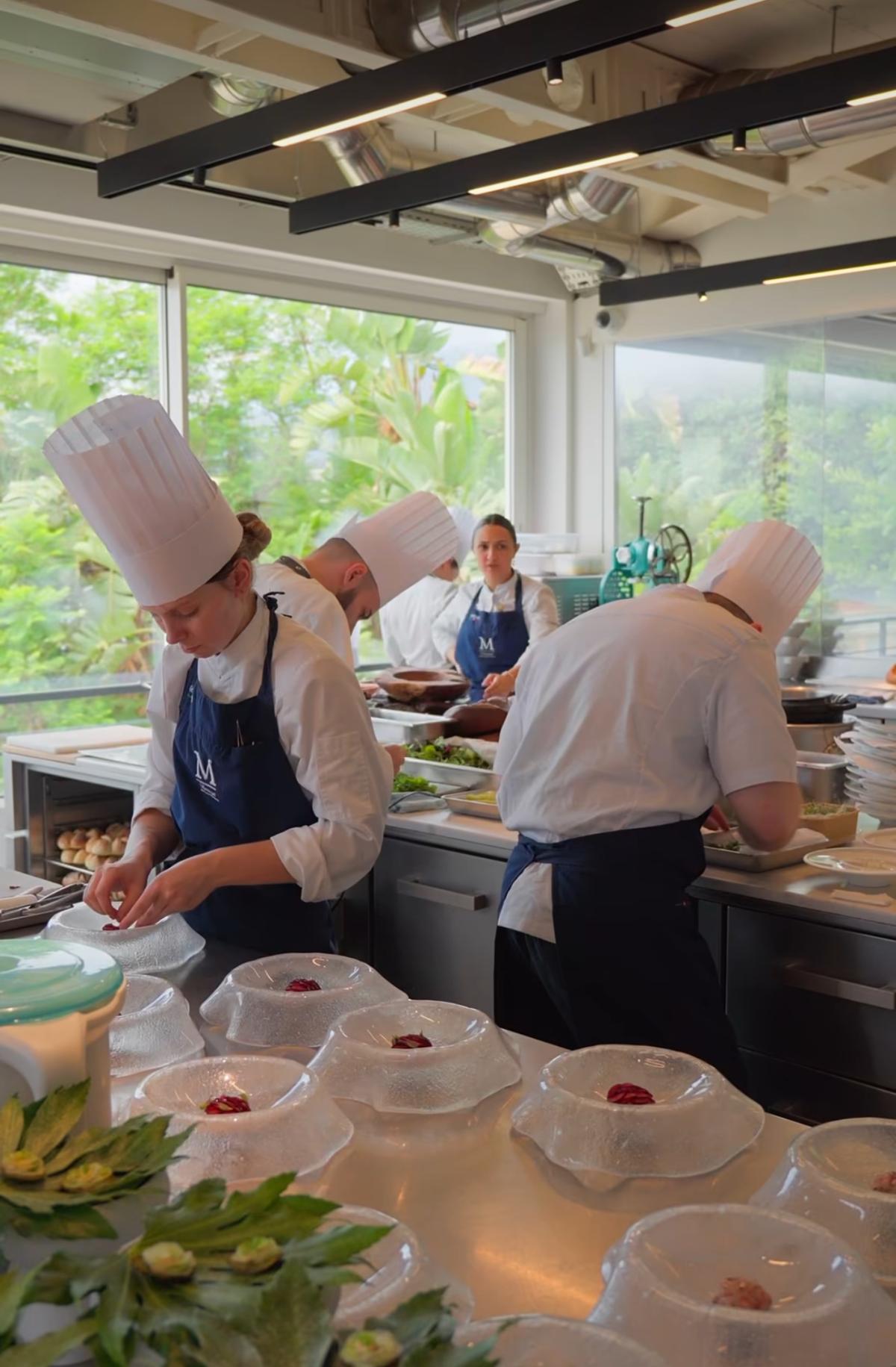
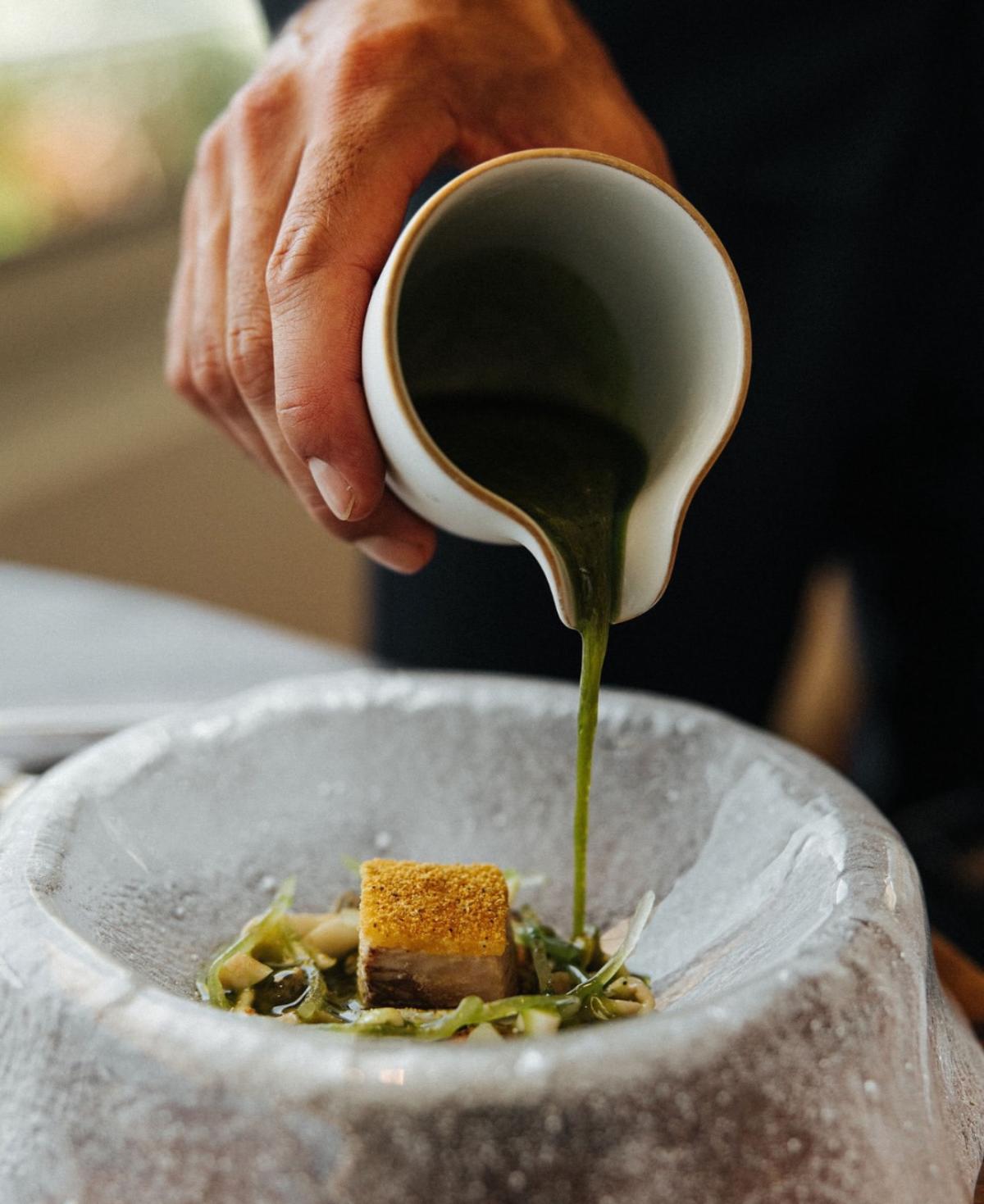
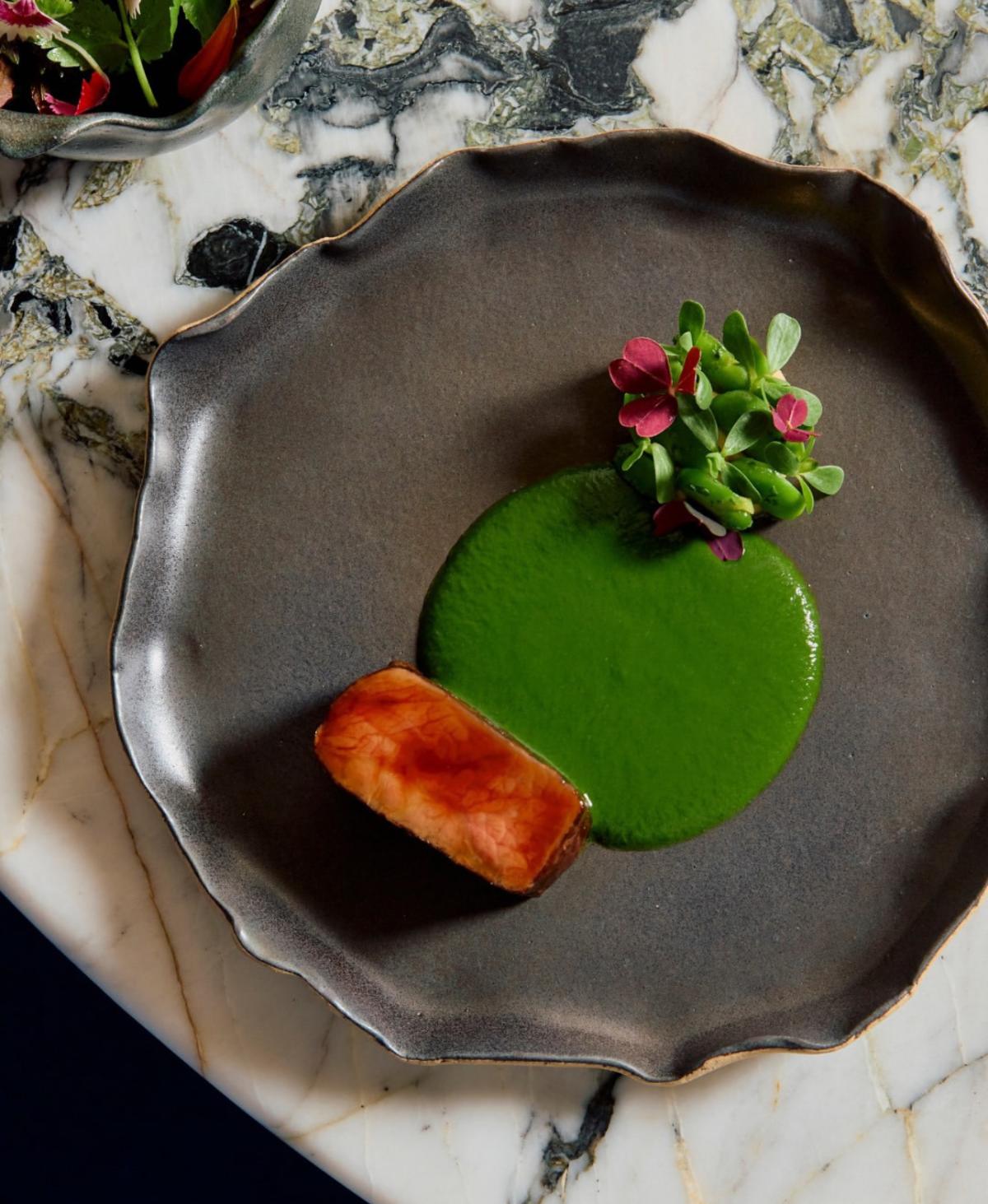
Fine dining is entering an era in which integrity is the most precious ingredient of all. When Mauro Colagreco transformed the gardens of Mirazur into a “culinary ecosystem,” he introduced a new paradigm: a restaurant that does not merely draw from nature, but actively restores it. What was once exceptional is fast becoming the standard.
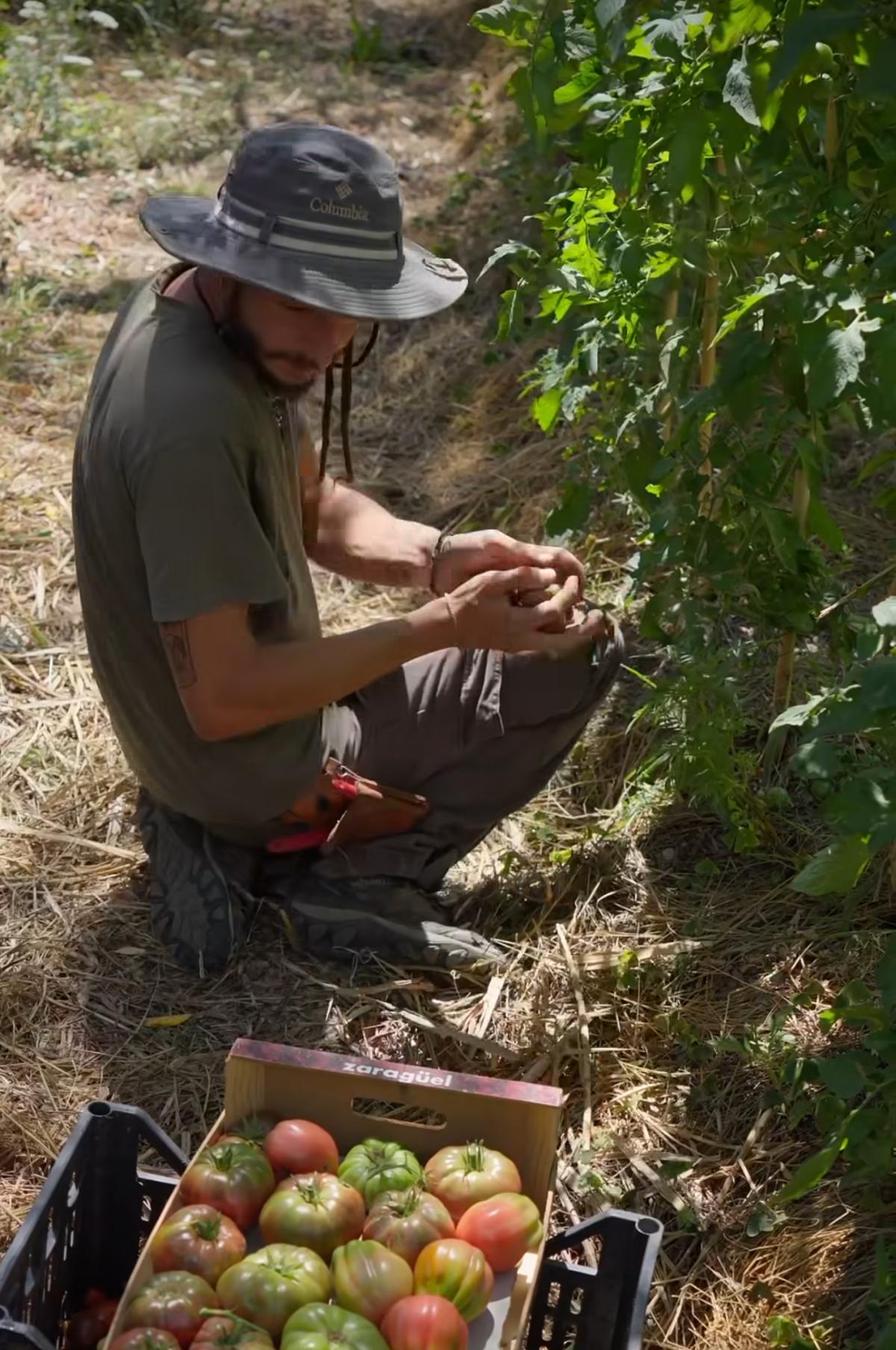
Today, the world’s most revered kitchens collaborate with farmers, biologists, ethnobotanists, and climate scientists. Ingredients may be local, but the stories they tell are global. At the forefront are regenerative practices-soils that heal, pastures that renew themselves, seas protected through restraint and care.
Sustainability, however, is no longer a discreet green note on the menu - it is the philosophy underpinning the entire experience. Design grows more restrained, waste is meticulously reduced, and seasonality expands beyond convention. A season is no longer defined solely by harvest, but by nature’s own rhythm. Chefs are learning not just to cook with ingredients, but to cook in accordance with them.
If culinary futurism once meant liquid nitrogen and spherification, today’s technological revolution is quieter, subtler-and far more consequential.
Modern kitchens increasingly resemble laboratories. Sensors monitor fermentation humidity, digital platforms track the carbon footprint of every delivery, and 3D-printed forms sculpt food into precise geometries.
Fermentation, once ancestral knowledge, has evolved into a scientific instrument, while biotechnology introduces new proteins-from cultivated meats to fermented dairy alternatives created without animal origin. Their presence on the Michelin stage is not one of replacement, but of expansion: new textures, new flavours, and new ethical horizons.
Technology does not eclipse the human hand - it extends human ingenuity. Precision deepens, but so does humanity-because every innovation is guided by intention.
The third millennium is reshaping our understanding of refinement. Luxury is no longer a grand operatic spectacle - it has become a chamber symphony. Opulence yields to closeness.
A new phenomenon is emerging: the micro-restaurant-spaces of six, eight, or twelve seats, where the chef is not a distant legend but a living presence before you. In Tokyo, Kyoto, Copenhagen, Mexico City, and Melbourne, some of the most celebrated young chefs cook within arm’s reach of their guests. This is not theatre - it is dialogue.
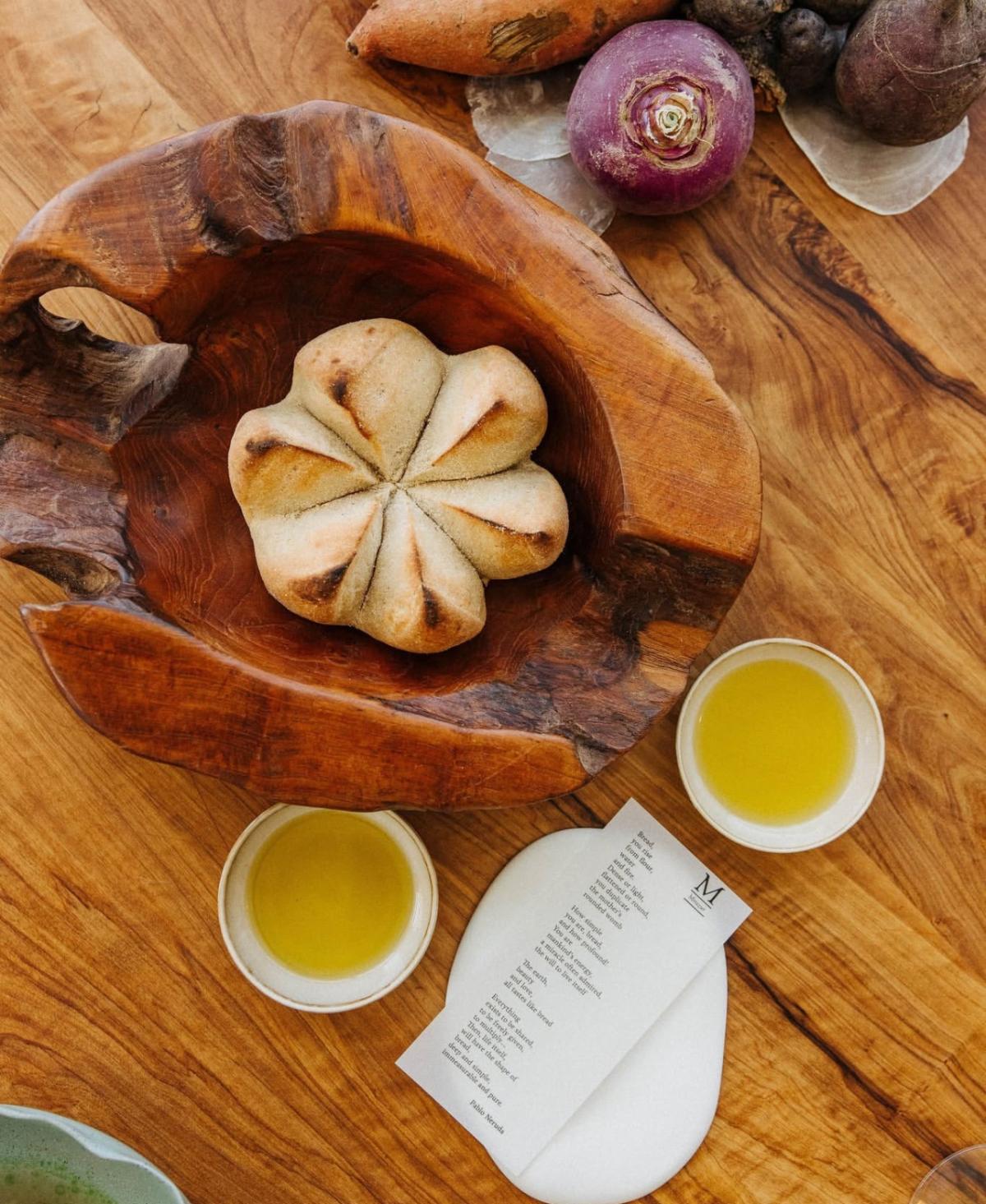
Service slows. The experience grows more intimate, rituals more discreet. Even space itself transforms-raw wooden tables, organic materials, softened light. Nothing is superfluous - everything is considered. Silence becomes the most luxurious seasoning. Time - the main course. Memory - the lasting aftertaste.
The future table does not follow old rules-it rewrites them. Taste is no longer merely an outcome, but a process, one that chefs now invite guests to witness and understand.
Menus emerge structured around ideas rather than ingredients: menus of climate zones, of biomes, of emissions, of time itself.
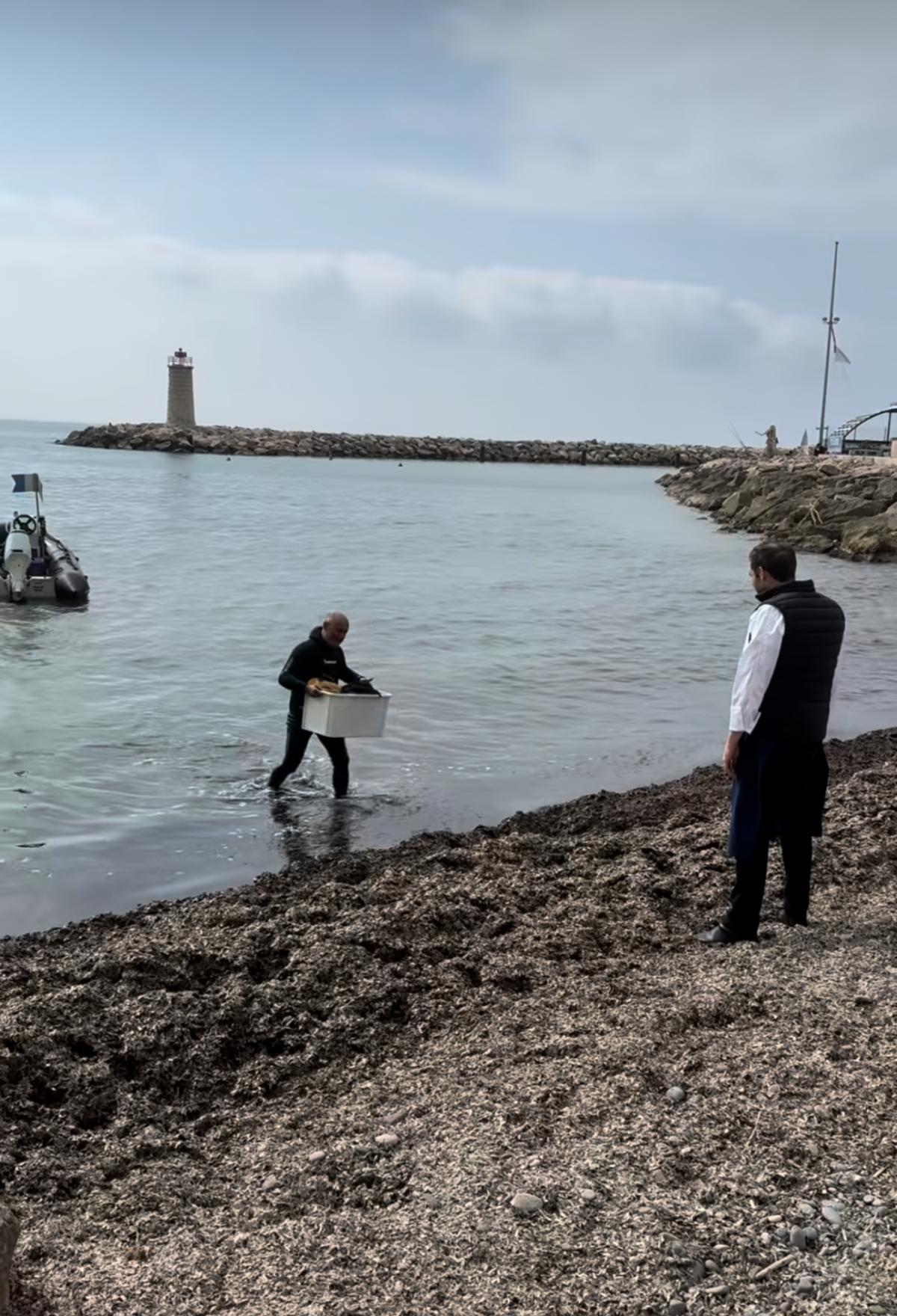
The plate becomes a map-of an ocean, a forest, a micro-season, a single shoreline on a specific day. Luxury is no longer defined by inaccessibility, but by meaning - true value lies in provenance, intention, and responsibility.
The new palate is quiet, introspective, and pure-yet profoundly emotional. That fleeting moment when an aroma recalls home, or a texture awakens something long forgotten, sits at the heart of tomorrow’s cuisine. Contrast gives way to depth as the new crescendo.
If the first chapter of our trilogy revealed the chef as a philosopher, and the second as a conductor, the future casts the chef as an explorer.
A new generation of chefs travels across ecosystems, cultures, and techniques. They collaborate with scientists, ethnographers, sailors, farmers-even archaeologists. Their menus tell stories of ancient grain varieties resurrected from dusty archives; seaweeds harvested from deep currents; micro-farmers who grow vegetables like poetry; rituals preserved within mountains, deserts, and remote islands.
This is culinary anthropology in motion-the table as a living textbook of culture and ecology. The chef is no longer solely a creator, but a mediator between the world and the guest.
The future guest is more conscious, more informed, more willing to listen. The etiquette of tomorrow’s table is not rooted in formality, but in respect-respect for labour, for ingredients, for the moment itself.
Mobile phones are set aside not by rule, but by choice. Conversations soften out of gratitude. The table becomes an island of presence-an interruption in the relentless noise of daily life. This new culture requires not expertise, but intention: to be present, to feel, to listen.
In the future of haute gastronomy, the guest is not merely a customer, but a participant in the ritual.
Gastronomy has always reflected civilisation-and it is precisely for this reason that the cuisine of the future looks as it does: sustainable, technological, conscious, deeply human. It is not a manifesto for a distant tomorrow, but a mirror of the world we are already creating. Through food, we reveal our relationship with nature, with time, and with ourselves.
The future table is a promise-that taste can be pleasure and responsibility, art and ethics, indulgence and knowledge all at once. For haute cuisine has always been a journey. Tomorrow simply adds new coordinates to its ever-expanding map.
Thus concludes the trilogy Beyond the Stars-a journey from the philosophy of taste, through the unseen stage behind the scenes, to the horizons of the future table. Yet in the world of high gastronomy, nothing ever truly ends. Everything transforms-flavour, culture, and ourselves alike.
Photos: Restaurant Mirazur, Mauro Colagreco.
© Copyright 2026 Unique Estates. All rights reserved.