01/04/2026
Lifestyle

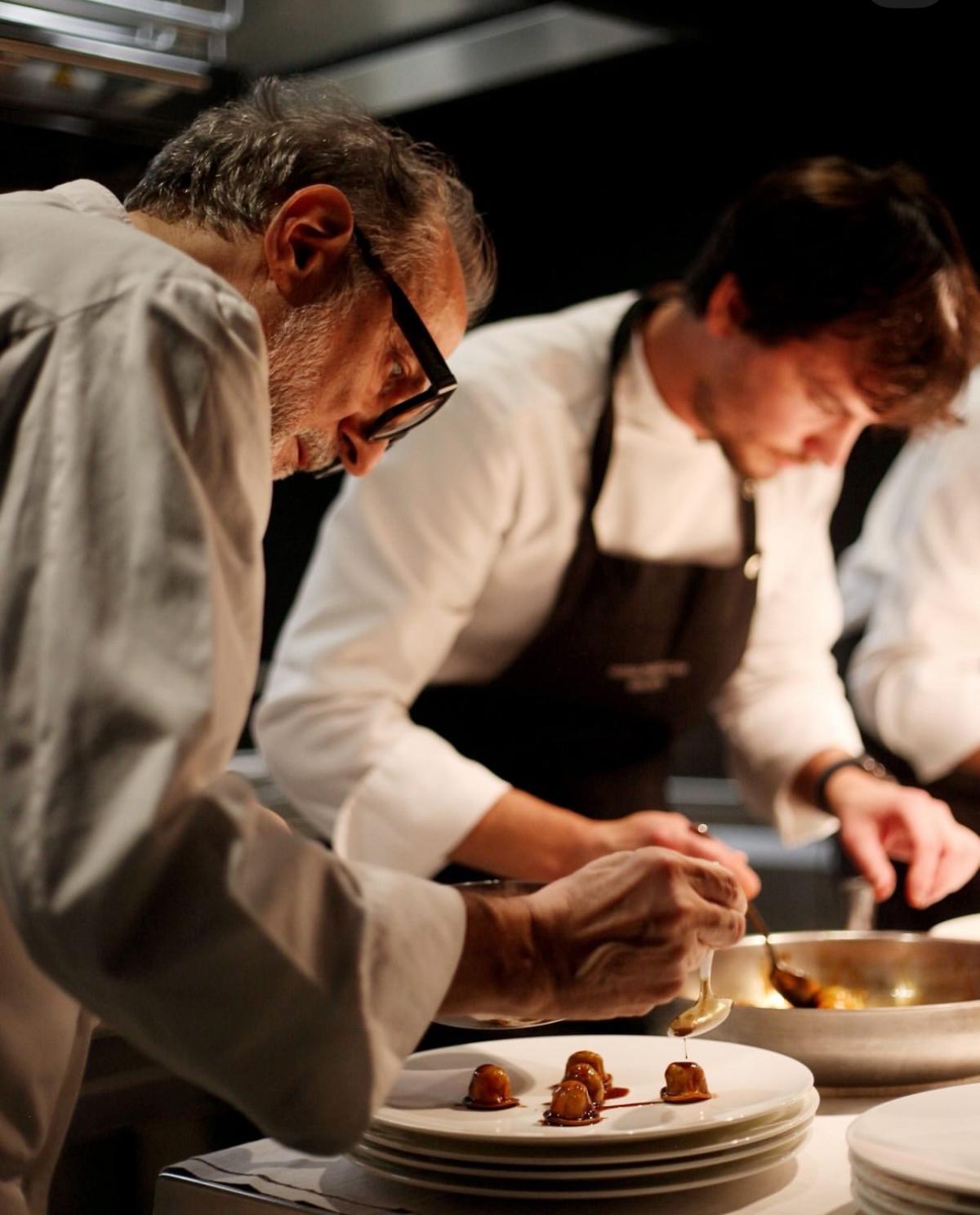
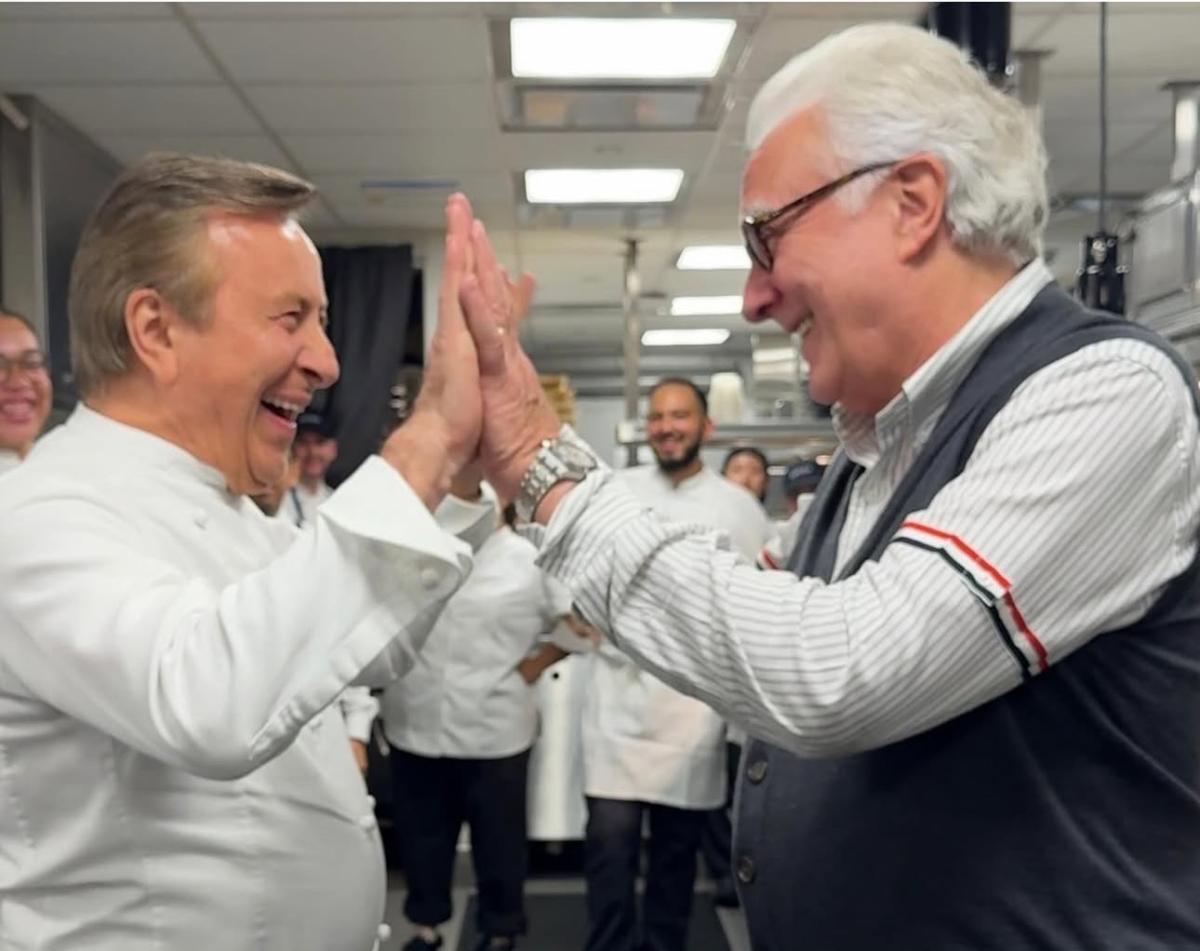
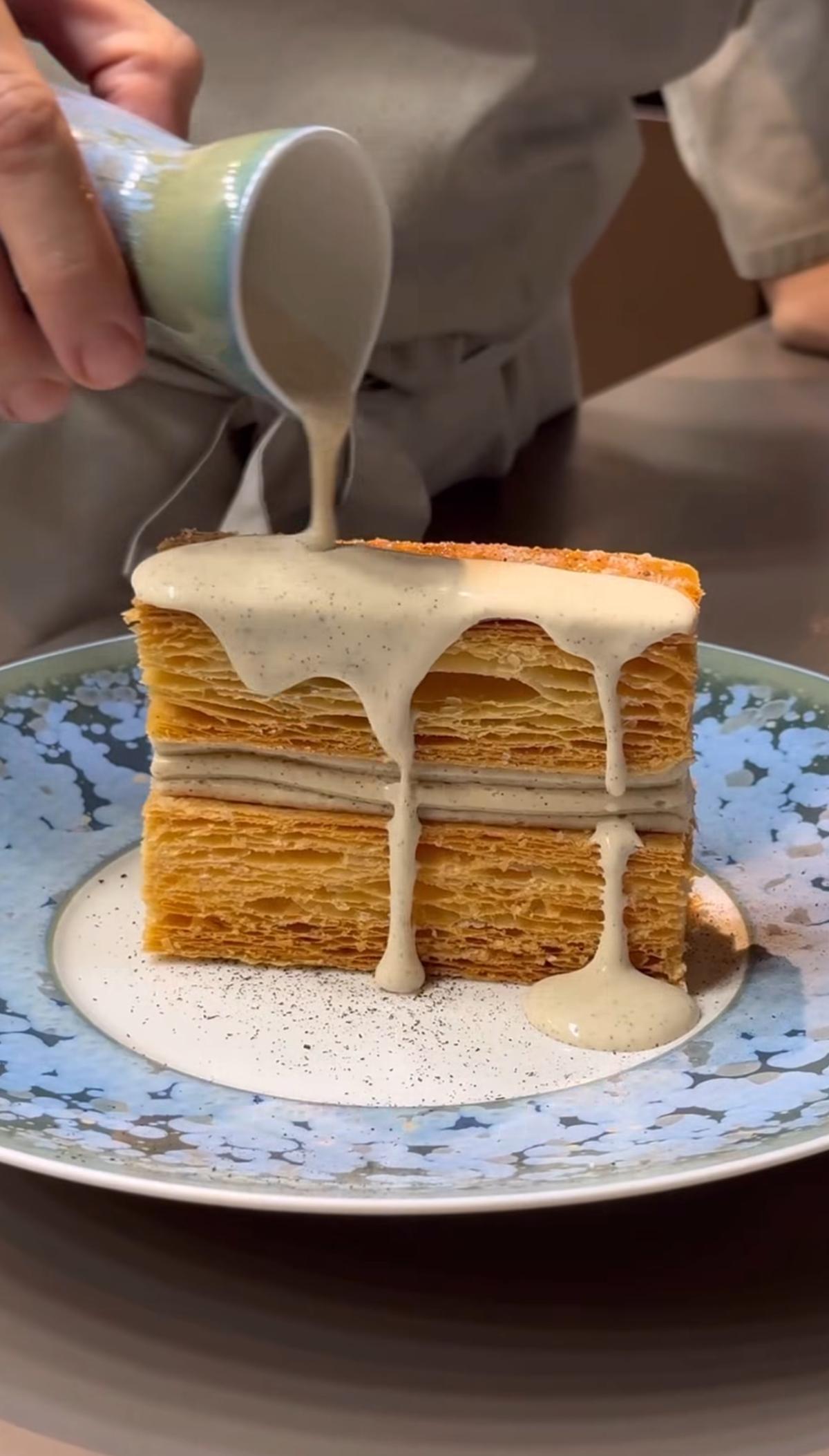
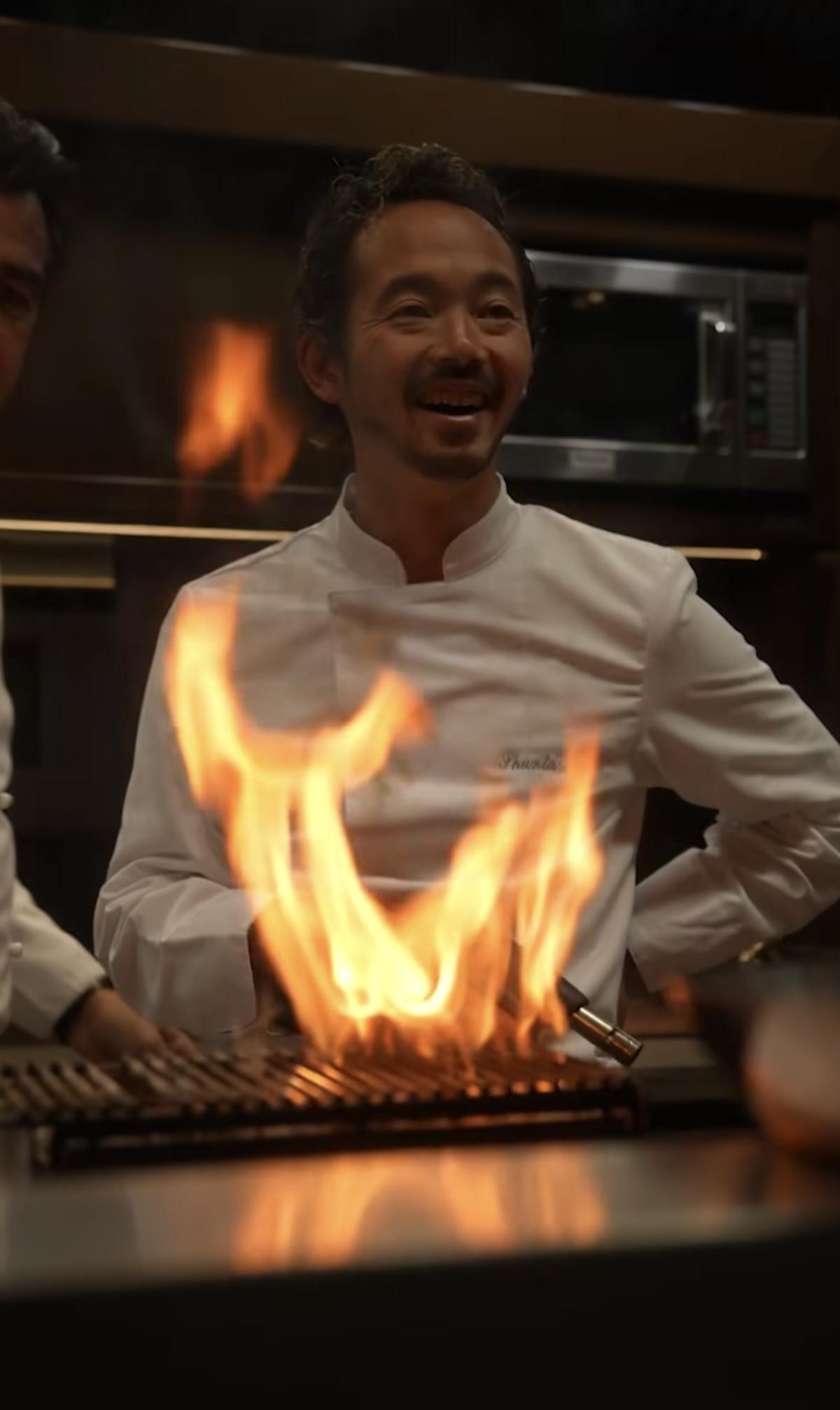
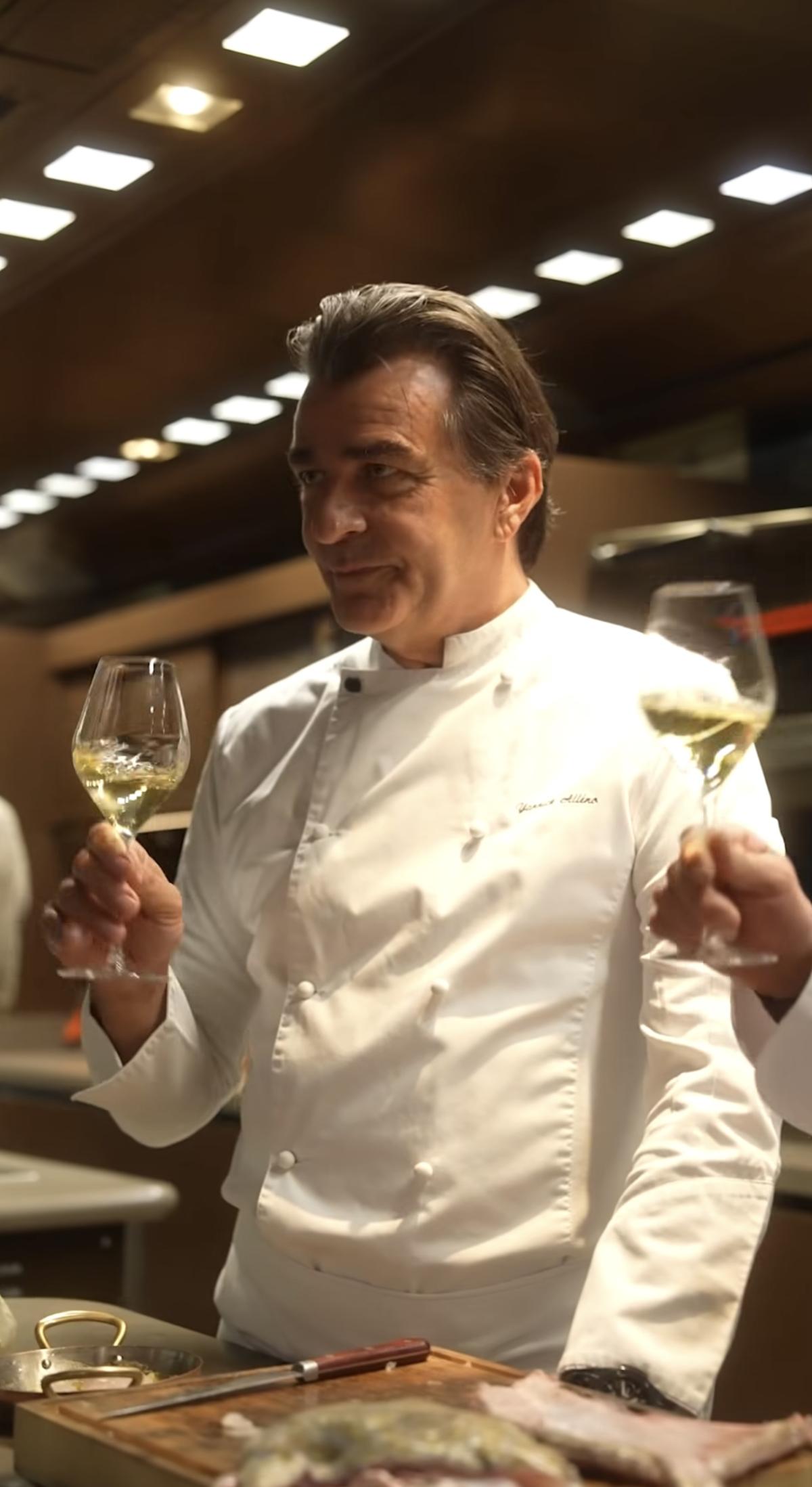
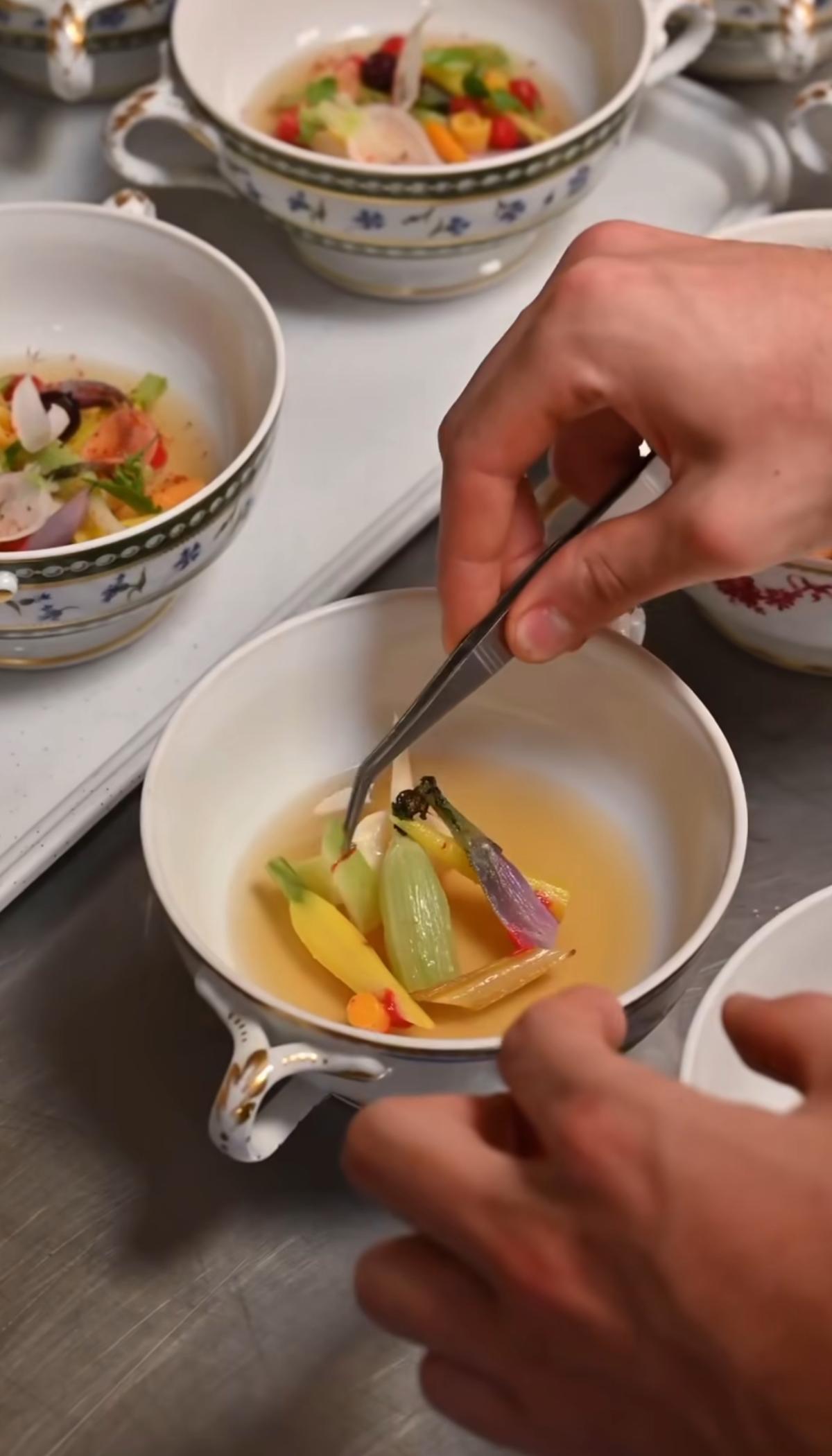
In the previous article of our series “Beyond the stars” — “The soul and philosophy of taste” — we explored gastronomy as an art form: poetry expressed through flavor, aroma, and emotion. We spoke of that spark — the one that gives birth to a dish, its philosophy, and the feeling it carries.
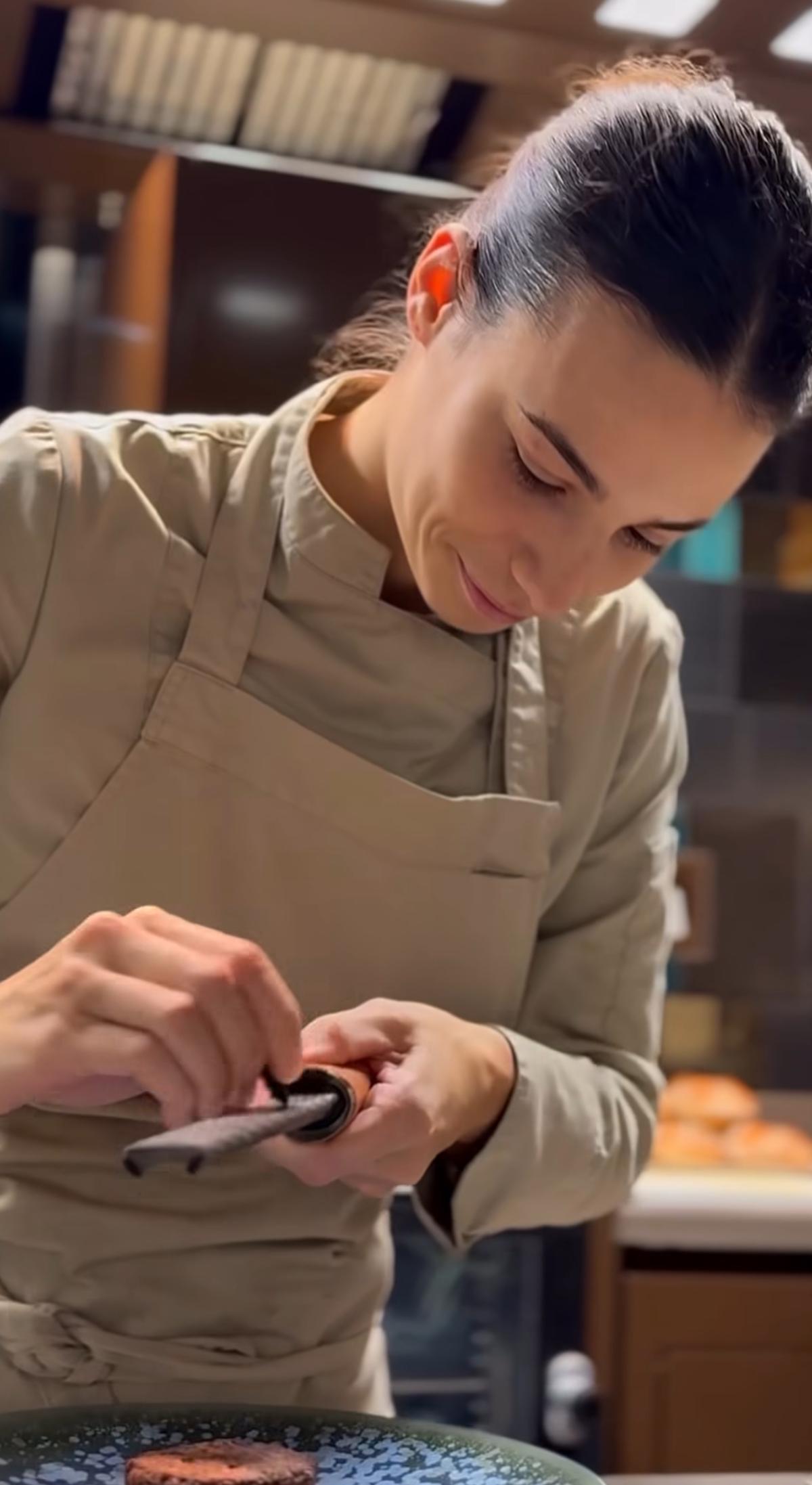
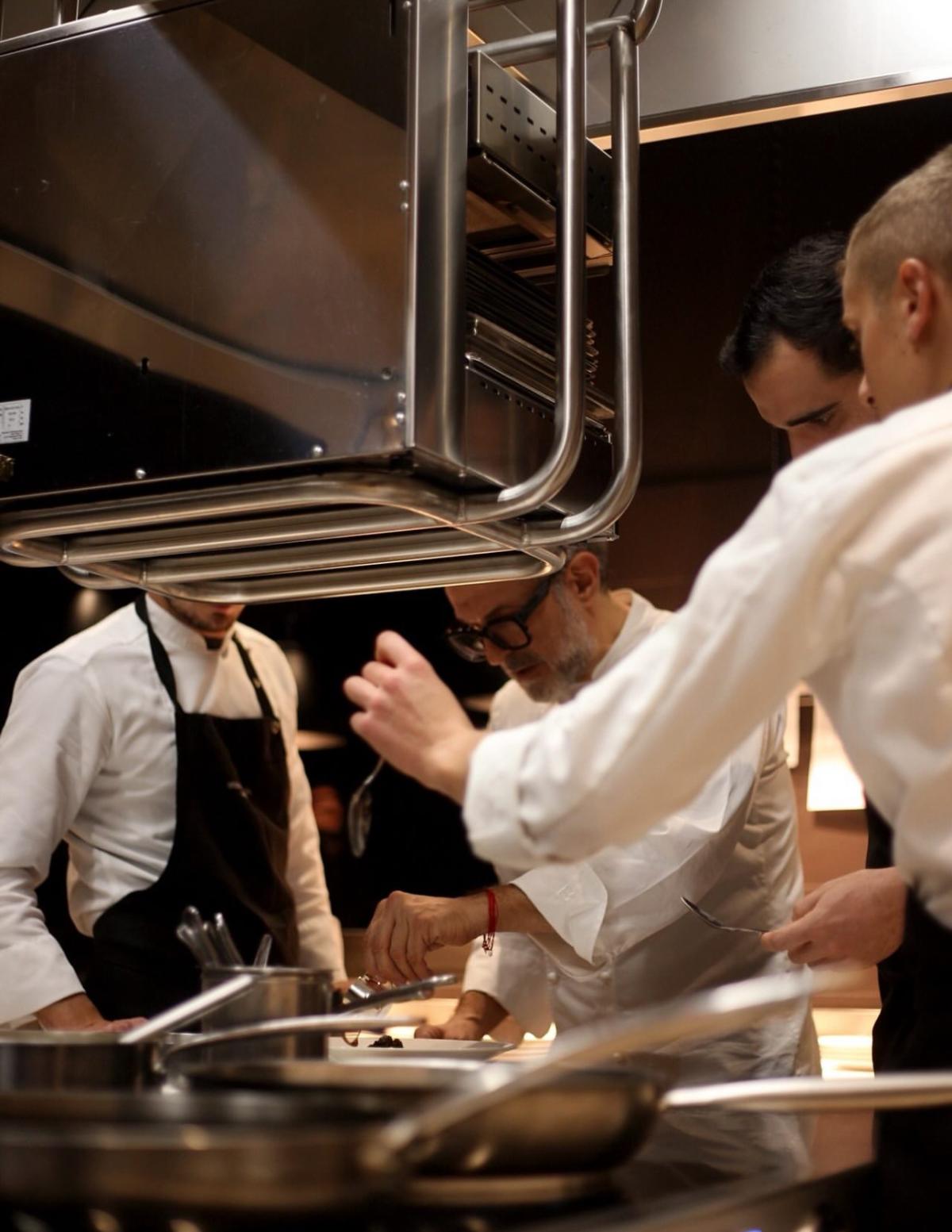
Today, we step down from the clouds of inspiration and onto the kitchen floor — that sacred ground where chefs move with rhythm and precision worthy of the finest orchestras. Because haute cuisine is not only music — it is also mathematics, physics, organization, and at times, a raw, almost military discipline. Here, behind the scenes of Michelin-starred restaurants, every minute is a rehearsal for perfection. Every chef is a musician, every knife an instrument, every waiter a conductor of a living performance that unfolds night after night — with no room for error and no chance for an encore.
When the doors to the dining salone close, the true drama of haute cuisine begins.
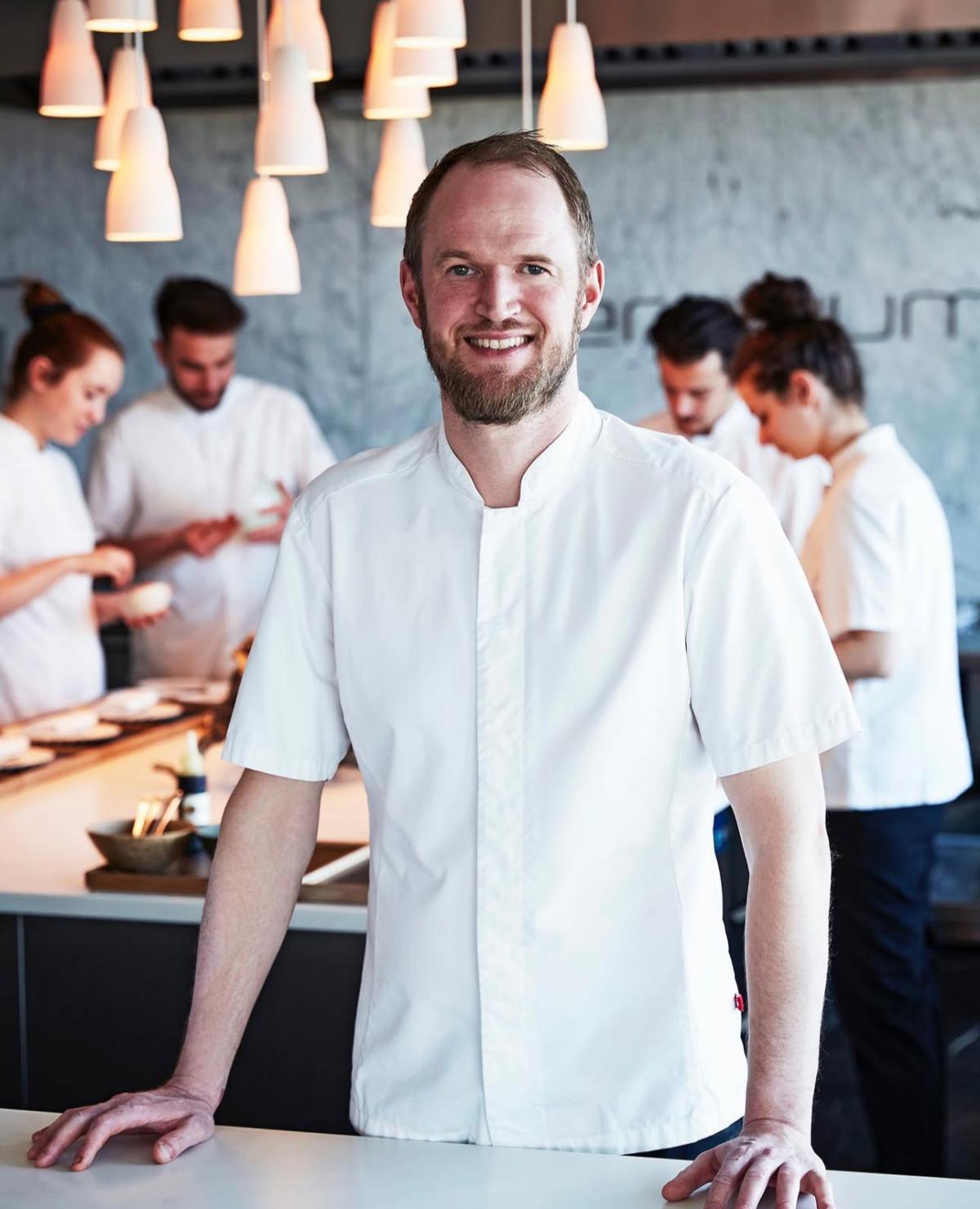
At the heart of every Michelin kitchen lives the brigade system — a hierarchical structure conceived by Auguste Escoffier at the end of the 19th century. It divides responsibilities so precisely that everyone knows their role to perfection.
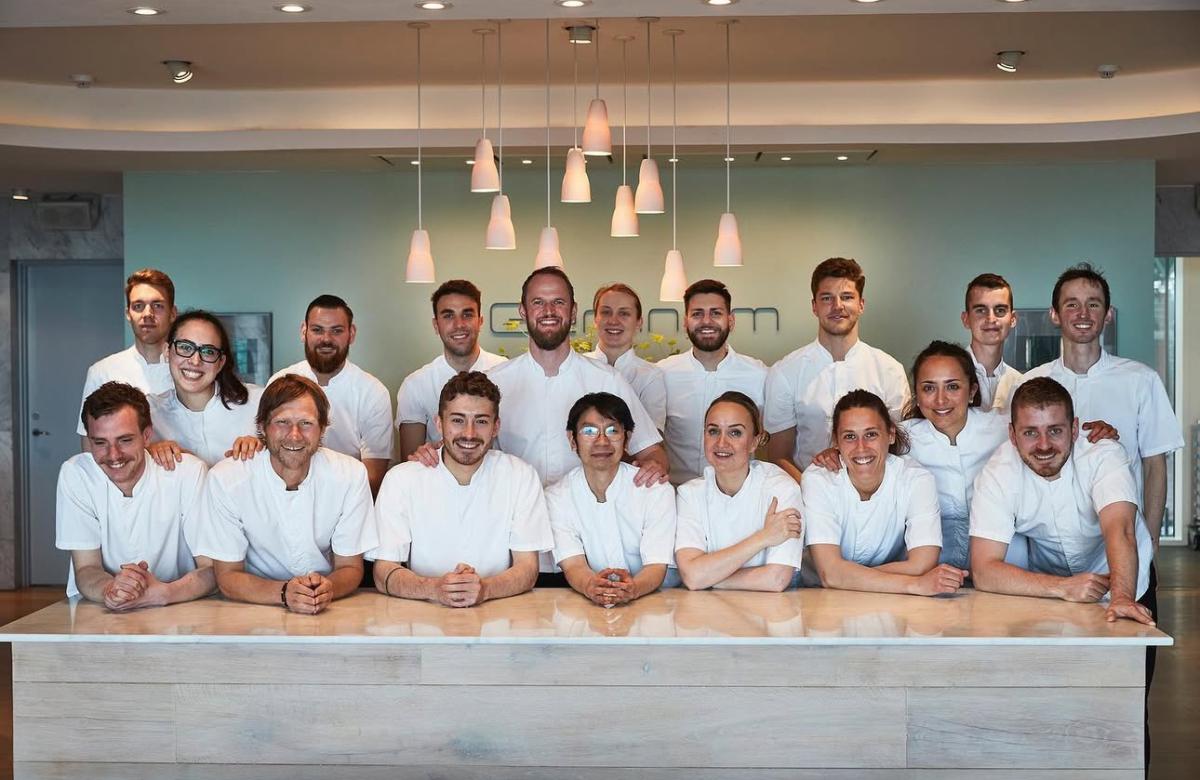
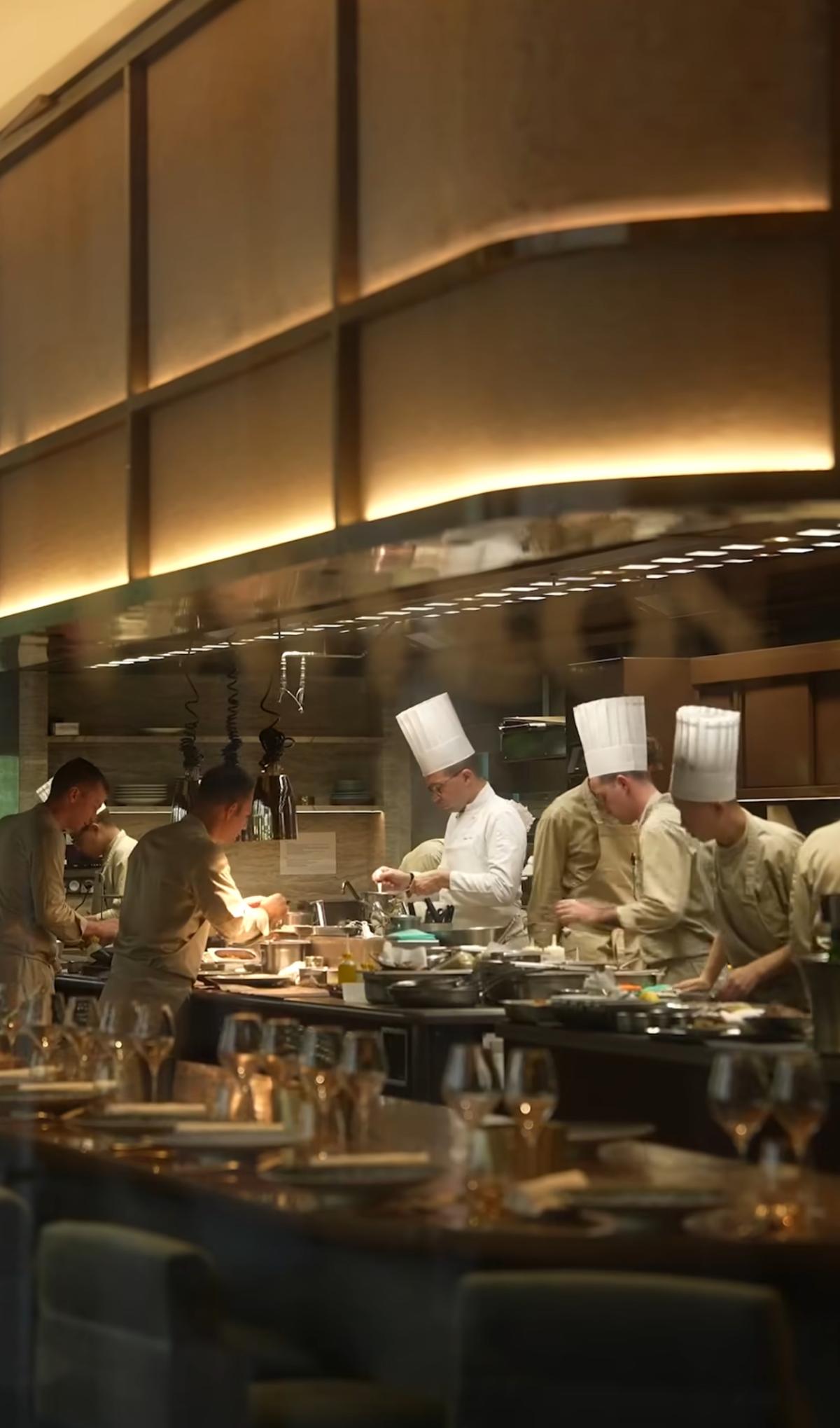
This microcosm runs with the rhythm of a clockwork mechanism. The chef de cuisine is the conductor, maintaining harmony and tempo. Beneath him, the sous-chef coordinates the details, while each chef de partie masters a specific station — meat, fish, garnish, desserts. Every member of the brigade not only knows their task but senses the rhythm of the others.
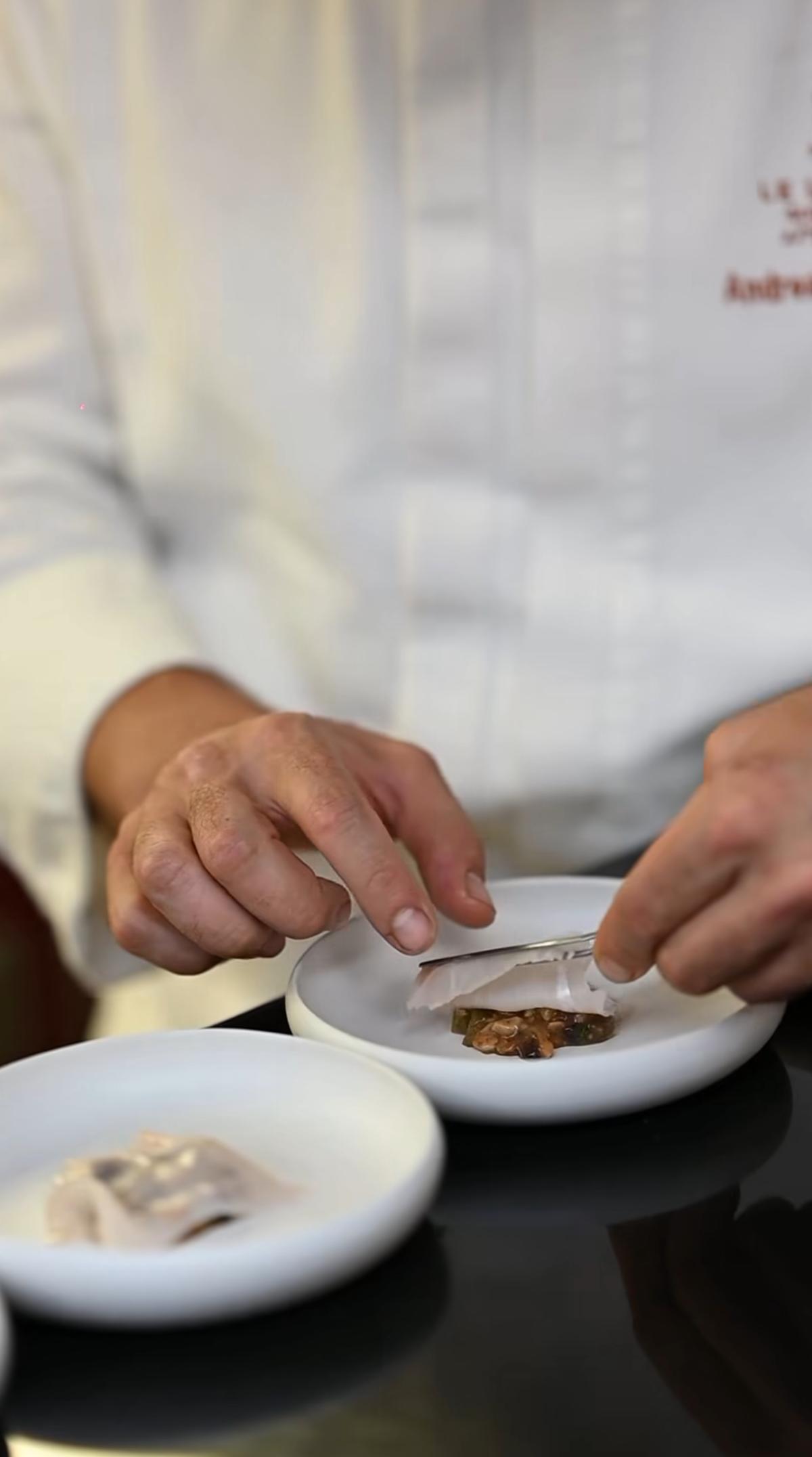
Preparation begins hours before the first guest arrives: ingredients are washed, chopped, portioned into small containers; sauces are reduced with second-by-second precision; knives flash like sabers beneath the kitchen lights.
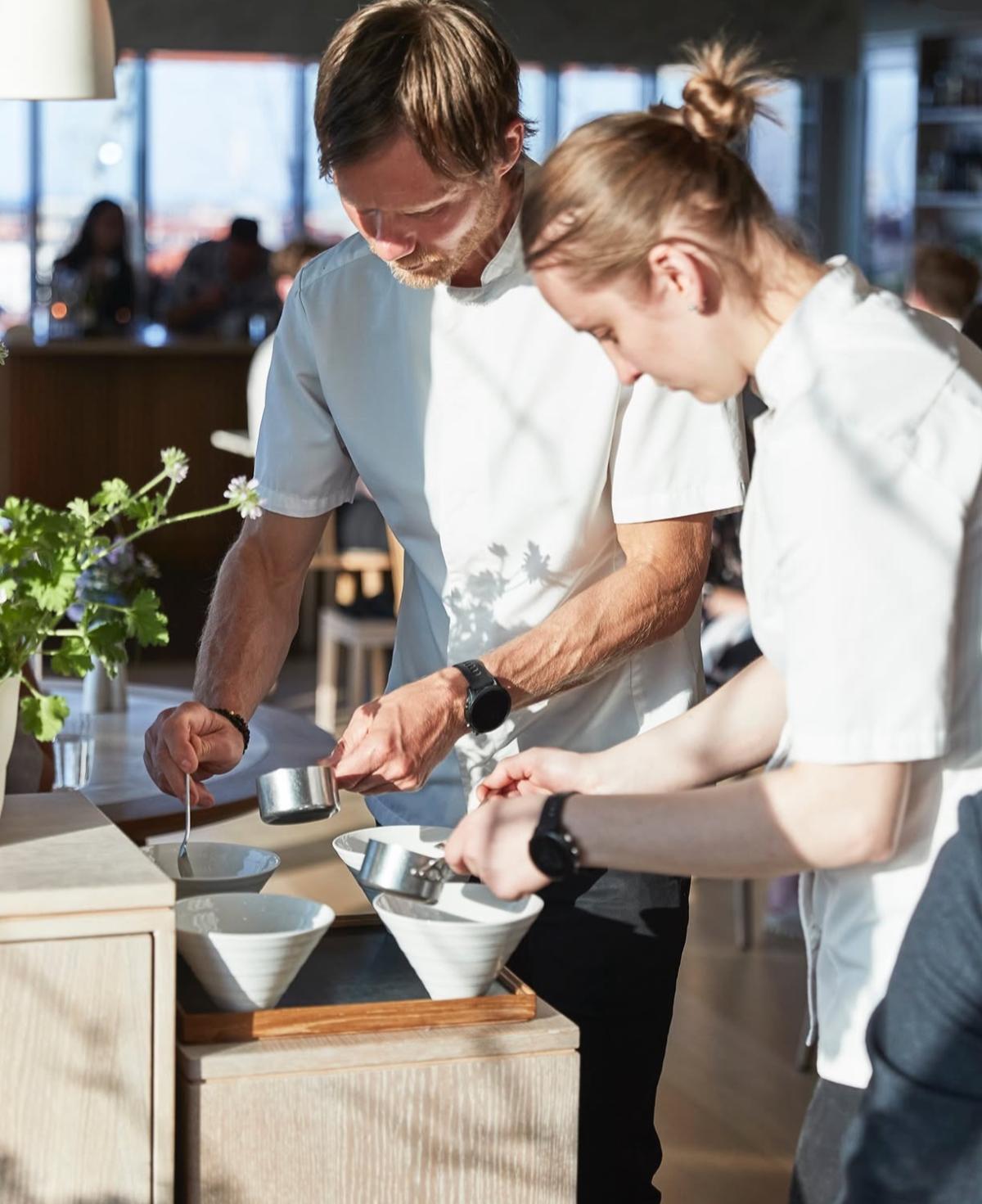
When service begins, the kitchen transforms into an ensemble — every movement part of a greater score. A few seconds’ delay can unravel the entire rhythm. But when everything falls into perfect sync — the hiss of flames, the clink of metal, the whispered commands — what emerges is not simply food, but the music of perfection.
Haute cuisine has its own universe of symbols and rituals, but none more powerful than the Michelin star — that tiny emblem capable of lifting a restaurant to global fame or casting it into obscurity.
Michelin inspectors are almost mythical figures — invisible, yet omnipotent. They travel incognito, observe, record and evaluate. Their gaze is trained to notice details even the most demanding diner would miss: not only flavor, but the sauce’s temperature, a vegetable’s texture, the pacing between courses, the uniformity of each portion.
Their assessment is almost scientific in its objectivity, encompassing: product quality, mastery of technique, harmony of flavors, the chef’s personal signature expressed through the dish, and consistency over time. And it is precisely this consistency that forms the true test. To achieve brilliance for one night is possible; to sustain it for years — that is the mechanics of perfection.
Many chefs admit that Michelin inspectors don’t frighten them — they inspire them. To cook for Michelin means to cook as though someone is watching your every move, even when no one is. It is discipline transformed into art.
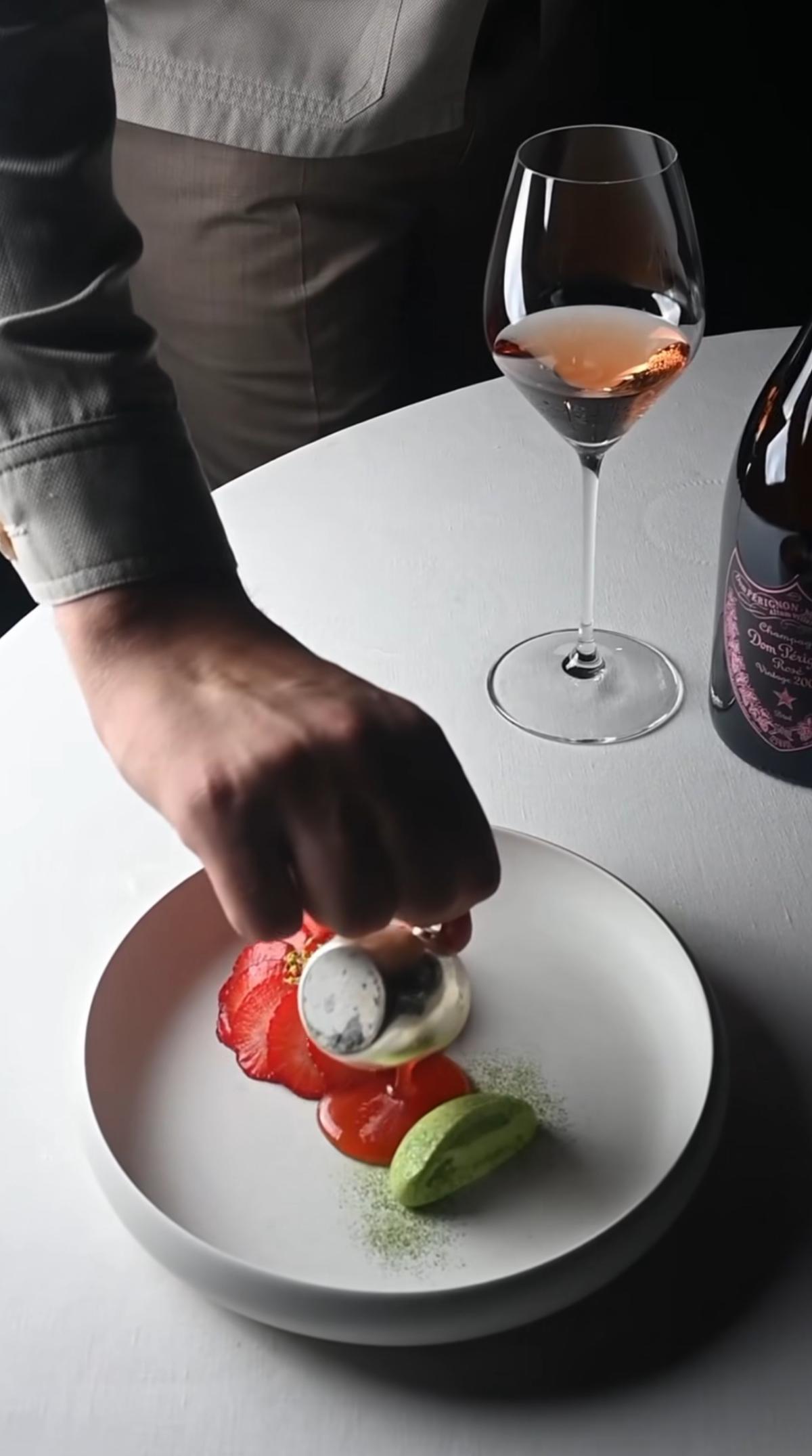
If the magic of taste has a laboratory, it lies within a Michelin-starred kitchen — a place where science and poetry blend in a surprisingly seamless union. Behind every culinary fantasy stands an exact formula: temperature, timing, humidity, molecular structure.
Today’s chefs use technologies that once belonged to science fiction: spherification, where liquids become pearls that burst on the tongue; sous-vide cooking — vacuum-sealed and temperature-controlled with scientific precision; liquid nitrogen that freezes in seconds and turns cream into vapor; dehydration and emulsification that create textures beyond imagination.
Every tool — from thermometer to mixer — is an instrument of science. But behind the machinery stands human intuition — that instinctive moment when a chef decides that “five more seconds” would be too much.
“Haute cuisine is like a Swiss watch,” says one of France’s celebrated chefs. “You see only the hands, never the mechanism. But it’s the mechanism that makes the magic possible.”
The kitchen is a living organism — it cannot stand still. Yet between forward motion and respect for tradition lies a delicate balance. The best chefs move gracefully between avant-garde and classic — between the daring and the familiar.
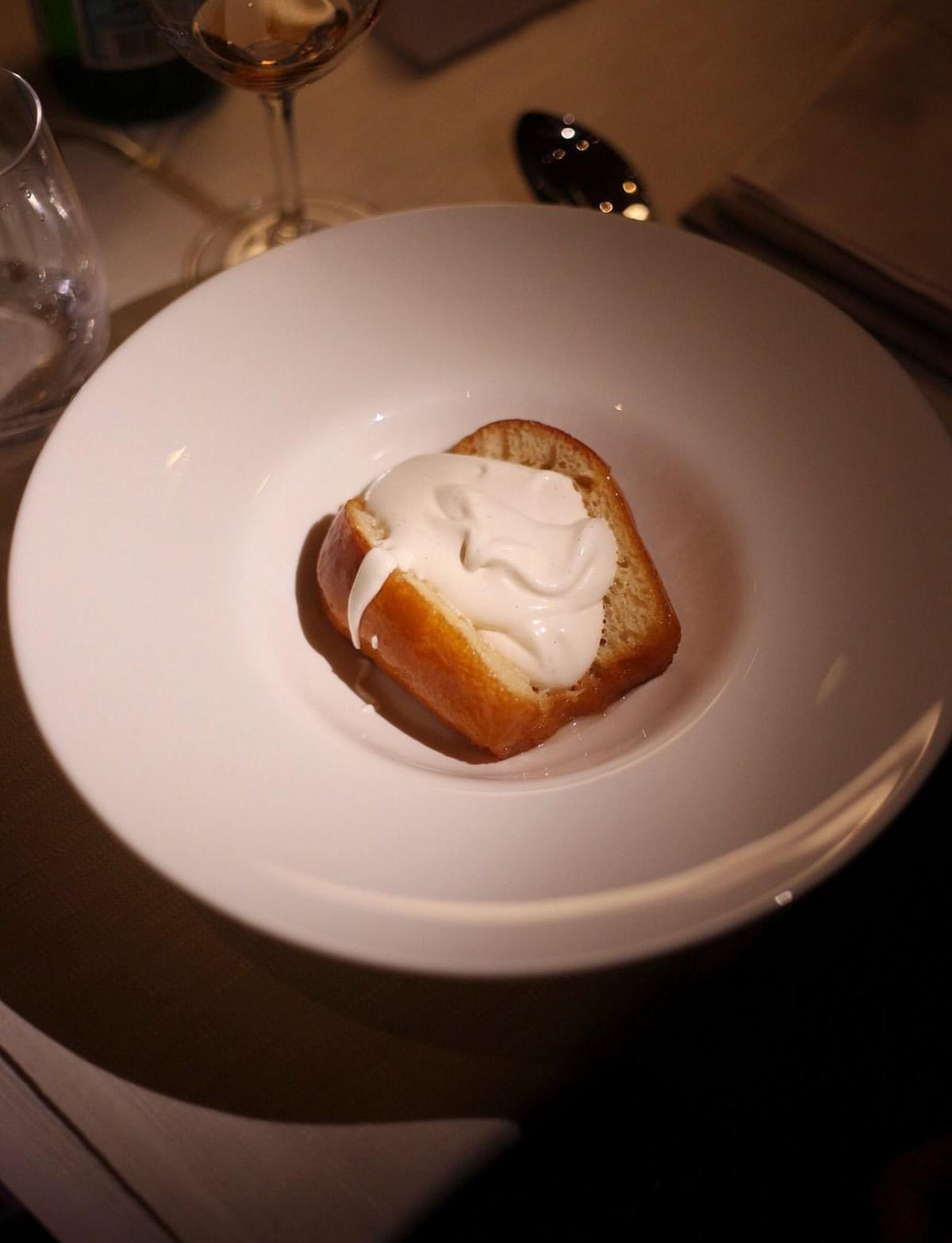
A risotto may follow an age-old recipe yet arrive adorned with a Parmesan foam or caramelized drops of balsamic. A simple soup might evoke childhood memories while looking like a work of modern art. This dynamic tension keeps cuisine alive. Each season is an experiment, each evening - an opportunity for discovery.
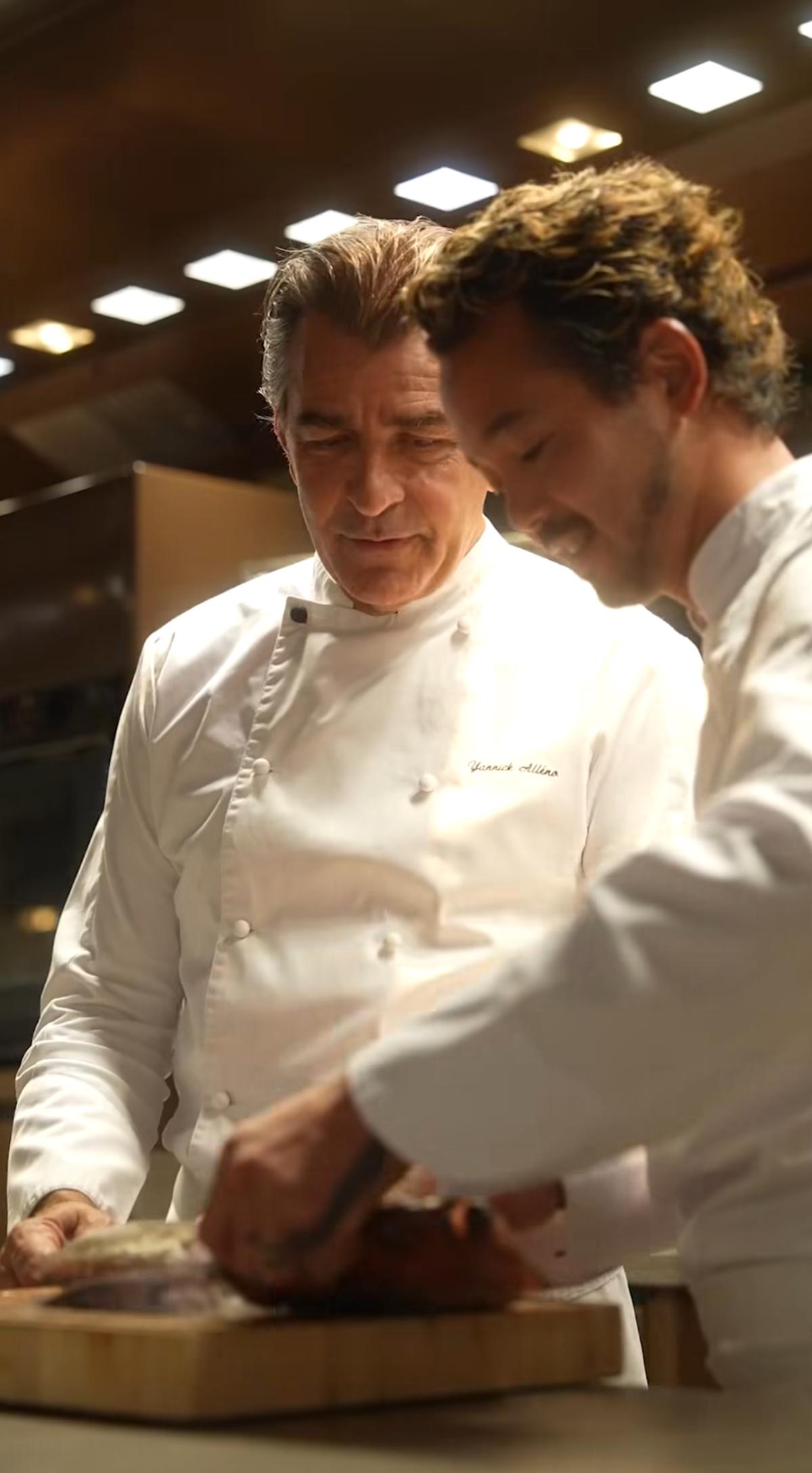
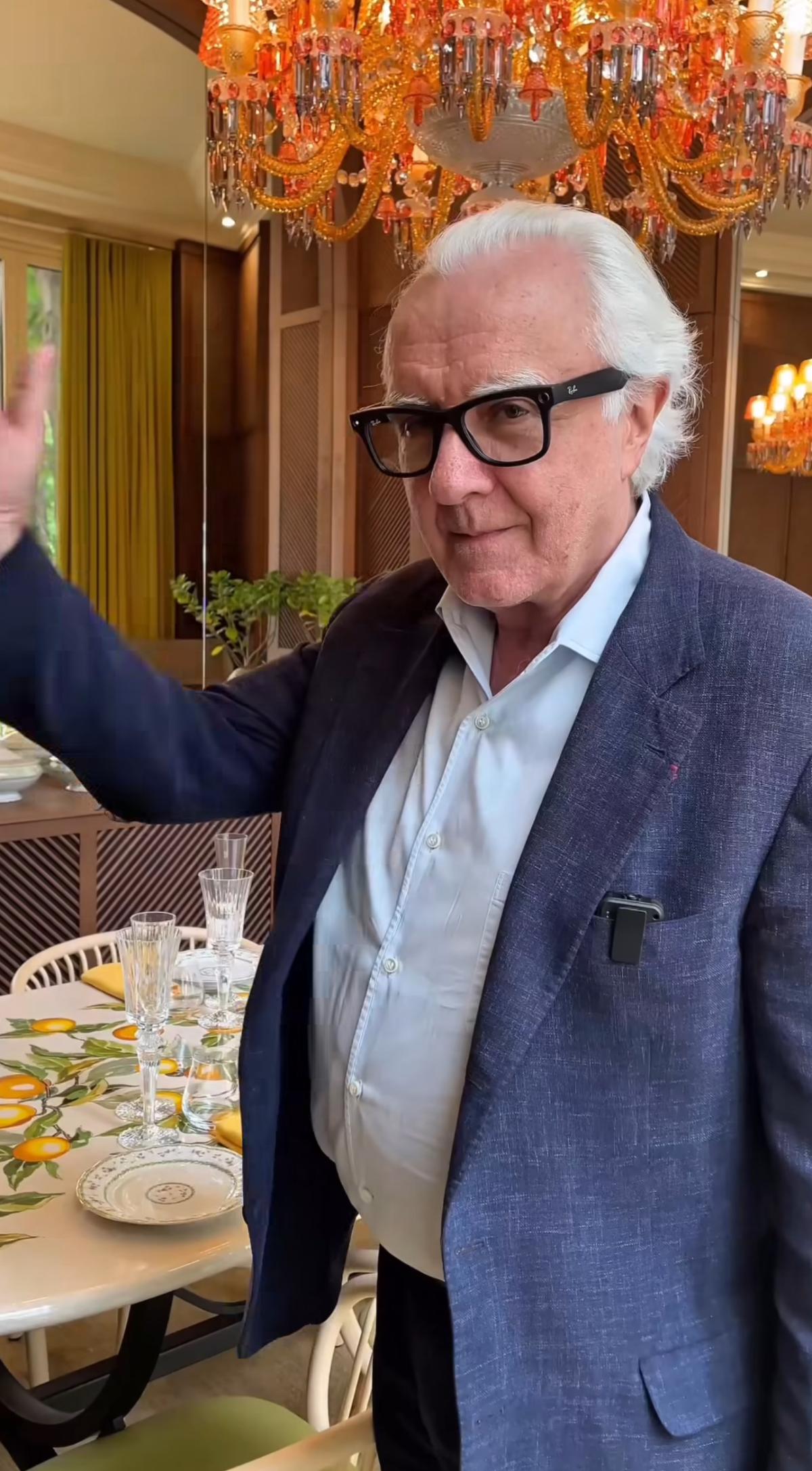
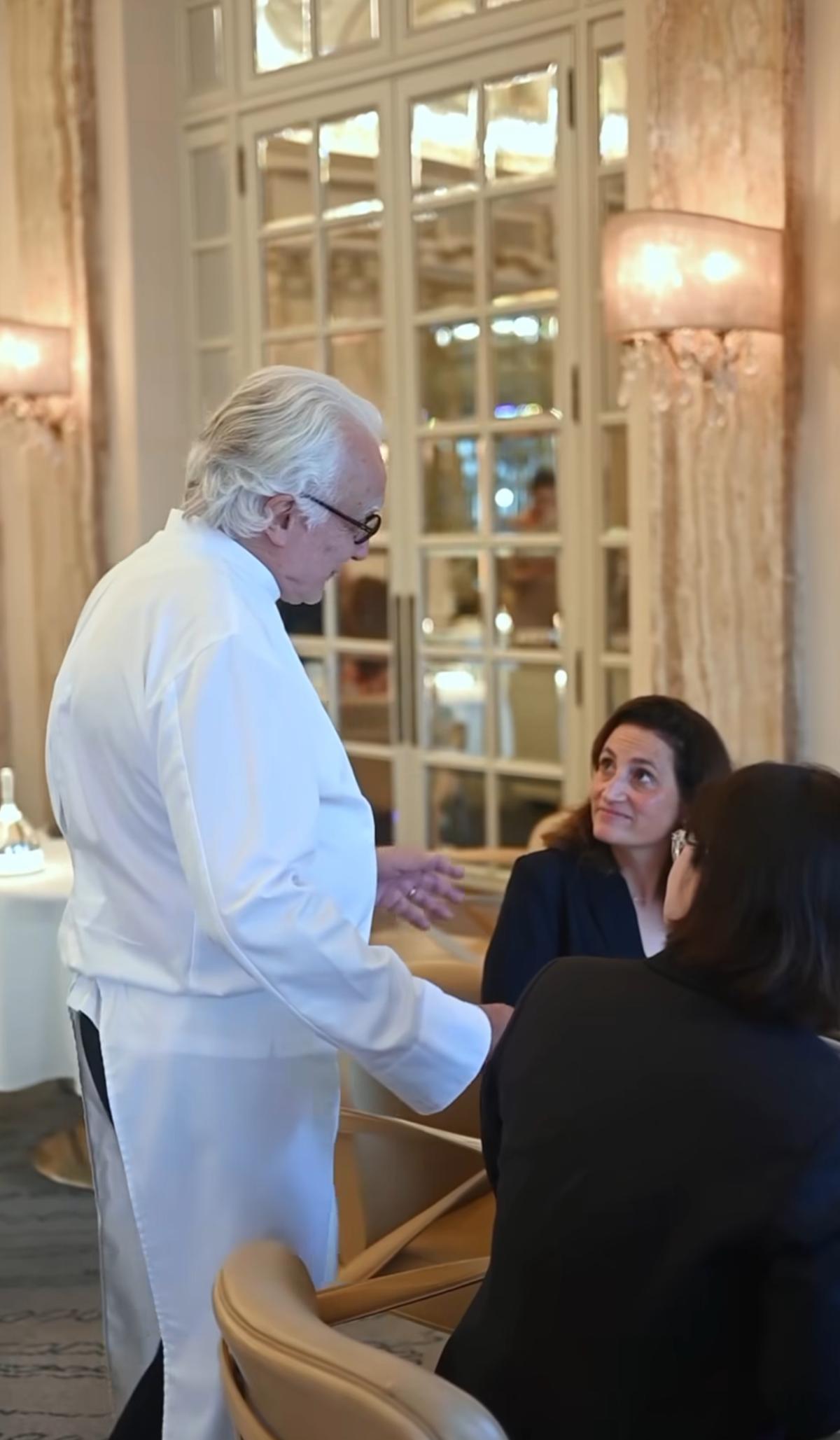
Many great names — Alain Ducasse, Heston Blumenthal, Yannick Alléno, Massimo Bottura — confess that their inspiration comes not from competition, but from curiosity. Haute cuisine is not a place for dogma but for constant dialogue — between past and future, between grandmother’s recipes and tomorrow’s technology, between the soul of taste and the mechanics of its perfection.
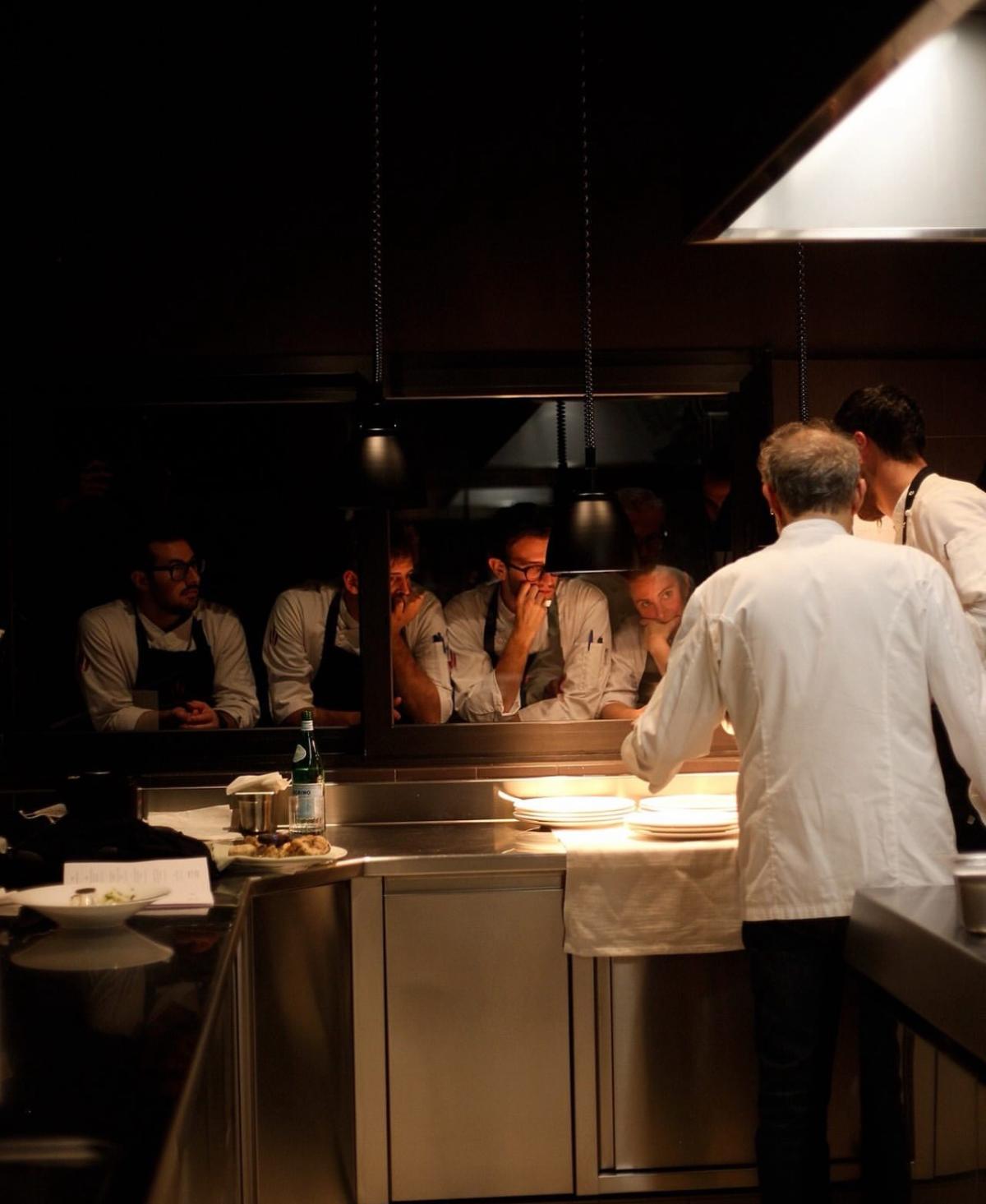
The greatest secret of Michelin-starred restaurants isn’t the technique or the recipe — it’s the team. Haute cuisine is both a battlefield and a monastery — ruled by respect, discipline, and humility. Newcomers start at the very bottom: peeling vegetables, organizing ingredients, cleaning counters. Yet within this humility lies the foundation of mastery. Over time, they learn not only to cook but to think as a team. Everyone knows that the evening’s success depends not on a single dish, but on the symphony as a whole. When something goes wrong, no one looks for blame — only for solutions.
The chef is more than a leader — he is a mentor and a philosopher. He teaches young cooks to feel food, to respect it, to sense its energy. Haute cuisine is a school of patience, focus, respect, and resilience. Values are passed down like a secret recipe for success. Technologies evolve — but the human spirit remains constant.
When the evening ends — when the last plate has left the pass and the final glass of champagne has been raised — a brief silence fills the kitchen. The chefs wipe their stations, remove their aprons, and smile. Behind them lies another flawless symphony — performed without a single false note.
Haute cuisine is an orchestra of taste, where every note is calculated yet inspired. It is a world where perfection is not a destination but a journey — an endless pursuit of balance between technique and soul. Perhaps that is Michelin’s greatest secret: behind the stars lies not glamour, but work — daily repetition, discipline, and devotion. The real magic happens not on stage, but behind it.
In the next chapter of “Beyond the stars”, we’ll look toward the future — into the kitchens where sustainability, technology, and ethics are already shaping the new face of luxury. We’ll speak of minimalism in gastronomy, of returning to our roots, of designing taste through ecology and awareness. Because today, perfection is not measured only in stars — but in responsibility: to nature, to people, and to what we call the art of living.
The mechanics of perfection are the invisible heart beating behind every dish that earns recognition — a fusion of order, passion, and humanity. So next time you take that first, immaculate bite in a Michelin-starred restaurant, remember: behind that moment lie hundreds of hours of preparation, repetition, and the tireless pursuit of harmony. Beyond the shimmer of the stars stand people — artisans of taste — crafting perfection by hand.
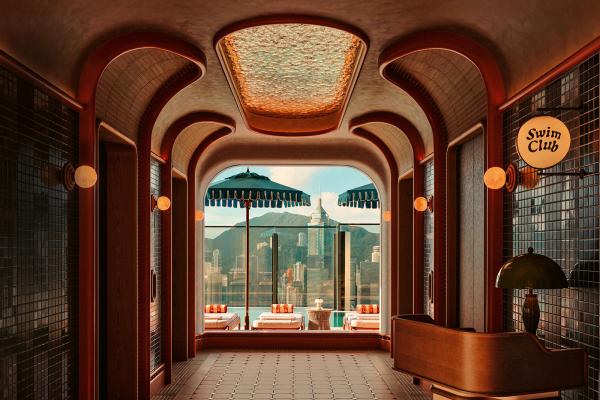
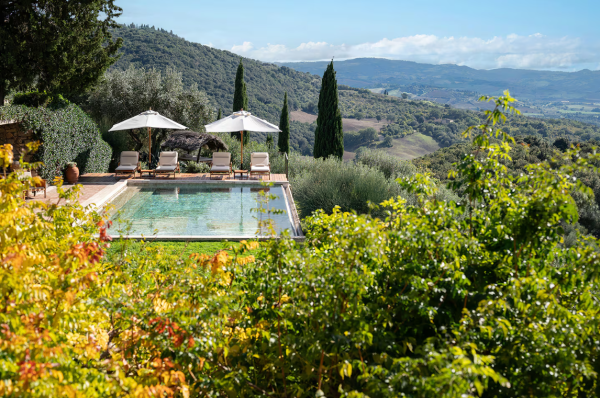
Photos: Geranium restaurant Copenhagen, Pavyllon Paris, Alain Ducasse, Massimo Bottura.
© Copyright 2026 Unique Estates. All rights reserved.