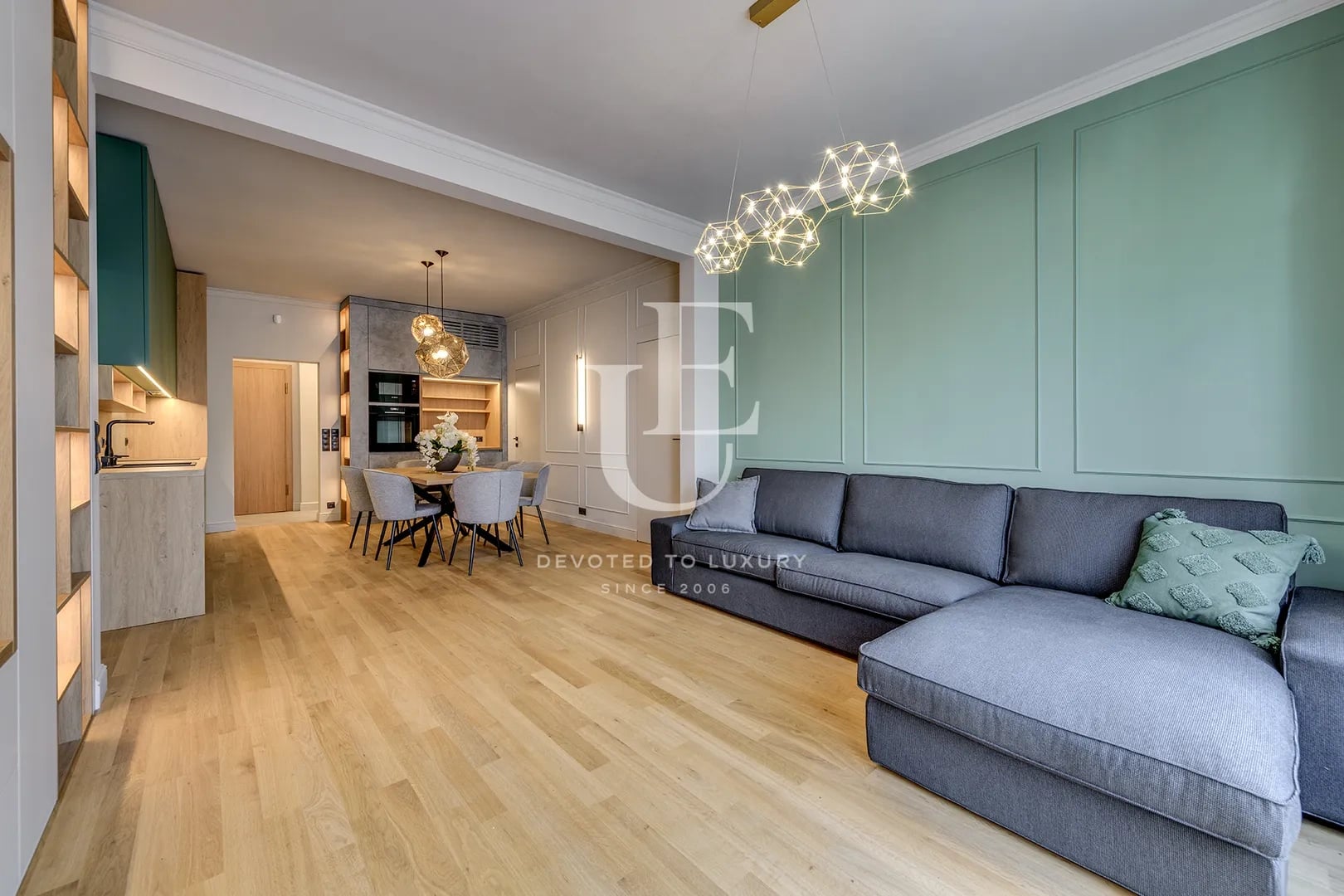
Interior Trends for Luxury Apartments in 2026


When considering the furnishing of your future home, a particular photograph might catch your eye—perhaps due to the wall color, the shape of a sofa, or a beautiful selection of materials. Beyond that initial impression, questions arise: how will these choices look in your own living room, and how will they function in your daily life? In the context of a luxury apartment, a well-conceived design bridges personal taste with the specific characteristics of the space—from the quality of natural light to the integration of storage solutions.
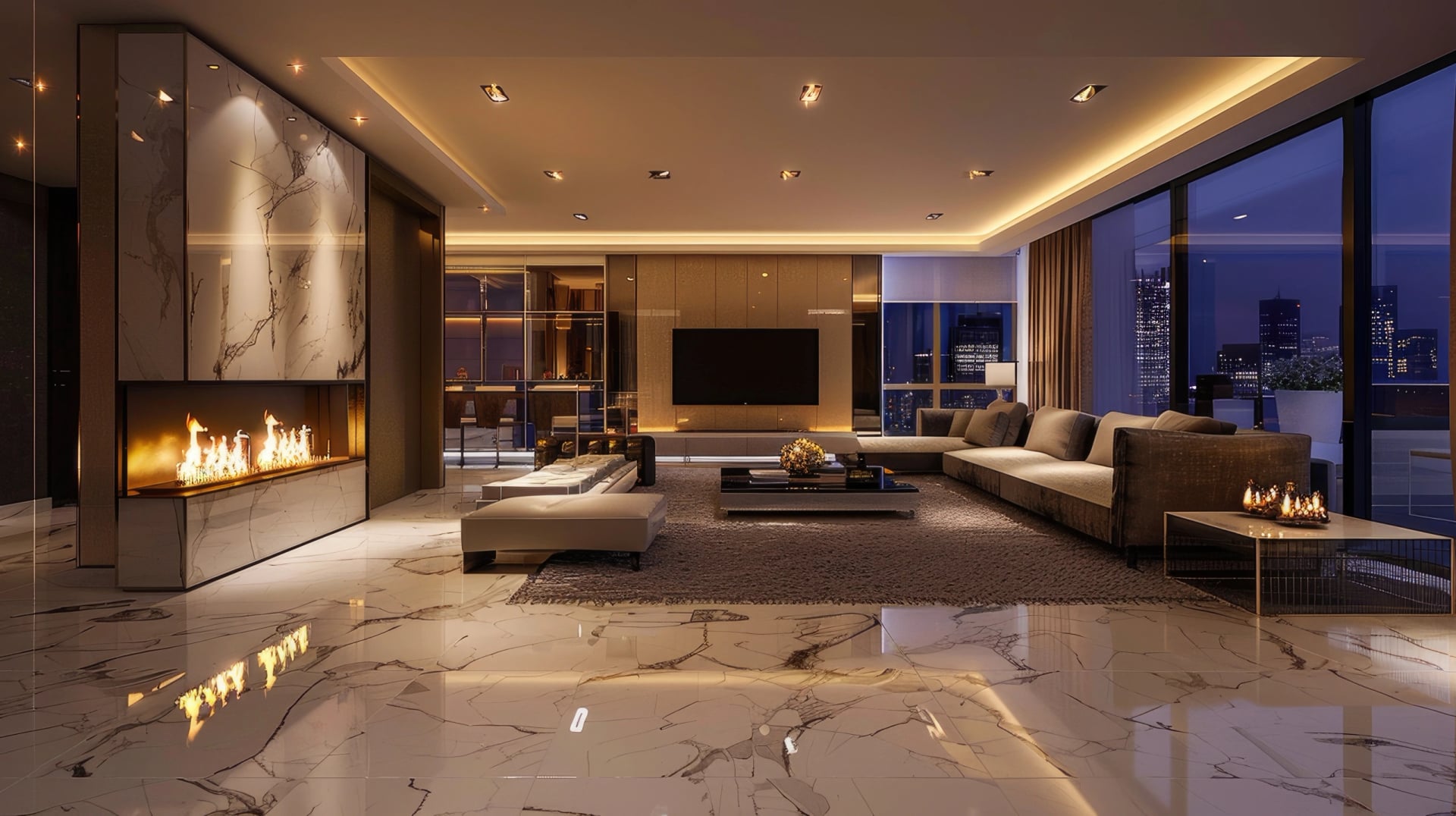
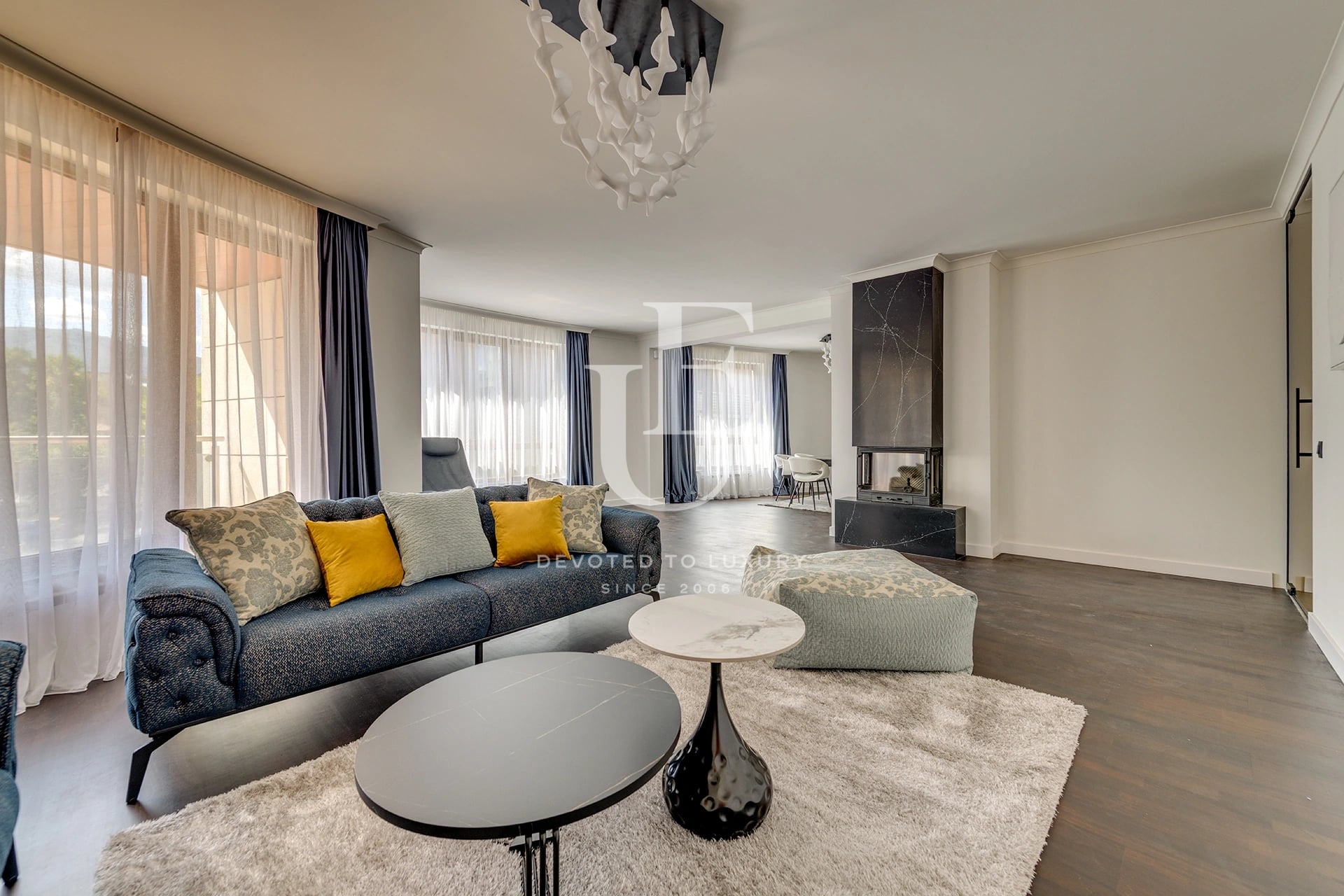
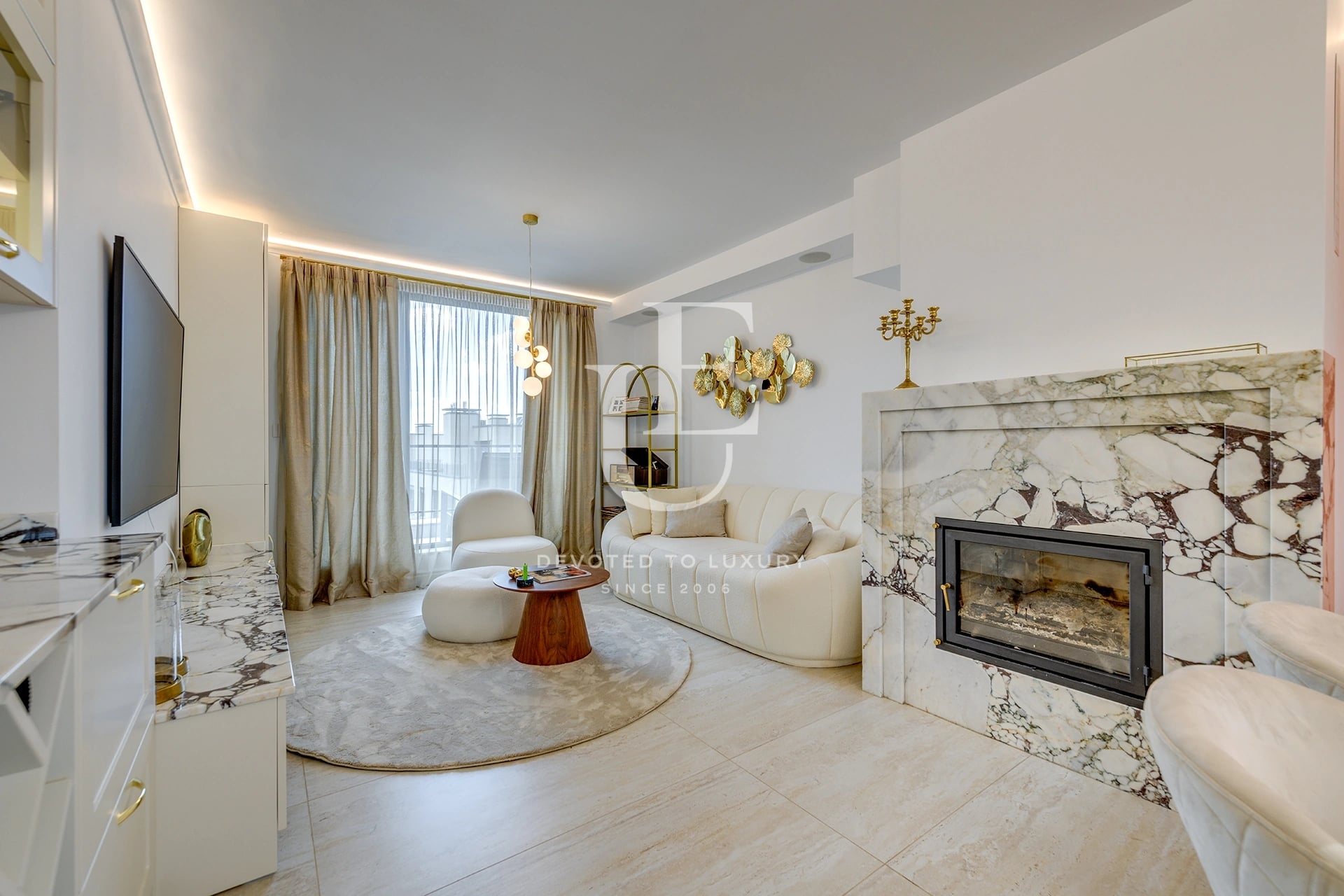
In 2026, interiors are becoming richer in texture, with a more liberated approach to combining pieces from different eras. Key trends include dark wood, rich earthy tones, decorative textiles, and technology seamlessly integrated into the home’s architecture. For a thoughtfully designed apartment, these trends offer a range of possibilities that can be tailored to the available space and your personal lifestyle.
Colors for 2026: Chocolate Brown, Green, and Burgundy
Brown maintains a strong presence in the year’s color palette. In a 2026 forecast study by 1stDibs—conducted among 468 interior design professionals in the summer of 2025—33% of participants identified chocolate brown as a color they expect to incorporate into their work. Burgundy and various shades of green are also gaining traction. These findings reflect the perspectives of a specific professional community and offer a guide to emerging design directions.
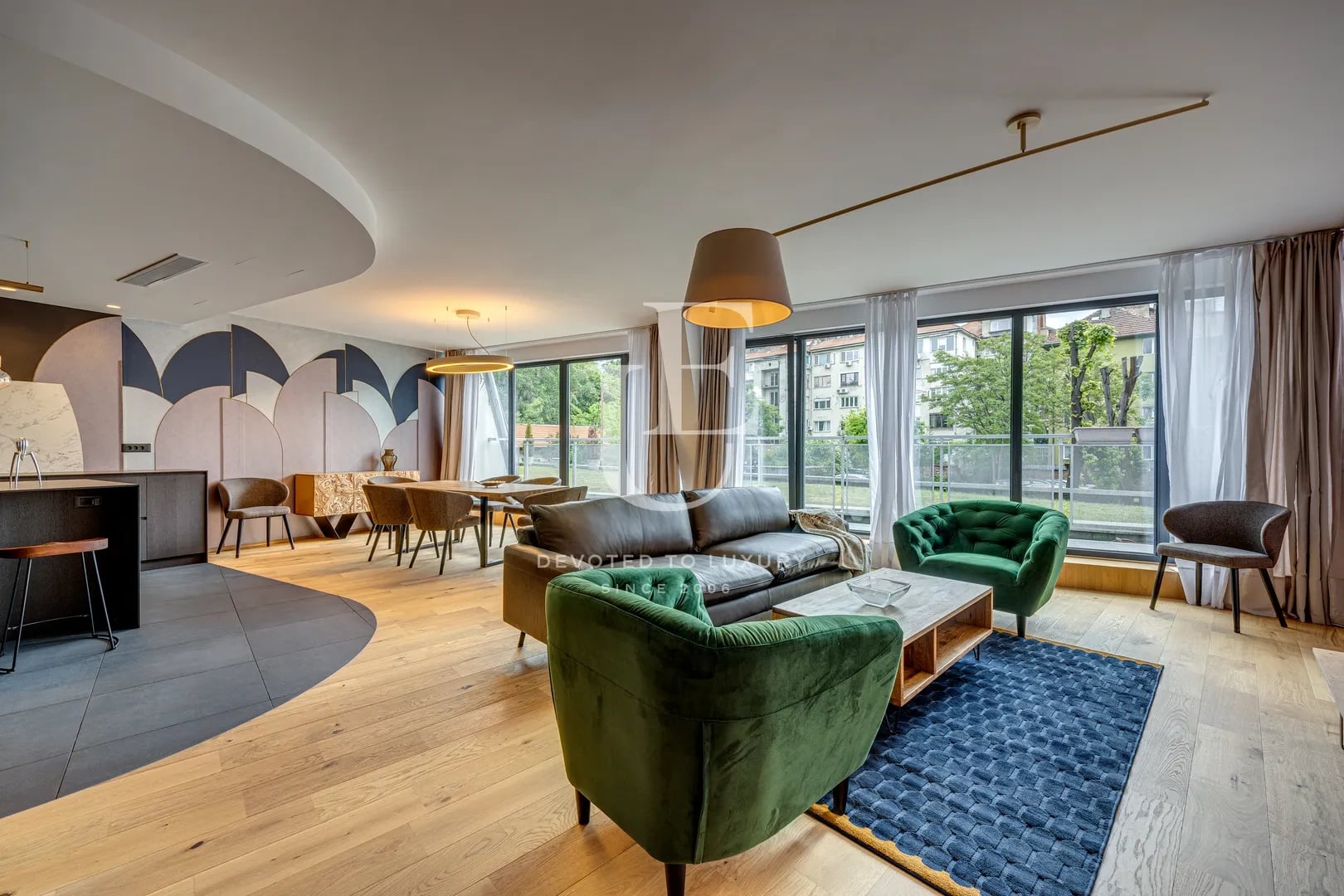
Within an apartment, these colors can be distributed across various surfaces. For instance, a walnut bookcase, olive-toned textiles, and a light-colored mineral-finish wall can create a palette with a distinct character, while ensuring the seating area remains bright. If you prefer not to use burgundy over a large surface area, you might incorporate it through an armchair or a rug.
For bolder designs, the trend of "color drenching"—where walls, doors, and sometimes even the ceiling are painted in a single color or closely related tones—remains popular. The final effect depends on the room's ceiling height, lighting, and the specific paint finish. Before committing, test large samples within the actual space, observing them both in the morning and evening.
Light-toned palettes also have a place in 2026. Pantone’s "Color of the Year"—Cloud Dancer (PANTONE 11-4201)—is a shade of white. In a home setting, it serves as an ideal backdrop for wood elements, artwork, and colorful textiles, especially when you want individual pieces to stand out.
Dark wood, bronze-tinted mirrors, and lacquered surfaces
Among the trends discussed by designers for autumn 2026 are walnut and oak in deeper brown tones. These can be applied to kitchen cabinetry, bookcases, or as wall paneling. A practical consideration is the total amount of wood visible from the room's primary vantage point.
If the flooring and large furniture pieces are dark, compare them against samples of other surfaces before introducing an additional wood tone. When commissioning custom furniture, specify the direction of the wood veneer and how the grain pattern transitions between adjacent doors. These details are particularly noticeable on tall cabinets featuring large, continuous fronts.
Autumn interior design trends also incorporate bronze-tinted mirrors, smoked glass, and lacquered surfaces. Before deciding on their placement, consider what they will reflect—whether it be a window, a light fixture, an adjacent wall, or the functional workspace of a kitchen. These reflections should be planned during the design phase, just as you would consider the views from your sofa or dining table.
Personal Collections and Furniture from Different Eras
The Houzz Autumn Report from September 2026 highlights interiors that appear to have been curated over time, featuring objects with personal histories. Vintage furniture, contemporary art, and new pieces can coexist harmoniously when selected with careful attention to the scale and purpose of the room.
For instance, a restored sideboard can sit alongside a modern dining table, provided that its height, wood tone, and the surrounding space are well-suited to the room. An heirloom armchair can be reupholstered in a fabric that ties in with the color palette of the living area. When furnishing an apartment, this approach allows you to retain cherished items and build the rest of your interior around them.
Before purchasing vintage furniture, always check its condition, whether it requires restoration, and verify its dimensions. Measure the route for bringing the item in, including the elevator and the turns along the staircase. A beautiful object should have a specific place and function in the home so that it remains a part of it for a long time.
Decorative Friezes and More Expressive Textiles
Decorative friezes stand out in the spaces showcased at WOW!house 2026 in London. These are horizontal ornamental bands, positioned, for instance, at the top of a wall just below the ceiling. Designers interpret them using relief plaster, inlay work, and textile details, effectively adding ornamentation to the very architecture of the room.
The autumn collections at Focus/26 in September also highlight an interest in "flamestitch"—a multicolored motif featuring elongated, zigzag shapes that resemble flames. Alongside this, there are botanical patterns and fabrics with a more pronounced texture. These offer specific ways to introduce intricate designs through curtains, upholstery, or decorative panels.
For an apartment with lower ceilings, a more understated approach—such as an ornament in a color close to that of the wall—might be appropriate. When selecting textiles, be sure to request a sample large enough to show the pattern repeat; a small swatch rarely reveals how the motif will look on a full-length curtain or a large sofa.
The Kitchen Designed as Part of the Overall Living Space
At EuroCucina 2026 in April, the connection between the kitchen and the rest of the home was clearly evident. Manufacturers presented systems that utilize consistent materials and design details across areas for cooking, storage, and living. Technologies are seamlessly integrated into the furniture, while ventilation systems and lighting play an integral role in the overall design scheme. For an apartment with an open-plan living area, this might mean tall cabinets featuring the same veneer as the bookcase, small appliances tucked away out of sight, and a minimal presence of technical elements in the area facing the guests. A stone island can serve as the primary material accent, provided there is sufficient space around it for movement and food preparation.
Evaluate these furnishing ideas based on your personal habits. If you cook daily, consider the noise levels of your appliances and the range hood, as well as accessibility to work surfaces. Built-in systems must allow for future maintenance access, and the exact dimensions of all appliances should be confirmed before furniture production begins.
Lighting with multiple scenarios and portable lamps
Portable decorative lamps are a notable feature presented at Focus/26. They offer the flexibility to move light sources between the dining table, a console, or a reading nook. If selecting a model for a terrace, ensure the manufacturer has designated it for outdoor use.
Another trend, also showcased at WOW!house 2026, involves the discreet integration of lighting controls. For a home setting, a practical approach is to plan distinct lighting scenarios for working, dining, and relaxing. Lighting for artwork, workspaces, and the area around the sofa can be controlled independently, depending on how the space is being used.
Determine the placement of light switches, electrical outlets, and control interfaces as early as the design phase. If you plan to include dimming functions, verify the compatibility of all components with your supplier. System tuning should be part of the implementation process, so that you can evaluate the lighting in the finished space.
The Bathroom: Striking Materials and a Focus on Maintenance
At the 2026 International Bathroom Exhibition in Milan, the emphasis is on materials, durability, and integrated technology. Wood tones, stone, metal, and colored surfaces come together in a cohesive composition alongside furniture and sanitary fixtures.
In a luxury apartment, this approach can be realized through a washbasin with a distinctive form, a vanity unit featuring beautiful veneer, or stone cladding tailored to the dimensions of the wall. When using materials with a pronounced pattern or grain, it is advisable to discuss the cutting layout and pattern matching before placing an order.
Check the specific maintenance requirements for each surface, how to clean the joints (grout lines), and ensure that access to plumbing and utility installations is preserved. If you are considering a steam shower or other spa equipment, the technical requirements must be assessed at the very beginning. Ventilation, waterproofing, and available space will ultimately dictate what can be implemented.
Interior Design for Small Apartments: How to Apply Trends?
When designing the interior of a small apartment, the starting point is the organization of activities and the necessary furniture. Once you have determined where you will dine, work, and store your belongings, you can decide which 2026 trends to incorporate. An interior rich in detail requires careful consideration of every square meter of occupied space. Dark wood, for instance, can be incorporated into a built-in unit that combines a wardrobe and a bookcase. Colorful textiles might be limited to an armchair or a headboard. Decorative stone can be applied to a small, prominent feature rather than being spread across every surface.
Custom-made furniture allows you to utilize niches and the space around doorways; however, dimensions must be verified with doors and drawers in their open positions. On your living room floor plan, mark out the space occupied by pulled-out chairs, open cabinet doors, and the flow of movement toward windows or the terrace. This will help you determine whether a specific table or a deeper sofa will actually function well within the room.
When designing a small apartment, it is helpful to establish a central theme or "guiding idea" for each zone—whether it be a specific material, a color, or a key piece of furniture. All other design choices should be made in relation to this theme, which makes it easier to coordinate individual purchases and custom orders.
Which apartment furnishing ideas warrant a long-term investment?
Focus first on elements that are difficult to change later: flooring, built-in furniture, the kitchen, and lighting installations. For these, request samples, technical drawings, and maintenance information. Test upholstered furniture, check the functionality of mechanisms, and inquire about the possibility of repairing or replacing individual components.
Elements that are easier to update offer the freedom to incorporate pieces from the latest collections. A lampshade, a textile piece, or a small, standalone item of furniture can introduce the colors and patterns characteristic of autumn 2026, while remaining in harmony with an already completed interior.
At Unique Estates, we view your future home through the lens of your personal preferences and lifestyle. When comparing apartments, pay close attention to the lighting, ceiling heights, and layout—factors that will define the possibilities for your interior design project. For significant alterations, consult an architect or interior designer before committing to the execution.
Frequently Asked Questions
Can we refresh an interior for 2026 without a full-scale renovation?
Yes, provided the layout and main furnishings still suit your needs. New textiles, a portable lamp, a change in wall color, or a restored piece of furniture can transform a specific area. First, decide what you wish to keep, then coordinate the new elements accordingly.
How should we prepare for an initial meeting with an interior designer?
Prepare a floor plan with dimensions, photos of the space, and a brief description of how you use it. Include a list of items you intend to keep, your budget, and your desired timeline. When presenting inspiration photos, specify what appeals to you in each one—whether it’s a material, a color, the layout, or a particular piece of furniture.
How should we choose an interior design for an apartment intended for rent?
Start by considering the target tenant profile and the necessary amenities. Discuss the durability of materials, ease of cleaning, and the availability of replacement parts. Personal collections and delicate finishes require careful consideration, depending on how the property will be managed.
Read more from category Interior and Design
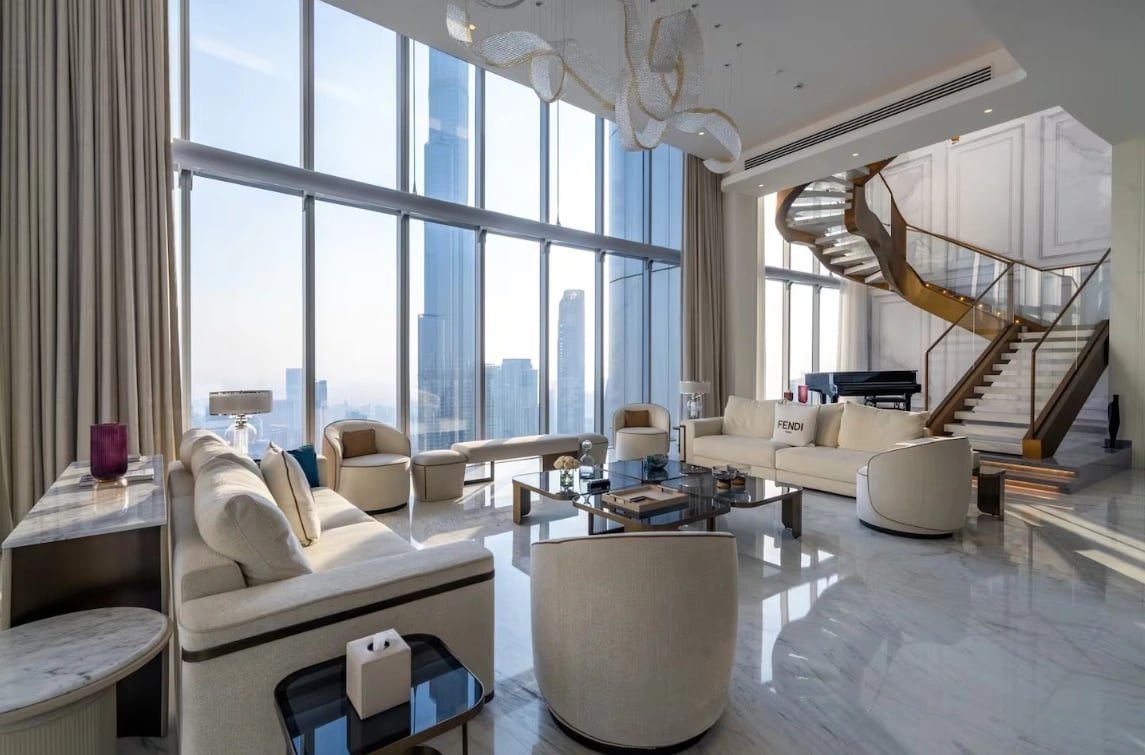
Urban Oasis: 5 Homes That Redefine City Living
 03/07/2026
 Interior and Design
 Unique Estates
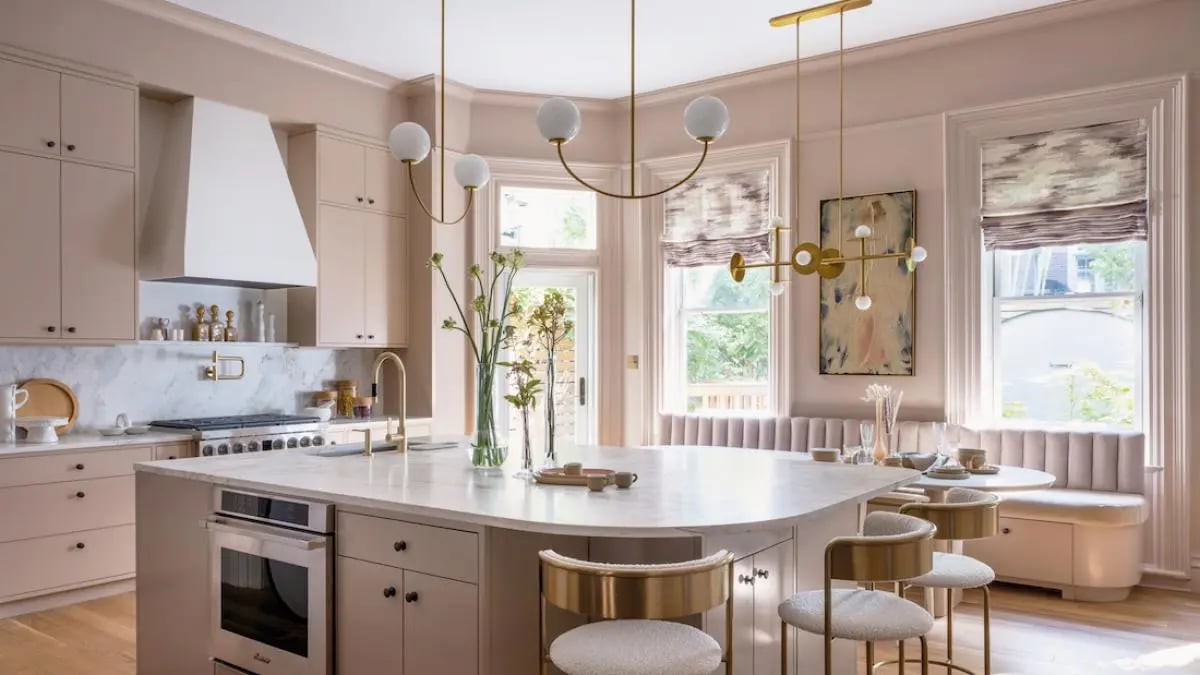
Three trends influencing modern kitchen design
10/02/2026Interior and DesignUnique Estates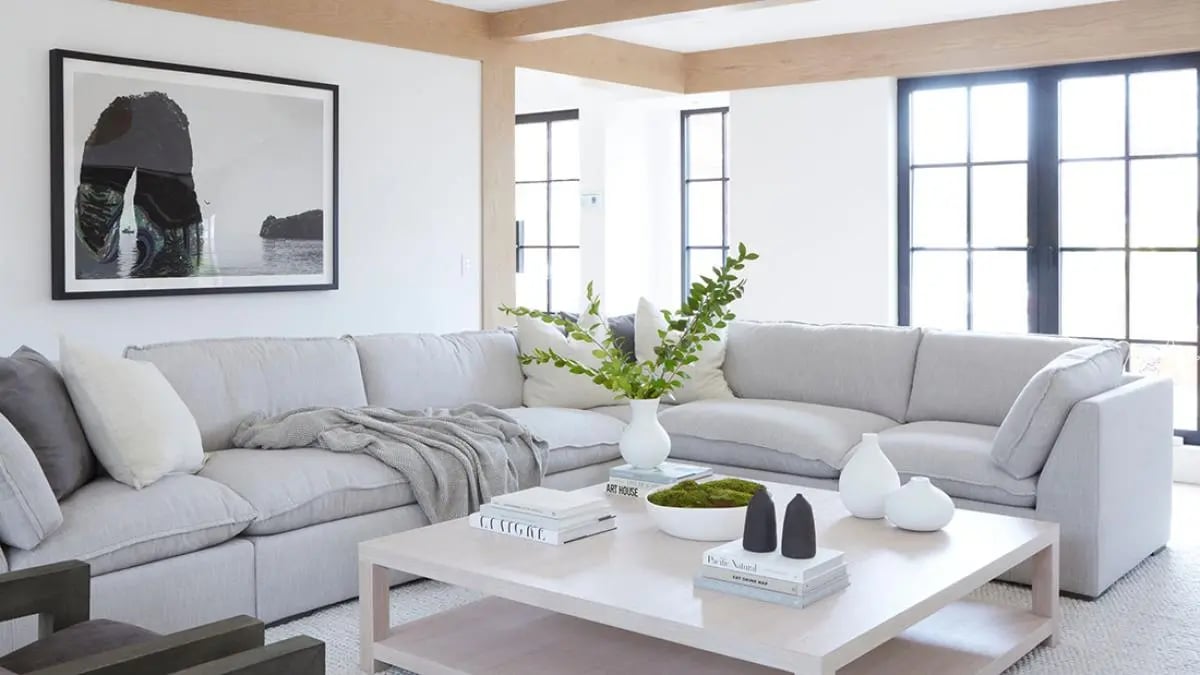
Warm tones and textures keep a neutral palette lively
10/02/2026Interior and DesignUnique Estates
4 Deluxe Home Theaters
10/02/2026Interior and DesignUnique EstatesHow is a property sold?

When selling a property, it is important to consult a professional who can provide you with a housing market research and help you determine the market price of the property. It is also recommended to have a realistic description of the property to attract the attention of buyers, helping them to get oriented in its advantages.
 Call us