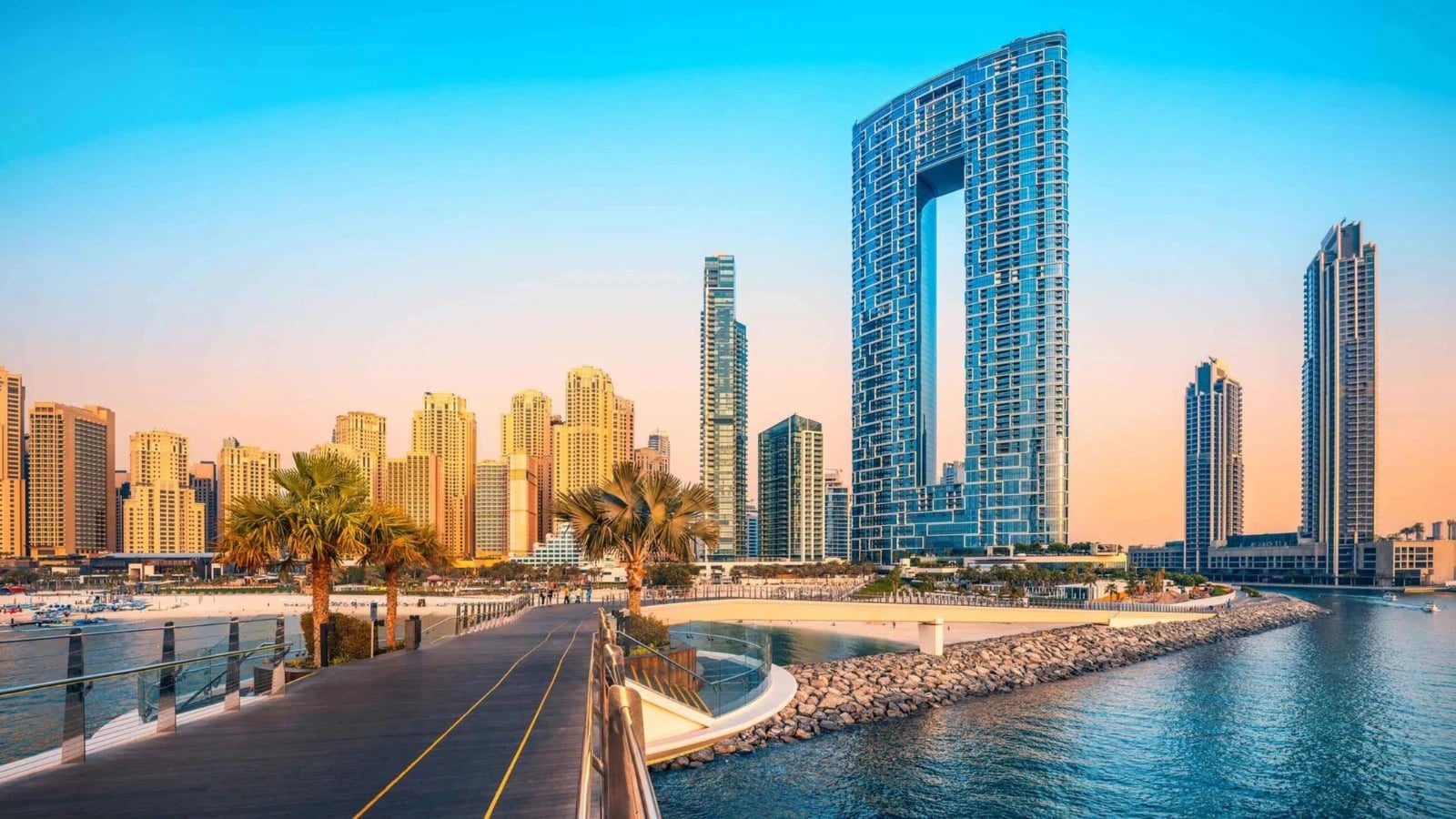
Buying property in Dubai - what you need to know before investing


Dubai continues to strengthen its position as one of the world's most attractive investment destinations. Thanks to its modern infrastructure, tax-friendly environment and long-term residency opportunities, an increasing number of international buyers are turning their attention to the emirate's real estate market. To ensure a successful investment, however, it is essential to understand the key aspects of the local legal framework, the different ownership structures, and the property acquisition process.
Freehold or Leasehold - What's the difference?
One of the first things to understand when buying property in Dubai is the distinction between the two main forms of ownership. Freehold ownership grants buyers full ownership of both the property and the land on which it stands. Owners are free to sell, lease, inherit or transfer their property without restrictions. This is the ownership structure available to foreign investors in designated freehold areas across Dubai.
With Leasehold ownership, buyers acquire the right to use the property for a specified period -typically up to 99 years - without owning the underlying land. Once the lease expires, ownership rights revert to the landowner.
Full ownership is only one of the many advantages of investing in freehold property. It offers long-term capital preservation, the opportunity to generate rental income, and the potential for capital appreciation upon resale. An additional benefit is access to UAE residency opportunities. Depending on the investment value, buyers may be eligible to apply for various residency visas, including the 10-year Golden Visa, making property investment even more attractive for international purchasers.
The most sought-after areas
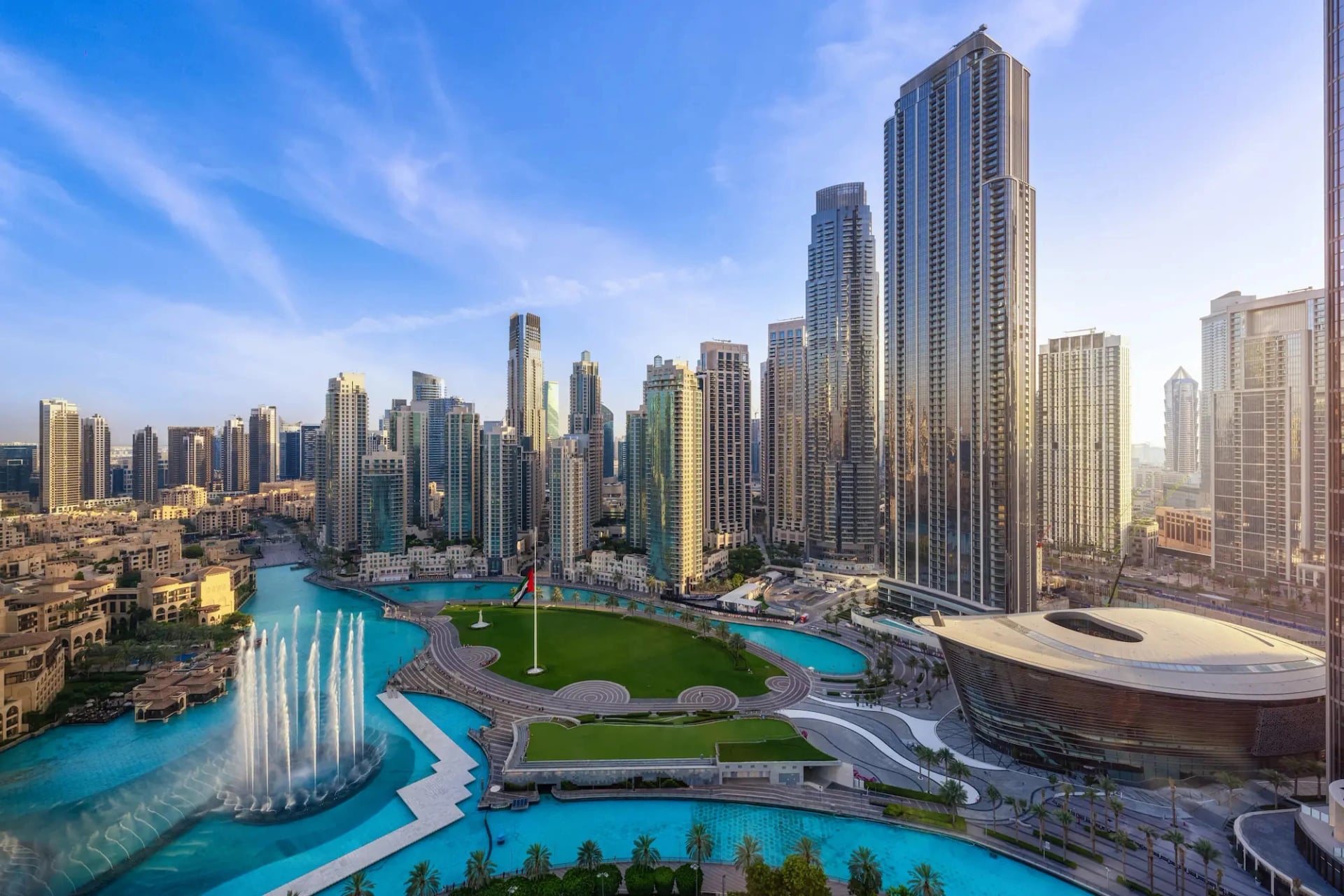
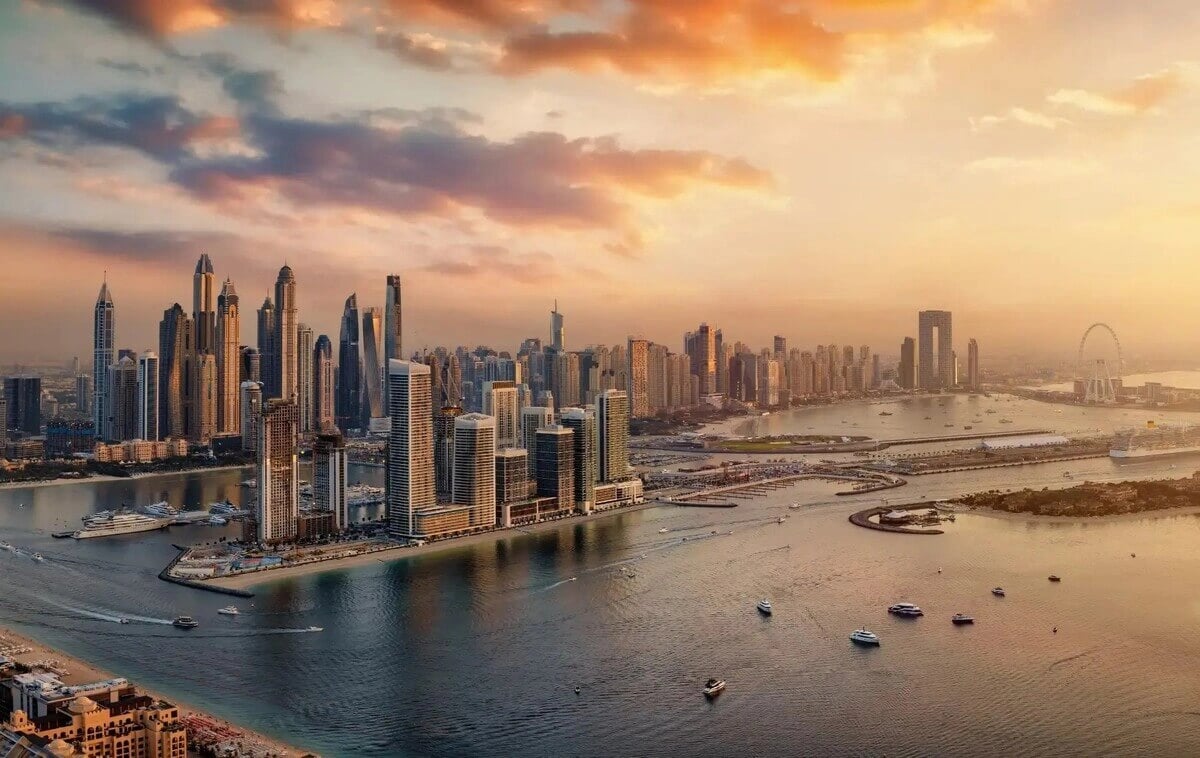
Dubai offers a wide range of freehold communities catering to different investment objectives and lifestyles. Among the most desirable are Downtown Dubai and Business Bay, which attract buyers thanks to their prestigious locations and strong rental demand. Dubai Marina and Jumeirah Beach Residence (JBR) remain highly popular for their vibrant waterfront lifestyle, while Palm Jumeirah continues to represent the pinnacle of ultra-luxury beachfront living.
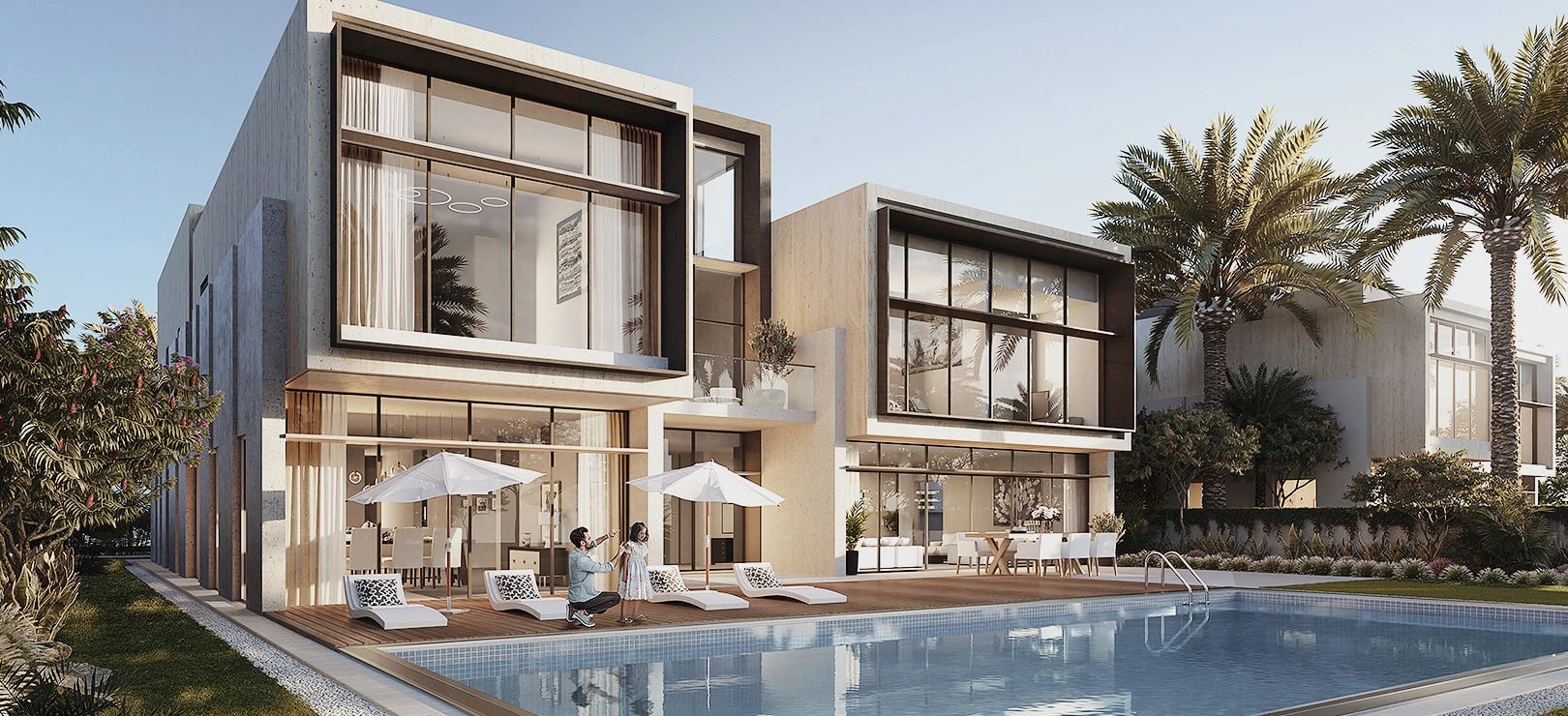
For families and long-term residents, communities such as Dubai Hills Estate, Arabian Ranches, and DAMAC Hills offer spacious homes, landscaped surroundings and well-developed infrastructure.
How to choose the right property
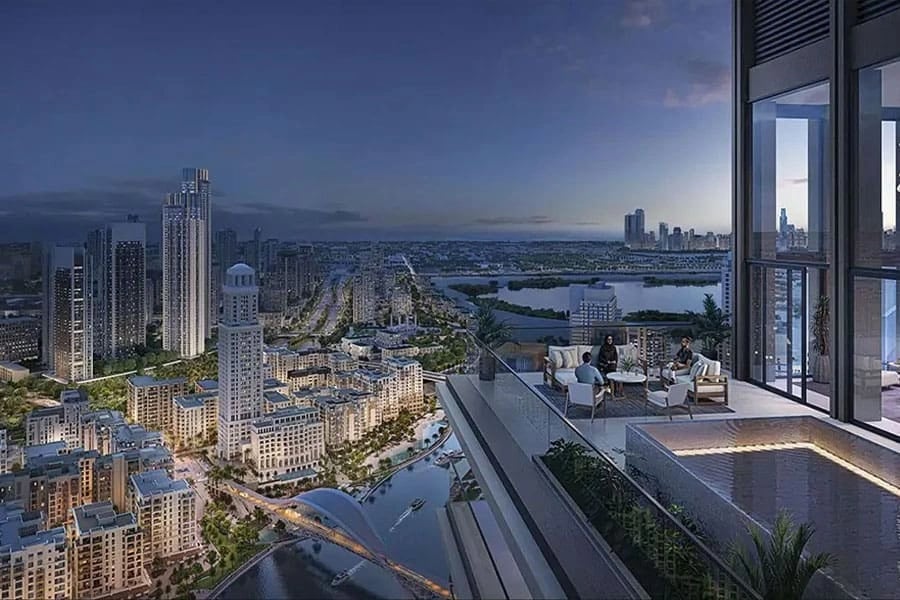
Beyond the purchase price, buyers should carefully assess factors such as the area's future development, planned infrastructure projects, transport connectivity, nearby schools, healthcare facilities, retail amenities and rental demand. Locations benefiting from significant infrastructure investments or large-scale future developments often offer stronger long-term capital growth potential.
Work only with licensed professionals
One of the most important recommendations for international buyers is to work exclusively with licensed real estate brokers and registered developers. An experienced property advisor will not only help identify the right investment and negotiate favourable terms but will also guide buyers through every legal and administrative step of the transaction. It is equally important to verify that the broker is licensed by the Real Estate Regulatory Agency (RERA) and that the development is officially registered with the Dubai Land Department (DLD).
What does the buying process look like?
The property purchase process in Dubai is straightforward and well regulated. When purchasing a completed property, the process begins with a sales agreement between the buyer and seller, followed by the signing of the official Memorandum of Understanding (Form F). The developer then issues a No Objection Certificate (NOC), after which ownership is officially transferred through the Dubai Land Department.
For off-plan properties, the process is even more streamlined. Buyers first sign a reservation agreement with the developer, followed by the Sales and Purchase Agreement (SPA), making the overall transaction significantly faster.
What costs should you budget for?
In addition to the purchase price, buyers should consider the associated transaction costs. The most significant expense is the Dubai Land Department transfer fee, which amounts to 4% of the property's purchase price. Additional costs include registration fees, Title Deed issuance fees, and the real estate agency commission, which is typically 2% of the purchase price for secondary market transactions. For off-plan purchases, buyers generally do not pay an agency commission.
Purchasing property in Dubai is a relatively straightforward and transparent process when supported by experienced professionals. Thanks to its clearly regulated legal framework, strong investor protection and broad selection of high-quality developments, the emirate continues to rank among the world's leading destinations for international real estate investment. Whether you are looking for a permanent home, a holiday residence or an investment asset, careful preparation and informed decision-making remain the foundation of a successful purchasDiscover properties
Discover properties in DubaiRead more from category For buyers and tenants
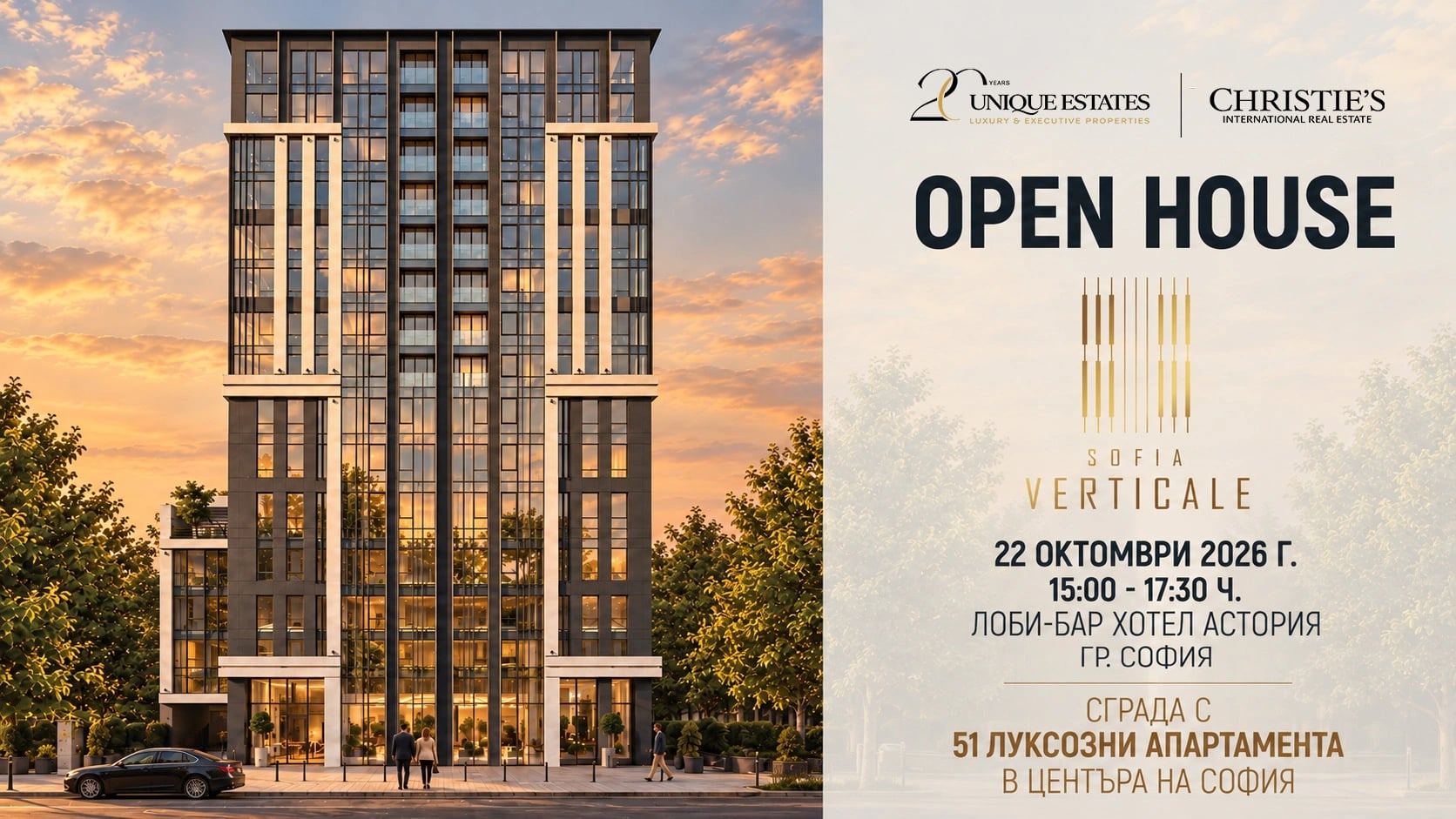
Open House of a new building with luxury apartments in the center of Sofia
 15/10/2026
 For buyers and tenants
 Unique Estates
Open house of a magnificent house for sale in Boyana district
15/10/2026For buyers and tenantsUnique Estates
Four exclusive events in October to showcase luxury properties
14/10/2026For buyers and tenants
Boyana Private Preview | Exclusive Unveiling of a New High-End Residential Complex in Boyana
30/09/2026For buyers and tenantsUnique EstatesMany of you probably ask this question when it comes time to change homes or purchase a new property. Why do I need an agency when there are websites show direct information from an owner?
Generally speaking, a real estate agent will save you time and effort, protect you from incorrect owners, and guide you seamlessly through the process.
 Call us